

TSMC Shares Hit Record High as Regulator Eases Stock Allocation Rules
TSMC shares surged 5% to a new all-time high, reflecting strong market confidence in its future growth, particularly amid the booming demand for artificial intelligence.
The surge in TSMC's stock price is attributed to Taiwan's regulator planning to loosen restrictions on fund allocations to single stocks, allowing domestic equity funds and actively managed ETFs to allocate up to 25% of their assets to any listed firm with a market cap above 10%. This regulatory easing creates more investment opportunities for TSMC, which has also reported a net income of NT$572.48 billion for Q1, a 58% year-over-year increase that exceeded market expectations, showcasing its robust profitability amid surging chip demand.
As the world's largest contract chipmaker, TSMC continues to benefit from strong demand from major clients like Apple and the rapidly expanding AI market, particularly in manufacturing advanced processors for companies like Nvidia, further solidifying its market leadership.
Trade with 70% Backtested Accuracy
Analyst Views on TSM

About TSM
About the author


SpaceX Stock Surges to $2.5 Trillion Valuation

- Market Valuation Surge: SpaceX achieved a market valuation exceeding $2.5 trillion on its second trading day, becoming the sixth most valuable company globally, surpassing Taiwan Semiconductor, which reflects strong market performance and investor confidence.
- Revenue Targets: Despite generating only $18.67 billion in revenue and reporting a net loss of $4.94 billion in 2025, SpaceX's valuation is heavily reliant on its growth potential, particularly in artificial intelligence and orbital data centers, indicating a strategic focus on future innovations.
- Stock Float Dynamics: By selling 555 million shares at $135 each, SpaceX raised $75 billion, with the float representing just 5% of its total market cap; early investors may sell up to 20% of their holdings post-earnings report, which could significantly impact stock price volatility.
- Future Projections: Morgan Stanley forecasts SpaceX's revenue could reach $330 billion by 2030, with $190 billion from AI, while CEO Elon Musk aims for $1 trillion in revenue by 2031, highlighting the company's ambitious growth strategy and the importance of successful execution in achieving these targets.

Trump Claims Apple to Collaborate with Intel on Chips


- Stock Surge: Intel's shares jumped about 11% on Thursday, pushing its market value past $670 billion, reflecting market optimism following Trump's social media claim about a collaboration with Apple, despite no confirmation from either company.
- Unclear Collaboration Details: While Trump stated that Apple has agreed to work with Intel on chip design and manufacturing, both companies have refrained from making any formal comments, leaving investors cautious about the authenticity and potential impact of this collaboration.
- Financial Recovery: Intel reported a 7% year-over-year revenue increase to $13.6 billion in Q1 2026, with its data center and AI business growing by 22%, indicating a gradual recovery after years of decline; however, external customers still represent a small portion of its foundry revenue.
- Valuation Challenges: With a market cap exceeding $674 billion and trailing revenue of about $53 billion, Intel's stock trades at over 13 times sales, raising concerns among investors about its high valuation despite operational improvements, particularly in light of the unconfirmed nature of the Apple collaboration.
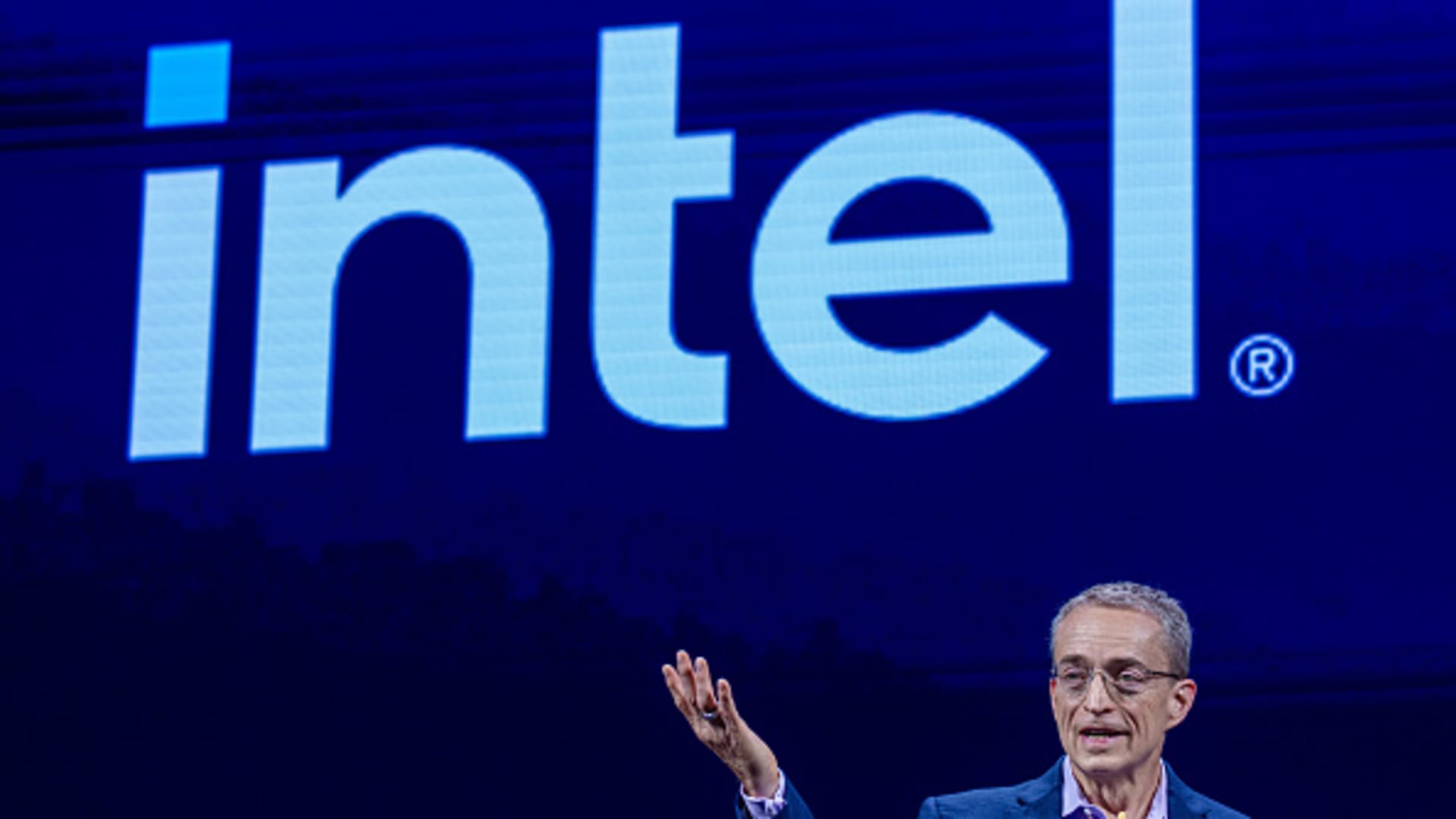
Trump Claims Apple to Partner with Intel on Chips
- Stock Surge: Trump's claim that Apple will collaborate with Intel to design and manufacture chips in the U.S. led to an approximately 11% surge in Intel's stock on Thursday, pushing its market value past $670 billion, reflecting market optimism about the potential partnership.
- Unconfirmed Partnership: Despite the excitement generated by Trump's statement, neither Apple nor Intel has confirmed the collaboration, leaving investors questioning the existence of a substantive agreement and increasing market uncertainty.
- Intel's Performance Recovery: Intel reported a 7% year-over-year revenue increase to $13.6 billion in Q1, with its data center and AI business growing by 22%, indicating positive progress in its turnaround, although external customers still represent a small portion of its foundry revenue.
- Valuation Challenges: With a market value exceeding $674 billion and trailing revenue of about $53 billion, Intel's stock trades at over 13 times sales, leading analysts to suggest that the current valuation already incorporates optimistic expectations regarding the company's turnaround, necessitating confirmation of any deal with Apple to further boost stock prices.

SpaceX Surpasses $2.5 Trillion Market Value

- Market Value Surge: In just its second trading day, SpaceX's market value soared past $2.5 trillion, surpassing Taiwan Semiconductor to become the sixth most valuable company globally, indicating strong market demand for its stock.
- Financial Performance Warning: Despite generating $18.67 billion in revenue for 2025, SpaceX reported a net loss of $4.94 billion, raising investor concerns about its high valuation, especially compared to Taiwan Semiconductor's financial results.
- Limited Float Impact: SpaceX has only made about 5% of its shares available to the public, raising $75 billion, indicating that the scarcity of float could lead to stock price volatility, with early investors potentially selling up to 30% of their holdings in the future.
- Future Growth Potential: Morgan Stanley forecasts SpaceX's revenue could reach $330 billion by 2030, with $190 billion from AI, while CEO Elon Musk targets $1 trillion in revenue by 2031, which, if achieved, would justify the current market cap.
Bitzero Holdings Secures Power Advantage in AI Boom


- Power Resource Lock-In: Bitzero Holdings has secured over 1 gigawatt of low-cost power across Norway, Finland, and North Dakota, ensuring a competitive edge amid surging AI infrastructure demand, which is expected to drive future profitability.
- Long-Term Lease Agreement: The company signed a 15-year lease with an AI cloud provider worth up to $2.6 billion, anticipated to generate 85% net income for Bitzero, further solidifying its market position.
- Renewable Energy Utilization: Bitzero's flagship facility operates on 100% renewable hydroelectric power at a cost of 3 to 4 cents per kilowatt-hour, significantly lower than the average U.S. data center rates, enhancing the company's profitability and competitive stance.
- Positive Cash Flow: Bitzero achieves positive cash flow through Bitcoin mining at a cost of approximately $50,000 per coin, well below the industry average, ensuring financial stability during the AI infrastructure buildout.
Bitzero Holdings Secures Long-Term Power Contract

- Power Supply Advantage: Bitzero Holdings has secured over 1 gigawatt of low-cost power across Norway, Finland, and North Dakota, positioning itself competitively in AI infrastructure development, which is expected to attract more clients and enhance market share.
- Profitability Boost: The company is already cash flow positive, benefiting from mining Bitcoin at a cost of 3 to 4 cents per kilowatt-hour of renewable hydroelectric power, significantly lower than the industry average, ensuring financial stability amid AI market expansion.
- Major Lease Agreement: Bitzero has signed a 15-year lease with an AI cloud provider for 110 megawatts of power at its Norway site, with the deal valued at up to $2.6 billion, further validating its market position in the AI data center space.
- Expansion Plans: The Kokemaki site in Finland has been re-engineered to support up to 1,000 megawatts of capacity, with the first 80 megawatts targeted for deployment in the first half of 2027, ensuring Bitzero can rapidly respond to surging demand for AI infrastructure.
SpaceX Stock Surges to $2.5 Trillion Valuation
- Market Valuation Surge: SpaceX achieved a market valuation exceeding $2.5 trillion on its second trading day, becoming the sixth most valuable company globally, surpassing Taiwan Semiconductor, which reflects strong market performance and investor confidence.
- Revenue Targets: Despite generating only $18.67 billion in revenue and reporting a net loss of $4.94 billion in 2025, SpaceX's valuation is heavily reliant on its growth potential, particularly in artificial intelligence and orbital data centers, indicating a strategic focus on future innovations.
- Stock Float Dynamics: By selling 555 million shares at $135 each, SpaceX raised $75 billion, with the float representing just 5% of its total market cap; early investors may sell up to 20% of their holdings post-earnings report, which could significantly impact stock price volatility.
- Future Projections: Morgan Stanley forecasts SpaceX's revenue could reach $330 billion by 2030, with $190 billion from AI, while CEO Elon Musk aims for $1 trillion in revenue by 2031, highlighting the company's ambitious growth strategy and the importance of successful execution in achieving these targets.
Trump Claims Apple to Collaborate with Intel on Chips
- Stock Surge: Intel's shares jumped about 11% on Thursday, pushing its market value past $670 billion, reflecting market optimism following Trump's social media claim about a collaboration with Apple, despite no confirmation from either company.
- Unclear Collaboration Details: While Trump stated that Apple has agreed to work with Intel on chip design and manufacturing, both companies have refrained from making any formal comments, leaving investors cautious about the authenticity and potential impact of this collaboration.
- Financial Recovery: Intel reported a 7% year-over-year revenue increase to $13.6 billion in Q1 2026, with its data center and AI business growing by 22%, indicating a gradual recovery after years of decline; however, external customers still represent a small portion of its foundry revenue.
- Valuation Challenges: With a market cap exceeding $674 billion and trailing revenue of about $53 billion, Intel's stock trades at over 13 times sales, raising concerns among investors about its high valuation despite operational improvements, particularly in light of the unconfirmed nature of the Apple collaboration.
Trump Claims Apple to Partner with Intel on Chips
- Stock Surge: Trump's claim that Apple will collaborate with Intel to design and manufacture chips in the U.S. led to an approximately 11% surge in Intel's stock on Thursday, pushing its market value past $670 billion, reflecting market optimism about the potential partnership.
- Unconfirmed Partnership: Despite the excitement generated by Trump's statement, neither Apple nor Intel has confirmed the collaboration, leaving investors questioning the existence of a substantive agreement and increasing market uncertainty.
- Intel's Performance Recovery: Intel reported a 7% year-over-year revenue increase to $13.6 billion in Q1, with its data center and AI business growing by 22%, indicating positive progress in its turnaround, although external customers still represent a small portion of its foundry revenue.
- Valuation Challenges: With a market value exceeding $674 billion and trailing revenue of about $53 billion, Intel's stock trades at over 13 times sales, leading analysts to suggest that the current valuation already incorporates optimistic expectations regarding the company's turnaround, necessitating confirmation of any deal with Apple to further boost stock prices.
SpaceX Surpasses $2.5 Trillion Market Value
- Market Value Surge: In just its second trading day, SpaceX's market value soared past $2.5 trillion, surpassing Taiwan Semiconductor to become the sixth most valuable company globally, indicating strong market demand for its stock.
- Financial Performance Warning: Despite generating $18.67 billion in revenue for 2025, SpaceX reported a net loss of $4.94 billion, raising investor concerns about its high valuation, especially compared to Taiwan Semiconductor's financial results.
- Limited Float Impact: SpaceX has only made about 5% of its shares available to the public, raising $75 billion, indicating that the scarcity of float could lead to stock price volatility, with early investors potentially selling up to 30% of their holdings in the future.
- Future Growth Potential: Morgan Stanley forecasts SpaceX's revenue could reach $330 billion by 2030, with $190 billion from AI, while CEO Elon Musk targets $1 trillion in revenue by 2031, which, if achieved, would justify the current market cap.
Bitzero Holdings Secures Power Advantage in AI Boom
- Power Resource Lock-In: Bitzero Holdings has secured over 1 gigawatt of low-cost power across Norway, Finland, and North Dakota, ensuring a competitive edge amid surging AI infrastructure demand, which is expected to drive future profitability.
- Long-Term Lease Agreement: The company signed a 15-year lease with an AI cloud provider worth up to $2.6 billion, anticipated to generate 85% net income for Bitzero, further solidifying its market position.
- Renewable Energy Utilization: Bitzero's flagship facility operates on 100% renewable hydroelectric power at a cost of 3 to 4 cents per kilowatt-hour, significantly lower than the average U.S. data center rates, enhancing the company's profitability and competitive stance.
- Positive Cash Flow: Bitzero achieves positive cash flow through Bitcoin mining at a cost of approximately $50,000 per coin, well below the industry average, ensuring financial stability during the AI infrastructure buildout.
Bitzero Holdings Secures Long-Term Power Contract
- Power Supply Advantage: Bitzero Holdings has secured over 1 gigawatt of low-cost power across Norway, Finland, and North Dakota, positioning itself competitively in AI infrastructure development, which is expected to attract more clients and enhance market share.
- Profitability Boost: The company is already cash flow positive, benefiting from mining Bitcoin at a cost of 3 to 4 cents per kilowatt-hour of renewable hydroelectric power, significantly lower than the industry average, ensuring financial stability amid AI market expansion.
- Major Lease Agreement: Bitzero has signed a 15-year lease with an AI cloud provider for 110 megawatts of power at its Norway site, with the deal valued at up to $2.6 billion, further validating its market position in the AI data center space.
- Expansion Plans: The Kokemaki site in Finland has been re-engineered to support up to 1,000 megawatts of capacity, with the first 80 megawatts targeted for deployment in the first half of 2027, ensuring Bitzero can rapidly respond to surging demand for AI infrastructure.





