Texas Roadhouse Reports Q4 Miss but Strong Early Q1 Sales Trends
Texas Roadhouse Inc's stock fell 3.03% as it hit a 20-day low, despite the broader market gains with the Nasdaq-100 up 1.07% and S&P 500 up 0.64%.
The company reported an 8.2% increase in same-store sales during the first seven weeks of Q1, exceeding analyst expectations of 5.9%. However, Q4 results were disappointing, with same-store sales growth of only 4.2%, below the 5.4% consensus. Rising beef costs have pressured profitability, prompting management to implement price increases in April to combat 7% commodity inflation. Investors are now focused on whether the early strength in Q1 can be sustained amid these challenges.
The mixed results highlight the ongoing pressures Texas Roadhouse faces, particularly from commodity costs, while the strong early sales trends could provide a foundation for future growth if managed effectively.
Trade with 70% Backtested Accuracy
Analyst Views on TXRH

About TXRH
About the author

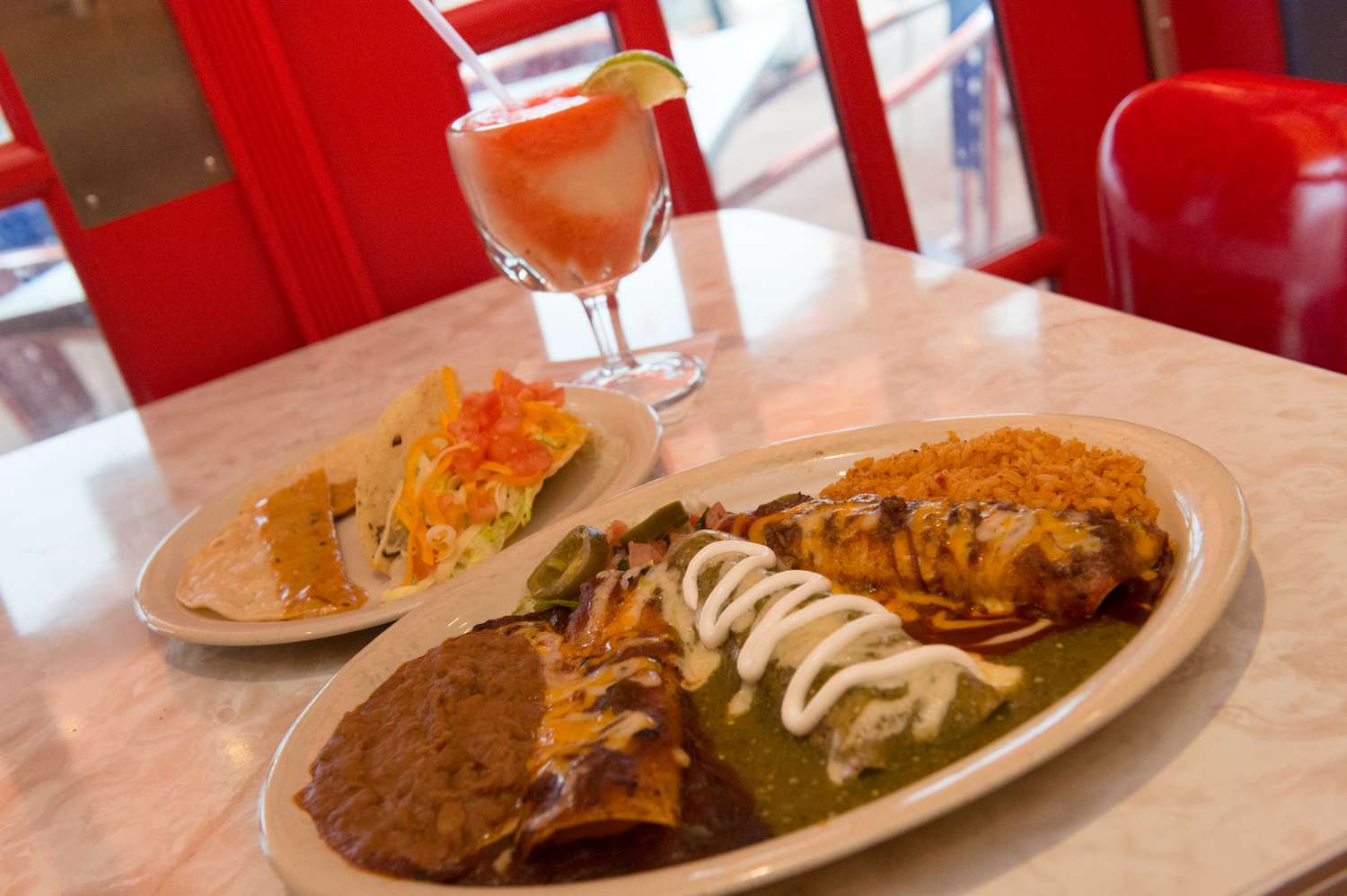
Record High Beef Prices Persist Despite Consumer Demand

- Surge in Beef Prices: Beef prices in the U.S. have reached record highs at $6.75 per pound, a nearly 13% increase from last year, driven by a shrinking cattle herd due to drought and high feed costs, indicating significant supply constraints impacting consumers.
- Strong Consumer Demand: Despite high prices, demand for steaks remains robust, particularly for premium and organic options, reflecting a willingness among consumers to pay more for quality during special occasions, which could influence future purchasing trends.
- Significant Sales Growth: According to NielsenIQ, beef sales have surged by approximately $352 million ahead of Independence Day, making it the fastest-growing food category, which highlights consumers' disciplined shopping behavior and intent during holiday periods.
- Industry Benefits: Omaha Steaks reported continued growth in its USDA-certified tender top sirloin filet, with sales up 25% in the weeks leading to Father's Day, demonstrating that even as consumers cut back elsewhere, they prioritize quality beef for gifting and special occasions.

Mizuho Analyst Defends Texas Roadhouse Amid Price Concerns
- Cost Impact Assessment: Mizuho analyst Nick Setyan firmly believes that the recent modest decline in Texas Roadhouse (TXRH) shares, amid concerns over New World Screwworm's impact on beef costs, is overstated, with no significant near-term effects expected on the company's cost of goods sold.
- Sales Growth Outlook: Channel checks by Mizuho indicate a modest upside in same-store sales growth for Texas Roadhouse, suggesting that the company remains resilient in the market and capable of withstanding external pressures.
- Profitability Forecast: Setyan highlighted that sustained beef inflation is likely to drive continued traffic outperformance for Texas Roadhouse, with EBITDA growth expected to at least meet expectations even in a lower margin scenario, showcasing the company's resilience.
- Rating and Price Target: Mizuho maintains an Outperform rating on Texas Roadhouse with a price target of $190, reflecting optimism about the company's long-term prospects despite a 4.5% decline in shares over the past six weeks.
Investment Choices in Dining: Bloomin' Brands vs. Texas Roadhouse

- Financial Health Comparison: Bloomin' Brands reported nearly $4 billion in revenue for FY 2025, an 11% decline year-over-year, with a net income of approximately $96 million, indicating significant pressure in the competitive casual dining market, particularly sensitive to beef price volatility.
- Growth Potential Analysis: Texas Roadhouse generated about $5.9 billion in revenue for FY 2025, a 9.4% increase, with a net income of $405.6 million, demonstrating its efficient operational model and strong profitability, giving it a competitive edge in the industry.
- Risk Assessment: Bloomin' Brands faces intense competition from Darden Restaurants and Brinker International, with a debt-to-equity ratio of 9.2 indicating heavy reliance on debt, which may impact future financial flexibility.
- Investment Opportunity Discussion: Despite Bloomin' Brands' forward P/E of 8.6, significantly lower than the industry average of 29.5, suggesting skepticism about its future, the rising brand trust and management's debt repayment strategy may present a buy-low opportunity for investors.
Investment Comparison: Starbucks vs Texas Roadhouse

- Starbucks Financial Performance: In FY 2025, Starbucks reported revenue of nearly $37.2 billion, a 2.8% increase year-over-year, but net income fell to approximately $1.9 billion, resulting in a net margin of 5.0%, reflecting pressures from changing consumer habits and rising operational costs.
- Texas Roadhouse Growth Momentum: Texas Roadhouse achieved revenue of about $5.9 billion in FY 2025, a 9.4% increase, with net income around $405.6 million and a net margin of 6.9%, demonstrating its ability to maintain profitability amid inflationary pressures in the food service industry.
- Risk Analysis: Starbucks faces significant risks with 74% of its revenue coming from North America, navigating labor market changes and commodity price volatility, while Texas Roadhouse's high concentration in Texas and Florida increases its sensitivity to beef cost fluctuations.
- Valuation Comparison: Texas Roadhouse's forward P/E ratio stands at 26.6x, lower than Starbucks' 39.9x, indicating it is more attractive based on traditional valuation metrics, despite both companies facing challenges from soaring commodity prices and labor competition.
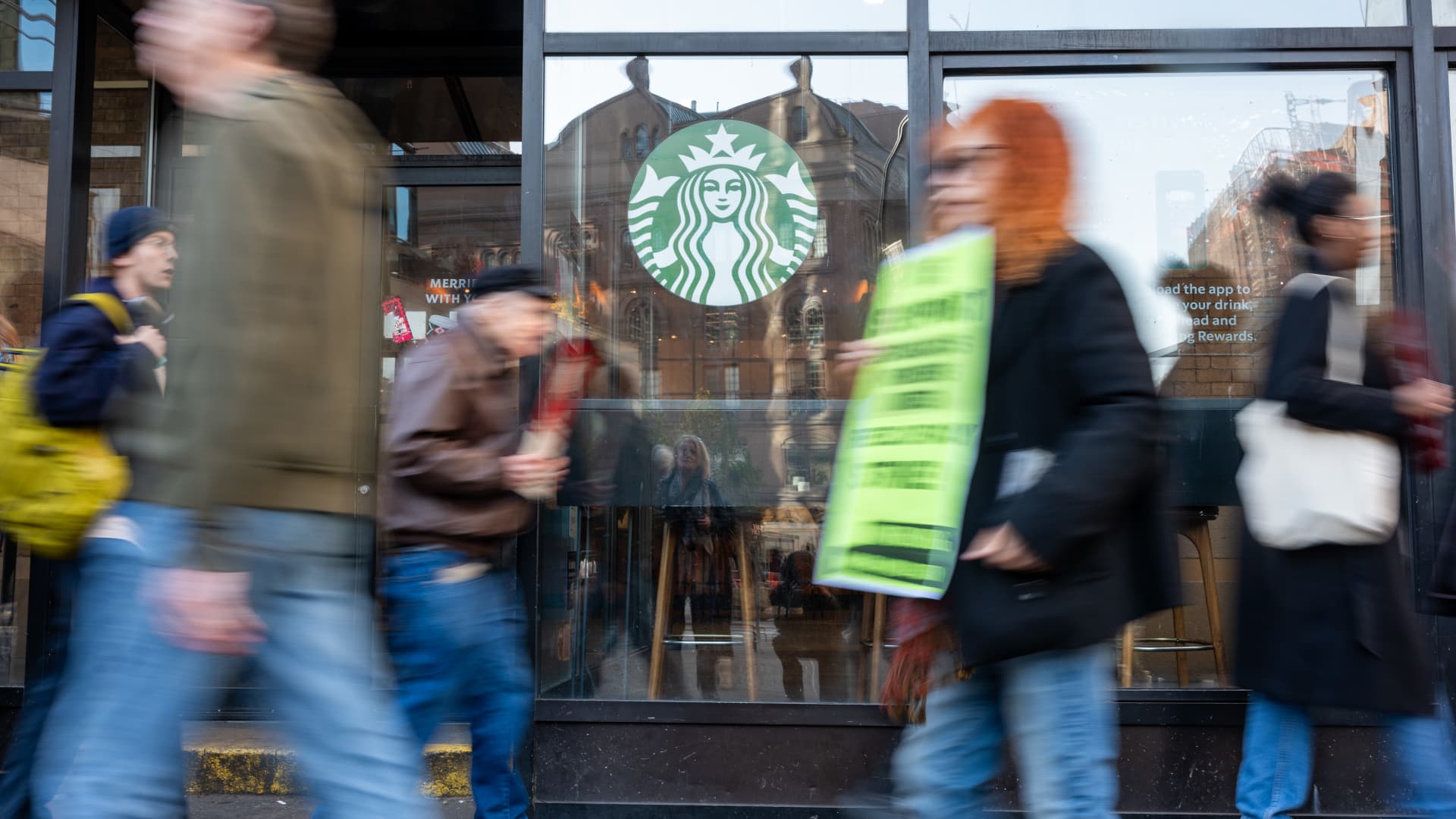
Investment Comparison: Starbucks vs. Texas Roadhouse
- Starbucks Global Presence: Starbucks operates over 40,000 stores across 78 international markets, generating nearly $37.2 billion in revenue for FY 2025, which reflects a modest 2.8% increase, yet its net income of approximately $1.9 billion and a net margin of 5% indicate pressures from rising operational costs and shifting consumer habits.
- Texas Roadhouse Strong Growth: Texas Roadhouse reported revenue of about $5.9 billion for FY 2025, marking a robust 9.4% increase, with a net income of approximately $405.6 million and a net margin of 6.9%, showcasing its ability to maintain profitability amid inflationary pressures in the food service industry.
- Financial Health Comparison: Starbucks has a debt-to-equity ratio of -3.3x, indicating liabilities exceed shareholder equity, while Texas Roadhouse's ratio stands at 1.3x, reflecting a more stable financial position; both companies have current ratios of 0.7 and 0.5 respectively, highlighting different strategies in managing short-term assets.
- Market Competition and Risks: Starbucks derives 74% of its revenue from North America, facing risks from labor market changes and commodity price volatility, whereas Texas Roadhouse's high concentration in Texas and Florida increases its sensitivity to beef costs, illustrating the distinct challenges each company faces in their market environments.

U.S. Stocks Retreat as Tech Shares Decline

- Market Retreat: The three major indexes fell on Friday due to weakness in technology stocks and rising Treasury yields, with the benchmark 10-year yield climbing to 4.58%, putting pressure on growth stocks as investors rotated between high-flying tech and lagging value stocks.
- Disappointment from U.S.-China Summit: The meeting between Trump and Xi failed to deliver major breakthroughs, particularly disappointing investors with Boeing's aircraft commitment, which fell short of the anticipated 500 planes, coming in at around 200, thus pressuring Boeing's stock.
- Volatility in Arm Holdings: Shares of Arm Holdings dropped 7% on Friday, continuing a volatile trend following its earnings report, with Jim Cramer cautioning that the market is anxious about its ability to secure sufficient manufacturing capacity at TSMC for its AGI CPU, recommending a reduction in exposure.
- Rapid Fire Stock Review: Stocks mentioned at the end of Friday's video included Applied Materials, Dexcom, and Texas Roadhouse, with Jim Cramer's charitable trust holding positions in Arm, Boeing, and Nvidia, emphasizing the importance of timely trade alerts for subscribers.
Record High Beef Prices Persist Despite Consumer Demand
- Surge in Beef Prices: Beef prices in the U.S. have reached record highs at $6.75 per pound, a nearly 13% increase from last year, driven by a shrinking cattle herd due to drought and high feed costs, indicating significant supply constraints impacting consumers.
- Strong Consumer Demand: Despite high prices, demand for steaks remains robust, particularly for premium and organic options, reflecting a willingness among consumers to pay more for quality during special occasions, which could influence future purchasing trends.
- Significant Sales Growth: According to NielsenIQ, beef sales have surged by approximately $352 million ahead of Independence Day, making it the fastest-growing food category, which highlights consumers' disciplined shopping behavior and intent during holiday periods.
- Industry Benefits: Omaha Steaks reported continued growth in its USDA-certified tender top sirloin filet, with sales up 25% in the weeks leading to Father's Day, demonstrating that even as consumers cut back elsewhere, they prioritize quality beef for gifting and special occasions.
Mizuho Analyst Defends Texas Roadhouse Amid Price Concerns
- Cost Impact Assessment: Mizuho analyst Nick Setyan firmly believes that the recent modest decline in Texas Roadhouse (TXRH) shares, amid concerns over New World Screwworm's impact on beef costs, is overstated, with no significant near-term effects expected on the company's cost of goods sold.
- Sales Growth Outlook: Channel checks by Mizuho indicate a modest upside in same-store sales growth for Texas Roadhouse, suggesting that the company remains resilient in the market and capable of withstanding external pressures.
- Profitability Forecast: Setyan highlighted that sustained beef inflation is likely to drive continued traffic outperformance for Texas Roadhouse, with EBITDA growth expected to at least meet expectations even in a lower margin scenario, showcasing the company's resilience.
- Rating and Price Target: Mizuho maintains an Outperform rating on Texas Roadhouse with a price target of $190, reflecting optimism about the company's long-term prospects despite a 4.5% decline in shares over the past six weeks.
Investment Choices in Dining: Bloomin' Brands vs. Texas Roadhouse
- Financial Health Comparison: Bloomin' Brands reported nearly $4 billion in revenue for FY 2025, an 11% decline year-over-year, with a net income of approximately $96 million, indicating significant pressure in the competitive casual dining market, particularly sensitive to beef price volatility.
- Growth Potential Analysis: Texas Roadhouse generated about $5.9 billion in revenue for FY 2025, a 9.4% increase, with a net income of $405.6 million, demonstrating its efficient operational model and strong profitability, giving it a competitive edge in the industry.
- Risk Assessment: Bloomin' Brands faces intense competition from Darden Restaurants and Brinker International, with a debt-to-equity ratio of 9.2 indicating heavy reliance on debt, which may impact future financial flexibility.
- Investment Opportunity Discussion: Despite Bloomin' Brands' forward P/E of 8.6, significantly lower than the industry average of 29.5, suggesting skepticism about its future, the rising brand trust and management's debt repayment strategy may present a buy-low opportunity for investors.
Investment Comparison: Starbucks vs Texas Roadhouse
- Starbucks Financial Performance: In FY 2025, Starbucks reported revenue of nearly $37.2 billion, a 2.8% increase year-over-year, but net income fell to approximately $1.9 billion, resulting in a net margin of 5.0%, reflecting pressures from changing consumer habits and rising operational costs.
- Texas Roadhouse Growth Momentum: Texas Roadhouse achieved revenue of about $5.9 billion in FY 2025, a 9.4% increase, with net income around $405.6 million and a net margin of 6.9%, demonstrating its ability to maintain profitability amid inflationary pressures in the food service industry.
- Risk Analysis: Starbucks faces significant risks with 74% of its revenue coming from North America, navigating labor market changes and commodity price volatility, while Texas Roadhouse's high concentration in Texas and Florida increases its sensitivity to beef cost fluctuations.
- Valuation Comparison: Texas Roadhouse's forward P/E ratio stands at 26.6x, lower than Starbucks' 39.9x, indicating it is more attractive based on traditional valuation metrics, despite both companies facing challenges from soaring commodity prices and labor competition.
Investment Comparison: Starbucks vs. Texas Roadhouse
- Starbucks Global Presence: Starbucks operates over 40,000 stores across 78 international markets, generating nearly $37.2 billion in revenue for FY 2025, which reflects a modest 2.8% increase, yet its net income of approximately $1.9 billion and a net margin of 5% indicate pressures from rising operational costs and shifting consumer habits.
- Texas Roadhouse Strong Growth: Texas Roadhouse reported revenue of about $5.9 billion for FY 2025, marking a robust 9.4% increase, with a net income of approximately $405.6 million and a net margin of 6.9%, showcasing its ability to maintain profitability amid inflationary pressures in the food service industry.
- Financial Health Comparison: Starbucks has a debt-to-equity ratio of -3.3x, indicating liabilities exceed shareholder equity, while Texas Roadhouse's ratio stands at 1.3x, reflecting a more stable financial position; both companies have current ratios of 0.7 and 0.5 respectively, highlighting different strategies in managing short-term assets.
- Market Competition and Risks: Starbucks derives 74% of its revenue from North America, facing risks from labor market changes and commodity price volatility, whereas Texas Roadhouse's high concentration in Texas and Florida increases its sensitivity to beef costs, illustrating the distinct challenges each company faces in their market environments.
U.S. Stocks Retreat as Tech Shares Decline
- Market Retreat: The three major indexes fell on Friday due to weakness in technology stocks and rising Treasury yields, with the benchmark 10-year yield climbing to 4.58%, putting pressure on growth stocks as investors rotated between high-flying tech and lagging value stocks.
- Disappointment from U.S.-China Summit: The meeting between Trump and Xi failed to deliver major breakthroughs, particularly disappointing investors with Boeing's aircraft commitment, which fell short of the anticipated 500 planes, coming in at around 200, thus pressuring Boeing's stock.
- Volatility in Arm Holdings: Shares of Arm Holdings dropped 7% on Friday, continuing a volatile trend following its earnings report, with Jim Cramer cautioning that the market is anxious about its ability to secure sufficient manufacturing capacity at TSMC for its AGI CPU, recommending a reduction in exposure.
- Rapid Fire Stock Review: Stocks mentioned at the end of Friday's video included Applied Materials, Dexcom, and Texas Roadhouse, with Jim Cramer's charitable trust holding positions in Arm, Boeing, and Nvidia, emphasizing the importance of timely trade alerts for subscribers.