Tencent Music falls amid sector rotation despite market gains
Tencent Music Entertainment Group's stock price decreased by 5.01% during regular trading, crossing below the 5-day SMA. This decline occurs despite the Nasdaq-100 rising by 0.90% and the S&P 500 gaining 0.63%, indicating a potential sector rotation as investors shift their focus away from the music streaming sector.
The stock's movement reflects a broader market trend where certain sectors are outperforming others, leading to a rotation of investments. While the overall market shows strength, Tencent Music's performance suggests that investors are reallocating their capital to sectors that are currently more favorable, such as technology or consumer discretionary.
This shift in investor sentiment could have implications for Tencent Music's future performance, as it may need to adapt to changing market dynamics and investor preferences to regain momentum.
Trade with 70% Backtested Accuracy
Analyst Views on TME

About TME
About the author

Analysts Favor Investment in China's AI Stocks


- Clear Investment Theme: Analysts agree that despite slowing economic growth in China, AI-related stocks represent the most obvious investment theme right now, with over half of the holdings in new funds focused on semiconductors and high-tech manufacturing, indicating confidence in future growth.
- Weak Consumer Performance: China's retail sales growth in April marked the lowest since the end of the pandemic, highlighting ongoing weakness in the consumer market, while tech stocks exhibit uneven performance, reflecting challenges in the overall economic environment.
- Market Dynamics Shift: In the past two months, a rotation in tech stocks has occurred, with increased investor focus on semiconductors, hard tech, and software, indicating a growing demand for these segments, particularly in the A-share market.
- Divergent Investment Strategies: Mironov holds large positions in Tencent and Alibaba, while Morgan Stanley favors AI model companies like Zhipu and MiniMax, showcasing a divergence in market views on investment strategies and perceptions of sustainable business models.

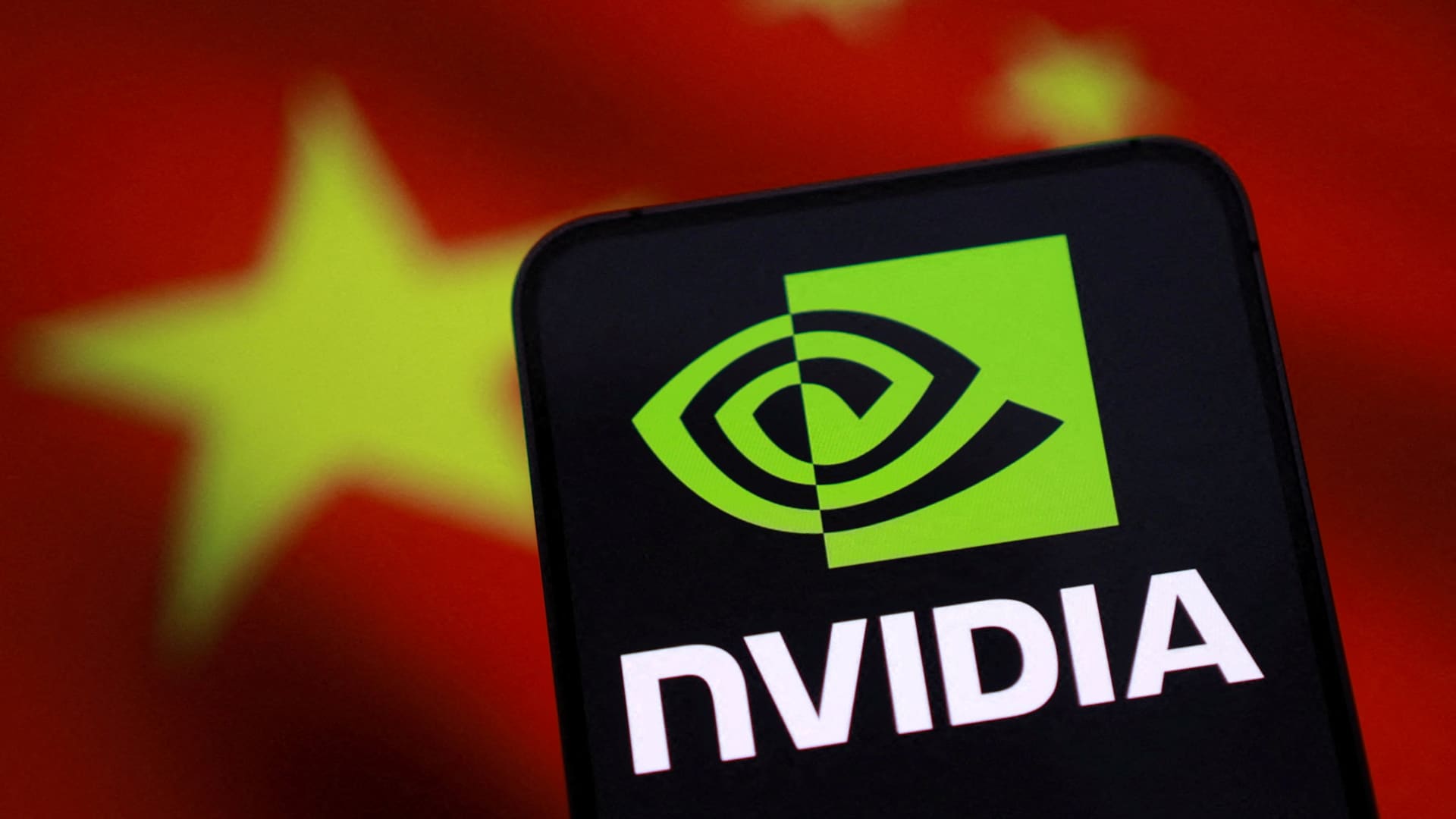
Nvidia Acknowledges Concession in China's AI Chip Market

- Market Share Loss: Nvidia CEO Jensen Huang stated that the company has 'largely conceded' the Chinese AI chip market to Huawei, as U.S. export restrictions create significant pressure, with expectations that Huawei will continue to achieve extraordinary results in the coming year.
- Strong Financial Performance: Nvidia reported a staggering 85% year-over-year revenue increase, reaching $81.62 billion compared to $44.06 billion last year, demonstrating the company's robust growth potential amid surging global AI demand.
- Buyback and Dividend Increase: Nvidia announced an $80 billion share buyback program and raised its dividend, aiming to attract investors by enhancing shareholder returns while providing funds for future expansion and supply chain support.
- Cautious Market Outlook: Huang expressed a cautious tone regarding the near-term reopening of the Chinese market, stating that investors should 'expect nothing,' although Nvidia remains eager to return should conditions improve, highlighting the importance of Chinese customers.

Tencent Music to Hold Annual Shareholders Meeting
- AGM Announcement: Tencent Music Entertainment Group will hold its annual general meeting on June 30, 2026, at 10 a.m. in Hong Kong, aimed at considering and passing resolutions outlined in the AGM Notice, reflecting the company's commitment to shareholder engagement.
- Voting Rights Clarification: Holders of ordinary shares as of May 20, 2026, are entitled to attend and vote, while ADS holders must provide voting instructions to the depositary bank through intermediaries to ensure their voting rights are exercised effectively.
- Annual Report Filing: The company has filed its annual report on Form 20-F with the SEC, including audited financial statements for the fiscal year ended December 31, 2025, enhancing transparency and compliance with regulatory standards.
- Platform Features Overview: As China's leading online music platform, Tencent Music operates popular apps like QQ Music, Kugou Music, Kuwo Music, and WeSing, aiming to create endless possibilities through music and technology, thereby solidifying its market leadership.

Tencent Music to Hold 2026 Annual General Meeting
- AGM Announcement: Tencent Music Entertainment Group has announced that it will hold its annual general meeting on June 30, 2026, at 10 a.m. in Hong Kong, aimed at considering and passing resolutions outlined in the AGM notice, reflecting the company's commitment to shareholder engagement.
- Voting Rights Clarification: Holders of ordinary shares as of May 20, 2026, are entitled to attend and vote, while ADS holders must provide voting instructions to the depositary bank through intermediaries, ensuring that shareholder voting rights are protected.
- Annual Report Filing: The company has filed its annual report on Form 20-F with the SEC, including audited financial statements for the fiscal year ended December 31, 2025, enhancing transparency and compliance with regulatory requirements, thereby boosting investor confidence.
- Platform Mission Statement: Tencent Music aims to create endless possibilities through music and technology, operating several popular music apps, which underscores its leadership position in China's online music and audio entertainment market.

Positive Outlook for Chinese Tech Stocks Amid Easing Tensions
- AI Ecosystem Development: According to UBS, China is building its own AI ecosystem similar to the U.S., which will create numerous investment opportunities for domestic companies, indicating a vast market potential.
- Strong Tech Earnings: Baidu reported a 49% year-on-year revenue increase in its AI business, reaching 13.6 billion yuan (approximately $2 billion), showcasing robust performance in cloud computing and boosting investor confidence.
- Attractive Valuations: UBS highlights that Hong Kong-listed Chinese tech stocks are relatively cheaper, prompting investors to increase their allocation to H-shares, especially given the higher valuations in the A-share market.
- Capital Flow Trends: As investors shift from low-yielding bank deposits to equities in search of higher dividends, financial and commodity-linked sectors are also viewed positively, with expectations of benefiting from rising raw material prices.

Home Depot, Lululemon, Tencent Music Shares Slide Amid Growth Concerns


- Home Depot Challenges: Home Depot's stock hit a one-year low as analysts cut the price target to $375, reflecting concerns over weakening consumer demand and a sluggish housing market, which are expected to negatively impact future performance.
- Lululemon Growth Slowdown: Lululemon's stock further declined due to slowing growth in North America, with shares down over 60% in the past year, as analysts express concerns over product innovation and competitive pressures that may affect the brand's long-term prospects.
- Tencent Music Faces Competition: Tencent Music's stock came under pressure due to intensified competition in China's streaming market, with analysts lowering the price target to $18, indicating that ongoing pressure from rivals will impact the company's near-term performance.
- Overall Market Sentiment Weakens: Home Depot, Lululemon, and Tencent Music all traded at 52-week lows, reflecting diminished investor confidence in companies tied to discretionary consumer spending, although overall retail sentiment remains in the 'bullish' territory.
Analysts Favor Investment in China's AI Stocks
- Clear Investment Theme: Analysts agree that despite slowing economic growth in China, AI-related stocks represent the most obvious investment theme right now, with over half of the holdings in new funds focused on semiconductors and high-tech manufacturing, indicating confidence in future growth.
- Weak Consumer Performance: China's retail sales growth in April marked the lowest since the end of the pandemic, highlighting ongoing weakness in the consumer market, while tech stocks exhibit uneven performance, reflecting challenges in the overall economic environment.
- Market Dynamics Shift: In the past two months, a rotation in tech stocks has occurred, with increased investor focus on semiconductors, hard tech, and software, indicating a growing demand for these segments, particularly in the A-share market.
- Divergent Investment Strategies: Mironov holds large positions in Tencent and Alibaba, while Morgan Stanley favors AI model companies like Zhipu and MiniMax, showcasing a divergence in market views on investment strategies and perceptions of sustainable business models.
Nvidia Acknowledges Concession in China's AI Chip Market
- Market Share Loss: Nvidia CEO Jensen Huang stated that the company has 'largely conceded' the Chinese AI chip market to Huawei, as U.S. export restrictions create significant pressure, with expectations that Huawei will continue to achieve extraordinary results in the coming year.
- Strong Financial Performance: Nvidia reported a staggering 85% year-over-year revenue increase, reaching $81.62 billion compared to $44.06 billion last year, demonstrating the company's robust growth potential amid surging global AI demand.
- Buyback and Dividend Increase: Nvidia announced an $80 billion share buyback program and raised its dividend, aiming to attract investors by enhancing shareholder returns while providing funds for future expansion and supply chain support.
- Cautious Market Outlook: Huang expressed a cautious tone regarding the near-term reopening of the Chinese market, stating that investors should 'expect nothing,' although Nvidia remains eager to return should conditions improve, highlighting the importance of Chinese customers.
Tencent Music to Hold Annual Shareholders Meeting
- AGM Announcement: Tencent Music Entertainment Group will hold its annual general meeting on June 30, 2026, at 10 a.m. in Hong Kong, aimed at considering and passing resolutions outlined in the AGM Notice, reflecting the company's commitment to shareholder engagement.
- Voting Rights Clarification: Holders of ordinary shares as of May 20, 2026, are entitled to attend and vote, while ADS holders must provide voting instructions to the depositary bank through intermediaries to ensure their voting rights are exercised effectively.
- Annual Report Filing: The company has filed its annual report on Form 20-F with the SEC, including audited financial statements for the fiscal year ended December 31, 2025, enhancing transparency and compliance with regulatory standards.
- Platform Features Overview: As China's leading online music platform, Tencent Music operates popular apps like QQ Music, Kugou Music, Kuwo Music, and WeSing, aiming to create endless possibilities through music and technology, thereby solidifying its market leadership.
Tencent Music to Hold 2026 Annual General Meeting
- AGM Announcement: Tencent Music Entertainment Group has announced that it will hold its annual general meeting on June 30, 2026, at 10 a.m. in Hong Kong, aimed at considering and passing resolutions outlined in the AGM notice, reflecting the company's commitment to shareholder engagement.
- Voting Rights Clarification: Holders of ordinary shares as of May 20, 2026, are entitled to attend and vote, while ADS holders must provide voting instructions to the depositary bank through intermediaries, ensuring that shareholder voting rights are protected.
- Annual Report Filing: The company has filed its annual report on Form 20-F with the SEC, including audited financial statements for the fiscal year ended December 31, 2025, enhancing transparency and compliance with regulatory requirements, thereby boosting investor confidence.
- Platform Mission Statement: Tencent Music aims to create endless possibilities through music and technology, operating several popular music apps, which underscores its leadership position in China's online music and audio entertainment market.
Positive Outlook for Chinese Tech Stocks Amid Easing Tensions
- AI Ecosystem Development: According to UBS, China is building its own AI ecosystem similar to the U.S., which will create numerous investment opportunities for domestic companies, indicating a vast market potential.
- Strong Tech Earnings: Baidu reported a 49% year-on-year revenue increase in its AI business, reaching 13.6 billion yuan (approximately $2 billion), showcasing robust performance in cloud computing and boosting investor confidence.
- Attractive Valuations: UBS highlights that Hong Kong-listed Chinese tech stocks are relatively cheaper, prompting investors to increase their allocation to H-shares, especially given the higher valuations in the A-share market.
- Capital Flow Trends: As investors shift from low-yielding bank deposits to equities in search of higher dividends, financial and commodity-linked sectors are also viewed positively, with expectations of benefiting from rising raw material prices.
Home Depot, Lululemon, Tencent Music Shares Slide Amid Growth Concerns
- Home Depot Challenges: Home Depot's stock hit a one-year low as analysts cut the price target to $375, reflecting concerns over weakening consumer demand and a sluggish housing market, which are expected to negatively impact future performance.
- Lululemon Growth Slowdown: Lululemon's stock further declined due to slowing growth in North America, with shares down over 60% in the past year, as analysts express concerns over product innovation and competitive pressures that may affect the brand's long-term prospects.
- Tencent Music Faces Competition: Tencent Music's stock came under pressure due to intensified competition in China's streaming market, with analysts lowering the price target to $18, indicating that ongoing pressure from rivals will impact the company's near-term performance.
- Overall Market Sentiment Weakens: Home Depot, Lululemon, and Tencent Music all traded at 52-week lows, reflecting diminished investor confidence in companies tied to discretionary consumer spending, although overall retail sentiment remains in the 'bullish' territory.