Synchrony Financial Renews Partnership with Polaris for Financing Solutions
Synchrony Financial's stock fell 5.78% as it crossed below the 5-day SMA, reflecting broader market weakness with the Nasdaq-100 down 0.77% and the S&P 500 down 0.93%.
The decline occurred despite Synchrony renewing its nearly 20-year financing partnership with Polaris, which will continue to provide customized financing options for Polaris buyers. This partnership aims to enhance dealer customer service capabilities and improve consumer financing experiences through advanced credit assessment tools. The collaboration is expected to drive growth for both companies in the evolving powersports market.
This partnership renewal highlights Synchrony's commitment to innovative financing solutions, which could position the company favorably in the market. However, the stock's decline suggests that broader market conditions are currently overshadowing this positive development.
Trade with 70% Backtested Accuracy
Analyst Views on SYF

About SYF
About the author


U.S. Treasury Yields Surge Amid Inflation Pressures


- Yield Surge: U.S. Treasury yields rose sharply on Friday morning, with borrowing costs nearing one-year highs, reflecting investor reactions to persistent inflation pressures and rising energy prices, which may lead to increased market volatility.
- Interest Rate Sensitive Stocks: According to Seeking Alpha's Quant Ratings, Sezzle Inc. (SEZL) tops the list with a rating of 4.91 and an impressive YTD performance of 62.96%, indicating that certain stocks can still achieve significant growth in a high-rate environment.
- Competitor Analysis: Block, Inc. (XYZ) and Shinhan Financial Group Co., Ltd. (SHG) follow closely with ratings of 4.82 and 4.74, respectively, while Interactive Brokers Group, Inc. (IBKR) shows strong YTD gains of 37.27%, suggesting continued market confidence in these companies.
- Quant Rating System: Seeking Alpha's Quant Rating system evaluates stocks based on critical metrics such as valuation, growth, stock momentum, and profitability, with ratings ranging from 1 to 5, where scores above 3.5 indicate bullish sentiment, reflecting market preference for high-rated stocks.

Financial Stocks Advance in Late Wednesday Trading

- Financial Stocks Rally: Financial stocks showed an upward trend in late Wednesday trading, indicating a gradual recovery of market confidence in the financial sector, which could lead to higher stock prices for related companies.
- Improved Market Sentiment: Increased investor interest in financial stocks may stem from optimistic expectations regarding economic recovery, further enhancing overall market activity and promoting capital inflow into the financial sector.
- Rising Trading Volume: As financial stocks advanced, trading volume also increased, reflecting heightened investor attention towards the financial industry, which may lead to intensified price volatility in the short term.
- Optimistic Industry Outlook: The rise in financial stocks may signal increased investor confidence in future economic growth, particularly against the backdrop of improving interest rate policies and economic indicators, potentially attracting more investors to the market.

Analysis of Investment Opportunities in Dividend Stocks

- Dividend Growth Potential: Trivariate Research highlights that the median dividend growth rate among 479 large-cap stocks is 5% annually, with these stocks outperforming the top 700 equities over both 25-year and 5-year periods, underscoring the significance of dividends as a durable return factor.
- Low Payout Ratio Advantage: The study found that stocks in the lowest payout ratio quintiles performed best over the past five years, particularly those with cash to market cap above 25%, as they significantly outperform others when increasing dividends, reflecting strong financial health.
- Synchrony Financial's Dividend Increase: Synchrony Financial announced a 13% dividend increase to $0.34 per share and a share repurchase program of up to $6.5 billion, demonstrating confidence in long-term shareholder value, despite its stock being down nearly 11% year to date.
- Travelers Insurance's Sustained Growth: Travelers Insurance declared a 14% increase in its quarterly dividend to $1.25 per share, marking its 22nd consecutive year of increases with an 8% compound annual growth rate, showcasing its ability to deliver industry-leading returns with low volatility.
Launch of MyLowe's Pro Rewards Card
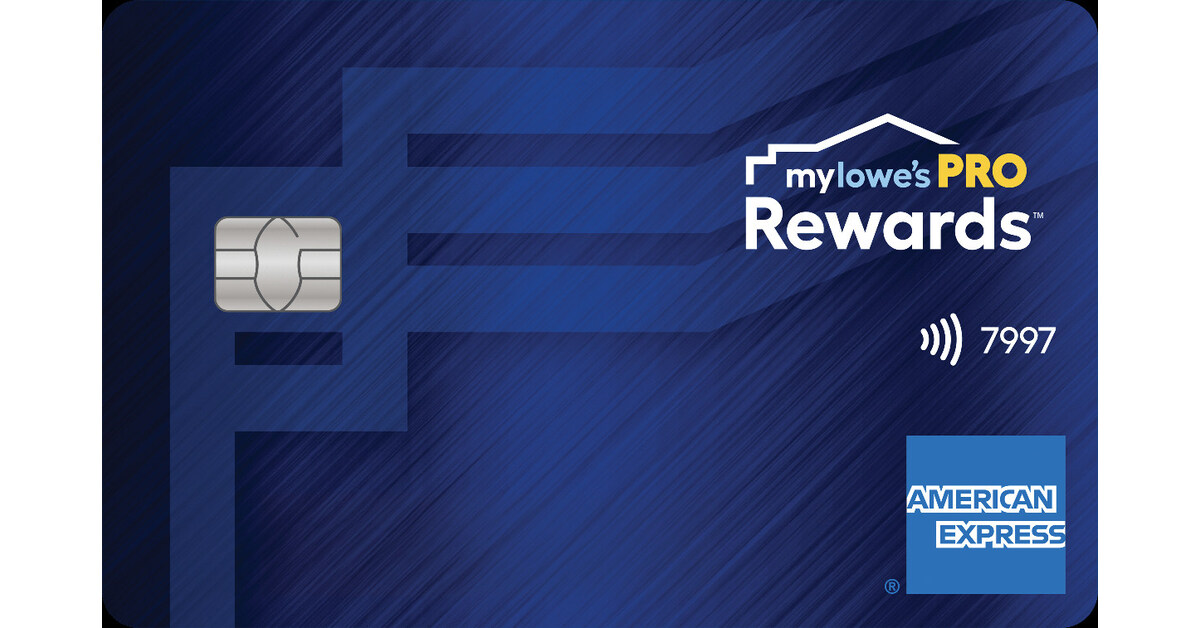
- Partnership Expansion: Synchrony has expanded its partnership with Lowe's by launching the MyLowe's Pro Rewards American Express® Card, aimed at providing professional customers with broader spending rewards and flexible financing options, thereby enhancing customer purchasing power and loyalty.
- Versatile Usage: The new card can be used not only at Lowe's stores but also anywhere American Express is accepted, which is expected to significantly enhance the convenience of spending and rewards earning potential for professional customers, further boosting Lowe's competitiveness in the professional market.
- Simplified Application: Professional customers can apply for the new card through Lowe's website or in-store, streamlining the application process and improving customer experience, which is anticipated to attract more small and medium-sized business clients and increase Lowe's market share.
- Reward Mechanism: The card offers MyLowe's Pro rewards points with an annual spending cap of $1.5 million, designed to meet the needs of professional customers who rely on Lowe's by providing tangible everyday value, thereby further solidifying Lowe's leadership position in the industry.

Launch of MyLowe's Pro Rewards Card
- New Card Launch: Synchrony has partnered with Lowe's to introduce the MyLowe's Pro Rewards American Express® Card, designed to help professional customers maximize rewards and savings at Lowe's and beyond, thereby enhancing purchasing power.
- No Annual Fee Benefit: The new card offers MyLowe's Pro rewards points with no annual fee, attracting more small to medium-sized business customers, which is expected to boost customer loyalty and purchase frequency.
- Enhanced Application Convenience: Customers can apply for the new card in Lowe's stores or online, streamlining the application process, which is anticipated to accelerate purchasing decisions and increase overall sales.
- Deepened Strategic Partnership: This collaboration with American Express not only strengthens Lowe's financial product offerings but also meets the diverse needs of professional customers through flexible financing options, further solidifying Lowe's leadership position in the home improvement market.

Federal Reserve Holds Rates Steady, Some Banks Cut Yields


- Stable Rate Policy: The Federal Reserve's decision to maintain the federal funds rate between 3.5%-3.75% is generally positive for savers; however, some banks have still lowered their high-yield savings account rates, indicating competitive pressures in the market.
- Yield Cuts by Banks: According to a BTIG report, three major banks—Capital One, Synchrony, and Marcus by Goldman Sachs—have recently reduced their annual percentage yields, following a cut by Ally Financial, reflecting adjustments in banking strategies under yield pressure.
- Shifting Market Expectations: While analysts believe the Fed will not cut rates, bank earnings reports indicate robust consumer spending and lending in the U.S., suggesting that growth expectations remain intact, which could influence future rate decisions.
- Deposit Product Yield Comparison: Despite some banks lowering rates, Bread Financial and LendingClub maintain a 4% yield, but they are expected to follow suit with cuts, highlighting the ongoing competition for high-yield deposit products in the market.
U.S. Treasury Yields Surge Amid Inflation Pressures
- Yield Surge: U.S. Treasury yields rose sharply on Friday morning, with borrowing costs nearing one-year highs, reflecting investor reactions to persistent inflation pressures and rising energy prices, which may lead to increased market volatility.
- Interest Rate Sensitive Stocks: According to Seeking Alpha's Quant Ratings, Sezzle Inc. (SEZL) tops the list with a rating of 4.91 and an impressive YTD performance of 62.96%, indicating that certain stocks can still achieve significant growth in a high-rate environment.
- Competitor Analysis: Block, Inc. (XYZ) and Shinhan Financial Group Co., Ltd. (SHG) follow closely with ratings of 4.82 and 4.74, respectively, while Interactive Brokers Group, Inc. (IBKR) shows strong YTD gains of 37.27%, suggesting continued market confidence in these companies.
- Quant Rating System: Seeking Alpha's Quant Rating system evaluates stocks based on critical metrics such as valuation, growth, stock momentum, and profitability, with ratings ranging from 1 to 5, where scores above 3.5 indicate bullish sentiment, reflecting market preference for high-rated stocks.
Financial Stocks Advance in Late Wednesday Trading
- Financial Stocks Rally: Financial stocks showed an upward trend in late Wednesday trading, indicating a gradual recovery of market confidence in the financial sector, which could lead to higher stock prices for related companies.
- Improved Market Sentiment: Increased investor interest in financial stocks may stem from optimistic expectations regarding economic recovery, further enhancing overall market activity and promoting capital inflow into the financial sector.
- Rising Trading Volume: As financial stocks advanced, trading volume also increased, reflecting heightened investor attention towards the financial industry, which may lead to intensified price volatility in the short term.
- Optimistic Industry Outlook: The rise in financial stocks may signal increased investor confidence in future economic growth, particularly against the backdrop of improving interest rate policies and economic indicators, potentially attracting more investors to the market.
Analysis of Investment Opportunities in Dividend Stocks
- Dividend Growth Potential: Trivariate Research highlights that the median dividend growth rate among 479 large-cap stocks is 5% annually, with these stocks outperforming the top 700 equities over both 25-year and 5-year periods, underscoring the significance of dividends as a durable return factor.
- Low Payout Ratio Advantage: The study found that stocks in the lowest payout ratio quintiles performed best over the past five years, particularly those with cash to market cap above 25%, as they significantly outperform others when increasing dividends, reflecting strong financial health.
- Synchrony Financial's Dividend Increase: Synchrony Financial announced a 13% dividend increase to $0.34 per share and a share repurchase program of up to $6.5 billion, demonstrating confidence in long-term shareholder value, despite its stock being down nearly 11% year to date.
- Travelers Insurance's Sustained Growth: Travelers Insurance declared a 14% increase in its quarterly dividend to $1.25 per share, marking its 22nd consecutive year of increases with an 8% compound annual growth rate, showcasing its ability to deliver industry-leading returns with low volatility.
Launch of MyLowe's Pro Rewards Card
- Partnership Expansion: Synchrony has expanded its partnership with Lowe's by launching the MyLowe's Pro Rewards American Express® Card, aimed at providing professional customers with broader spending rewards and flexible financing options, thereby enhancing customer purchasing power and loyalty.
- Versatile Usage: The new card can be used not only at Lowe's stores but also anywhere American Express is accepted, which is expected to significantly enhance the convenience of spending and rewards earning potential for professional customers, further boosting Lowe's competitiveness in the professional market.
- Simplified Application: Professional customers can apply for the new card through Lowe's website or in-store, streamlining the application process and improving customer experience, which is anticipated to attract more small and medium-sized business clients and increase Lowe's market share.
- Reward Mechanism: The card offers MyLowe's Pro rewards points with an annual spending cap of $1.5 million, designed to meet the needs of professional customers who rely on Lowe's by providing tangible everyday value, thereby further solidifying Lowe's leadership position in the industry.
Launch of MyLowe's Pro Rewards Card
- New Card Launch: Synchrony has partnered with Lowe's to introduce the MyLowe's Pro Rewards American Express® Card, designed to help professional customers maximize rewards and savings at Lowe's and beyond, thereby enhancing purchasing power.
- No Annual Fee Benefit: The new card offers MyLowe's Pro rewards points with no annual fee, attracting more small to medium-sized business customers, which is expected to boost customer loyalty and purchase frequency.
- Enhanced Application Convenience: Customers can apply for the new card in Lowe's stores or online, streamlining the application process, which is anticipated to accelerate purchasing decisions and increase overall sales.
- Deepened Strategic Partnership: This collaboration with American Express not only strengthens Lowe's financial product offerings but also meets the diverse needs of professional customers through flexible financing options, further solidifying Lowe's leadership position in the home improvement market.
Federal Reserve Holds Rates Steady, Some Banks Cut Yields
- Stable Rate Policy: The Federal Reserve's decision to maintain the federal funds rate between 3.5%-3.75% is generally positive for savers; however, some banks have still lowered their high-yield savings account rates, indicating competitive pressures in the market.
- Yield Cuts by Banks: According to a BTIG report, three major banks—Capital One, Synchrony, and Marcus by Goldman Sachs—have recently reduced their annual percentage yields, following a cut by Ally Financial, reflecting adjustments in banking strategies under yield pressure.
- Shifting Market Expectations: While analysts believe the Fed will not cut rates, bank earnings reports indicate robust consumer spending and lending in the U.S., suggesting that growth expectations remain intact, which could influence future rate decisions.
- Deposit Product Yield Comparison: Despite some banks lowering rates, Bread Financial and LendingClub maintain a 4% yield, but they are expected to follow suit with cuts, highlighting the ongoing competition for high-yield deposit products in the market.