Seagate Technology Faces Decline Amid Broader Market Weakness
Seagate Technology Holdings PLC's stock has fallen 4.15%, hitting a 20-day low, as the broader market experiences declines with the Nasdaq-100 down 0.72% and the S&P 500 down 0.67%.
Despite Seagate's strong performance in the AI infrastructure market, reporting a 21.5% revenue increase and a 53% rise in earnings per share, the stock is affected by sector rotation as investors react to negative market sentiment driven by geopolitical tensions and a pessimistic outlook for the smartphone market. This context has overshadowed Seagate's positive growth prospects, leading to a decline in its stock price.
The implications of this stock movement suggest that while Seagate has strong fundamentals, external market pressures can significantly impact stock performance. Investors may need to consider the broader economic environment when evaluating Seagate's growth potential.
Trade with 70% Backtested Accuracy
Analyst Views on STX

About STX
About the author


US Stocks Plummet as Oil Prices Surge


- Oil Price Surge: Crude oil prices soared over 13% as President Trump took a tougher stance on Iran, reaching a 3.5-week high, which not only heightened inflation fears but also pushed bond yields higher, with the 10-year T-note yield rising by 2 basis points to 4.34%.
- Unemployment Claims Drop: Weekly initial unemployment claims unexpectedly fell by 9,000 to 202,000, indicating a stronger labor market than the anticipated increase to 212,000, which could provide support for the stock market amid rising inflation concerns.
- Global Market Decline: Overseas stock markets are lower, with the Euro Stoxx 50 down 2.25%, China's Shanghai Composite down 0.74%, and Japan's Nikkei 225 sharply falling 2.38% from a two-week high, reflecting global economic uncertainty and investor caution.
- Airline Stocks Plummet: Airline stocks are sharply lower as crude oil prices surged over 10%, raising fuel costs; United Airlines and American Airlines Group both fell more than 6%, highlighting the direct impact of rising oil prices on airline profitability.
Tesla's Deliveries Fall Short of Expectations, Shares Drop

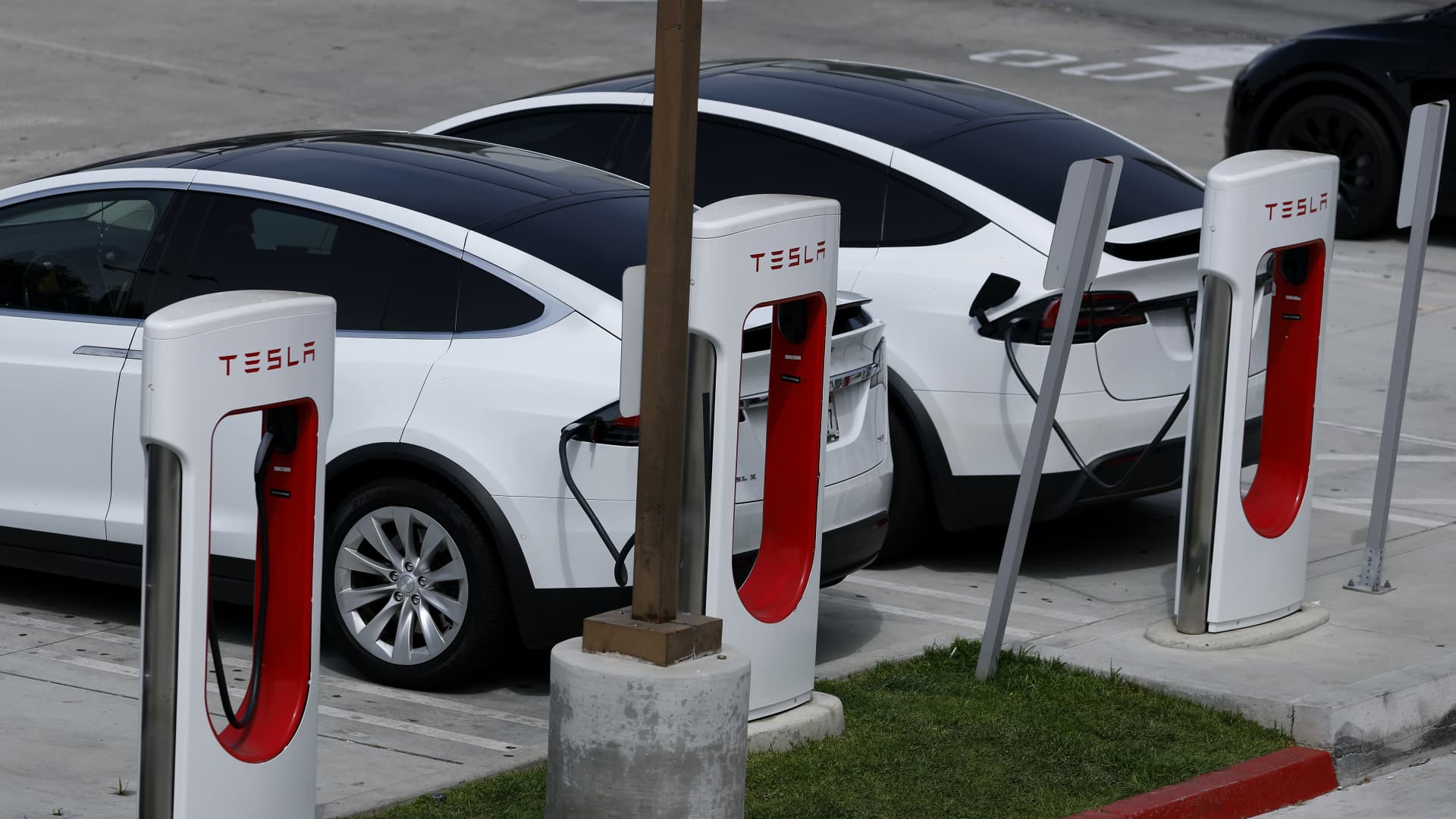
- Tesla Delivery Decline: Tesla reported first-quarter deliveries of 358,000 vehicles, a 14% drop from the previous quarter and below the expected 370,000, leading to a 4% decline in stock price, indicating market concerns over its growth outlook.
- Nike's Bleak Sales Outlook: Nike anticipates a 20% decline in sales in China for the current quarter, resulting in a more than 2% drop in stock price, highlighting increasing challenges the company faces in the global market that could impact future profitability.
- Globalstar Stock Surge: Globalstar shares rose 9% following reports that Amazon is in talks to acquire the company, although Amazon declined to comment, the optimism surrounding the potential acquisition boosted the stock price significantly.
- Penguin Solutions Earnings Beat: Penguin Solutions reported adjusted earnings of 52 cents per share, exceeding the analyst consensus of 42 cents, with revenue of $343 million surpassing expectations, reflecting strong performance in the computing and memory markets, resulting in a 13% stock price increase.

US Stocks Close Higher Amid Optimism Over Middle East Conflict Resolution
- Market Rally: The S&P 500 rose by 0.72%, the Dow Jones increased by 0.48%, and the Nasdaq 100 climbed by 1.18%, reflecting growing investor optimism regarding a potential resolution to the Middle East conflict, which has bolstered market confidence.
- Strong Economic Data: The US ADP employment change for March increased by 62,000, surpassing expectations of 40,000, while February retail sales rose by 0.6% month-over-month, indicating robust economic recovery that could influence Federal Reserve policy decisions.
- Interest Rate Expectations: Despite positive economic indicators, hawkish comments from St. Louis Fed President raised concerns about inflation and employment, leading to a mere 1% chance of a 25 basis point rate hike at the upcoming April FOMC meeting, reflecting cautious market sentiment.
- Divergent Stock Performances: Target Hospitality surged over 36% after securing a multi-year contract worth over $550 million, while Nike fell more than 15% due to revenue forecasts indicating a decline, highlighting the market's varied outlook on different companies' futures.
US Stocks Rise on Optimism Over Middle East Conflict Resolution
- Market Rally: The S&P 500 Index rose by 0.97%, the Dow Jones Industrial Average by 0.86%, and the Nasdaq 100 by 1.45%, reflecting growing investor confidence amid optimism that the Middle East conflict may soon conclude, which could stabilize global markets.
- Strong Economic Data: The US ADP employment change for March increased by 62,000, surpassing expectations of 40,000, while February retail sales rose by 0.6% month-over-month, indicating robust economic recovery that may influence Federal Reserve policy decisions.
- Interest Rate Outlook: Despite a mere 1% chance of a 25 basis point rate hike at the upcoming FOMC meeting, hawkish comments from St. Louis Fed President raised concerns about inflation and employment risks, potentially affecting investor sentiment and market dynamics.
- Divergent Stock Performances: Target Hospitality surged by over 37% after securing a multi-year contract worth over $550 million, while Nike fell by more than 13% due to revenue forecasts indicating a decline, highlighting varied market reactions to company-specific news.

Eli Lilly Gains FDA Approval, Shares Rise


- FDA Drug Approval: Eli Lilly's once-daily GLP-1 pill Foundayo received FDA approval, leading to a 4% rise in shares, which will enhance the company's competitive edge in the obesity treatment market and drive future sales growth.
- Cybersecurity Incident Impact: Hasbro's shares fell over 4% due to a cybersecurity incident involving unauthorized network access, with the company investigating the full impact and implementing protective measures, potentially increasing operational costs in the short term.
- Tobacco Product Delay: Philip Morris International's shares dropped more than 5% after the FDA delayed authorization for nicotine pouch sales, which may hinder the company's future market expansion plans, particularly among new user demographics.
- Semiconductor Buyback Plan: Intel announced a $14.2 billion buyback of a 49% stake in its Ireland Fab 34 joint venture, resulting in a 9% increase in shares, with funding sourced from cash on hand and approximately $6.5 billion in new debt, expected to strengthen its position in the global semiconductor market.
US Stocks Rise on Optimism Over Middle East Conflict Resolution


- Market Optimism: The S&P 500 index rose by 0.52%, the Dow Jones Industrial Average by 0.43%, and the Nasdaq 100 by 0.68%, reflecting investor optimism regarding a potential resolution to the Middle East conflict, which has fueled a continuation of Tuesday's strong rally.
- Strong Economic Data: The US ADP employment change for March increased by 62,000, surpassing expectations of 40,000, while February retail sales rose by 0.6% month-over-month, exceeding the anticipated 0.5%, bolstering market confidence in economic recovery and potentially influencing future monetary policy.
- Interest Rate Expectations: Despite hawkish comments from the St. Louis Fed President putting pressure on stocks, the market is still pricing in only a 1% chance of a 25 basis point rate hike at the upcoming FOMC meeting on April 28-29, indicating a cautious optimism regarding economic growth.
- Notable Stock Performances: Target Hospitality's stock surged over 28% after securing a multi-year contract worth over $550 million, while nCino's forecast of $569 million to $573 million in subscription revenue for 2027 exceeded market expectations, highlighting strong demand in the tech and service sectors.
US Stocks Plummet as Oil Prices Surge
- Oil Price Surge: Crude oil prices soared over 13% as President Trump took a tougher stance on Iran, reaching a 3.5-week high, which not only heightened inflation fears but also pushed bond yields higher, with the 10-year T-note yield rising by 2 basis points to 4.34%.
- Unemployment Claims Drop: Weekly initial unemployment claims unexpectedly fell by 9,000 to 202,000, indicating a stronger labor market than the anticipated increase to 212,000, which could provide support for the stock market amid rising inflation concerns.
- Global Market Decline: Overseas stock markets are lower, with the Euro Stoxx 50 down 2.25%, China's Shanghai Composite down 0.74%, and Japan's Nikkei 225 sharply falling 2.38% from a two-week high, reflecting global economic uncertainty and investor caution.
- Airline Stocks Plummet: Airline stocks are sharply lower as crude oil prices surged over 10%, raising fuel costs; United Airlines and American Airlines Group both fell more than 6%, highlighting the direct impact of rising oil prices on airline profitability.
Tesla's Deliveries Fall Short of Expectations, Shares Drop
- Tesla Delivery Decline: Tesla reported first-quarter deliveries of 358,000 vehicles, a 14% drop from the previous quarter and below the expected 370,000, leading to a 4% decline in stock price, indicating market concerns over its growth outlook.
- Nike's Bleak Sales Outlook: Nike anticipates a 20% decline in sales in China for the current quarter, resulting in a more than 2% drop in stock price, highlighting increasing challenges the company faces in the global market that could impact future profitability.
- Globalstar Stock Surge: Globalstar shares rose 9% following reports that Amazon is in talks to acquire the company, although Amazon declined to comment, the optimism surrounding the potential acquisition boosted the stock price significantly.
- Penguin Solutions Earnings Beat: Penguin Solutions reported adjusted earnings of 52 cents per share, exceeding the analyst consensus of 42 cents, with revenue of $343 million surpassing expectations, reflecting strong performance in the computing and memory markets, resulting in a 13% stock price increase.
US Stocks Close Higher Amid Optimism Over Middle East Conflict Resolution
- Market Rally: The S&P 500 rose by 0.72%, the Dow Jones increased by 0.48%, and the Nasdaq 100 climbed by 1.18%, reflecting growing investor optimism regarding a potential resolution to the Middle East conflict, which has bolstered market confidence.
- Strong Economic Data: The US ADP employment change for March increased by 62,000, surpassing expectations of 40,000, while February retail sales rose by 0.6% month-over-month, indicating robust economic recovery that could influence Federal Reserve policy decisions.
- Interest Rate Expectations: Despite positive economic indicators, hawkish comments from St. Louis Fed President raised concerns about inflation and employment, leading to a mere 1% chance of a 25 basis point rate hike at the upcoming April FOMC meeting, reflecting cautious market sentiment.
- Divergent Stock Performances: Target Hospitality surged over 36% after securing a multi-year contract worth over $550 million, while Nike fell more than 15% due to revenue forecasts indicating a decline, highlighting the market's varied outlook on different companies' futures.
US Stocks Rise on Optimism Over Middle East Conflict Resolution
- Market Rally: The S&P 500 Index rose by 0.97%, the Dow Jones Industrial Average by 0.86%, and the Nasdaq 100 by 1.45%, reflecting growing investor confidence amid optimism that the Middle East conflict may soon conclude, which could stabilize global markets.
- Strong Economic Data: The US ADP employment change for March increased by 62,000, surpassing expectations of 40,000, while February retail sales rose by 0.6% month-over-month, indicating robust economic recovery that may influence Federal Reserve policy decisions.
- Interest Rate Outlook: Despite a mere 1% chance of a 25 basis point rate hike at the upcoming FOMC meeting, hawkish comments from St. Louis Fed President raised concerns about inflation and employment risks, potentially affecting investor sentiment and market dynamics.
- Divergent Stock Performances: Target Hospitality surged by over 37% after securing a multi-year contract worth over $550 million, while Nike fell by more than 13% due to revenue forecasts indicating a decline, highlighting varied market reactions to company-specific news.
Eli Lilly Gains FDA Approval, Shares Rise
- FDA Drug Approval: Eli Lilly's once-daily GLP-1 pill Foundayo received FDA approval, leading to a 4% rise in shares, which will enhance the company's competitive edge in the obesity treatment market and drive future sales growth.
- Cybersecurity Incident Impact: Hasbro's shares fell over 4% due to a cybersecurity incident involving unauthorized network access, with the company investigating the full impact and implementing protective measures, potentially increasing operational costs in the short term.
- Tobacco Product Delay: Philip Morris International's shares dropped more than 5% after the FDA delayed authorization for nicotine pouch sales, which may hinder the company's future market expansion plans, particularly among new user demographics.
- Semiconductor Buyback Plan: Intel announced a $14.2 billion buyback of a 49% stake in its Ireland Fab 34 joint venture, resulting in a 9% increase in shares, with funding sourced from cash on hand and approximately $6.5 billion in new debt, expected to strengthen its position in the global semiconductor market.
US Stocks Rise on Optimism Over Middle East Conflict Resolution
- Market Optimism: The S&P 500 index rose by 0.52%, the Dow Jones Industrial Average by 0.43%, and the Nasdaq 100 by 0.68%, reflecting investor optimism regarding a potential resolution to the Middle East conflict, which has fueled a continuation of Tuesday's strong rally.
- Strong Economic Data: The US ADP employment change for March increased by 62,000, surpassing expectations of 40,000, while February retail sales rose by 0.6% month-over-month, exceeding the anticipated 0.5%, bolstering market confidence in economic recovery and potentially influencing future monetary policy.
- Interest Rate Expectations: Despite hawkish comments from the St. Louis Fed President putting pressure on stocks, the market is still pricing in only a 1% chance of a 25 basis point rate hike at the upcoming FOMC meeting on April 28-29, indicating a cautious optimism regarding economic growth.
- Notable Stock Performances: Target Hospitality's stock surged over 28% after securing a multi-year contract worth over $550 million, while nCino's forecast of $569 million to $573 million in subscription revenue for 2027 exceeded market expectations, highlighting strong demand in the tech and service sectors.