Rivian's Sales Decline Amid Upcoming R2 Launch and Partnerships
Rivian Automotive Inc's stock fell by 5.04% as it crossed below the 5-day SMA, reflecting broader market weakness with the Nasdaq-100 down 1.37% and the S&P 500 down 0.96%.
The company reported a significant sales decline of over 26.5% year-over-year in Q1 2026, with only 8,141 vehicles sold, marking the lowest sales level in three years. Despite this, Rivian is set to launch the R2 Crossover SUV, which is expected to boost sales, and has secured a $1.25 billion partnership with Uber to deploy R2 Robotaxis, indicating a strategic move to enhance market presence.
This decline in sales raises concerns about Rivian's market demand, but the upcoming R2 launch and strategic partnerships may provide a pathway for recovery and growth in the competitive electric vehicle market.
Trade with 70% Backtested Accuracy
Analyst Views on RIVN

About RIVN
About the author

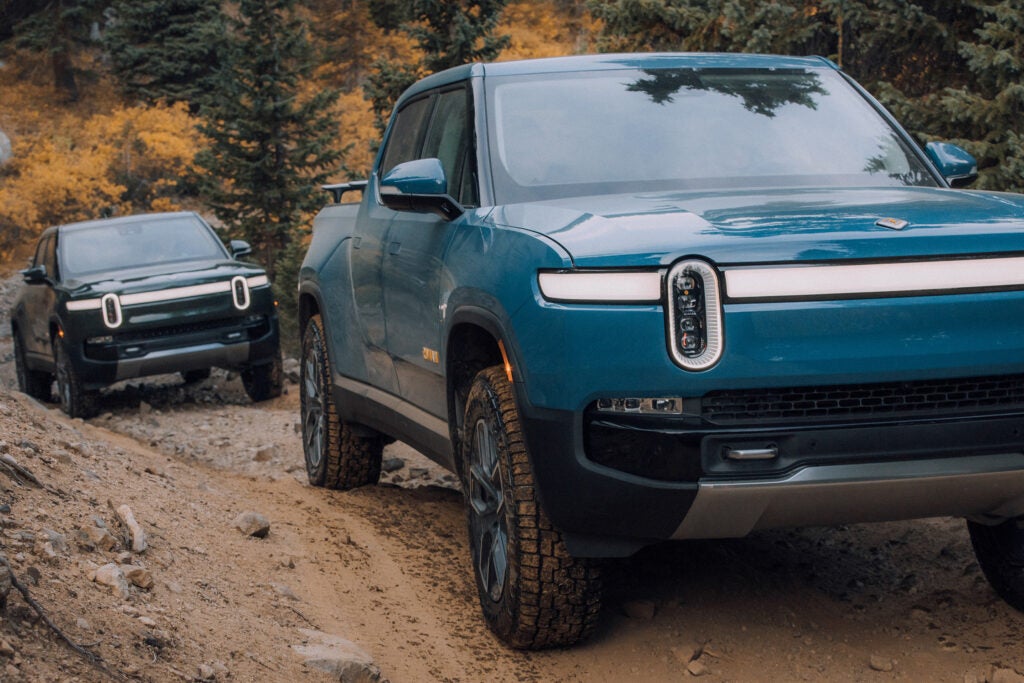
Rivian Begins Deliveries of R2 SUV Amid Market Challenges

- Delivery Priority Policy: Rivian has announced that existing vehicle owners will receive priority for R2 SUV deliveries, while those who have reserved R2 units will start receiving configuration invitations by the end of this month, ensuring customer loyalty and competitive positioning in the market.
- R2 SUV Performance Highlights: The R2 Performance model starts at $57,990 and features dual-motor all-wheel drive, achieving 0-60 mph in just 3.6 seconds, with an EPA-estimated range of up to 330 miles, showcasing strong market appeal.
- Profitability Outlook: CEO RJ Scaringe stated that the R2 SUV will be cash-flow positive, aiding the company in moving closer to profitability, despite reporting a net loss of $3.6 billion in 2025, with every R2 vehicle being gross margin positive.
- Market Reaction Analysis: Although RIVN shares are down 19% year-to-date, they have risen 10% over the past 12 months, indicating investor confidence in Rivian's future, particularly amid bullish sentiment among retail traders.
General Motors May Abandon LFP Battery Plans

- Battery Technology Shift: GM's battery technology chief indicated a potential abandonment of lower-cost iron-based battery plans in favor of lithium manganese-rich (LMR) batteries, which can store more energy at the same weight and size, despite similar production costs to lithium iron phosphate (LFP).
- Production Plan Adjustment: The Tennessee factory will begin LFP cell production this month, but these cells are intended for energy storage systems rather than electric vehicles, highlighting a significant shift in GM's battery strategy.
- Market Competitive Pressure: This decision may create a notable divergence from competitors like Tesla and Ford, who have widely adopted LFP batteries in their EVs to cut costs, potentially impacting GM's market positioning.
- Technical Challenges and Outlook: While LMR batteries offer advantages in reducing reliance on critical minerals, S&P Global noted that technical challenges mean mass adoption is not expected soon, which could affect GM's competitive edge in the EV market.
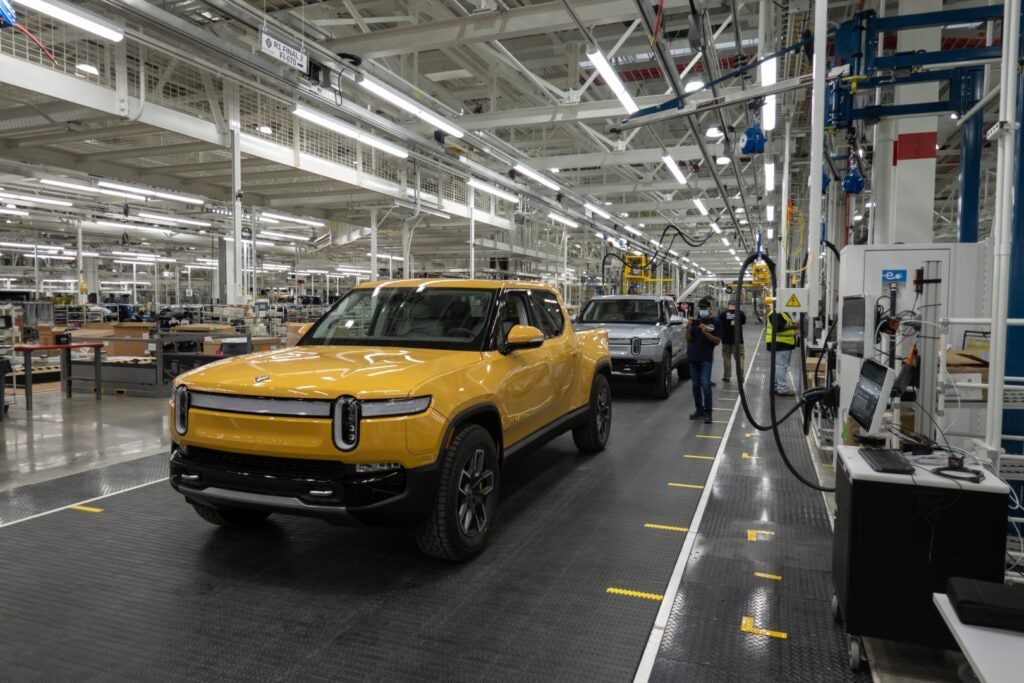
Rivian R2 Lease Costs Spark Buyer Backlash

- Lease Cost Controversy: The 36-month lease for the Rivian R2 Performance AWD starts at $829 per month, with some configurations exceeding $1,000, raising concerns among potential buyers about financing terms and lease costs, which could impact market acceptance.
- Missing Software Features: The R2 launch lacks several software features available on R1 models, such as Rivian Assistant and YouTube integration, and while the company promises future updates to include these features, the lack of a firm timeline may affect consumer purchasing decisions.
- Competitive Pressure: With financing rates for the R2 reaching 9.62%, the vehicle's value proposition is questioned, especially when compared to the R1S Dual Standard's lease price of $899, intensifying competitive pressures in the EV market.
- Delivery Targets and Growth Dependency: Rivian aims to deliver 20,000 to 25,000 R2s in 2026 as part of its overall target of 62,000 to 67,000 vehicles, but with R1 and commercial van volumes expected to remain flat, the successful ramp-up of R2 is crucial for the company's future growth.
Mixed US Stock Performance as Trump Hints at Iran Deal


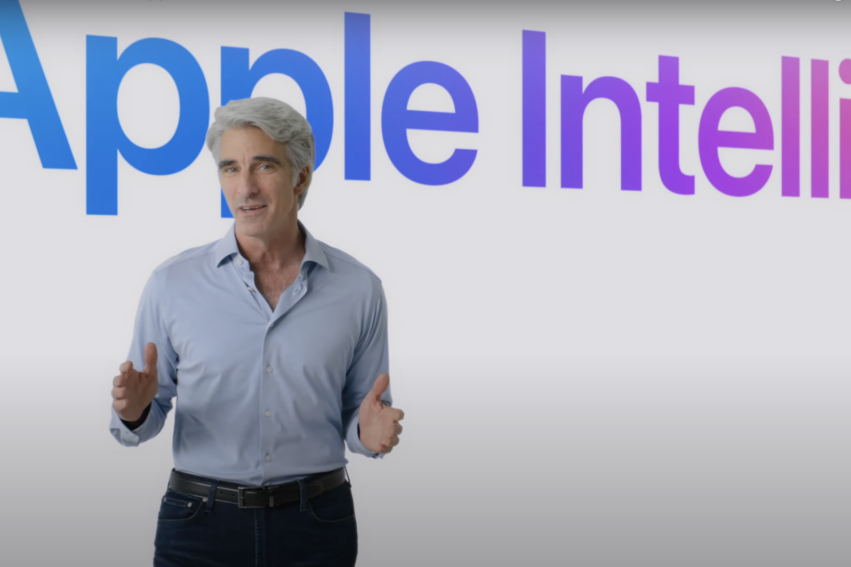
- Divergent Market Performance: The S&P 500 fell by 0.3% and the Nasdaq 100 by 1.1%, while the Dow Jones rose by 0.2%, indicating investor concerns over tech stocks contrasted with stability in traditional sectors.
- Trump's Remarks Impact: President Trump suggested a potential deal with Iran could be reached in two to three days, prompting cautious market reactions despite the possibility of positive implications for oil prices.
- Precious Metals Decline: Gold and silver prices hit their lowest levels of the year as rising expectations of Federal Reserve interest rate hikes dampened demand for these metals, contributing to overall market uncertainty.
- Tech Stocks Under Pressure: Concerns over the Fed's monetary policy led to another decline in tech stocks, particularly among chipmakers linked to AI, reflecting investor wariness regarding high valuations.
Rivian Begins Deliveries of R2 Mid-Size Electric SUV
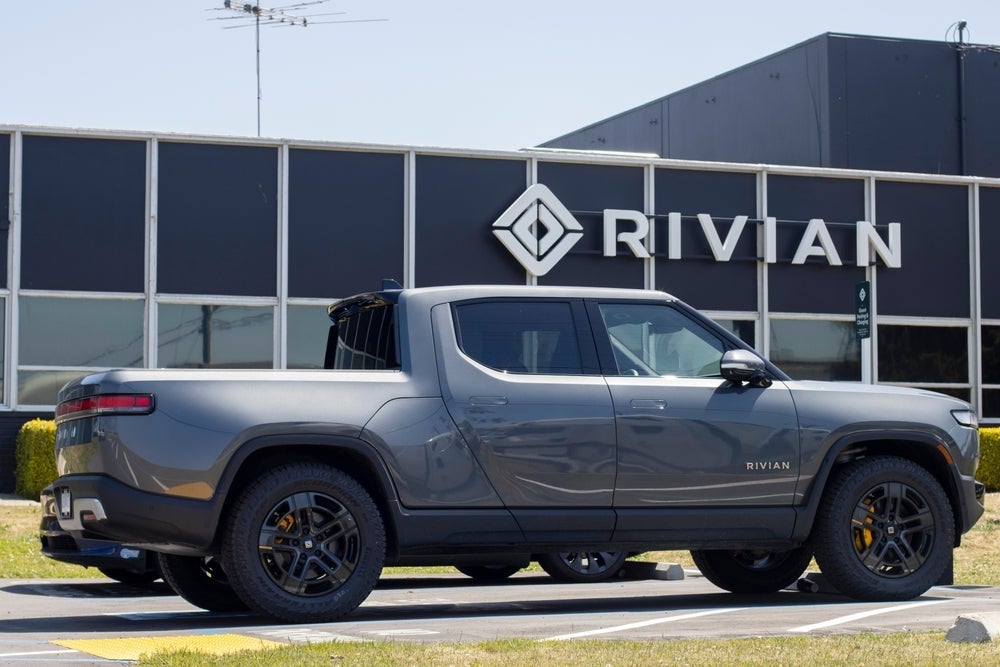
- Delivery Launch: Rivian commenced deliveries of the R2 mid-size electric SUV on Tuesday, starting with the R2 Performance version priced at $57,990, with R2 Premium configurations expected by late 2026 and multiple R2 Standard configurations through 2027, indicating the company's ongoing expansion in the electric SUV market.
- Performance Highlights: The R2 lineup boasts up to 656 horsepower, achieving 0-60 mph in as little as 3.6 seconds, with an estimated range of up to 345 miles, featuring a native NACS charging port and Autonomy+ hardware, showcasing Rivian's innovative capabilities in electric vehicle technology.
- Market Reception: Car and Driver rated the R2 as a fully competent electric SUV that could challenge Tesla's Model Y, while Inside EVs praised it as the “do-everything machine” they’ve always dreamed of, indicating positive market feedback that may attract more consumers.
- Investor Signal: Benchmark Capital analyst Mickey Legg views the R2 launch as a strong demand signal and proof of manufacturing execution for Rivian, despite the stock dropping over 7% on the delivery launch day, this event is still seen as a positive indicator for future performance.
Rivian Launches R2 SUV Aiming for Profitability
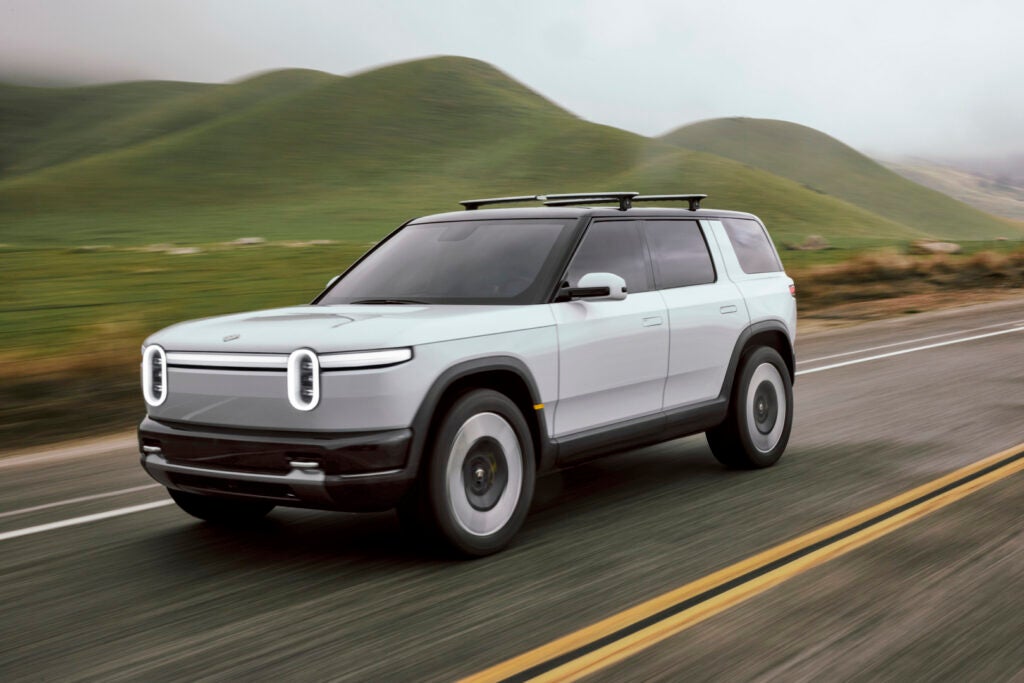
- R2 SUV Launch: Rivian unveiled its R2 SUV in Utah, moving the entry-level model priced around $45,000 to next summer, aiming to attract a broader consumer base and increase market share.
- Profitability Goal Reaffirmed: Despite a $3.6 billion loss last year, Rivian plans to achieve unit production profitability with the R2, expecting to significantly reduce its burn rate once the new Georgia plant ramps up production.
- Market Competition Strategy: Priced around $50,000, the R2 SUV aims to compete with Tesla's Model Y and traditional automotive brands, as Rivian seeks to leverage its strong brand to attract non-EV customers and expand its market footprint.
- Enhanced Technology Partnership: Rivian's $5.8 billion deal with Volkswagen to integrate its software and electrical architecture into future EVs showcases its competitive edge in software and autonomous driving technology, further solidifying its market position.
Rivian Begins Deliveries of R2 SUV Amid Market Challenges
- Delivery Priority Policy: Rivian has announced that existing vehicle owners will receive priority for R2 SUV deliveries, while those who have reserved R2 units will start receiving configuration invitations by the end of this month, ensuring customer loyalty and competitive positioning in the market.
- R2 SUV Performance Highlights: The R2 Performance model starts at $57,990 and features dual-motor all-wheel drive, achieving 0-60 mph in just 3.6 seconds, with an EPA-estimated range of up to 330 miles, showcasing strong market appeal.
- Profitability Outlook: CEO RJ Scaringe stated that the R2 SUV will be cash-flow positive, aiding the company in moving closer to profitability, despite reporting a net loss of $3.6 billion in 2025, with every R2 vehicle being gross margin positive.
- Market Reaction Analysis: Although RIVN shares are down 19% year-to-date, they have risen 10% over the past 12 months, indicating investor confidence in Rivian's future, particularly amid bullish sentiment among retail traders.
General Motors May Abandon LFP Battery Plans
- Battery Technology Shift: GM's battery technology chief indicated a potential abandonment of lower-cost iron-based battery plans in favor of lithium manganese-rich (LMR) batteries, which can store more energy at the same weight and size, despite similar production costs to lithium iron phosphate (LFP).
- Production Plan Adjustment: The Tennessee factory will begin LFP cell production this month, but these cells are intended for energy storage systems rather than electric vehicles, highlighting a significant shift in GM's battery strategy.
- Market Competitive Pressure: This decision may create a notable divergence from competitors like Tesla and Ford, who have widely adopted LFP batteries in their EVs to cut costs, potentially impacting GM's market positioning.
- Technical Challenges and Outlook: While LMR batteries offer advantages in reducing reliance on critical minerals, S&P Global noted that technical challenges mean mass adoption is not expected soon, which could affect GM's competitive edge in the EV market.
Rivian R2 Lease Costs Spark Buyer Backlash
- Lease Cost Controversy: The 36-month lease for the Rivian R2 Performance AWD starts at $829 per month, with some configurations exceeding $1,000, raising concerns among potential buyers about financing terms and lease costs, which could impact market acceptance.
- Missing Software Features: The R2 launch lacks several software features available on R1 models, such as Rivian Assistant and YouTube integration, and while the company promises future updates to include these features, the lack of a firm timeline may affect consumer purchasing decisions.
- Competitive Pressure: With financing rates for the R2 reaching 9.62%, the vehicle's value proposition is questioned, especially when compared to the R1S Dual Standard's lease price of $899, intensifying competitive pressures in the EV market.
- Delivery Targets and Growth Dependency: Rivian aims to deliver 20,000 to 25,000 R2s in 2026 as part of its overall target of 62,000 to 67,000 vehicles, but with R1 and commercial van volumes expected to remain flat, the successful ramp-up of R2 is crucial for the company's future growth.
Mixed US Stock Performance as Trump Hints at Iran Deal
- Divergent Market Performance: The S&P 500 fell by 0.3% and the Nasdaq 100 by 1.1%, while the Dow Jones rose by 0.2%, indicating investor concerns over tech stocks contrasted with stability in traditional sectors.
- Trump's Remarks Impact: President Trump suggested a potential deal with Iran could be reached in two to three days, prompting cautious market reactions despite the possibility of positive implications for oil prices.
- Precious Metals Decline: Gold and silver prices hit their lowest levels of the year as rising expectations of Federal Reserve interest rate hikes dampened demand for these metals, contributing to overall market uncertainty.
- Tech Stocks Under Pressure: Concerns over the Fed's monetary policy led to another decline in tech stocks, particularly among chipmakers linked to AI, reflecting investor wariness regarding high valuations.
Rivian Begins Deliveries of R2 Mid-Size Electric SUV
- Delivery Launch: Rivian commenced deliveries of the R2 mid-size electric SUV on Tuesday, starting with the R2 Performance version priced at $57,990, with R2 Premium configurations expected by late 2026 and multiple R2 Standard configurations through 2027, indicating the company's ongoing expansion in the electric SUV market.
- Performance Highlights: The R2 lineup boasts up to 656 horsepower, achieving 0-60 mph in as little as 3.6 seconds, with an estimated range of up to 345 miles, featuring a native NACS charging port and Autonomy+ hardware, showcasing Rivian's innovative capabilities in electric vehicle technology.
- Market Reception: Car and Driver rated the R2 as a fully competent electric SUV that could challenge Tesla's Model Y, while Inside EVs praised it as the “do-everything machine” they’ve always dreamed of, indicating positive market feedback that may attract more consumers.
- Investor Signal: Benchmark Capital analyst Mickey Legg views the R2 launch as a strong demand signal and proof of manufacturing execution for Rivian, despite the stock dropping over 7% on the delivery launch day, this event is still seen as a positive indicator for future performance.
Rivian Launches R2 SUV Aiming for Profitability
- R2 SUV Launch: Rivian unveiled its R2 SUV in Utah, moving the entry-level model priced around $45,000 to next summer, aiming to attract a broader consumer base and increase market share.
- Profitability Goal Reaffirmed: Despite a $3.6 billion loss last year, Rivian plans to achieve unit production profitability with the R2, expecting to significantly reduce its burn rate once the new Georgia plant ramps up production.
- Market Competition Strategy: Priced around $50,000, the R2 SUV aims to compete with Tesla's Model Y and traditional automotive brands, as Rivian seeks to leverage its strong brand to attract non-EV customers and expand its market footprint.
- Enhanced Technology Partnership: Rivian's $5.8 billion deal with Volkswagen to integrate its software and electrical architecture into future EVs showcases its competitive edge in software and autonomous driving technology, further solidifying its market position.