Qnity Electronics joins Apple's Manufacturing Program amid market decline

Qnity Electronics Inc's stock fell 5.01% as it hit a 5-day low, reflecting broader market weakness with the Nasdaq-100 down 1.03% and the S&P 500 down 0.54%.
The decline in Qnity's stock comes despite the announcement that it has joined Apple's American Manufacturing Program, which aims to enhance domestic supply chains and includes a significant investment of $400 million by Apple by 2030. This partnership is expected to strengthen Qnity's position in the semiconductor supply chain, as Apple relies on its specialized chemicals and materials, indicating a positive long-term outlook for the company.
Despite the current market conditions, Qnity's involvement in Apple's initiative could lead to increased demand for its products and services, potentially driving future growth as the partnership develops.
Trade with 70% Backtested Accuracy
Analyst Views on Q

About Q
About the author

Market Volatility and Surge in Oil Prices


- Surge in Oil Prices: President Trump's address indicated a hardline U.S. stance on Iran, causing WTI crude prices to exceed $110 per barrel, reflecting market concerns over Middle Eastern tensions that could impact global economic recovery.
- Brief Market Rebound: Despite rising oil prices, stocks briefly turned positive due to reports of Iran drafting a plan with Oman to monitor the Strait of Hormuz, yet this rebound was short-lived, highlighting the fragility of market sentiment.
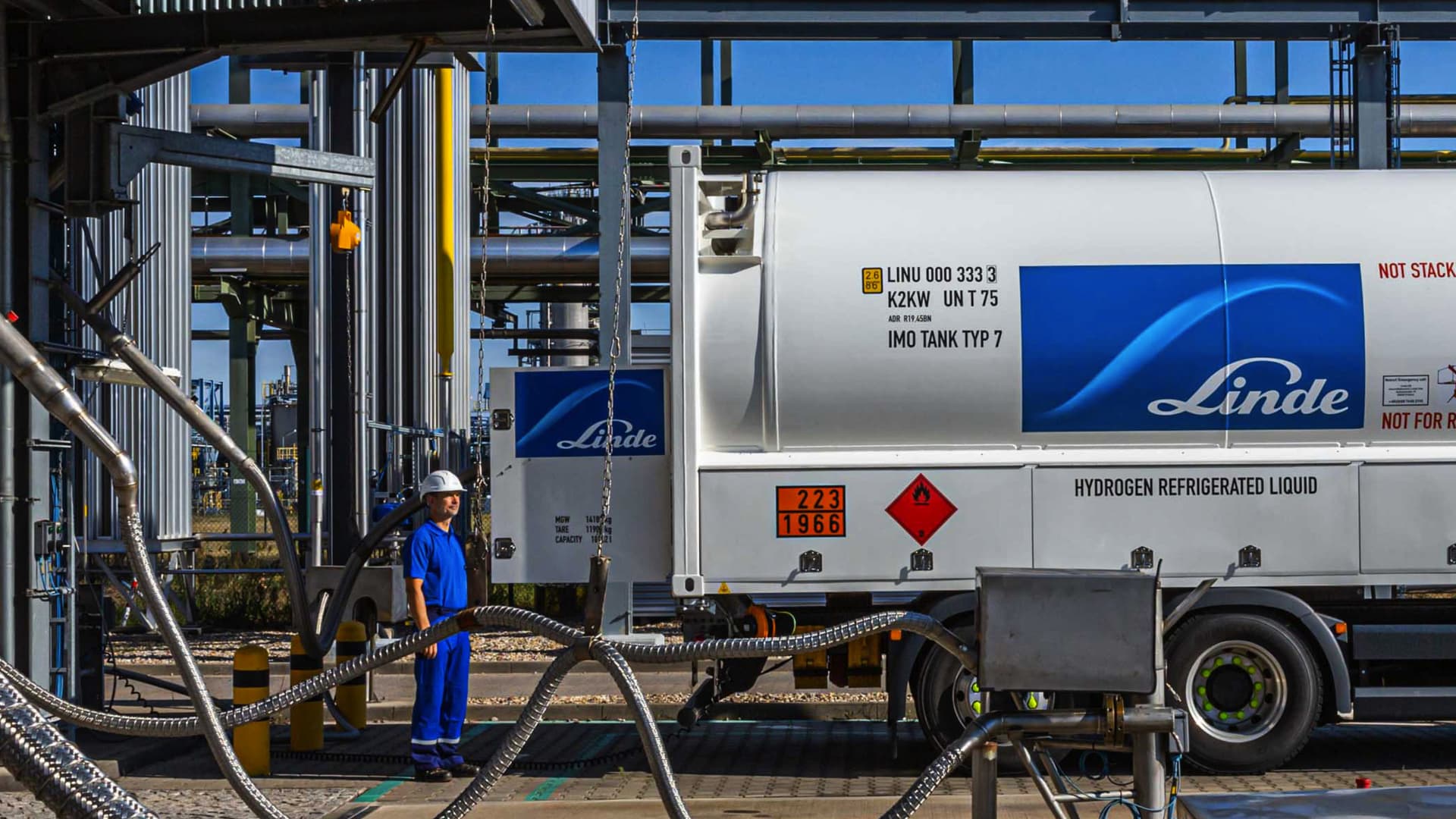
- Helium Supply Chain Disruption: The Wall Street Journal noted that the war has disrupted helium supply chains in Qatar, with Linde and Air Products identified as beneficiaries, although Linde faces challenges due to its smaller helium revenue share compared to Air Products.
- Upcoming Economic Data: While the stock market is closed for Good Friday, attention will turn to the March jobs report, with economists predicting an addition of 60,000 jobs and an unchanged unemployment rate of 4.4%, which will influence market expectations for economic recovery.

Market Volatility Intensifies, Investors Urged to Exercise Caution

- Market Sentiment Fluctuations: Following President Trump's hardline speech, Wall Street experienced a sell-off on Thursday morning, leading to rising oil prices and falling stocks, reflecting the inverse relationship that has characterized the market since the war began on February 28, severely impacting investor sentiment.
- Short-term Investment Strategy: Despite increasing market volatility, analysts recommend that investors identify three to five stocks that remain attractive in the current environment, allowing for accumulation at lower prices to reduce overall cost basis and ensure better returns when the conflict concludes.
- Importance of Risk Management: Historical data shows that investors attempting to predict market corrections often incur greater losses, making patience and a measured investment strategy crucial in the current uncertain market to avoid missing potential rebound opportunities.
- Economic Growth Outlook: With the war potentially dragging on, oil prices may remain elevated, putting pressure on corporate profits; analysts note that while the tail risk of a recession has increased, earnings remain the guiding light for the stock market, and investors should focus on the potential for earnings growth.

Market Volatility and TJX Dividend Increase

- Market Volatility: The S&P 500 struggled to maintain gains at the start of the holiday-shortened trading week, initially rising after President Trump's comments on the Iran war but subsequently falling, with the tech-heavy Nasdaq leading the decline, indicating market uncertainty.
- Oil Price Impact: U.S. West Texas Intermediate crude oil prices rose over 3% to above $100 per barrel; however, despite this typically leading to higher bond yields, the 10-year Treasury yield fell about 10 basis points to 4.32%, reflecting a cautious market response to short-term energy cost spikes.
- TJX Dividend and Buyback: TJX Companies announced a 14% increase in its quarterly dividend to $0.48 per share and plans to repurchase approximately $2.5 billion to $2.75 billion of stock in the current fiscal year, signaling confidence in future earnings and cash flow growth, despite a modest dividend yield of 1.2%.
- Strong Long-term Performance: TJX shares have risen 298% over the past decade, with a total return of 358% when including reinvested dividends, demonstrating the company's consistent execution and off-price model's effectiveness in attracting value-seeking shoppers.
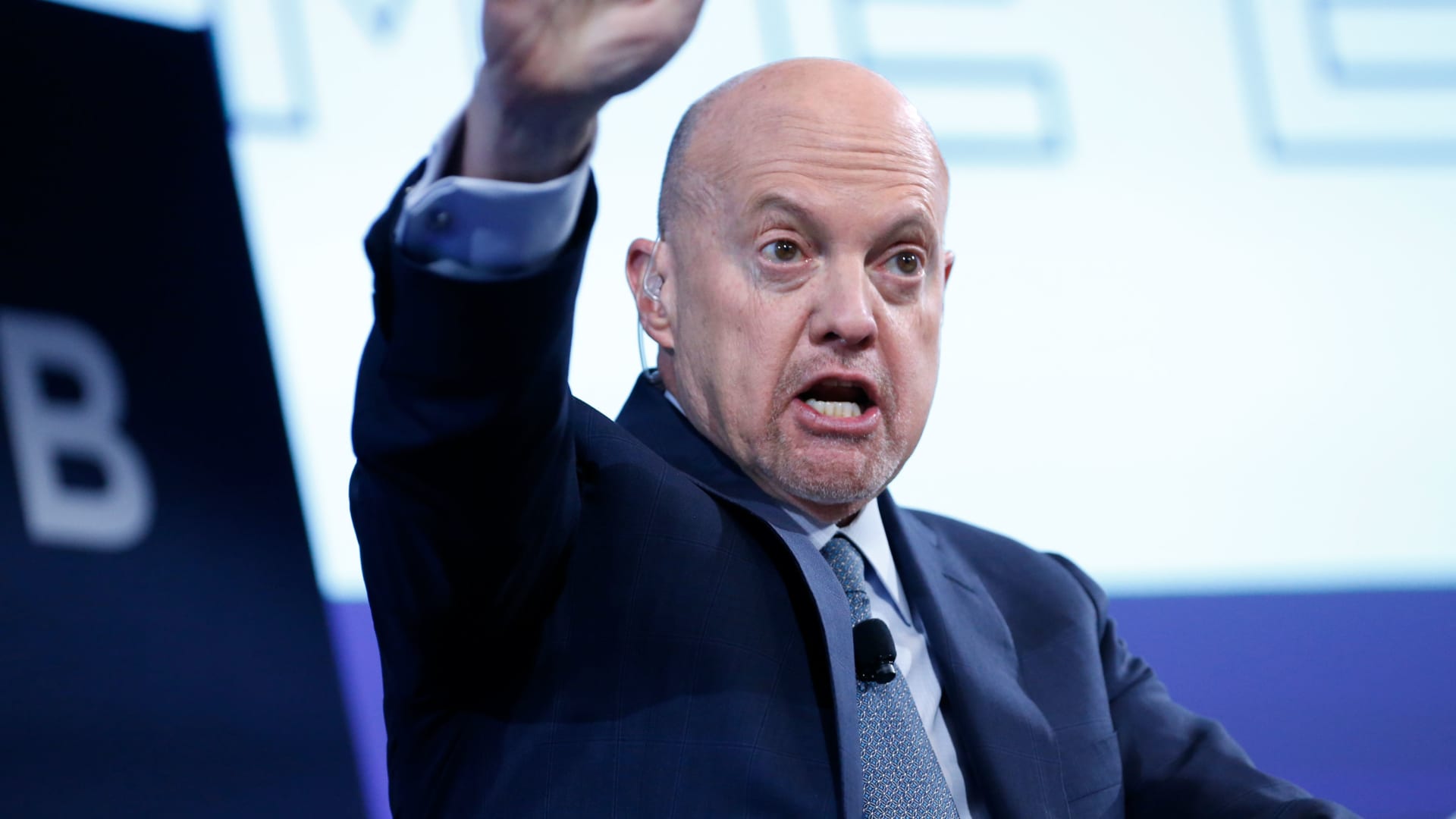
CNBC Investing Club March Meeting Overview


- Energy Stocks Surge: Following the outbreak of war in Iran, energy stocks, particularly fertilizer manufacturers, have shown strong performance, indicating robust market demand that could drive profitability for related companies.
- AWS Growth Acceleration: Amazon's cloud unit AWS is no longer lagging behind Microsoft Azure, thanks to its partnership with Anthropic, with expectations for next quarter's margins to exceed market forecasts, boosting investor confidence.
- Cybersecurity Challenges: CrowdStrike has been affected by turmoil in the software market, but the CEO highlighted the positive impact of AI on cyberattacks, indicating long-term growth potential in the security sector, despite high stock prices.
- Healthcare Sector Risks: Eli Lilly faces pricing pressure from competitor Novo Nordisk, but the company is prepared to counter this by increasing volume, with the upcoming launch of its GLP-1 obesity drug expected to drive growth.

Apple Expands American Manufacturing Program with New Partners

- New Partners Join: Apple Inc. has announced the addition of Bosch, Cirrus Logic, TDK, and Qnity Electronics to its American Manufacturing Program, aiming to enhance domestic supply chains through increased critical component production, which is expected to create numerous jobs in the U.S.
- Investment and Capacity Boost: Apple plans to invest $400 million in new programs by 2030, which will enhance manufacturing capabilities in the U.S. and enable TDK to manufacture sensors in the U.S. for the first time, further solidifying their long-term partnership with Apple.
- Deepening Technological Collaboration: Apple is collaborating with Bosch and TSMC to produce integrated circuits in Washington state, which are essential for key features like Crash Detection and Activity Tracking in Apple products, demonstrating Apple's ongoing commitment to technological innovation.
- Educational and Training Support: The Apple Manufacturing Academy launched in Detroit has already supported nearly 150 small and medium-sized manufacturers by providing training in AI and smart manufacturing, further driving modernization and technological upgrades in the U.S. manufacturing sector.

Apple Expands U.S. Manufacturing Partnerships with New Suppliers

- Increased Manufacturing Partnerships: Apple has announced the addition of new partners including Qnity Electronics, Cirrus Logic, Bosch, and TDK to its American Manufacturing Program, planning to invest $400 million by 2030, which enhances its supply chain localization and strengthens U.S. manufacturing competitiveness.
- Strategic Investment Commitment: Apple's commitment to invest $500 billion in 2025, with an additional $100 billion, underscores its long-term dedication to the U.S. market, aiming to mitigate supply chain risks and enhance brand image through localized production.
- Critical Component Supply: Qnity's involvement highlights its importance in the semiconductor supply chain, as Apple relies on its specialized chemicals and materials, ensuring a stronger partnership with TSMC and enhancing Apple's competitive edge in chip manufacturing.
- Enhanced Market Competitiveness: Qnity's stock remains cheaper compared to its main rival Entegris, trading at less than 32 times earnings estimates, indicating strong future earnings growth potential, with Apple's backing further solidifying its market position.
Market Volatility and Surge in Oil Prices
- Surge in Oil Prices: President Trump's address indicated a hardline U.S. stance on Iran, causing WTI crude prices to exceed $110 per barrel, reflecting market concerns over Middle Eastern tensions that could impact global economic recovery.
- Brief Market Rebound: Despite rising oil prices, stocks briefly turned positive due to reports of Iran drafting a plan with Oman to monitor the Strait of Hormuz, yet this rebound was short-lived, highlighting the fragility of market sentiment.
- Helium Supply Chain Disruption: The Wall Street Journal noted that the war has disrupted helium supply chains in Qatar, with Linde and Air Products identified as beneficiaries, although Linde faces challenges due to its smaller helium revenue share compared to Air Products.
- Upcoming Economic Data: While the stock market is closed for Good Friday, attention will turn to the March jobs report, with economists predicting an addition of 60,000 jobs and an unchanged unemployment rate of 4.4%, which will influence market expectations for economic recovery.
Market Volatility Intensifies, Investors Urged to Exercise Caution
- Market Sentiment Fluctuations: Following President Trump's hardline speech, Wall Street experienced a sell-off on Thursday morning, leading to rising oil prices and falling stocks, reflecting the inverse relationship that has characterized the market since the war began on February 28, severely impacting investor sentiment.
- Short-term Investment Strategy: Despite increasing market volatility, analysts recommend that investors identify three to five stocks that remain attractive in the current environment, allowing for accumulation at lower prices to reduce overall cost basis and ensure better returns when the conflict concludes.
- Importance of Risk Management: Historical data shows that investors attempting to predict market corrections often incur greater losses, making patience and a measured investment strategy crucial in the current uncertain market to avoid missing potential rebound opportunities.
- Economic Growth Outlook: With the war potentially dragging on, oil prices may remain elevated, putting pressure on corporate profits; analysts note that while the tail risk of a recession has increased, earnings remain the guiding light for the stock market, and investors should focus on the potential for earnings growth.
Market Volatility and TJX Dividend Increase
- Market Volatility: The S&P 500 struggled to maintain gains at the start of the holiday-shortened trading week, initially rising after President Trump's comments on the Iran war but subsequently falling, with the tech-heavy Nasdaq leading the decline, indicating market uncertainty.
- Oil Price Impact: U.S. West Texas Intermediate crude oil prices rose over 3% to above $100 per barrel; however, despite this typically leading to higher bond yields, the 10-year Treasury yield fell about 10 basis points to 4.32%, reflecting a cautious market response to short-term energy cost spikes.
- TJX Dividend and Buyback: TJX Companies announced a 14% increase in its quarterly dividend to $0.48 per share and plans to repurchase approximately $2.5 billion to $2.75 billion of stock in the current fiscal year, signaling confidence in future earnings and cash flow growth, despite a modest dividend yield of 1.2%.
- Strong Long-term Performance: TJX shares have risen 298% over the past decade, with a total return of 358% when including reinvested dividends, demonstrating the company's consistent execution and off-price model's effectiveness in attracting value-seeking shoppers.
CNBC Investing Club March Meeting Overview
- Energy Stocks Surge: Following the outbreak of war in Iran, energy stocks, particularly fertilizer manufacturers, have shown strong performance, indicating robust market demand that could drive profitability for related companies.
- AWS Growth Acceleration: Amazon's cloud unit AWS is no longer lagging behind Microsoft Azure, thanks to its partnership with Anthropic, with expectations for next quarter's margins to exceed market forecasts, boosting investor confidence.
- Cybersecurity Challenges: CrowdStrike has been affected by turmoil in the software market, but the CEO highlighted the positive impact of AI on cyberattacks, indicating long-term growth potential in the security sector, despite high stock prices.
- Healthcare Sector Risks: Eli Lilly faces pricing pressure from competitor Novo Nordisk, but the company is prepared to counter this by increasing volume, with the upcoming launch of its GLP-1 obesity drug expected to drive growth.
Apple Expands American Manufacturing Program with New Partners
- New Partners Join: Apple Inc. has announced the addition of Bosch, Cirrus Logic, TDK, and Qnity Electronics to its American Manufacturing Program, aiming to enhance domestic supply chains through increased critical component production, which is expected to create numerous jobs in the U.S.
- Investment and Capacity Boost: Apple plans to invest $400 million in new programs by 2030, which will enhance manufacturing capabilities in the U.S. and enable TDK to manufacture sensors in the U.S. for the first time, further solidifying their long-term partnership with Apple.
- Deepening Technological Collaboration: Apple is collaborating with Bosch and TSMC to produce integrated circuits in Washington state, which are essential for key features like Crash Detection and Activity Tracking in Apple products, demonstrating Apple's ongoing commitment to technological innovation.
- Educational and Training Support: The Apple Manufacturing Academy launched in Detroit has already supported nearly 150 small and medium-sized manufacturers by providing training in AI and smart manufacturing, further driving modernization and technological upgrades in the U.S. manufacturing sector.
Apple Expands U.S. Manufacturing Partnerships with New Suppliers
- Increased Manufacturing Partnerships: Apple has announced the addition of new partners including Qnity Electronics, Cirrus Logic, Bosch, and TDK to its American Manufacturing Program, planning to invest $400 million by 2030, which enhances its supply chain localization and strengthens U.S. manufacturing competitiveness.
- Strategic Investment Commitment: Apple's commitment to invest $500 billion in 2025, with an additional $100 billion, underscores its long-term dedication to the U.S. market, aiming to mitigate supply chain risks and enhance brand image through localized production.
- Critical Component Supply: Qnity's involvement highlights its importance in the semiconductor supply chain, as Apple relies on its specialized chemicals and materials, ensuring a stronger partnership with TSMC and enhancing Apple's competitive edge in chip manufacturing.
- Enhanced Market Competitiveness: Qnity's stock remains cheaper compared to its main rival Entegris, trading at less than 32 times earnings estimates, indicating strong future earnings growth potential, with Apple's backing further solidifying its market position.