PayPal Faces Class Action Lawsuit Amid Investor Concerns

PayPal Holdings Inc. (NASDAQ: PYPL) has seen its stock price increase by 3.86% as it reaches a 20-day high, despite ongoing legal challenges.
The company is currently facing multiple class action lawsuits alleging securities fraud, with claims that it made materially false statements regarding its business operations and financial outlook. These lawsuits cover the period from February 8, 2024, to February 2, 2026, and investors are encouraged to participate by the April 20, 2026 deadline. The legal actions come on the heels of a significant stock price drop earlier this year, following a surprise CEO change and disappointing earnings report, which raised serious concerns about the company's governance and future performance.
The implications of these lawsuits could further impact investor confidence and market perception of PayPal, especially as the company navigates through these legal challenges while trying to stabilize its stock performance.
Trade with 70% Backtested Accuracy
Analyst Views on PYPL

About PYPL
About the author


SpaceX Goes Public with $1.77 Trillion Valuation


- IPO Performance: SpaceX went public on June 12 at $135 per share, achieving an initial market cap of $1.77 trillion, with shares rising to $185, reflecting market confidence in Musk but raising concerns over its high valuation.
- Market Potential: According to McKinsey, the global space industry could reach $1.8 trillion by 2035, and SpaceX aims to capitalize on this through diverse offerings like rocket launches and Starlink internet services; however, the gap between its valuation and actual sales growth has raised investor caution.
- Valuation Risks: With a price-to-sales ratio of 125 compared to the S&P 500's 3.7, SpaceX's 33% year-over-year sales growth to $18.7 billion in 2025 is insufficient to justify such a high valuation, indicating excessive market optimism about its future growth.
- AI Investment Outlook: SpaceX's AI division, primarily through its acquired xAI subsidiary, has a market share of less than 5% for its large language model Grok; while a $920 million monthly computing capacity lease with Alphabet is profitable short-term, long-term profitability may be pressured as hyperscalers build their own capacities.

SpaceX IPO Surge and Investment Risks

- IPO Performance: SpaceX went public on June 12 at $135 per share, achieving a market cap of $1.77 trillion, with shares rising to approximately $185, indicating strong retail investor interest, yet this enthusiasm may obscure potential investment risks.
- Market Outlook: According to McKinsey, the global space industry is projected to reach $1.8 trillion by 2035, and SpaceX aims to capitalize on this through diverse offerings like rocket launches and Starlink internet services, but its high valuation may not be sustainable.
- Valuation Risks: SpaceX's current price-to-sales ratio stands at 125, significantly higher than the S&P 500's average of 3.7; despite a 33% year-over-year sales growth to $18.7 billion in 2025, this growth is insufficient to justify such a lofty valuation, warranting caution from investors.
- AI Investment Prospects: SpaceX's AI division, primarily through the recently acquired xAI subsidiary, has a market share of less than 5% for its flagship large language model Grok; however, a $920 million monthly computing capacity deal with Alphabet may yield short-term profits, but long-term profitability faces challenges.
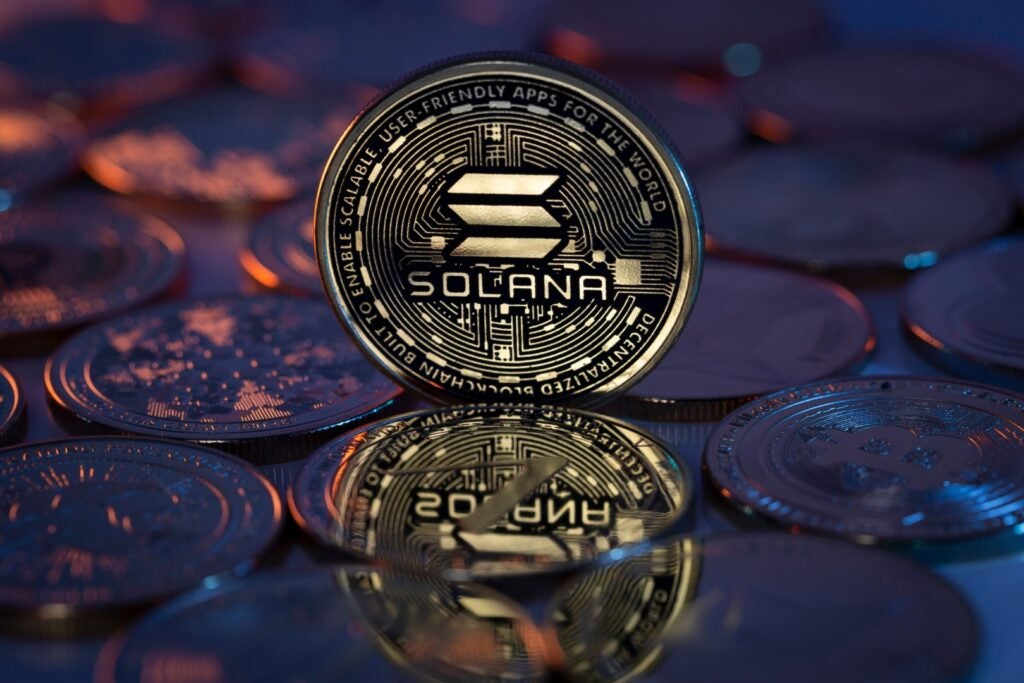
Moody's Expands Credit Ratings to Tokenized Bonds on Solana


- Expansion of Credit Ratings: Moody's has expanded its credit rating services to include tokenized bonds and fixed-income securities, directly integrating these ratings onto Solana's blockchain, which is expected to enhance investor confidence in tokenized assets and boost Solana's market appeal.
- Increased Trading Efficiency: By converting fixed-income securities into digital tokens, Moody's integration allows investors to trade 24/7 without intermediaries, significantly reducing transaction costs and simplifying the investment process, which is likely to attract more investors.
- Competitive Market Advantage: While Ethereum remains the market leader, Solana's Layer-1 blockchain offers significantly faster speeds, and Moody's support is set to further solidify Solana's competitive position in tokenized asset trading, especially with the upcoming Alpenglow upgrade.
- Future Growth Potential: Moody's backing not only strengthens Solana's prospects as a high-speed highway for blockchain transactions but also indicates its increasing importance among financial institutions, suggesting that despite this year's crypto market volatility, Solana could still have a bright future.

Moody's Integrates Credit Ratings with Solana Blockchain

- Credit Rating Integration: Moody's integration of its credit ratings directly onto Solana's blockchain signifies increased confidence in tokenized assets, which is expected to enhance investor trust and usage frequency on the Solana platform.
- Trading Efficiency Boost: By tokenizing fixed-income securities, Moody's enables these assets to be traded instantly on the blockchain, reducing transaction costs and eliminating the need for intermediaries, allowing investors to trade more swiftly.
- Enhanced Market Competitiveness: While Ethereum remains the market leader, Solana's Layer-1 blockchain is significantly faster, and Moody's support may attract more financial institutions to tokenize assets on Solana, further strengthening its market position.
- Optimistic Future Outlook: Moody's integration not only serves as a vote of confidence for Solana but also indicates potential future collaborations with other blockchains like Ethereum, suggesting ongoing expansion potential for Solana in the blockchain transaction space.

SpaceX IPO Creates Billionaire Shareholders Amidst Market Fluctuations

- Founder Wealth Surge: Following SpaceX's historic IPO, founder and CEO Elon Musk's personal stake has soared above $1 trillion, underscoring his significant influence in the aerospace sector and market confidence.
- Shareholder Wealth Distribution: The IPO has minted several billion-dollar shareholders, with Valor Equity Partners holding a stake worth approximately $96.6 billion, reflecting strong investor confidence in SpaceX's future prospects.
- Market Performance Volatility: Although SpaceX shares rose 37% post-IPO and briefly surpassed Amazon and Microsoft in market cap, recent cooling sentiment has led to a decline, with the market cap settling at $2.43 trillion, indicating market uncertainty.
- Executive Stake Holdings: Among SpaceX executives, Gwynne Shotwell holds shares valued at $2.4 billion, while CFO Bret Johnsen's stake is worth $1.2 billion, demonstrating the management's confidence and commitment to the company's future growth.

SpaceX IPO Boosts Musk's Wealth Over $1 Trillion
- IPO Achievement: SpaceX's IPO achieved a market cap of $2.43 trillion in its debut week, although it slightly retreated due to cooling market sentiment, it still reflects a 37% increase from the offering price of $135, showcasing strong investor confidence in Musk's vision.
- Shareholder Wealth Surge: The IPO not only propelled Musk's personal wealth over $1 trillion but also minted thousands of new millionaires, with some shareholders seeing their stakes exceed $1 billion, highlighting SpaceX's immense appeal in the capital markets.
- Major Shareholder Insights: Valor Equity Partners holds a stake worth approximately $96.6 billion, with founder Antonio Gracias closely associated with Musk, having participated in various projects during the Trump administration, indicating a deep-rooted connection to SpaceX.
- Executive Stake Analysis: SpaceX President Gwynne Shotwell and CFO Bret Johnsen hold stakes valued at $2.4 billion and $1.2 billion respectively, with Shotwell managing daily operations and Johnsen focusing on long-term financial strategy, both of whom are crucial to the company's success.
SpaceX Goes Public with $1.77 Trillion Valuation
- IPO Performance: SpaceX went public on June 12 at $135 per share, achieving an initial market cap of $1.77 trillion, with shares rising to $185, reflecting market confidence in Musk but raising concerns over its high valuation.
- Market Potential: According to McKinsey, the global space industry could reach $1.8 trillion by 2035, and SpaceX aims to capitalize on this through diverse offerings like rocket launches and Starlink internet services; however, the gap between its valuation and actual sales growth has raised investor caution.
- Valuation Risks: With a price-to-sales ratio of 125 compared to the S&P 500's 3.7, SpaceX's 33% year-over-year sales growth to $18.7 billion in 2025 is insufficient to justify such a high valuation, indicating excessive market optimism about its future growth.
- AI Investment Outlook: SpaceX's AI division, primarily through its acquired xAI subsidiary, has a market share of less than 5% for its large language model Grok; while a $920 million monthly computing capacity lease with Alphabet is profitable short-term, long-term profitability may be pressured as hyperscalers build their own capacities.
SpaceX IPO Surge and Investment Risks
- IPO Performance: SpaceX went public on June 12 at $135 per share, achieving a market cap of $1.77 trillion, with shares rising to approximately $185, indicating strong retail investor interest, yet this enthusiasm may obscure potential investment risks.
- Market Outlook: According to McKinsey, the global space industry is projected to reach $1.8 trillion by 2035, and SpaceX aims to capitalize on this through diverse offerings like rocket launches and Starlink internet services, but its high valuation may not be sustainable.
- Valuation Risks: SpaceX's current price-to-sales ratio stands at 125, significantly higher than the S&P 500's average of 3.7; despite a 33% year-over-year sales growth to $18.7 billion in 2025, this growth is insufficient to justify such a lofty valuation, warranting caution from investors.
- AI Investment Prospects: SpaceX's AI division, primarily through the recently acquired xAI subsidiary, has a market share of less than 5% for its flagship large language model Grok; however, a $920 million monthly computing capacity deal with Alphabet may yield short-term profits, but long-term profitability faces challenges.
Moody's Expands Credit Ratings to Tokenized Bonds on Solana
- Expansion of Credit Ratings: Moody's has expanded its credit rating services to include tokenized bonds and fixed-income securities, directly integrating these ratings onto Solana's blockchain, which is expected to enhance investor confidence in tokenized assets and boost Solana's market appeal.
- Increased Trading Efficiency: By converting fixed-income securities into digital tokens, Moody's integration allows investors to trade 24/7 without intermediaries, significantly reducing transaction costs and simplifying the investment process, which is likely to attract more investors.
- Competitive Market Advantage: While Ethereum remains the market leader, Solana's Layer-1 blockchain offers significantly faster speeds, and Moody's support is set to further solidify Solana's competitive position in tokenized asset trading, especially with the upcoming Alpenglow upgrade.
- Future Growth Potential: Moody's backing not only strengthens Solana's prospects as a high-speed highway for blockchain transactions but also indicates its increasing importance among financial institutions, suggesting that despite this year's crypto market volatility, Solana could still have a bright future.
Moody's Integrates Credit Ratings with Solana Blockchain
- Credit Rating Integration: Moody's integration of its credit ratings directly onto Solana's blockchain signifies increased confidence in tokenized assets, which is expected to enhance investor trust and usage frequency on the Solana platform.
- Trading Efficiency Boost: By tokenizing fixed-income securities, Moody's enables these assets to be traded instantly on the blockchain, reducing transaction costs and eliminating the need for intermediaries, allowing investors to trade more swiftly.
- Enhanced Market Competitiveness: While Ethereum remains the market leader, Solana's Layer-1 blockchain is significantly faster, and Moody's support may attract more financial institutions to tokenize assets on Solana, further strengthening its market position.
- Optimistic Future Outlook: Moody's integration not only serves as a vote of confidence for Solana but also indicates potential future collaborations with other blockchains like Ethereum, suggesting ongoing expansion potential for Solana in the blockchain transaction space.
SpaceX IPO Creates Billionaire Shareholders Amidst Market Fluctuations
- Founder Wealth Surge: Following SpaceX's historic IPO, founder and CEO Elon Musk's personal stake has soared above $1 trillion, underscoring his significant influence in the aerospace sector and market confidence.
- Shareholder Wealth Distribution: The IPO has minted several billion-dollar shareholders, with Valor Equity Partners holding a stake worth approximately $96.6 billion, reflecting strong investor confidence in SpaceX's future prospects.
- Market Performance Volatility: Although SpaceX shares rose 37% post-IPO and briefly surpassed Amazon and Microsoft in market cap, recent cooling sentiment has led to a decline, with the market cap settling at $2.43 trillion, indicating market uncertainty.
- Executive Stake Holdings: Among SpaceX executives, Gwynne Shotwell holds shares valued at $2.4 billion, while CFO Bret Johnsen's stake is worth $1.2 billion, demonstrating the management's confidence and commitment to the company's future growth.
SpaceX IPO Boosts Musk's Wealth Over $1 Trillion
- IPO Achievement: SpaceX's IPO achieved a market cap of $2.43 trillion in its debut week, although it slightly retreated due to cooling market sentiment, it still reflects a 37% increase from the offering price of $135, showcasing strong investor confidence in Musk's vision.
- Shareholder Wealth Surge: The IPO not only propelled Musk's personal wealth over $1 trillion but also minted thousands of new millionaires, with some shareholders seeing their stakes exceed $1 billion, highlighting SpaceX's immense appeal in the capital markets.
- Major Shareholder Insights: Valor Equity Partners holds a stake worth approximately $96.6 billion, with founder Antonio Gracias closely associated with Musk, having participated in various projects during the Trump administration, indicating a deep-rooted connection to SpaceX.
- Executive Stake Analysis: SpaceX President Gwynne Shotwell and CFO Bret Johnsen hold stakes valued at $2.4 billion and $1.2 billion respectively, with Shotwell managing daily operations and Johnsen focusing on long-term financial strategy, both of whom are crucial to the company's success.