Oscar Health faces challenges amid market downturn

Oscar Health Inc. saw its stock price decline as it hit a 5-day low, reflecting broader market weakness with the Nasdaq-100 down 1.44% and the S&P 500 down 1.20%.
Despite Oscar Health's impressive growth in insurance membership, which surged to 3.4 million in 2025, the company is facing challenges from expiring subsidies that could impact its future performance. Additionally, while the company projects revenue growth from $11.7 billion in 2025 to as high as $19 billion in 2026, the current market conditions are affecting investor sentiment.
The implications of these developments suggest that while Oscar Health has a strong growth trajectory, the current market environment may pose risks to its stock performance, particularly as it navigates potential headwinds from subsidy expirations.
Trade with 70% Backtested Accuracy
Analyst Views on OSCR

About OSCR
About the author

HealthEquity Appoints New Board Member
- Board Expansion: HealthEquity announced the election of William Gassen, CEO of Sanford Health, to its board effective March 26, 2026, increasing the board to 10 members, 8 of whom are independent, thereby enhancing corporate governance.
- Rich Industry Experience: Gassen has served as CEO of Sanford Health since November 2020, leading the nation's largest rural health system, and his insights into healthcare delivery and financing will strengthen HealthEquity's ability to navigate challenges in the healthcare system.
- Focus on Affordability: Gassen emphasized that affordability in healthcare remains a significant challenge for many families and employers, and HealthEquity plays a crucial role in helping individuals prepare for and make informed decisions about healthcare spending, reinforcing the company's market position.
- Educational Background and Credentials: Gassen holds a bachelor's degree in criminal justice and a J.D. from the University of South Dakota, and has held several senior leadership roles in healthcare, providing a strong foundation to support HealthEquity's strategic development.

HealthEquity Appoints New Board Member to Enhance Governance

- Board Expansion: HealthEquity announced the election of William Gassen, CEO of Sanford Health, to its board effective March 26, 2026, increasing the board to 10 members, 8 of whom are independent, thereby enhancing corporate governance.
- Rich Industry Experience: Gassen's leadership experience at Sanford Health will provide HealthEquity with deep insights into healthcare delivery and financing, helping the company better address the challenges faced by consumers, providers, and employers in the healthcare system.
- Focus on Affordability: Gassen emphasized that affordability in healthcare remains a significant challenge for many families and employers, and HealthEquity plays a crucial role in helping people prepare for healthcare expenses, further solidifying the company's market position.
- Educational Background and Professional Experience: Gassen holds a bachelor's degree in criminal justice and a J.D. from the University of South Dakota, and has held several senior leadership roles at Sanford Health, bringing a diverse perspective to the board.

HEALTHEQUITY NAMES BILL GASSEN, CEO OF SANFORD HEALTH, TO ITS BOARD OF DIRECTORS
Health Equity Appointment: Bill Gassen has been appointed as the CEO of Sanford Health, focusing on health equity initiatives.
Board of Directors: Gassen will also serve on the Board of Directors, contributing to strategic decisions and governance.

Riot Platforms Options Volume Surges

- Surge in Options Volume: Riot Platforms Inc has seen options trading volume reach 124,196 contracts today, equating to approximately 12.4 million shares, indicating a trading activity level of 71.4% of its average daily volume over the past month.
- High-Frequency Trading Insight: Notably, the $14 strike put option expiring on March 27, 2026, has recorded a trading volume of 10,492 contracts today, representing about 1.0 million shares, reflecting market interest at this price point.
- NextNav Options Performance: NextNav Inc's options trading volume stands at 10,570 contracts, approximately 1.1 million shares, which constitutes 69.5% of its average daily trading volume over the past month, indicating rising market participation.
- Market Trend Observation: Particularly, the $19 strike call option expiring on June 18, 2026, has seen a trading volume of 2,509 contracts today, representing around 250,900 shares, suggesting investor expectations for future price increases.

Survey Reveals Rising Uninsured Rate Among ACA Marketplace Participants

- Rising Uninsured Rates: A survey by the Kaiser Family Foundation reveals that nearly 10% of Americans who had health coverage through ACA marketplace plans in 2025 are uninsured in 2026, highlighting the significant impact of expired subsidies.
- Premium Increases: Among those who renewed their plans, 80% reported that their premiums, deductibles, or coinsurance are higher than last year, with about half indicating the increases are 'a lot higher,' which could exacerbate financial strain on households.
- Concerns Over Medical Costs: The survey indicates that nearly 75% of respondents are worried about affording costs for emergency care or hospitalizations, reflecting heightened anxiety over medical expenses that may influence their healthcare decisions.
- Trends in Plan Switching: Of the 69% of respondents who still have marketplace coverage, approximately 39% retained the same plan as last year while 28% switched, with 71% citing cost as a major factor, indicating increasing price sensitivity in the marketplace.
Americans Drop Health Insurance Coverage as Premiums Surge


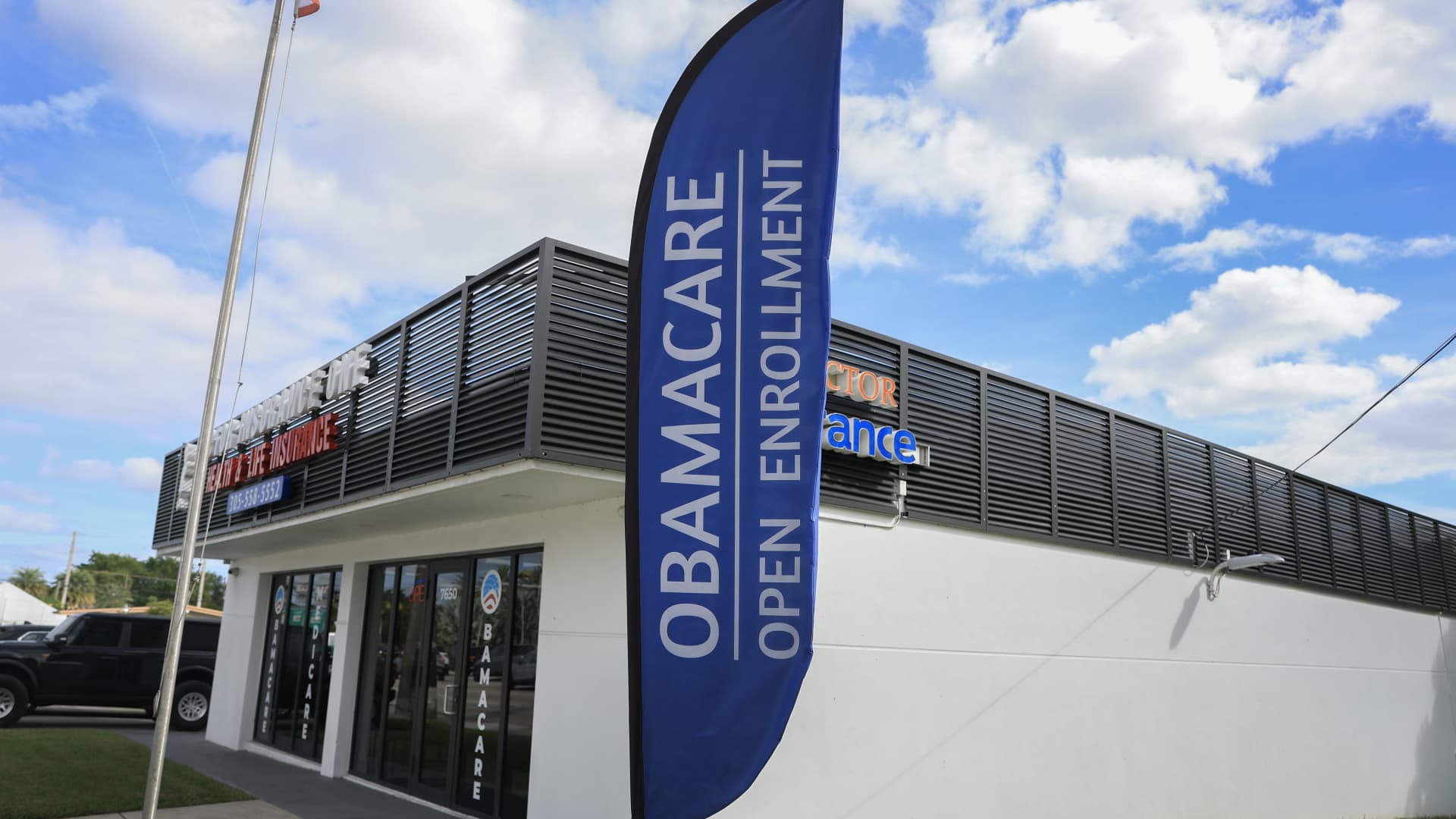
- Decline in Coverage: A KFF survey reveals that approximately 9% of ACA marketplace enrollees lost their insurance after the expiration of subsidies, indicating a direct impact of rising premiums that may lead to more individuals facing healthcare cost burdens.
- Significant Premium Increases: With the lapse of enhanced premium tax credits, average premiums for ACA enrollees are expected to double by 2026, exacerbating financial pressures on households and affecting their spending capabilities.
- Voter Sentiment Shift: The survey indicates that 54% of returning ACA enrollees blame rising healthcare costs on congressional Republicans and Trump, suggesting that healthcare affordability could become a pivotal political issue in the upcoming midterm elections, influencing voter turnout.
- Household Financial Strain: About 55% of ACA enrollees report cutting back on essential expenses like food and clothing to afford healthcare costs, highlighting the profound impact of medical expenses on household finances, which could lead to higher unemployment rates and economic instability.
HealthEquity Appoints New Board Member
- Board Expansion: HealthEquity announced the election of William Gassen, CEO of Sanford Health, to its board effective March 26, 2026, increasing the board to 10 members, 8 of whom are independent, thereby enhancing corporate governance.
- Rich Industry Experience: Gassen has served as CEO of Sanford Health since November 2020, leading the nation's largest rural health system, and his insights into healthcare delivery and financing will strengthen HealthEquity's ability to navigate challenges in the healthcare system.
- Focus on Affordability: Gassen emphasized that affordability in healthcare remains a significant challenge for many families and employers, and HealthEquity plays a crucial role in helping individuals prepare for and make informed decisions about healthcare spending, reinforcing the company's market position.
- Educational Background and Credentials: Gassen holds a bachelor's degree in criminal justice and a J.D. from the University of South Dakota, and has held several senior leadership roles in healthcare, providing a strong foundation to support HealthEquity's strategic development.
HealthEquity Appoints New Board Member to Enhance Governance
- Board Expansion: HealthEquity announced the election of William Gassen, CEO of Sanford Health, to its board effective March 26, 2026, increasing the board to 10 members, 8 of whom are independent, thereby enhancing corporate governance.
- Rich Industry Experience: Gassen's leadership experience at Sanford Health will provide HealthEquity with deep insights into healthcare delivery and financing, helping the company better address the challenges faced by consumers, providers, and employers in the healthcare system.
- Focus on Affordability: Gassen emphasized that affordability in healthcare remains a significant challenge for many families and employers, and HealthEquity plays a crucial role in helping people prepare for healthcare expenses, further solidifying the company's market position.
- Educational Background and Professional Experience: Gassen holds a bachelor's degree in criminal justice and a J.D. from the University of South Dakota, and has held several senior leadership roles at Sanford Health, bringing a diverse perspective to the board.
HEALTHEQUITY NAMES BILL GASSEN, CEO OF SANFORD HEALTH, TO ITS BOARD OF DIRECTORS
Health Equity Appointment: Bill Gassen has been appointed as the CEO of Sanford Health, focusing on health equity initiatives.
Board of Directors: Gassen will also serve on the Board of Directors, contributing to strategic decisions and governance.
Riot Platforms Options Volume Surges
- Surge in Options Volume: Riot Platforms Inc has seen options trading volume reach 124,196 contracts today, equating to approximately 12.4 million shares, indicating a trading activity level of 71.4% of its average daily volume over the past month.
- High-Frequency Trading Insight: Notably, the $14 strike put option expiring on March 27, 2026, has recorded a trading volume of 10,492 contracts today, representing about 1.0 million shares, reflecting market interest at this price point.
- NextNav Options Performance: NextNav Inc's options trading volume stands at 10,570 contracts, approximately 1.1 million shares, which constitutes 69.5% of its average daily trading volume over the past month, indicating rising market participation.
- Market Trend Observation: Particularly, the $19 strike call option expiring on June 18, 2026, has seen a trading volume of 2,509 contracts today, representing around 250,900 shares, suggesting investor expectations for future price increases.
Survey Reveals Rising Uninsured Rate Among ACA Marketplace Participants
- Rising Uninsured Rates: A survey by the Kaiser Family Foundation reveals that nearly 10% of Americans who had health coverage through ACA marketplace plans in 2025 are uninsured in 2026, highlighting the significant impact of expired subsidies.
- Premium Increases: Among those who renewed their plans, 80% reported that their premiums, deductibles, or coinsurance are higher than last year, with about half indicating the increases are 'a lot higher,' which could exacerbate financial strain on households.
- Concerns Over Medical Costs: The survey indicates that nearly 75% of respondents are worried about affording costs for emergency care or hospitalizations, reflecting heightened anxiety over medical expenses that may influence their healthcare decisions.
- Trends in Plan Switching: Of the 69% of respondents who still have marketplace coverage, approximately 39% retained the same plan as last year while 28% switched, with 71% citing cost as a major factor, indicating increasing price sensitivity in the marketplace.
Americans Drop Health Insurance Coverage as Premiums Surge
- Decline in Coverage: A KFF survey reveals that approximately 9% of ACA marketplace enrollees lost their insurance after the expiration of subsidies, indicating a direct impact of rising premiums that may lead to more individuals facing healthcare cost burdens.
- Significant Premium Increases: With the lapse of enhanced premium tax credits, average premiums for ACA enrollees are expected to double by 2026, exacerbating financial pressures on households and affecting their spending capabilities.
- Voter Sentiment Shift: The survey indicates that 54% of returning ACA enrollees blame rising healthcare costs on congressional Republicans and Trump, suggesting that healthcare affordability could become a pivotal political issue in the upcoming midterm elections, influencing voter turnout.
- Household Financial Strain: About 55% of ACA enrollees report cutting back on essential expenses like food and clothing to afford healthcare costs, highlighting the profound impact of medical expenses on household finances, which could lead to higher unemployment rates and economic instability.