Old Dominion Freight Line Reports February Revenue Decline
Old Dominion Freight Line's stock fell by 7.02% as it crossed below the 5-day SMA amid broader market declines.
In February 2026, Old Dominion Freight Line reported a 3.3% decrease in daily revenue compared to February 2025, primarily due to a 6.8% drop in LTL tons per day, indicating signs of weakened market demand despite an increase in revenue per hundredweight. The company experienced a 7.0% decline in LTL shipments per day, reflecting uncertainty in the economic environment. CEO Marty Freeman expressed cautious optimism regarding the domestic economy's outlook, asserting that the company is well-positioned to manage incremental volume opportunities and enhance shareholder value despite the challenges faced.
The decline in revenue and shipment volume raises concerns about the company's market position, but the management's focus on yield management strategies may provide a pathway for future growth.
Trade with 70% Backtested Accuracy
Analyst Views on ODFL

About ODFL
About the author


Long-Term Investment Outlook for Transportation Stocks
- Operational Efficiency Boost: Union Pacific Railroad set records across six key efficiency metrics in Q1, significantly enhancing freight car velocity and locomotive productivity, which drove a 6% increase in earnings per share, showcasing its operational excellence in the transportation sector.
- Earnings Growth Outlook: Union Pacific expects a compound annual growth rate in earnings per share of high-single to low-double digits through 2027, a trend that will support its dividend growth plans and attract long-term investor interest.
- Commitment to Shareholder Returns: Old Dominion Freight Line has been a top performer over the past 25 years, and despite a decline in operating ratio in Q1, its high-quality industry position and a 7.7% dividend increase commitment provide confidence for investors.
- Market Competitive Advantage: Kirby Company dominates barge shipping on the Mississippi River, reporting a 45% revenue growth in its power generation business in Q1 and raising its 2026 earnings per share growth forecast, indicating strong long-term investment potential in the transportation sector.

Middle East Tensions Weigh on Stock Market Performance


- Market Decline: The S&P 500 index fell by 0.41%, the Dow Jones Industrial Average dropped by 1.13%, and the Nasdaq 100 index decreased by 0.21%, reflecting investor concerns over escalating tensions in the Middle East, which dampened market sentiment.
- Oil Price Surge: WTI crude oil prices surged over 4% following exchanges of fire between the US and Iran in the Strait of Hormuz, raising inflation expectations and pushing bond yields higher, with the 10-year T-note yield reaching a five-week high of 4.46%.
- Strong Economic Data: US March factory orders rose by 1.5% month-over-month, exceeding expectations of 0.6%, marking the largest increase in four months, indicating economic resilience that could provide support to the stock market.
- Earnings Optimism: As of Monday, 82% of the 322 S&P 500 companies that reported Q1 earnings exceeded estimates, with projected earnings growth of 12% year-over-year for Q1, although excluding the technology sector, the growth is only 3%, highlighting performance disparities across sectors.
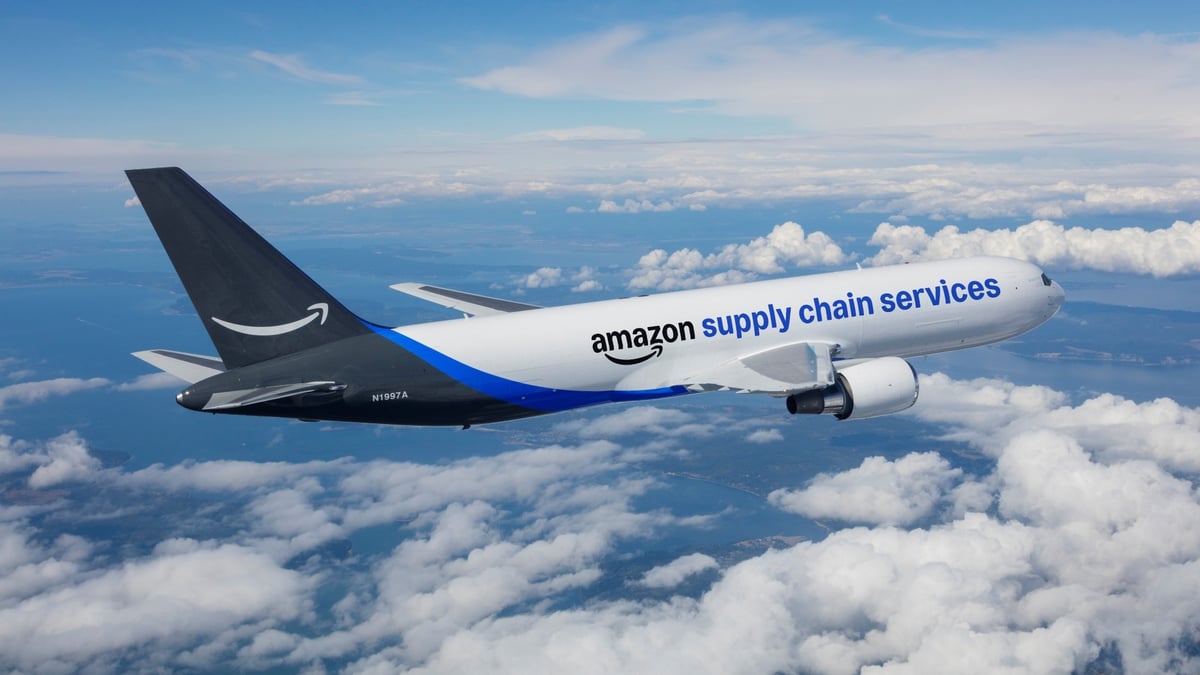
Amazon Launches Supply Chain Services, Disrupting Logistics Industry


- New Business Launch: Amazon announced the launch of Amazon Supply Chain Services (ASCS), opening its logistics network to external business customers, marking its direct competition in the logistics sector and potentially pressuring traditional delivery companies.
- Diverse Customer Base: Initial customers include Procter & Gamble, 3M, Lands' End, and American Eagle, which utilize Amazon's logistics services for raw material transportation and inventory unification, showcasing Amazon's potential in supply chain management.
- Large Market Size: The global third-party logistics services market is valued at $1.3 trillion, indicating that Amazon does not need to capture a significant market share to impact its overall business, highlighting the strategic significance of its market entry.
- Complex Competitive Outlook: While Amazon has robust infrastructure, historical precedents suggest that its threat to supermarkets and pharmacy sectors was exaggerated, indicating that its future success in logistics may still require time to validate.

Old Dominion Freight Line (ODFL.US) Director Plans to Sell $4.55 Million in Common Stock via Form 144
Stock Sale Announcement: Old Dominion Freight Line's Director, Gregory C. Gantt, plans to sell 22,107 shares of its common stock on May 4, with an estimated market value of around $4.55 million.
Reduction in Shareholding: Gregory C. Gantt has decreased his shareholding in Old Dominion Freight Line by 12,024 shares since February 9, 2026, valued at approximately $2.36 million.

US Stock Market Volatility Amid Oil Price Recovery

- Market Volatility: The S&P 500 index fell by 0.04%, the Dow Jones Industrial Average decreased by 0.42%, while the Nasdaq 100 index rose by 0.19%, indicating market fluctuations amid heightened tensions in the Strait of Hormuz, leading to cautious investor sentiment.
- Oil Price Recovery: WTI crude oil prices slightly increased following an unverified report of two missiles hitting a US patrol boat, despite US Central Command stating no US ships were struck, highlighting the market's sensitivity to geopolitical risks.
- Corporate Earnings Optimism: So far, 82% of the 317 S&P 500 companies that reported earnings exceeded expectations, with Q1 earnings projected to rise by 12% year-over-year, demonstrating corporate resilience driven by AI investments, which may support the stock market.
- Interest Rate Expectations Shift: The market discounts only a 3% chance of a 25 basis point rate cut at the upcoming FOMC meeting in June, while the ECB's rate hike expectations stand at 93%, reflecting differing investor outlooks on future monetary policy.

Amazon Supply Chain Opening Causes Freight Stocks to Plummet

- Market Reaction: Following Amazon's (AMZN) official opening of its supply chain to external businesses, C.H. Robinson Worldwide (CHRW) saw a 6.4% drop in early Monday trading, while Old Dominion Freight Line (ODFL) fell 3.8%, indicating investor concerns over the new service's impact.
- Customer List Revealed: Early adopters include Procter & Gamble (PG), 3M (MMM), Lands’ End, and American Eagle Outfitters, which are already utilizing Amazon's freight and parcel network, suggesting rapid market acceptance of Amazon's offerings.
- Technological Innovation Sparks Interest: The new service features AI demand forecasting and inventory placement models accessed through a centralized console, enhancing speed and reliability, which could significantly impact the freight logistics and trucking sectors, prompting investors to reassess industry outlooks.
- Sector-Wide Decline: In the wake of Amazon's announcement, Universal Logistics Holdings (ULH) plummeted 18.5%, while Saias (SAIA) and ArcBest (ARCB) both dropped over 5%, reflecting the overall fragility and uncertainty within the transportation industry.
Long-Term Investment Outlook for Transportation Stocks
- Operational Efficiency Boost: Union Pacific Railroad set records across six key efficiency metrics in Q1, significantly enhancing freight car velocity and locomotive productivity, which drove a 6% increase in earnings per share, showcasing its operational excellence in the transportation sector.
- Earnings Growth Outlook: Union Pacific expects a compound annual growth rate in earnings per share of high-single to low-double digits through 2027, a trend that will support its dividend growth plans and attract long-term investor interest.
- Commitment to Shareholder Returns: Old Dominion Freight Line has been a top performer over the past 25 years, and despite a decline in operating ratio in Q1, its high-quality industry position and a 7.7% dividend increase commitment provide confidence for investors.
- Market Competitive Advantage: Kirby Company dominates barge shipping on the Mississippi River, reporting a 45% revenue growth in its power generation business in Q1 and raising its 2026 earnings per share growth forecast, indicating strong long-term investment potential in the transportation sector.
Middle East Tensions Weigh on Stock Market Performance
- Market Decline: The S&P 500 index fell by 0.41%, the Dow Jones Industrial Average dropped by 1.13%, and the Nasdaq 100 index decreased by 0.21%, reflecting investor concerns over escalating tensions in the Middle East, which dampened market sentiment.
- Oil Price Surge: WTI crude oil prices surged over 4% following exchanges of fire between the US and Iran in the Strait of Hormuz, raising inflation expectations and pushing bond yields higher, with the 10-year T-note yield reaching a five-week high of 4.46%.
- Strong Economic Data: US March factory orders rose by 1.5% month-over-month, exceeding expectations of 0.6%, marking the largest increase in four months, indicating economic resilience that could provide support to the stock market.
- Earnings Optimism: As of Monday, 82% of the 322 S&P 500 companies that reported Q1 earnings exceeded estimates, with projected earnings growth of 12% year-over-year for Q1, although excluding the technology sector, the growth is only 3%, highlighting performance disparities across sectors.
Amazon Launches Supply Chain Services, Disrupting Logistics Industry
- New Business Launch: Amazon announced the launch of Amazon Supply Chain Services (ASCS), opening its logistics network to external business customers, marking its direct competition in the logistics sector and potentially pressuring traditional delivery companies.
- Diverse Customer Base: Initial customers include Procter & Gamble, 3M, Lands' End, and American Eagle, which utilize Amazon's logistics services for raw material transportation and inventory unification, showcasing Amazon's potential in supply chain management.
- Large Market Size: The global third-party logistics services market is valued at $1.3 trillion, indicating that Amazon does not need to capture a significant market share to impact its overall business, highlighting the strategic significance of its market entry.
- Complex Competitive Outlook: While Amazon has robust infrastructure, historical precedents suggest that its threat to supermarkets and pharmacy sectors was exaggerated, indicating that its future success in logistics may still require time to validate.
Old Dominion Freight Line (ODFL.US) Director Plans to Sell $4.55 Million in Common Stock via Form 144
Stock Sale Announcement: Old Dominion Freight Line's Director, Gregory C. Gantt, plans to sell 22,107 shares of its common stock on May 4, with an estimated market value of around $4.55 million.
Reduction in Shareholding: Gregory C. Gantt has decreased his shareholding in Old Dominion Freight Line by 12,024 shares since February 9, 2026, valued at approximately $2.36 million.
US Stock Market Volatility Amid Oil Price Recovery
- Market Volatility: The S&P 500 index fell by 0.04%, the Dow Jones Industrial Average decreased by 0.42%, while the Nasdaq 100 index rose by 0.19%, indicating market fluctuations amid heightened tensions in the Strait of Hormuz, leading to cautious investor sentiment.
- Oil Price Recovery: WTI crude oil prices slightly increased following an unverified report of two missiles hitting a US patrol boat, despite US Central Command stating no US ships were struck, highlighting the market's sensitivity to geopolitical risks.
- Corporate Earnings Optimism: So far, 82% of the 317 S&P 500 companies that reported earnings exceeded expectations, with Q1 earnings projected to rise by 12% year-over-year, demonstrating corporate resilience driven by AI investments, which may support the stock market.
- Interest Rate Expectations Shift: The market discounts only a 3% chance of a 25 basis point rate cut at the upcoming FOMC meeting in June, while the ECB's rate hike expectations stand at 93%, reflecting differing investor outlooks on future monetary policy.
Amazon Supply Chain Opening Causes Freight Stocks to Plummet
- Market Reaction: Following Amazon's (AMZN) official opening of its supply chain to external businesses, C.H. Robinson Worldwide (CHRW) saw a 6.4% drop in early Monday trading, while Old Dominion Freight Line (ODFL) fell 3.8%, indicating investor concerns over the new service's impact.
- Customer List Revealed: Early adopters include Procter & Gamble (PG), 3M (MMM), Lands’ End, and American Eagle Outfitters, which are already utilizing Amazon's freight and parcel network, suggesting rapid market acceptance of Amazon's offerings.
- Technological Innovation Sparks Interest: The new service features AI demand forecasting and inventory placement models accessed through a centralized console, enhancing speed and reliability, which could significantly impact the freight logistics and trucking sectors, prompting investors to reassess industry outlooks.
- Sector-Wide Decline: In the wake of Amazon's announcement, Universal Logistics Holdings (ULH) plummeted 18.5%, while Saias (SAIA) and ArcBest (ARCB) both dropped over 5%, reflecting the overall fragility and uncertainty within the transportation industry.