Norwegian Cruise Line Shares Drop Amid Disappointing Earnings and Management Changes
Norwegian Cruise Line Holdings Ltd (NCLH) has seen its stock price decline by 5.64%, hitting a 20-day low, following a series of disappointing earnings results and management changes.
The recent earnings report revealed that while revenue increased year-over-year, it fell short of expectations, leading to a significant drop in investor confidence. Additionally, activist investor Elliott Management has acquired nearly a 10% stake and is pushing for board changes to improve performance, which comes on the heels of a CEO change that may not have been well-received by investors. This combination of factors has contributed to a negative sentiment surrounding the stock, despite some positive indicators in revenue management.
The implications of these developments suggest that Norwegian Cruise Line is facing a challenging environment, with management under pressure to address execution issues and restore investor confidence. The stock's decline reflects broader market weakness, particularly in the travel sector, as geopolitical tensions and economic uncertainties continue to impact investor sentiment.
Trade with 70% Backtested Accuracy
Analyst Views on NCLH

About NCLH
About the author

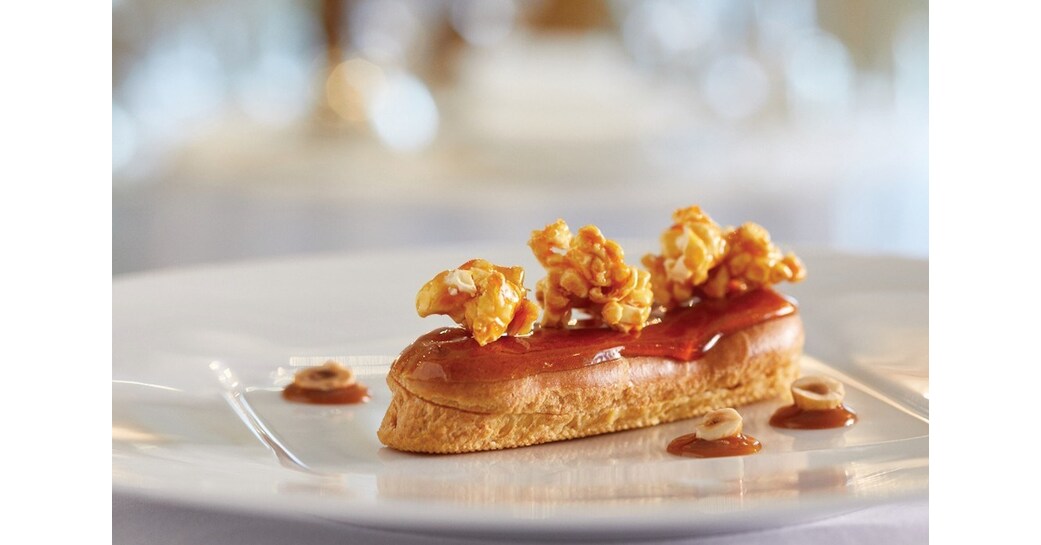
Oceania Cruises Launches The Floating Pastry Academy
- Innovative Training Program: Oceania Cruises has partnered with renowned digital training platform The Butter Book® to launch The Floating Pastry Academy, marking the first multi-year online chef training initiative in the cruise industry aimed at enhancing onboard culinary expertise.
- Large Participation: Over 200 pastry and bakery chefs from Oceania Cruises will engage in the three-year training program, which combines theoretical knowledge with practical assessments to elevate their professional skills in pastry making.
- Hybrid Learning Approach: The program will utilize a blend of online and onboard practical evaluations, enhancing training flexibility while ensuring chefs can apply their knowledge in real-world settings, thereby improving overall service quality.
- Significant Industry Impact: This innovative initiative is expected to elevate Oceania Cruises' dining service standards and may serve as a benchmark for other companies in the cruise industry, further driving the sector's professionalization and upscale development.
Oceania Cruises Launches The Floating Pastry Academy
- Innovative Training Program: Oceania Cruises has partnered with The Butter Book to launch The Floating Pastry Academy, which aims to train over 200 pastry chefs over three years through a blend of theoretical and practical assessments, enhancing onboard culinary expertise and artistic precision.
- Industry-First Model: This academy establishes a long-term model for pastry education at sea, incorporating role specialization and certification at each stage, ensuring new team members acquire essential foundational skills, thereby elevating overall service standards and guest experiences.
- Cultural Heritage and Innovation: The program emphasizes the preservation of French culinary heritage while reinforcing Oceania Cruises' competitive edge in the luxury cruise market through ongoing investment and training, ensuring its leadership in high-end dining.
- Future Development Plans: The launch of The Floating Pastry Academy complements the upcoming La Table par Maîtres Cuisiniers de France restaurant, set to debut on the new Oceania Sonata in 2027, further solidifying the brand's culinary reputation.
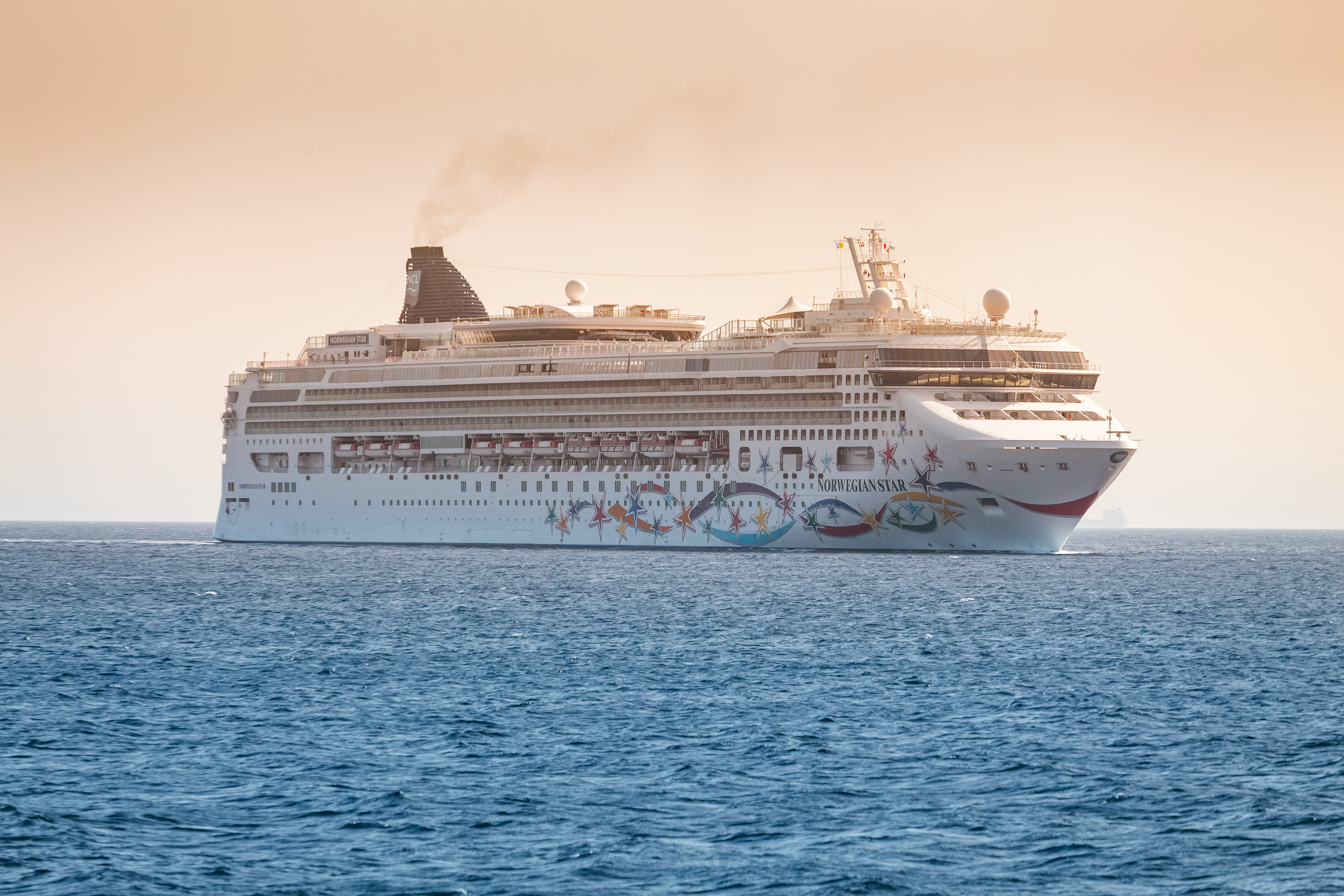
Norwegian Cruise Line Shares Recover Amid Analyst Support
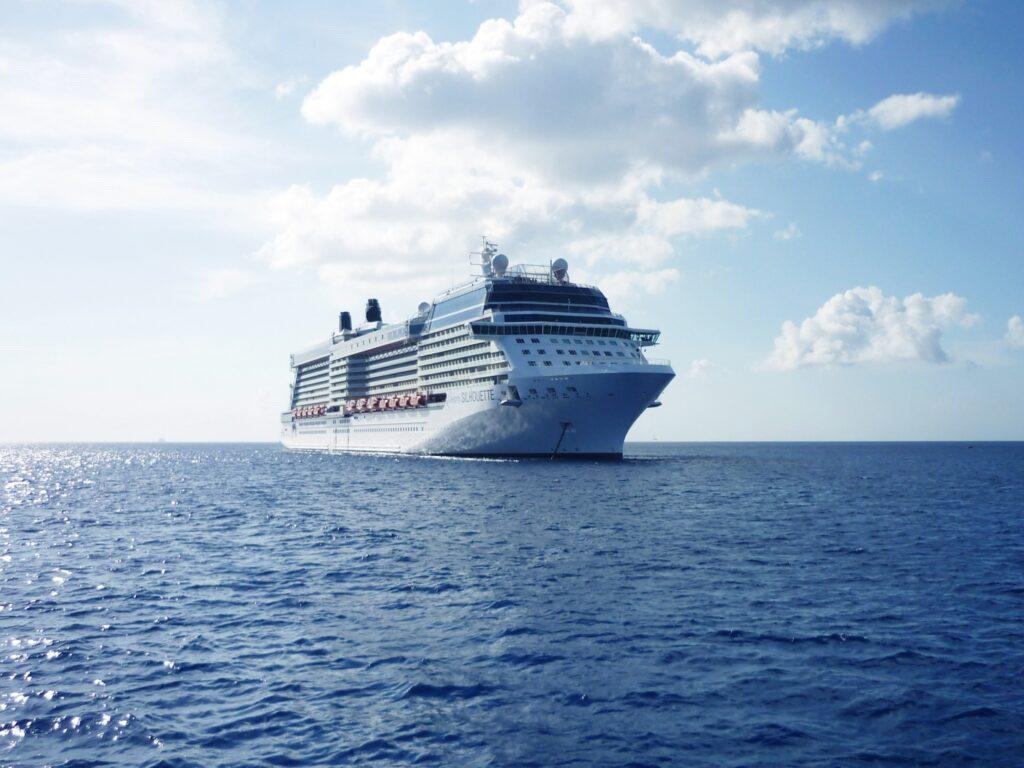
- Share Recovery: After three days of declines, Norwegian Cruise Line Holdings (NCLH) shares are rising due to a retreat in oil prices, indicating a gradual restoration of market confidence in the company's future.
- Analyst Endorsement: Stifel analyst Steven Wieczynski highlights that investors are misinterpreting management's yield guidance, believing the company is overly conservative for 2026, while asserting that no significant changes have occurred since their mid-March meeting with the CEO.
- Yield Forecast Adjustment: The company anticipates a ~1.6% contraction in net yield for 2026, yet expects net yields to stabilize and modestly improve by 0.6% for the year, demonstrating resilience in the face of pricing pressures.
- Investment Recommendation: Wieczynski advises investors to take advantage of the current market dislocation to accumulate NCLH shares for the long term, believing the company can maintain meaningful profitability under most scenarios.

Entergy Partners with Meta, Stock Surges Over 8%


- Entergy Stock Surge: Entergy's stock jumped over 8% after announcing a partnership with Meta, which is expected to save Louisiana customers approximately $2 billion over 20 years, significantly enhancing the company's competitive position in the energy market.
- Carnival Lowers Profit Guidance: Carnival revised its full-year adjusted profit forecast down to about $2.21 per share from $2.48, resulting in a more than 3% drop in its stock price and causing peers like Norwegian Cruise Line and Royal Caribbean to experience similar declines.
- Meta Stock Decline: Meta's shares fell over 3% due to losing two pivotal court cases and announcing layoffs, leading to an 11% drop over the week, highlighting the legal and operational challenges the company is currently facing.
- Argan Exceeds Earnings Expectations: Argan reported fourth-quarter earnings of $3.47 per share on revenue of $262.1 million, surpassing analyst expectations, which led to a 35% increase in its stock price, showcasing its strong market performance and growth potential.
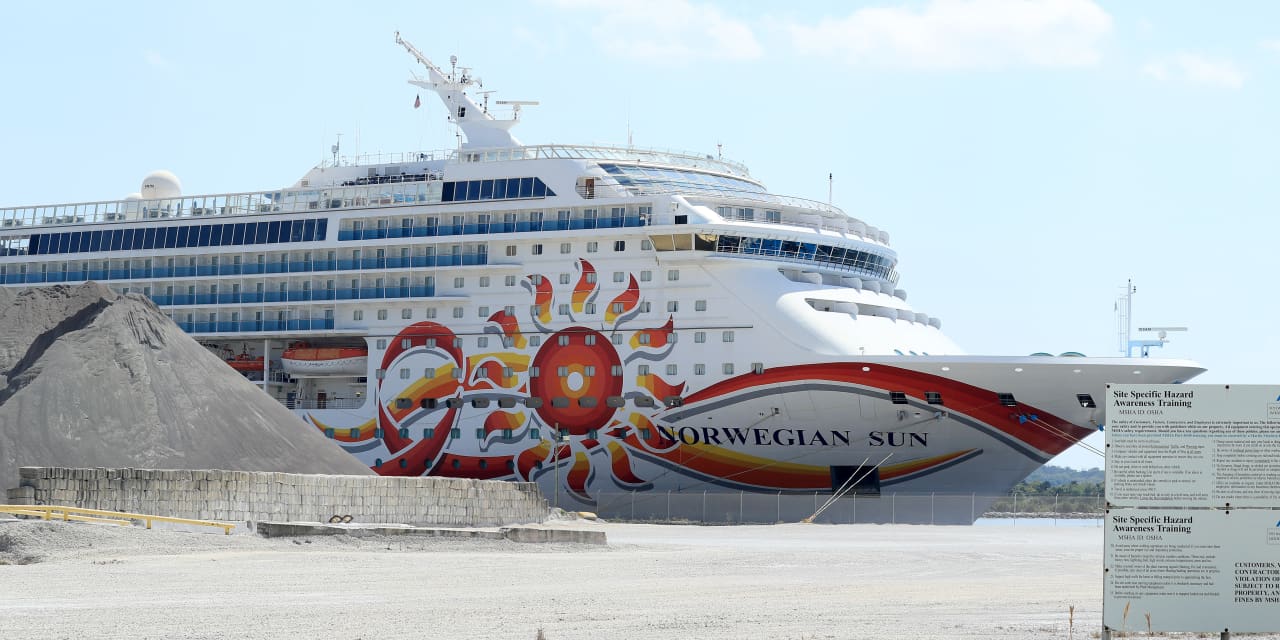
Norwegian Cruise Shares Decline Amid Rising Fuel Costs, Even with Elliott Agreement
- New Directors Appointed: Norwegian Cruise Line appointed five new directors as part of a strategic move.
- Deal with Elliott Investment Management: The appointments were made following a deal with activist investor Elliott Investment Management.
- Market Reaction: Typically, such changes might boost stock prices, but this time it did not have the expected effect.
- Context of the Situation: The current market environment may have influenced the stock's performance despite the leadership changes.
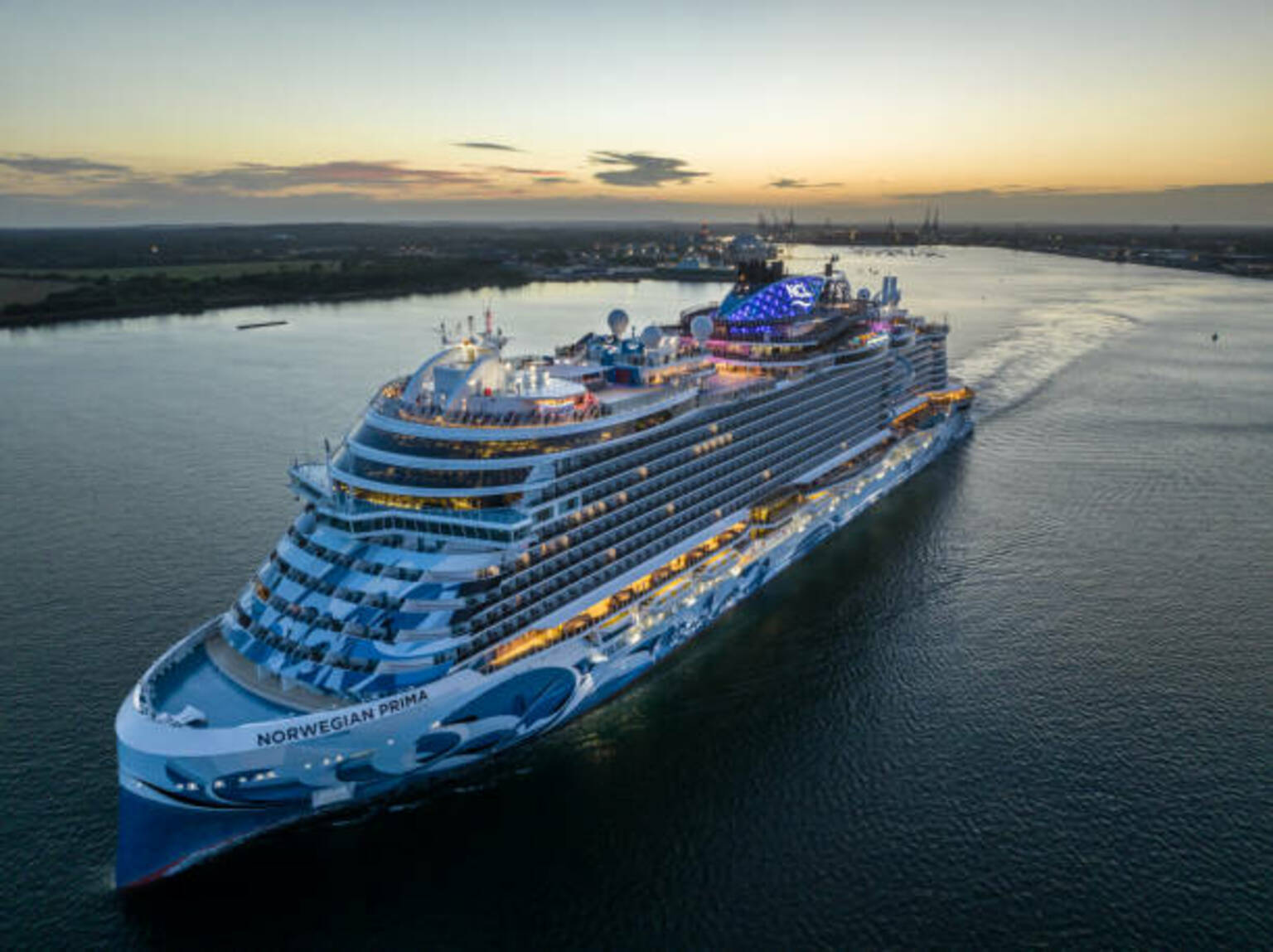
Norwegian Cruise Line Board Restructuring
- Board Member Replacement: Norwegian Cruise Line Holdings (NCLH) has replaced four board members and added one new member as part of an agreement with Elliott Investment Management, reaffirming the company's commitment to board refreshment and shareholder value creation.
- Executive Appointments: New board members include Alex Cruz, former chairman and CEO of British Airways, among five executives, increasing the board to nine members, eight of whom are independent, aimed at enhancing corporate governance.
- Strategic Commitment: Elliott's criticism of the company's 2026 outlook prompted the board restructuring, emphasizing the need to end inconsistent strategy, weak execution, and poor cost discipline to improve operational performance and seize market opportunities.
- Executive Compensation Agreement: NCLH signed a compensation agreement with CEO John Chidsey, providing a base salary of $1.72 million and a fixed 2026 bonus of $2.9 million, reflecting the company's focus on executive incentive mechanisms.
Oceania Cruises Launches The Floating Pastry Academy
- Innovative Training Program: Oceania Cruises has partnered with renowned digital training platform The Butter Book® to launch The Floating Pastry Academy, marking the first multi-year online chef training initiative in the cruise industry aimed at enhancing onboard culinary expertise.
- Large Participation: Over 200 pastry and bakery chefs from Oceania Cruises will engage in the three-year training program, which combines theoretical knowledge with practical assessments to elevate their professional skills in pastry making.
- Hybrid Learning Approach: The program will utilize a blend of online and onboard practical evaluations, enhancing training flexibility while ensuring chefs can apply their knowledge in real-world settings, thereby improving overall service quality.
- Significant Industry Impact: This innovative initiative is expected to elevate Oceania Cruises' dining service standards and may serve as a benchmark for other companies in the cruise industry, further driving the sector's professionalization and upscale development.
Oceania Cruises Launches The Floating Pastry Academy
- Innovative Training Program: Oceania Cruises has partnered with The Butter Book to launch The Floating Pastry Academy, which aims to train over 200 pastry chefs over three years through a blend of theoretical and practical assessments, enhancing onboard culinary expertise and artistic precision.
- Industry-First Model: This academy establishes a long-term model for pastry education at sea, incorporating role specialization and certification at each stage, ensuring new team members acquire essential foundational skills, thereby elevating overall service standards and guest experiences.
- Cultural Heritage and Innovation: The program emphasizes the preservation of French culinary heritage while reinforcing Oceania Cruises' competitive edge in the luxury cruise market through ongoing investment and training, ensuring its leadership in high-end dining.
- Future Development Plans: The launch of The Floating Pastry Academy complements the upcoming La Table par Maîtres Cuisiniers de France restaurant, set to debut on the new Oceania Sonata in 2027, further solidifying the brand's culinary reputation.
Norwegian Cruise Line Shares Recover Amid Analyst Support
- Share Recovery: After three days of declines, Norwegian Cruise Line Holdings (NCLH) shares are rising due to a retreat in oil prices, indicating a gradual restoration of market confidence in the company's future.
- Analyst Endorsement: Stifel analyst Steven Wieczynski highlights that investors are misinterpreting management's yield guidance, believing the company is overly conservative for 2026, while asserting that no significant changes have occurred since their mid-March meeting with the CEO.
- Yield Forecast Adjustment: The company anticipates a ~1.6% contraction in net yield for 2026, yet expects net yields to stabilize and modestly improve by 0.6% for the year, demonstrating resilience in the face of pricing pressures.
- Investment Recommendation: Wieczynski advises investors to take advantage of the current market dislocation to accumulate NCLH shares for the long term, believing the company can maintain meaningful profitability under most scenarios.
Entergy Partners with Meta, Stock Surges Over 8%
- Entergy Stock Surge: Entergy's stock jumped over 8% after announcing a partnership with Meta, which is expected to save Louisiana customers approximately $2 billion over 20 years, significantly enhancing the company's competitive position in the energy market.
- Carnival Lowers Profit Guidance: Carnival revised its full-year adjusted profit forecast down to about $2.21 per share from $2.48, resulting in a more than 3% drop in its stock price and causing peers like Norwegian Cruise Line and Royal Caribbean to experience similar declines.
- Meta Stock Decline: Meta's shares fell over 3% due to losing two pivotal court cases and announcing layoffs, leading to an 11% drop over the week, highlighting the legal and operational challenges the company is currently facing.
- Argan Exceeds Earnings Expectations: Argan reported fourth-quarter earnings of $3.47 per share on revenue of $262.1 million, surpassing analyst expectations, which led to a 35% increase in its stock price, showcasing its strong market performance and growth potential.
Norwegian Cruise Shares Decline Amid Rising Fuel Costs, Even with Elliott Agreement
- New Directors Appointed: Norwegian Cruise Line appointed five new directors as part of a strategic move.
- Deal with Elliott Investment Management: The appointments were made following a deal with activist investor Elliott Investment Management.
- Market Reaction: Typically, such changes might boost stock prices, but this time it did not have the expected effect.
- Context of the Situation: The current market environment may have influenced the stock's performance despite the leadership changes.
Norwegian Cruise Line Board Restructuring
- Board Member Replacement: Norwegian Cruise Line Holdings (NCLH) has replaced four board members and added one new member as part of an agreement with Elliott Investment Management, reaffirming the company's commitment to board refreshment and shareholder value creation.
- Executive Appointments: New board members include Alex Cruz, former chairman and CEO of British Airways, among five executives, increasing the board to nine members, eight of whom are independent, aimed at enhancing corporate governance.
- Strategic Commitment: Elliott's criticism of the company's 2026 outlook prompted the board restructuring, emphasizing the need to end inconsistent strategy, weak execution, and poor cost discipline to improve operational performance and seize market opportunities.
- Executive Compensation Agreement: NCLH signed a compensation agreement with CEO John Chidsey, providing a base salary of $1.72 million and a fixed 2026 bonus of $2.9 million, reflecting the company's focus on executive incentive mechanisms.