Nikon Plans to Compete with ASML by Lowering Prices
Written by Emily J. Thompson, Senior Investment Analyst
Updated: May 29 2026
0mins
Source: seekingalpha
ASML Holding NV's stock rose by 3.00% and reached a 52-week high amid positive market conditions.
Nikon's new CEO Yasuhiro Ohmura announced plans to lower prices on semiconductor photolithography equipment to compete with ASML, which is expected to attract more customers and increase market share. This competitive pricing strategy highlights the ongoing rivalry in the semiconductor equipment market, where ASML has been a dominant player.
The implications of Nikon's strategy could lead to increased pressure on ASML's pricing and market share, potentially impacting its future revenue growth. Investors will be closely monitoring how ASML responds to this competitive challenge.
Trade with 70% Backtested Accuracy
Stop guessing "Should I Buy ASML?" and start using high-conviction signals backed by rigorous historical data.
Sign up today to access powerful investing tools and make smarter, data-driven decisions.
Analyst Views on ASML
Wall Street analysts forecast ASML stock price to fall
12 Analyst Rating
12 Buy
0 Hold
0 Sell
Strong Buy
Current: 1867.830

Low
1385
Averages
1583
High
1911
Current: 1867.830
Low
1385
Averages
1583
High
1911
About ASML
ASML Holding N.V. is a holding company based in the Netherlands. The Company operates through its subsidiaries in the Netherlands, the United States, Italy, France, Germany, the United Kingdom, Ireland, Belgium, South Korea, Taiwan, Singapore, China, Hong Kong, Japan, Malaysia and Israel. The Company operates through one business segment which is engage in development, production, marketing, sales, upgrading and servicing of advanced semiconductor equipment systems, consisting of lithography, metrology and inspection systems. The Company offers TWINSCAN systems, equipped with lithography system with a mercury lamp as light source (i-line), Krypton Fluoride (KrF) and Argon Fluoride (ArF) light sources for processing wafers for manufacturing environments for which imaging at a small resolution is required. TWINSCAN systems also include immersion lithography systems (TWINSCAN immersion systems).
About the author

Emily J. Thompson
Emily J. Thompson, a Chartered Financial Analyst (CFA) with 12 years in investment research, graduated with honors from the Wharton School. Specializing in industrial and technology stocks, she provides in-depth analysis for Intellectia’s earnings and market brief reports.
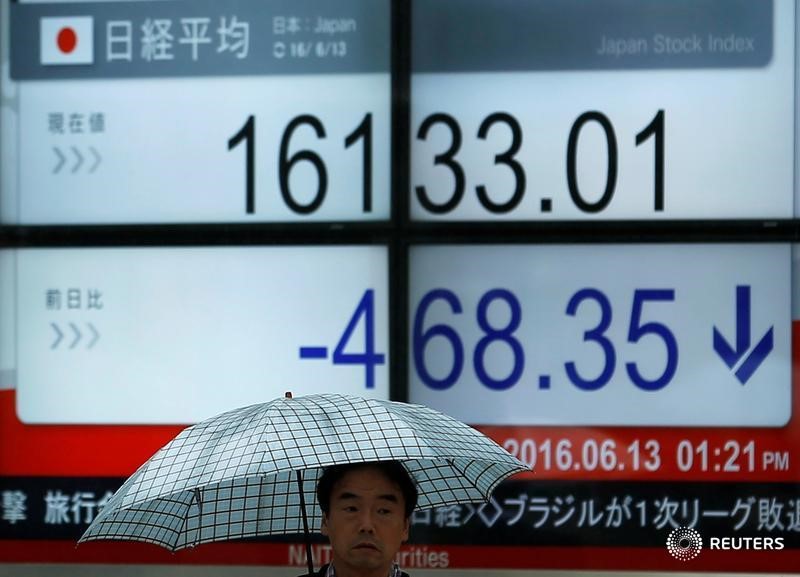
ASML: The Most Valuable Company in Europe
- Market Dominance: ASML holds a near-monopoly in photolithography, particularly with extreme ultraviolet machines, making it essential for global chip manufacturers, with a market cap of approximately $730 billion, highlighting its irreplaceable role in the tech sector.
- Strong Financial Performance: Last year, ASML reported sales of €33 billion, with a 54% growth over the past three years and a gross margin of around 30%, indicating robust profitability and sustained market demand.
- Significant Investment Potential: Despite ASML's stock rising 77% this year and 170% over five years, its price-to-earnings ratio exceeds 60, reflecting investor confidence in its future growth, especially with ongoing demand for AI and advanced chips.
- Long-Term Holding Value: ASML's competitive advantages and wide moat make it an ideal long-term investment, as tech companies continue to invest in the latest chips, ensuring a positive outlook for its business and attracting attention from investors like Musk.
See More
US Stocks Plunge as Tech Sector Weighs Down Market


- Market Weakness: On Wednesday, the S&P 500 Index fell by 1.21%, the Dow Jones Industrial Average dropped by 0.98%, and the Nasdaq 100 Index declined by 0.99%, reflecting market concerns over potential interest rate hikes by the Fed, particularly amid weak performance in technology stocks.
- Economic Data Support: Despite the market downturn, US May retail sales rose by 0.9% month-over-month, surpassing expectations of 0.6%, indicating resilient consumer demand, while pending home sales increased by 3.8% month-over-month, marking the largest gain in 20 months, potentially providing some support to the market.
- Fed Policy Outlook: The Fed maintained interest rates at its meeting on Wednesday but indicated through its dot plot that at least one more 25 basis point hike is expected this year, with the 2026 year-end federal funds rate projection raised to 3.75%, reflecting a cautious outlook on future economic conditions.
- International Market Response: While US stocks declined, overseas markets performed strongly, with the Euro Stoxx 50 reaching a new record high and closing up 0.68%, demonstrating global investor confidence in economic recovery, which may contrast with the US market's performance.
See More
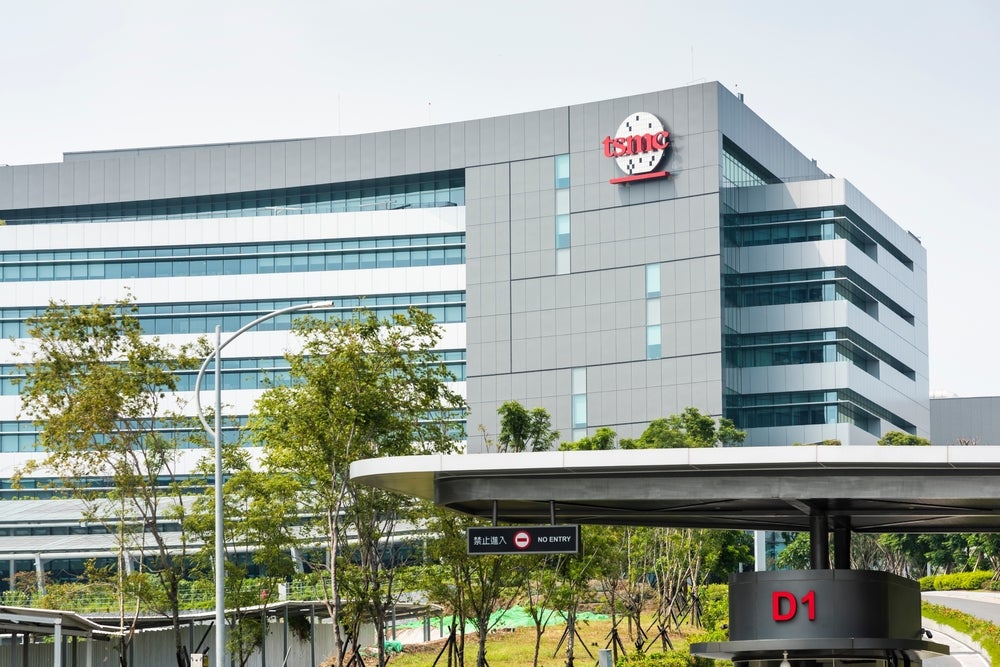
SpaceX IPO Boosts Intel Stock Recovery

- Stock Fluctuations: Intel's stock rose 4.3% on Monday, dropped on Tuesday, and rebounded on Wednesday, although it remains below the week's opening level, indicating market volatility in the semiconductor sector.
- Impact of SpaceX IPO: SpaceX's successful IPO, achieving a valuation of $2.5 trillion and raising over $80 billion in cash, is expected to lead to significant investments in semiconductors, particularly AI chips, boosting demand for Intel's products.
- AI Chip Demand: According to Lynx Equity, AI companies require substantial AI chips to train and deploy large language models, positioning Intel and Nvidia as key beneficiaries of SpaceX's spending strategy, enhancing their market presence.
- Strategic Partnership: Intel's collaboration with SpaceX to build the Terafab chip factory, which will also service Tesla, positions Intel to capitalize on the surging chip demand, potentially increasing its long-term growth prospects as a result of the SpaceX IPO phenomenon.
See More
ASML CEO Discusses New Semiconductor Opportunities
- New Project Potential: ASML CEO Christophe Fouquet indicated that Elon Musk's Terafab project could create significant business opportunities for the company, provided it effectively manages supply constraints, ensuring production capacity aligns with market demand.
- Strong AI Infrastructure Demand: Fouquet emphasized the continued strength of AI infrastructure demand, describing it as enormous, indicating that ASML will face greater growth potential in emerging areas such as data centers in the future.
- Space Data Center Prospects: At the Vivatech conference in Paris, Fouquet discussed the potential for data centers in space, suggesting new market demands may arise, further driving ASML's technology applications and market expansion.
- Unique Market Position: ASML remains the only producer of the most advanced lithography machines needed for manufacturing cutting-edge chips used in AI training, ensuring its unique competitive advantage and sustained growth in the semiconductor industry.
See More

ASML CEO Discusses Opportunities with Terafab Project

- Supply Chain Assurance: ASML CEO Christophe Fouquet emphasized the critical need to avoid supply constraints when servicing new projects like Terafab, which will directly impact the company's competitiveness and project success in emerging markets.
- AI Infrastructure Demand: Fouquet noted that the demand for AI infrastructure remains 'enormous', indicating significant opportunities for the company in future technology investments and market expansion, particularly in the data center sector.
- Terafab Project Collaboration: ASML confirmed its collaboration with SpaceX on the Terafab project, which plans to establish a semiconductor facility in Austin, Texas, with an anticipated investment of $55 billion, showcasing the company's strategic positioning in the semiconductor industry.
- Industry Leadership: ASML's extreme ultraviolet (EUV) lithography systems provide essential technological support for companies like TSMC and Intel in manufacturing advanced chips, further solidifying its leadership position in the global semiconductor equipment market.
See More

Bitzero Holdings Secures Power Supply for AI Growth

- Power Supply Bottleneck: Bitzero Holdings has secured over 1 gigawatt of low-cost power capacity across four strategic sites in Norway, Finland, and the U.S., ensuring its competitive edge in AI infrastructure and expected revenue growth.
- Major Contract Signing: The 15-year lease with OneQode Networks is projected to generate approximately $2.6 billion in total revenue, with an annual revenue potential of $178 million, showcasing Bitzero's strong potential in the high-performance computing market.
- Operational Cost Advantage: Bitzero's power cost in Norway is only 3-4 cents per kilowatt-hour, significantly lower than the U.S. average of 12 cents, providing a substantial cost advantage in the competitive AI workload landscape.
- Sustained Profitability: Bitzero is currently profitable through Bitcoin mining, with mining costs around $50,000 per Bitcoin, demonstrating infrastructure reliability under high-load conditions and instilling confidence in future AI clients.
See More
ASML: The Most Valuable Company in Europe
- Market Dominance: ASML holds a near-monopoly in photolithography, particularly with extreme ultraviolet machines, making it essential for global chip manufacturers, with a market cap of approximately $730 billion, highlighting its irreplaceable role in the tech sector.
- Strong Financial Performance: Last year, ASML reported sales of €33 billion, with a 54% growth over the past three years and a gross margin of around 30%, indicating robust profitability and sustained market demand.
- Significant Investment Potential: Despite ASML's stock rising 77% this year and 170% over five years, its price-to-earnings ratio exceeds 60, reflecting investor confidence in its future growth, especially with ongoing demand for AI and advanced chips.
- Long-Term Holding Value: ASML's competitive advantages and wide moat make it an ideal long-term investment, as tech companies continue to invest in the latest chips, ensuring a positive outlook for its business and attracting attention from investors like Musk.
See More
US Stocks Plunge as Tech Sector Weighs Down Market
- Market Weakness: On Wednesday, the S&P 500 Index fell by 1.21%, the Dow Jones Industrial Average dropped by 0.98%, and the Nasdaq 100 Index declined by 0.99%, reflecting market concerns over potential interest rate hikes by the Fed, particularly amid weak performance in technology stocks.
- Economic Data Support: Despite the market downturn, US May retail sales rose by 0.9% month-over-month, surpassing expectations of 0.6%, indicating resilient consumer demand, while pending home sales increased by 3.8% month-over-month, marking the largest gain in 20 months, potentially providing some support to the market.
- Fed Policy Outlook: The Fed maintained interest rates at its meeting on Wednesday but indicated through its dot plot that at least one more 25 basis point hike is expected this year, with the 2026 year-end federal funds rate projection raised to 3.75%, reflecting a cautious outlook on future economic conditions.
- International Market Response: While US stocks declined, overseas markets performed strongly, with the Euro Stoxx 50 reaching a new record high and closing up 0.68%, demonstrating global investor confidence in economic recovery, which may contrast with the US market's performance.
See More
SpaceX IPO Boosts Intel Stock Recovery
- Stock Fluctuations: Intel's stock rose 4.3% on Monday, dropped on Tuesday, and rebounded on Wednesday, although it remains below the week's opening level, indicating market volatility in the semiconductor sector.
- Impact of SpaceX IPO: SpaceX's successful IPO, achieving a valuation of $2.5 trillion and raising over $80 billion in cash, is expected to lead to significant investments in semiconductors, particularly AI chips, boosting demand for Intel's products.
- AI Chip Demand: According to Lynx Equity, AI companies require substantial AI chips to train and deploy large language models, positioning Intel and Nvidia as key beneficiaries of SpaceX's spending strategy, enhancing their market presence.
- Strategic Partnership: Intel's collaboration with SpaceX to build the Terafab chip factory, which will also service Tesla, positions Intel to capitalize on the surging chip demand, potentially increasing its long-term growth prospects as a result of the SpaceX IPO phenomenon.
See More
ASML CEO Discusses New Semiconductor Opportunities
- New Project Potential: ASML CEO Christophe Fouquet indicated that Elon Musk's Terafab project could create significant business opportunities for the company, provided it effectively manages supply constraints, ensuring production capacity aligns with market demand.
- Strong AI Infrastructure Demand: Fouquet emphasized the continued strength of AI infrastructure demand, describing it as enormous, indicating that ASML will face greater growth potential in emerging areas such as data centers in the future.
- Space Data Center Prospects: At the Vivatech conference in Paris, Fouquet discussed the potential for data centers in space, suggesting new market demands may arise, further driving ASML's technology applications and market expansion.
- Unique Market Position: ASML remains the only producer of the most advanced lithography machines needed for manufacturing cutting-edge chips used in AI training, ensuring its unique competitive advantage and sustained growth in the semiconductor industry.
See More
ASML CEO Discusses Opportunities with Terafab Project
- Supply Chain Assurance: ASML CEO Christophe Fouquet emphasized the critical need to avoid supply constraints when servicing new projects like Terafab, which will directly impact the company's competitiveness and project success in emerging markets.
- AI Infrastructure Demand: Fouquet noted that the demand for AI infrastructure remains 'enormous', indicating significant opportunities for the company in future technology investments and market expansion, particularly in the data center sector.
- Terafab Project Collaboration: ASML confirmed its collaboration with SpaceX on the Terafab project, which plans to establish a semiconductor facility in Austin, Texas, with an anticipated investment of $55 billion, showcasing the company's strategic positioning in the semiconductor industry.
- Industry Leadership: ASML's extreme ultraviolet (EUV) lithography systems provide essential technological support for companies like TSMC and Intel in manufacturing advanced chips, further solidifying its leadership position in the global semiconductor equipment market.
See More
Bitzero Holdings Secures Power Supply for AI Growth
- Power Supply Bottleneck: Bitzero Holdings has secured over 1 gigawatt of low-cost power capacity across four strategic sites in Norway, Finland, and the U.S., ensuring its competitive edge in AI infrastructure and expected revenue growth.
- Major Contract Signing: The 15-year lease with OneQode Networks is projected to generate approximately $2.6 billion in total revenue, with an annual revenue potential of $178 million, showcasing Bitzero's strong potential in the high-performance computing market.
- Operational Cost Advantage: Bitzero's power cost in Norway is only 3-4 cents per kilowatt-hour, significantly lower than the U.S. average of 12 cents, providing a substantial cost advantage in the competitive AI workload landscape.
- Sustained Profitability: Bitzero is currently profitable through Bitcoin mining, with mining costs around $50,000 per Bitcoin, demonstrating infrastructure reliability under high-load conditions and instilling confidence in future AI clients.
See More