Mosaic Co's Position Strengthened Amid Fertilizer Price Surge
Mosaic Co (MOS) has seen its stock price drop by 5.00%, hitting a 5-day low, as broader market conditions weigh on investor sentiment.
The recent surge in fertilizer prices, driven by geopolitical tensions in the Middle East, has positioned Mosaic favorably. Analysts have reiterated a Buy rating for Mosaic, citing its strong inventory management and expected higher phosphate prices that could offset rising input costs. This comes as the fertilizer sector anticipates significant profit increases, with Mosaic being highlighted as well-positioned to navigate these challenges despite current market pressures.
The implications for Mosaic are significant, as the company stands to benefit from the rising prices in the fertilizer market, which could enhance its profitability in the long run. Investors may view this as a strategic opportunity, especially as the agricultural sector prepares for the upcoming planting season.
Trade with 70% Backtested Accuracy
Analyst Views on MOS

About MOS
About the author


AI Momentum Drives Wall Street to New Heights


- Market Milestones: The S&P 500 reached another record close as traders absorbed tech headlines from the Computex conference in Taipei, reflecting strong investor confidence in the AI sector and signaling a potential influx of capital into major tech firms.
- Nvidia's Influence: CEO Jensen Huang's announcement of new PC processors developed with Microsoft at the conference led to a 32% surge in Marvell's stock, highlighting Huang's market influence and the potential for guiding future tech investments.
- Geopolitical Risks: Despite ongoing optimism in the AI space, geopolitical tensions, particularly the unresolved conflict between the U.S. and Iran, pose a risk to market sentiment, necessitating vigilance among investors.
- Oil Price Fluctuations: West Texas Intermediate futures rose over 1% to $94.81 per barrel due to potential disruptions in the Strait of Hormuz, indicating market sensitivity to geopolitical risks that could impact future energy investment strategies.
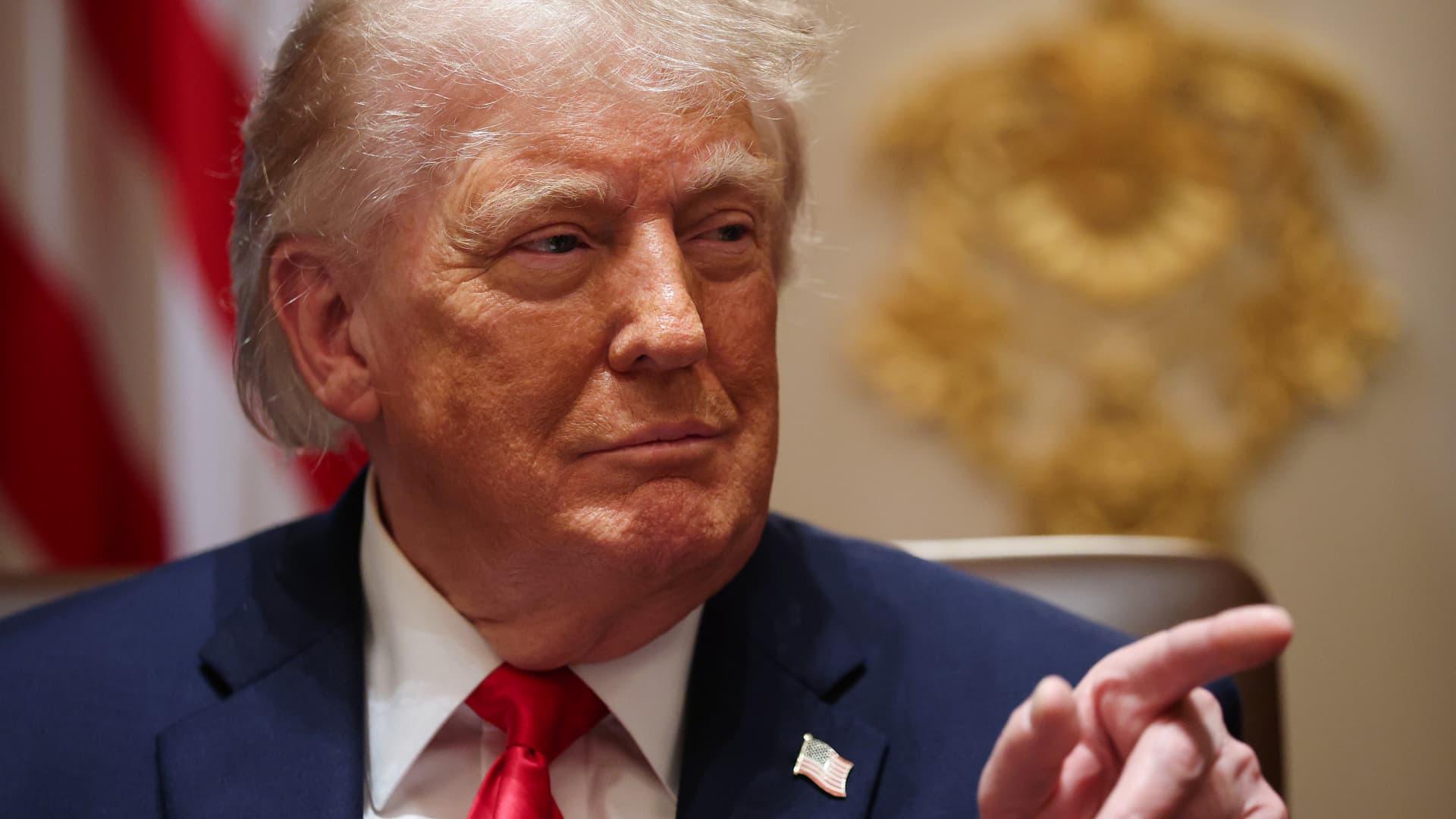
US-Iran Conflict Escalates, Oil Prices Surge Amid Economic Uncertainty
- Escalation of US-Iran Conflict: Following weeks of paused action, the US and Iran have resumed airstrikes, complicating hopes for a permanent resolution to the conflict, which is impacting global oil supplies and market sentiment.
- Strong Stock Market Performance: Despite rising geopolitical tensions, both the S&P 500 and Nasdaq Composite closed at record highs, primarily driven by a surge in AI-related stocks, indicating strong market confidence in the technology sector.
- Oil Price Warning: ExxonMobil has warned that oil inventories are on track to reach dangerously low levels in the coming weeks, forcing prices to spike and curbing demand, reflecting market concerns over energy supply.
- Wealthy Investors Pulling Out: According to the UBS Global Family Office Report, 60% of family offices plan to adjust their investment allocations in the next year, with many reducing US holdings and increasing exposure to emerging markets, highlighting a growing trend of 'de-dollarization'.

FTC Investigates Soaring Fertilizer Prices Amid U.S.-Israeli Conflict

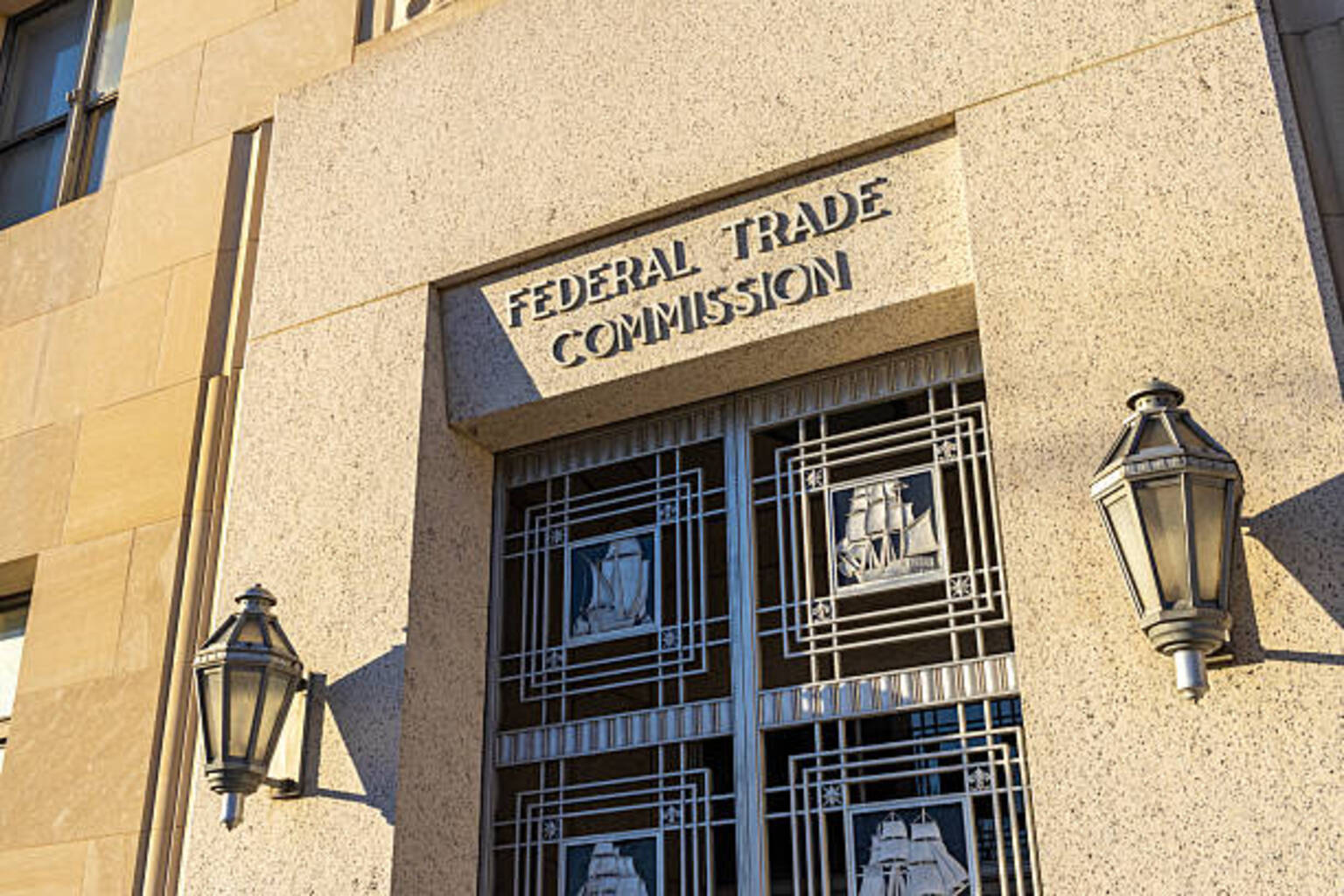
- FTC Investigation: The U.S. Federal Trade Commission has launched an industry-wide investigation into the sharp rise in fertilizer prices, particularly following the U.S.-Israeli conflict, which has caused soaring fertilizer and fuel costs, leading farmers to face a fourth consecutive year of shrinking margins.
- Price Surge Impact: Since the closure of the Strait of Hormuz in late February, urea prices have surged by 55%, while another nitrogen-based fertilizer has increased by 33%, significantly straining U.S. farmers' production costs and affecting their planting decisions.
- Increased Farmer Burden: Data from the U.S. Department of Agriculture indicates that fertilizer has seen the largest increase in input costs for farmers since 2020, with FTC Chairman noting that ongoing price hikes are an issue farmers cannot ignore, impacting agricultural sustainability.
- Call for Market Fairness: The chairman of the Texas Corn Producers Association stated that the FTC's investigation is a crucial step towards establishing a fair marketplace, emphasizing the pressure from fertilizer cartels on American agriculture and its impact on household food costs.
FTC Launches Antitrust Investigation into Rising Fertilizer Prices
- Investigation Launched: FTC Chairman Andrew Ferguson announced a sweeping antitrust investigation into soaring fertilizer prices, aimed at alleviating the financial strain high costs impose on U.S. farmers.
- Rising Costs Impact: Government data indicates that fertilizer costs have been the largest contributor to rising farm expenses since 2020, highlighting the profound impact of fertilizer market price volatility on agricultural economics.
- Increased Market Volatility: Fertilizer prices surged earlier this year due to disruptions in global trade routes caused by attacks on Iran, boosting earnings for major producers like CF Industries and Nutrien, while companies like Mosaic faced rising raw material costs.
- Regulatory Scrutiny Intensifies: This investigation complements the Justice Department's inquiries into potential price-fixing and collusion among major fertilizer manufacturers, reflecting ongoing regulatory concerns about the high concentration in the fertilizer market.
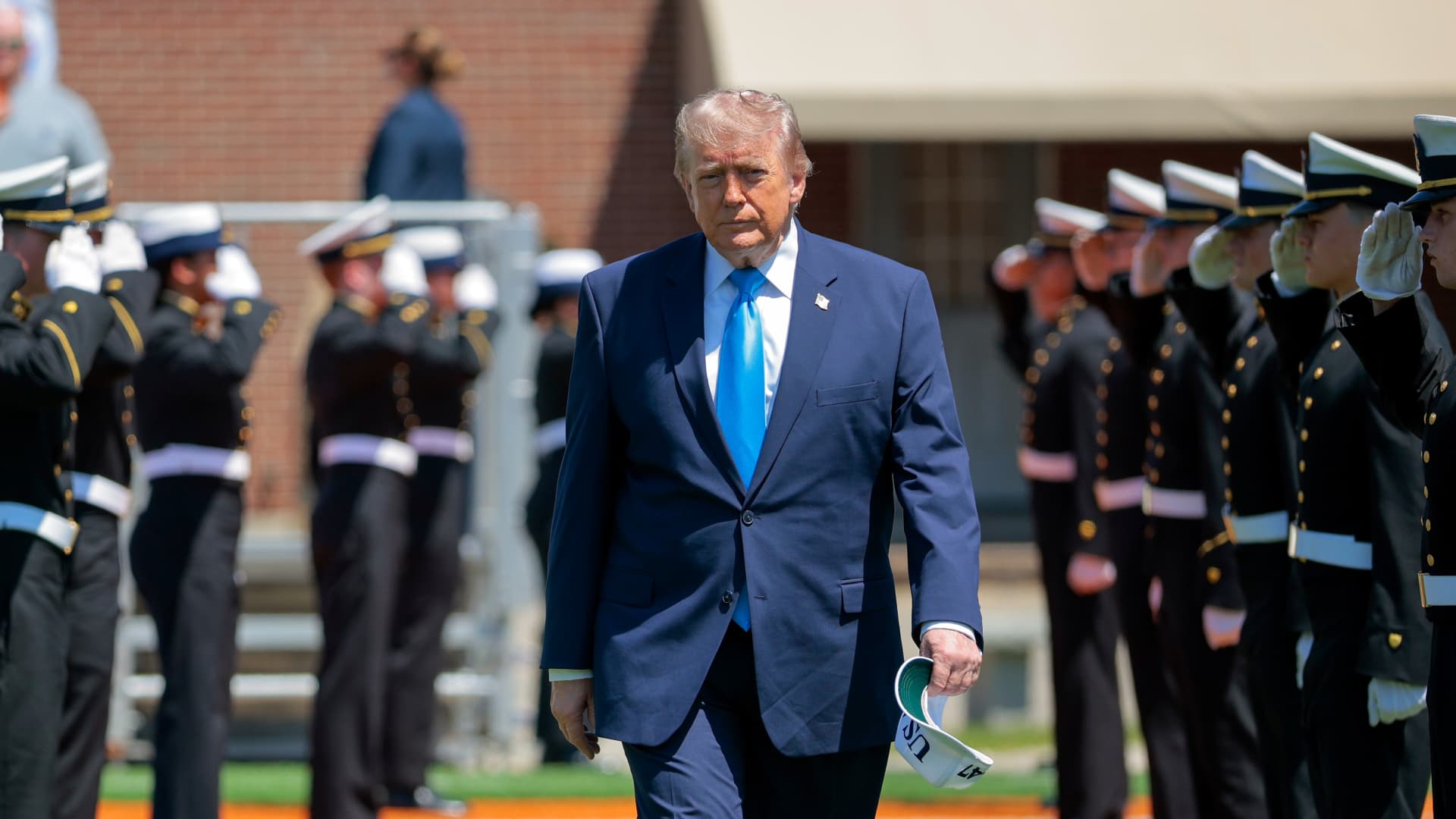
U.S.-Iran Negotiation Fluctuations Impact Markets
- Oil Price Plunge: Oil prices dropped over 5% on Wednesday after Secretary of State Marco Rubio indicated that Washington was giving Iran talks 'every chance to succeed,' reflecting market sensitivity to diplomatic efforts and potentially impacting energy sector profitability.
- Escalation of Military Actions: New U.S. airstrikes in Iran targeted a military site deemed a threat to U.S. forces and commercial maritime traffic, adding uncertainty to the ongoing diplomatic negotiations and prompting investors to reassess risk levels in the market.
- Strong Tech Stock Performance: Shares of cloud-based AI and data platform company Snowflake surged 36% following a strong earnings report and a $6 billion investment plan in Amazon Web Services, showcasing investment enthusiasm and market confidence in the tech sector amid rising AI demand.
- Inflation Data Focus: Investors are closely watching the upcoming April inflation reading, which is expected to influence the Fed's future rate decisions, as Minneapolis Fed President Neel Kashkari emphasized that lowering inflation remains a top priority, indicating market sensitivity to economic policy.
U.S. Stocks Rally as Investors Eye Middle East Developments
- Market Rally: The S&P 500 is on track for its eighth consecutive weekly gain, reflecting growing investor optimism regarding de-escalation in the Middle East and increased confidence in economic recovery.
- Dow Jones Surge: The Dow Jones Industrial Average rose by 276.31 points to a record close, indicating positive market sentiment towards U.S.-Iran peace negotiations, which could attract further investments.
- Oil Price Volatility: Oil prices resumed their rally after three days of declines, with Brent and U.S. West Texas Intermediate futures both advancing around 2%, highlighting market concerns over energy supply and geopolitical uncertainties.
- Quantum Computing Investment: The U.S. government announced $2 billion in grants to nine firms, with IBM receiving $1 billion, significantly boosting quantum computing stocks and showcasing the ongoing investment surge in the tech sector.
AI Momentum Drives Wall Street to New Heights
- Market Milestones: The S&P 500 reached another record close as traders absorbed tech headlines from the Computex conference in Taipei, reflecting strong investor confidence in the AI sector and signaling a potential influx of capital into major tech firms.
- Nvidia's Influence: CEO Jensen Huang's announcement of new PC processors developed with Microsoft at the conference led to a 32% surge in Marvell's stock, highlighting Huang's market influence and the potential for guiding future tech investments.
- Geopolitical Risks: Despite ongoing optimism in the AI space, geopolitical tensions, particularly the unresolved conflict between the U.S. and Iran, pose a risk to market sentiment, necessitating vigilance among investors.
- Oil Price Fluctuations: West Texas Intermediate futures rose over 1% to $94.81 per barrel due to potential disruptions in the Strait of Hormuz, indicating market sensitivity to geopolitical risks that could impact future energy investment strategies.
US-Iran Conflict Escalates, Oil Prices Surge Amid Economic Uncertainty
- Escalation of US-Iran Conflict: Following weeks of paused action, the US and Iran have resumed airstrikes, complicating hopes for a permanent resolution to the conflict, which is impacting global oil supplies and market sentiment.
- Strong Stock Market Performance: Despite rising geopolitical tensions, both the S&P 500 and Nasdaq Composite closed at record highs, primarily driven by a surge in AI-related stocks, indicating strong market confidence in the technology sector.
- Oil Price Warning: ExxonMobil has warned that oil inventories are on track to reach dangerously low levels in the coming weeks, forcing prices to spike and curbing demand, reflecting market concerns over energy supply.
- Wealthy Investors Pulling Out: According to the UBS Global Family Office Report, 60% of family offices plan to adjust their investment allocations in the next year, with many reducing US holdings and increasing exposure to emerging markets, highlighting a growing trend of 'de-dollarization'.
FTC Investigates Soaring Fertilizer Prices Amid U.S.-Israeli Conflict
- FTC Investigation: The U.S. Federal Trade Commission has launched an industry-wide investigation into the sharp rise in fertilizer prices, particularly following the U.S.-Israeli conflict, which has caused soaring fertilizer and fuel costs, leading farmers to face a fourth consecutive year of shrinking margins.
- Price Surge Impact: Since the closure of the Strait of Hormuz in late February, urea prices have surged by 55%, while another nitrogen-based fertilizer has increased by 33%, significantly straining U.S. farmers' production costs and affecting their planting decisions.
- Increased Farmer Burden: Data from the U.S. Department of Agriculture indicates that fertilizer has seen the largest increase in input costs for farmers since 2020, with FTC Chairman noting that ongoing price hikes are an issue farmers cannot ignore, impacting agricultural sustainability.
- Call for Market Fairness: The chairman of the Texas Corn Producers Association stated that the FTC's investigation is a crucial step towards establishing a fair marketplace, emphasizing the pressure from fertilizer cartels on American agriculture and its impact on household food costs.
FTC Launches Antitrust Investigation into Rising Fertilizer Prices
- Investigation Launched: FTC Chairman Andrew Ferguson announced a sweeping antitrust investigation into soaring fertilizer prices, aimed at alleviating the financial strain high costs impose on U.S. farmers.
- Rising Costs Impact: Government data indicates that fertilizer costs have been the largest contributor to rising farm expenses since 2020, highlighting the profound impact of fertilizer market price volatility on agricultural economics.
- Increased Market Volatility: Fertilizer prices surged earlier this year due to disruptions in global trade routes caused by attacks on Iran, boosting earnings for major producers like CF Industries and Nutrien, while companies like Mosaic faced rising raw material costs.
- Regulatory Scrutiny Intensifies: This investigation complements the Justice Department's inquiries into potential price-fixing and collusion among major fertilizer manufacturers, reflecting ongoing regulatory concerns about the high concentration in the fertilizer market.
U.S.-Iran Negotiation Fluctuations Impact Markets
- Oil Price Plunge: Oil prices dropped over 5% on Wednesday after Secretary of State Marco Rubio indicated that Washington was giving Iran talks 'every chance to succeed,' reflecting market sensitivity to diplomatic efforts and potentially impacting energy sector profitability.
- Escalation of Military Actions: New U.S. airstrikes in Iran targeted a military site deemed a threat to U.S. forces and commercial maritime traffic, adding uncertainty to the ongoing diplomatic negotiations and prompting investors to reassess risk levels in the market.
- Strong Tech Stock Performance: Shares of cloud-based AI and data platform company Snowflake surged 36% following a strong earnings report and a $6 billion investment plan in Amazon Web Services, showcasing investment enthusiasm and market confidence in the tech sector amid rising AI demand.
- Inflation Data Focus: Investors are closely watching the upcoming April inflation reading, which is expected to influence the Fed's future rate decisions, as Minneapolis Fed President Neel Kashkari emphasized that lowering inflation remains a top priority, indicating market sensitivity to economic policy.
U.S. Stocks Rally as Investors Eye Middle East Developments
- Market Rally: The S&P 500 is on track for its eighth consecutive weekly gain, reflecting growing investor optimism regarding de-escalation in the Middle East and increased confidence in economic recovery.
- Dow Jones Surge: The Dow Jones Industrial Average rose by 276.31 points to a record close, indicating positive market sentiment towards U.S.-Iran peace negotiations, which could attract further investments.
- Oil Price Volatility: Oil prices resumed their rally after three days of declines, with Brent and U.S. West Texas Intermediate futures both advancing around 2%, highlighting market concerns over energy supply and geopolitical uncertainties.
- Quantum Computing Investment: The U.S. government announced $2 billion in grants to nine firms, with IBM receiving $1 billion, significantly boosting quantum computing stocks and showcasing the ongoing investment surge in the tech sector.