Morningstar Partners with PitchBook to Enhance AI Research
Morningstar Inc's stock fell 7.74% as it crossed below the 5-day SMA, reflecting a significant price drop amid broader market gains.
The decline in Morningstar's stock comes despite the announcement of a strategic partnership with PitchBook to integrate their AI research platform with Perplexity. This collaboration aims to enhance research efficiency and improve investment decision-making for users, showcasing Morningstar's commitment to innovation in investment research. The integration is expected to solidify Morningstar's leadership in the market, operating in 32 countries and managing approximately $370 billion in assets.
This partnership highlights Morningstar's strategic positioning in the AI space, but the stock's decline suggests that investors may be reacting to broader market trends rather than the positive implications of the collaboration.
Trade with 70% Backtested Accuracy
Analyst Views on MORN

About MORN
About the author


SpaceX's IPO Sets Record with $75 Billion Raised


- Record Fundraising: SpaceX's IPO raised an unprecedented $75 billion, which increased to $85.7 billion after underwriters exercised overallotment options, closing its first trading day with a market cap exceeding $2 trillion, marking it as the only company to debut at such a valuation.
- Strong Market Performance: As of June 18, SpaceX's market cap reached $2.5 trillion, briefly surpassing Amazon to become the fifth-most-valuable company globally, with shares hovering around $200, leaving investors eager to see how the stock performs as initial excitement wanes.
- Revenue Growth Potential: Last year, SpaceX reported $18.7 billion in revenue, a 33% increase, with projections suggesting it could double by 2026; Elon Musk anticipates at least $1 trillion in revenue by 2031, while Morgan Stanley forecasts $3.4 trillion by 2040.
- Valuation Risk Warning: Despite optimistic revenue forecasts, SpaceX's current price-to-sales ratio stands at approximately 134, indicating a high valuation risk; analysts caution that if expected growth is not realized in the coming year, the market cap could experience significant volatility, urging investors to proceed with caution.

SpaceX IPO Breaks Records with Over $2 Trillion Valuation

- Record Financing: SpaceX raised an unprecedented $75 billion in its IPO, which increased to $85.7 billion after underwriters exercised overallotment options, demonstrating strong market confidence in its growth potential and solidifying its leadership in the aerospace sector.
- Valuation Milestone: Closing its first trading day with a market cap exceeding $2 trillion, SpaceX became the only company to debut at such a valuation, reflecting high investor recognition of its long-term potential while also raising concerns about a possible valuation bubble.
- Future Growth Expectations: Projected revenues for SpaceX could reach $36 billion by 2026, and despite a current price-to-sales ratio of 134, indicating optimistic market expectations for its future performance, this also suggests potential volatility risks ahead.
- Market Competition Analysis: Compared to Facebook's debut in 2012, SpaceX is arguably a more mature business, and while it faces challenges from high valuations, its strong revenue growth and market position may offer better return opportunities for investors.
Analysis of SpaceX Stock Volatility Post-IPO

- Stock Performance: SpaceX opened at $150 per share on its IPO day, peaking with a 50% increase, but as of June 18, shares hovered around $190, reflecting a nearly 30% rise from the opening price, indicating cautious optimism about its future potential in the market.
- Analyst Rating Discrepancy: Oppenheimer analyst Timothy Horan set a price target of $190 for SpaceX, suggesting a significant future market capture potential of $10 trillion, yet he cautions investors about regulatory and market risks that could impact valuations.
- Morningstar Valuation: Morningstar analyst Nicolas Owens conducted a discounted cash flow analysis, assigning a fair value of $63 per share to SpaceX, indicating a 70% overvaluation compared to its current market cap, highlighting the high uncertainty surrounding its AI ambitions.
- Investor Strategy Recommendations: The divergence in analyst valuations reflects varying risk tolerances, advising investors to focus on tangible progress and price consolidation when pursuing SpaceX stock to mitigate risks associated with high volatility.
Analysis of SpaceX Stock Volatility Post-IPO

- IPO Performance: SpaceX went public last Friday at $150 per share, and the stock surged to $190, representing a 27% increase from the opening price, indicating strong market optimism regarding its future growth potential.
- Analyst Rating Divergence: Oppenheimer analyst Timothy Horan assigned an 'outperform' rating to SpaceX with a price target of $190, suggesting a 40% upside; however, this implies no short-term gains relative to the current price, indicating limited immediate value.
- Market Risk Advisory: Horan highlighted multiple risks associated with investing in SpaceX, including momentum-driven valuation fluctuations, an unproven orbital data center market, and regulatory hurdles, urging investors to proceed with caution.
- Morningstar Valuation Analysis: Morningstar analyst Nicolas Owens assigned a fair value of $63 per share to SpaceX using a discounted cash flow model, revealing a significant gap from the current market valuation and reflecting high uncertainty regarding its AI business prospects.
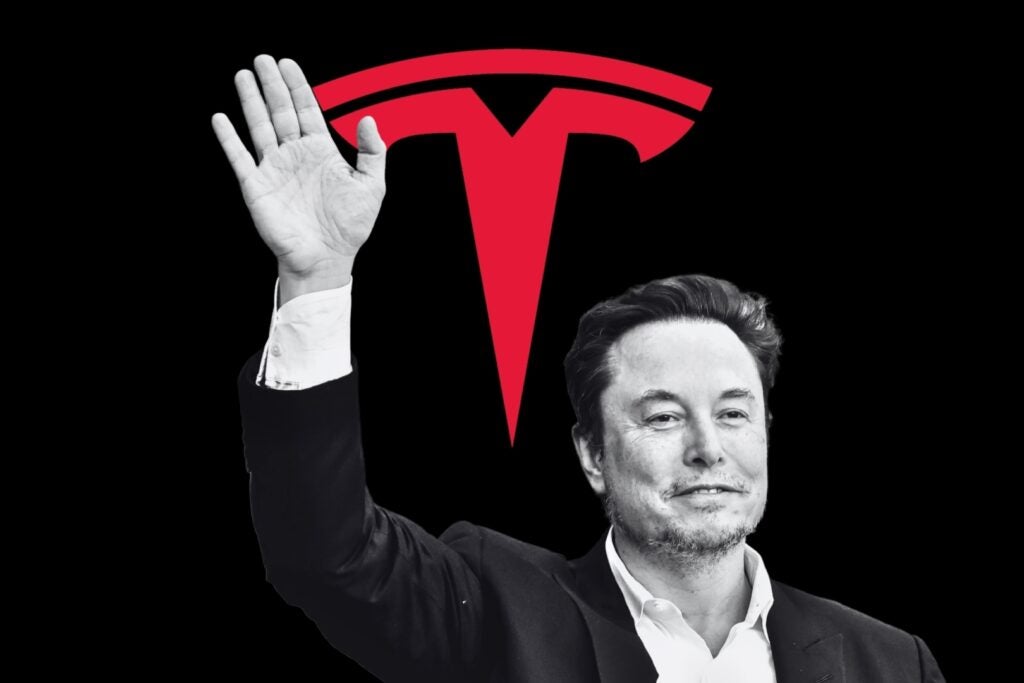
Analysis of Potential Merger Between SpaceX and Tesla

- Overlapping Projects: SpaceX and Tesla are collaborating with Intel to design AI processors aimed at supporting SpaceX's orbital data centers and Tesla's Optimus robots and autonomous trucks, which will enhance their joint development in the AI sector.
- Investment and Equity Relations: Tesla invested $2 billion in SpaceX's xAI, acquiring about a 1% stake, while SpaceX purchased $697 million worth of Tesla's Megapack batteries, establishing a foundational relationship for a potential merger.
- Merger Complexity: Although Musk is interested in merging the two companies, any merger would require approval from both boards and shareholders, with Tesla shareholders particularly concerned about share conversion and SpaceX's high valuation and losses, which could impact the merger's feasibility.
- Future Outlook: Analysts predict that a merger could occur within a year; however, despite the merger's apparent rationale, SpaceX's current price-to-sales ratio of 130 is significantly higher than the average tech stock's 10, prompting investors to carefully consider whether to buy its shares at this time.
Potential Merger Analysis Between SpaceX and Tesla

- Merger Potential Discussion: The conversation around a merger between SpaceX and Tesla is gaining traction, and while the two companies do not fully align on all plans, their shared goals lend strategic significance to the potential merger.
- Technological Collaboration Projects: Both companies are collaborating with Intel to develop AI processors aimed at supporting SpaceX's orbital data centers and Tesla's robotics projects, which not only enhances the likelihood of technological integration but could also accelerate product development.
- Investment and Equity Relations: Tesla's $2 billion investment in SpaceX's xAI gives it about a 1% stake, while SpaceX's purchase of $697 million worth of Tesla's Megapack batteries establishes a financial interconnection that lays the groundwork for a potential merger.
- Regulatory and Shareholder Concerns: Any merger would require approval from both companies' boards and shareholders, with Tesla shareholders particularly focused on share conversion and SpaceX's high market cap, which could impact the feasibility and timing of the merger.
SpaceX's IPO Sets Record with $75 Billion Raised
- Record Fundraising: SpaceX's IPO raised an unprecedented $75 billion, which increased to $85.7 billion after underwriters exercised overallotment options, closing its first trading day with a market cap exceeding $2 trillion, marking it as the only company to debut at such a valuation.
- Strong Market Performance: As of June 18, SpaceX's market cap reached $2.5 trillion, briefly surpassing Amazon to become the fifth-most-valuable company globally, with shares hovering around $200, leaving investors eager to see how the stock performs as initial excitement wanes.
- Revenue Growth Potential: Last year, SpaceX reported $18.7 billion in revenue, a 33% increase, with projections suggesting it could double by 2026; Elon Musk anticipates at least $1 trillion in revenue by 2031, while Morgan Stanley forecasts $3.4 trillion by 2040.
- Valuation Risk Warning: Despite optimistic revenue forecasts, SpaceX's current price-to-sales ratio stands at approximately 134, indicating a high valuation risk; analysts caution that if expected growth is not realized in the coming year, the market cap could experience significant volatility, urging investors to proceed with caution.
SpaceX IPO Breaks Records with Over $2 Trillion Valuation
- Record Financing: SpaceX raised an unprecedented $75 billion in its IPO, which increased to $85.7 billion after underwriters exercised overallotment options, demonstrating strong market confidence in its growth potential and solidifying its leadership in the aerospace sector.
- Valuation Milestone: Closing its first trading day with a market cap exceeding $2 trillion, SpaceX became the only company to debut at such a valuation, reflecting high investor recognition of its long-term potential while also raising concerns about a possible valuation bubble.
- Future Growth Expectations: Projected revenues for SpaceX could reach $36 billion by 2026, and despite a current price-to-sales ratio of 134, indicating optimistic market expectations for its future performance, this also suggests potential volatility risks ahead.
- Market Competition Analysis: Compared to Facebook's debut in 2012, SpaceX is arguably a more mature business, and while it faces challenges from high valuations, its strong revenue growth and market position may offer better return opportunities for investors.
Analysis of SpaceX Stock Volatility Post-IPO
- Stock Performance: SpaceX opened at $150 per share on its IPO day, peaking with a 50% increase, but as of June 18, shares hovered around $190, reflecting a nearly 30% rise from the opening price, indicating cautious optimism about its future potential in the market.
- Analyst Rating Discrepancy: Oppenheimer analyst Timothy Horan set a price target of $190 for SpaceX, suggesting a significant future market capture potential of $10 trillion, yet he cautions investors about regulatory and market risks that could impact valuations.
- Morningstar Valuation: Morningstar analyst Nicolas Owens conducted a discounted cash flow analysis, assigning a fair value of $63 per share to SpaceX, indicating a 70% overvaluation compared to its current market cap, highlighting the high uncertainty surrounding its AI ambitions.
- Investor Strategy Recommendations: The divergence in analyst valuations reflects varying risk tolerances, advising investors to focus on tangible progress and price consolidation when pursuing SpaceX stock to mitigate risks associated with high volatility.
Analysis of SpaceX Stock Volatility Post-IPO
- IPO Performance: SpaceX went public last Friday at $150 per share, and the stock surged to $190, representing a 27% increase from the opening price, indicating strong market optimism regarding its future growth potential.
- Analyst Rating Divergence: Oppenheimer analyst Timothy Horan assigned an 'outperform' rating to SpaceX with a price target of $190, suggesting a 40% upside; however, this implies no short-term gains relative to the current price, indicating limited immediate value.
- Market Risk Advisory: Horan highlighted multiple risks associated with investing in SpaceX, including momentum-driven valuation fluctuations, an unproven orbital data center market, and regulatory hurdles, urging investors to proceed with caution.
- Morningstar Valuation Analysis: Morningstar analyst Nicolas Owens assigned a fair value of $63 per share to SpaceX using a discounted cash flow model, revealing a significant gap from the current market valuation and reflecting high uncertainty regarding its AI business prospects.
Analysis of Potential Merger Between SpaceX and Tesla
- Overlapping Projects: SpaceX and Tesla are collaborating with Intel to design AI processors aimed at supporting SpaceX's orbital data centers and Tesla's Optimus robots and autonomous trucks, which will enhance their joint development in the AI sector.
- Investment and Equity Relations: Tesla invested $2 billion in SpaceX's xAI, acquiring about a 1% stake, while SpaceX purchased $697 million worth of Tesla's Megapack batteries, establishing a foundational relationship for a potential merger.
- Merger Complexity: Although Musk is interested in merging the two companies, any merger would require approval from both boards and shareholders, with Tesla shareholders particularly concerned about share conversion and SpaceX's high valuation and losses, which could impact the merger's feasibility.
- Future Outlook: Analysts predict that a merger could occur within a year; however, despite the merger's apparent rationale, SpaceX's current price-to-sales ratio of 130 is significantly higher than the average tech stock's 10, prompting investors to carefully consider whether to buy its shares at this time.
Potential Merger Analysis Between SpaceX and Tesla
- Merger Potential Discussion: The conversation around a merger between SpaceX and Tesla is gaining traction, and while the two companies do not fully align on all plans, their shared goals lend strategic significance to the potential merger.
- Technological Collaboration Projects: Both companies are collaborating with Intel to develop AI processors aimed at supporting SpaceX's orbital data centers and Tesla's robotics projects, which not only enhances the likelihood of technological integration but could also accelerate product development.
- Investment and Equity Relations: Tesla's $2 billion investment in SpaceX's xAI gives it about a 1% stake, while SpaceX's purchase of $697 million worth of Tesla's Megapack batteries establishes a financial interconnection that lays the groundwork for a potential merger.
- Regulatory and Shareholder Concerns: Any merger would require approval from both companies' boards and shareholders, with Tesla shareholders particularly focused on share conversion and SpaceX's high market cap, which could impact the feasibility and timing of the merger.