Molson Coors Beverage Co struggles amid market weakness
Molson Coors Beverage Co's stock price fell by 5.00% today, crossing below the 5-day SMA, reflecting a challenging trading environment.
This decline is attributed to the company's struggles with declining beer sales and missed earnings estimates, as highlighted in a recent analysis that noted a Momentum Score of 18.43. The broader market is also experiencing weakness, with the Nasdaq-100 down 0.19% and the S&P 500 down 0.10%, suggesting sector rotation as investors reassess their positions.
The implications of this downturn indicate that Molson Coors may need to adapt its strategy to address the changing consumer preferences and competitive pressures in the beverage market.
Trade with 70% Backtested Accuracy
Analyst Views on TAP

About TAP
About the author


Analysis of the Importance of Market Capitalization

- Market Capitalization Comparison: Alexandria Real Estate Equities Inc (ARE) has a market cap of $8.08 billion compared to Molson Coors Beverage Co (TAP) at $7.50 billion, indicating ARE's relative strength in the market and influencing investor valuation assessments.
- Investor Misconceptions: Many novice investors mistakenly compare company values solely based on stock prices, but market capitalization provides a more accurate comparison method, helping investors avoid misjudgments.
- Size Impact: Market capitalization determines a company's size tier among peers, which directly affects which mutual funds and ETFs are willing to hold the stock, particularly as large funds tend to favor companies with market caps exceeding $10 billion.
- Market Performance Discrepancies: At Thursday's close, ARE's stock fell about 0.2% while TAP rose approximately 0.4%, reflecting differing investor sentiment and short-term performance between the two companies.
Dividend Stocks Triumphed in the Battle. Here's Why They May Prevail in the Aftermath.


Dividend-Paying Stocks as a Safe Haven: Dividend-paying stocks have provided investors with a refuge amid the ongoing conflict in the Middle East.
Continued Performance Outlook: These stocks are expected to maintain their performance even if a cease-fire is established.

Wells Fargo Lowers Target Price for Molson Coors Beverage Company to $45 from $52
Company Update: Molson Coors Beverage Company has made a significant adjustment to its stock price target.
Target Price Change: Wells Fargo has reduced the target price for Molson Coors from $52 to $45.
MOLSON COORS BEVERAGE CO: UBS LOWERS TARGET PRICE FROM $50 TO $45
- Price Adjustment: Molson Coors has reduced the target price of its beverage products from $50 to $45.
- Market Impact: This price cut may influence consumer purchasing behavior and the company's market performance.
Molson Coors Schedules 2026 Q1 Earnings Call Webcast
- Earnings Call Schedule: Molson Coors will host its Q1 2026 earnings conference call on April 30, 2026, at 8:30 a.m. ET, with earnings expected to be released at 6:30 a.m., reflecting the company's commitment to transparency and investor communication.
- Webcast Accessibility: The earnings call will be accessible via the Molson Coors Investor Relations page, ensuring that investors and analysts can obtain real-time updates on the company's financial performance, thereby enhancing engagement with stakeholders.
- Replay Availability: An online replay of the earnings call is expected to be available within two hours post-event, allowing investors who cannot attend live to access the information at their convenience, further improving information accessibility and transparency.
- Company Overview: With over two centuries of brewing history, Molson Coors offers a diverse portfolio of brands, including core and premium products, showcasing the company's strategic positioning to meet a wide range of consumer needs and aspirations to be the first choice for consumers and customers.
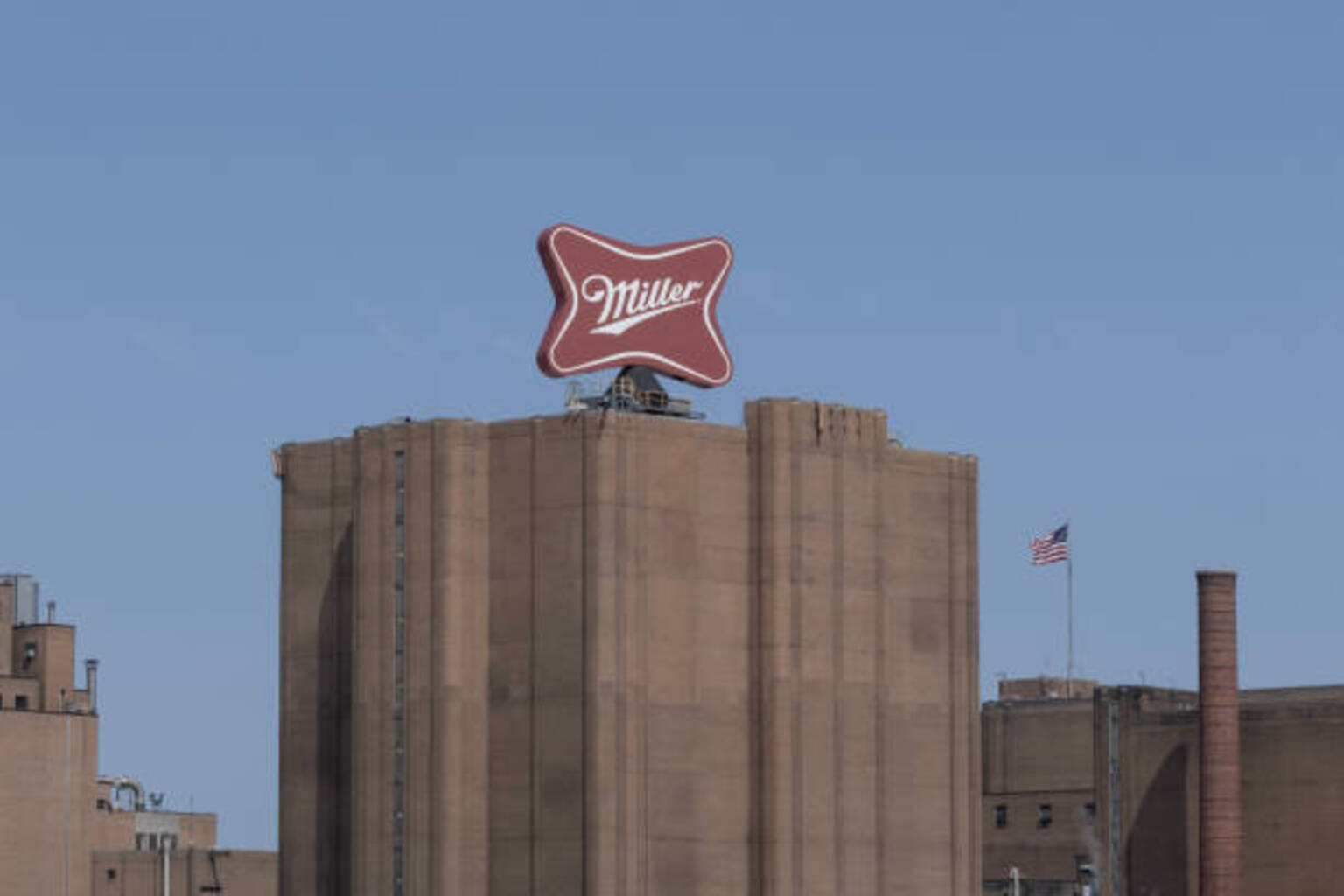
Molson Coors Acquires Atomic Brands to Boost RTD Portfolio
- Acquisition Context: Molson Coors (TAP) has completed its acquisition of Atomic Brands, integrating Monaco Cocktails into its U.S. Beyond Beer portfolio, and despite a slowdown in Monaco's growth over the past year, it remains a strong brand in the rapidly evolving RTD spirits category.
- Revenue Expectations: Analyst Robert Moskow from TD Cowen anticipates a 1% revenue lift for Molson Coors (TAP) from this acquisition, indicating the deal's potential to enhance the company's financial performance.
- Market Position Enhancement: The acquisition establishes Molson Coors (TAP) as a top-five supplier in the fast-growing ready-to-drink cocktail segment, further solidifying its distribution strength in independent retailers and convenience stores.
- Long-term Strategy Support: Molson Coors (TAP) aims to support Monaco's next phase of growth while leveraging its national scale and maintaining continuity for customers, distributors, and consumers to align with evolving consumer preferences.
Analysis of the Importance of Market Capitalization
- Market Capitalization Comparison: Alexandria Real Estate Equities Inc (ARE) has a market cap of $8.08 billion compared to Molson Coors Beverage Co (TAP) at $7.50 billion, indicating ARE's relative strength in the market and influencing investor valuation assessments.
- Investor Misconceptions: Many novice investors mistakenly compare company values solely based on stock prices, but market capitalization provides a more accurate comparison method, helping investors avoid misjudgments.
- Size Impact: Market capitalization determines a company's size tier among peers, which directly affects which mutual funds and ETFs are willing to hold the stock, particularly as large funds tend to favor companies with market caps exceeding $10 billion.
- Market Performance Discrepancies: At Thursday's close, ARE's stock fell about 0.2% while TAP rose approximately 0.4%, reflecting differing investor sentiment and short-term performance between the two companies.
Dividend Stocks Triumphed in the Battle. Here's Why They May Prevail in the Aftermath.
Dividend-Paying Stocks as a Safe Haven: Dividend-paying stocks have provided investors with a refuge amid the ongoing conflict in the Middle East.
Continued Performance Outlook: These stocks are expected to maintain their performance even if a cease-fire is established.
Wells Fargo Lowers Target Price for Molson Coors Beverage Company to $45 from $52
Company Update: Molson Coors Beverage Company has made a significant adjustment to its stock price target.
Target Price Change: Wells Fargo has reduced the target price for Molson Coors from $52 to $45.
MOLSON COORS BEVERAGE CO: UBS LOWERS TARGET PRICE FROM $50 TO $45
- Price Adjustment: Molson Coors has reduced the target price of its beverage products from $50 to $45.
- Market Impact: This price cut may influence consumer purchasing behavior and the company's market performance.
Molson Coors Schedules 2026 Q1 Earnings Call Webcast
- Earnings Call Schedule: Molson Coors will host its Q1 2026 earnings conference call on April 30, 2026, at 8:30 a.m. ET, with earnings expected to be released at 6:30 a.m., reflecting the company's commitment to transparency and investor communication.
- Webcast Accessibility: The earnings call will be accessible via the Molson Coors Investor Relations page, ensuring that investors and analysts can obtain real-time updates on the company's financial performance, thereby enhancing engagement with stakeholders.
- Replay Availability: An online replay of the earnings call is expected to be available within two hours post-event, allowing investors who cannot attend live to access the information at their convenience, further improving information accessibility and transparency.
- Company Overview: With over two centuries of brewing history, Molson Coors offers a diverse portfolio of brands, including core and premium products, showcasing the company's strategic positioning to meet a wide range of consumer needs and aspirations to be the first choice for consumers and customers.
Molson Coors Acquires Atomic Brands to Boost RTD Portfolio
- Acquisition Context: Molson Coors (TAP) has completed its acquisition of Atomic Brands, integrating Monaco Cocktails into its U.S. Beyond Beer portfolio, and despite a slowdown in Monaco's growth over the past year, it remains a strong brand in the rapidly evolving RTD spirits category.
- Revenue Expectations: Analyst Robert Moskow from TD Cowen anticipates a 1% revenue lift for Molson Coors (TAP) from this acquisition, indicating the deal's potential to enhance the company's financial performance.
- Market Position Enhancement: The acquisition establishes Molson Coors (TAP) as a top-five supplier in the fast-growing ready-to-drink cocktail segment, further solidifying its distribution strength in independent retailers and convenience stores.
- Long-term Strategy Support: Molson Coors (TAP) aims to support Monaco's next phase of growth while leveraging its national scale and maintaining continuity for customers, distributors, and consumers to align with evolving consumer preferences.