Moderna Settles Patent Dispute, Stock Rises Amid Positive Market Reaction

Moderna Inc's shares rose by 6.11% as the stock crossed above the 5-day SMA, reflecting a positive market reaction to the recent patent settlement news.
The company has entered into a $2.25 billion settlement with Arbutus Biopharma and Genevant Sciences regarding a vaccine patent dispute, with a payment of $950 million due in Q3 2026. Analysts view this settlement as a positive development that alleviates uncertainty for Moderna's stock, despite the potential for up to $1.3 billion in additional liabilities depending on future litigation outcomes. This resolution is expected to boost market confidence in the company, as it allows Moderna to focus on future growth.
The settlement has shifted investor sentiment from bearish to bullish, indicating a renewed confidence in Moderna's financial stability and growth prospects. Analysts maintain a neutral rating but acknowledge that this development is better than previously feared, which could lead to further stock appreciation.
Trade with 70% Backtested Accuracy
Analyst Views on MRNA

About MRNA
About the author


MODERNA: EC APPROVES MARKETING AUTHORIZATION FOR MRNA-1083 FOR PEOPLE AGED 50 AND ABOVE
- Moderna's Authorization: Moderna has received market authorization for its mRNA-1083 vaccine for individuals aged 50 years and older.
- Target Demographic: The vaccine is specifically aimed at older adults, addressing their unique health needs.

MODERNA: MCOMBRIAX TO BE RELEASED IN THE EUROPEAN UNION, PENDING NATIONAL REGULATORY AND ACCESS REQUIREMENTS
Availability in Europe: Moderna's new vaccine, MCOMBRIAX, will be made available in the European Union.
Regulatory Compliance: The vaccine's release is subject to national regulatory and access procedures.
MODERNA'S MRNA COMBINATION VACCINE MCOMBRIAX APPROVED FOR MARKETING BY EUROPEAN COMMISSION FOR INFLUENZA AND COVID-19
Marketing Authorization Granted: Moderna has received marketing authorization from the European Commission for its mRNA combination vaccine, Combrixa.
Targeted Diseases: The vaccine is designed to protect against both influenza and COVID-19.
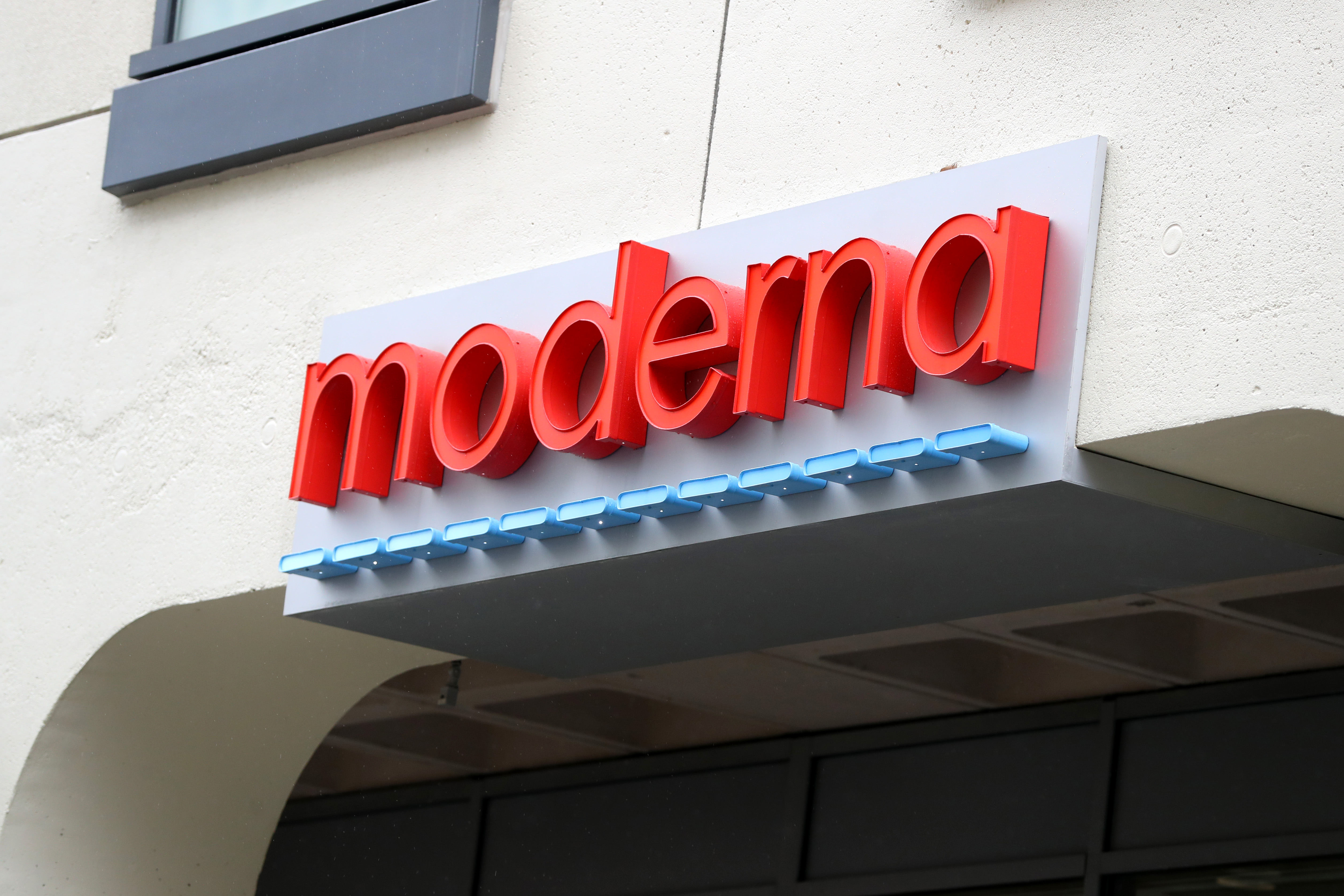
Moderna's mCOMBRIAX Vaccine Receives EU Approval
- Vaccine Approval: Moderna's mCOMBRIAX (mRNA-1083) vaccine has received marketing authorization from the European Commission, targeting both COVID-19 and influenza, particularly for individuals aged 50 and older, marking a significant advancement in the company's vaccine development efforts.
- Broad Coverage: The approval applies across all 27 EU member states, as well as Iceland, Liechtenstein, and Norway, indicating its wide applicability in the European market and is expected to significantly enhance Moderna's competitiveness in the vaccine sector.
- Expert Recommendation: This approval follows a recommendation from an expert panel of the European Medicines Agency (EMA) in February, reflecting the vaccine's scientific efficacy and safety, thereby laying a solid foundation for Moderna's future sales.
- Market Launch Plans: Moderna stated it will engage with national healthcare officials to plan the launch of mCOMBRIAX in the EU, although the specific timeline will depend on local regulatory and access procedures, a strategy that will impact its market penetration in Europe.

Sanofi's Nuvaxovid Vaccine Phase 4 Trial Success

- Clinical Trial Success: Sanofi announced that its Nuvaxovid COVID-19 vaccine met the primary endpoint in a phase 4 trial, demonstrating the vaccine's efficacy and safety, which strongly supports the company's competitive position in the vaccine market.
- Market Potential Boost: The successful trial results not only enhance Sanofi's market position in the COVID-19 vaccine sector but also have the potential to drive sales growth in the global vaccine market, especially amid ongoing vaccine demand.
- R&D Investment Returns: Sanofi's continued investment in vaccine development has paid off, with the successful clinical trial laying the groundwork for future product line expansions and new vaccine developments, further solidifying the company's innovative capabilities.
- Strategic Implications: This successful clinical trial presents new opportunities for Sanofi's role in global public health crises, potentially fostering collaborations with governments and international organizations, thereby enhancing its brand image and market influence.

Sanofi's COVID-19 Vaccine Shows Better Tolerability than Moderna's

- Tolerability Comparison: Sanofi's Nuvaxovid vaccine demonstrated a significantly better tolerability profile in a head-to-head study against Moderna's mNEXSPIKE, with less than 10% of Nuvaxovid recipients experiencing systemic side effects compared to 20% for mNEXSPIKE.
- Side Effect Rates: The COMPARE study revealed that 83.6% of Nuvaxovid recipients experienced systemic reactions, while 91.6% of mNEXSPIKE recipients did, highlighting Nuvaxovid's advantage in side effects, which may enhance vaccine confidence.
- Patient Feedback: Participants reported less disruption to work, school, and daily activities after receiving Nuvaxovid, with nearly twice as many Nuvaxovid recipients indicating they would choose the same vaccine again, underscoring the impact of tolerability on vaccination behavior.
- Market Reaction: As of April 17, Sanofi's stock price stood at $48.06, reflecting a 0.71% increase, and further rose to $48.25 in after-hours trading, indicating a positive market response to the vaccine study results.
MODERNA: EC APPROVES MARKETING AUTHORIZATION FOR MRNA-1083 FOR PEOPLE AGED 50 AND ABOVE
- Moderna's Authorization: Moderna has received market authorization for its mRNA-1083 vaccine for individuals aged 50 years and older.
- Target Demographic: The vaccine is specifically aimed at older adults, addressing their unique health needs.
MODERNA: MCOMBRIAX TO BE RELEASED IN THE EUROPEAN UNION, PENDING NATIONAL REGULATORY AND ACCESS REQUIREMENTS
Availability in Europe: Moderna's new vaccine, MCOMBRIAX, will be made available in the European Union.
Regulatory Compliance: The vaccine's release is subject to national regulatory and access procedures.
MODERNA'S MRNA COMBINATION VACCINE MCOMBRIAX APPROVED FOR MARKETING BY EUROPEAN COMMISSION FOR INFLUENZA AND COVID-19
Marketing Authorization Granted: Moderna has received marketing authorization from the European Commission for its mRNA combination vaccine, Combrixa.
Targeted Diseases: The vaccine is designed to protect against both influenza and COVID-19.
Moderna's mCOMBRIAX Vaccine Receives EU Approval
- Vaccine Approval: Moderna's mCOMBRIAX (mRNA-1083) vaccine has received marketing authorization from the European Commission, targeting both COVID-19 and influenza, particularly for individuals aged 50 and older, marking a significant advancement in the company's vaccine development efforts.
- Broad Coverage: The approval applies across all 27 EU member states, as well as Iceland, Liechtenstein, and Norway, indicating its wide applicability in the European market and is expected to significantly enhance Moderna's competitiveness in the vaccine sector.
- Expert Recommendation: This approval follows a recommendation from an expert panel of the European Medicines Agency (EMA) in February, reflecting the vaccine's scientific efficacy and safety, thereby laying a solid foundation for Moderna's future sales.
- Market Launch Plans: Moderna stated it will engage with national healthcare officials to plan the launch of mCOMBRIAX in the EU, although the specific timeline will depend on local regulatory and access procedures, a strategy that will impact its market penetration in Europe.
Sanofi's Nuvaxovid Vaccine Phase 4 Trial Success
- Clinical Trial Success: Sanofi announced that its Nuvaxovid COVID-19 vaccine met the primary endpoint in a phase 4 trial, demonstrating the vaccine's efficacy and safety, which strongly supports the company's competitive position in the vaccine market.
- Market Potential Boost: The successful trial results not only enhance Sanofi's market position in the COVID-19 vaccine sector but also have the potential to drive sales growth in the global vaccine market, especially amid ongoing vaccine demand.
- R&D Investment Returns: Sanofi's continued investment in vaccine development has paid off, with the successful clinical trial laying the groundwork for future product line expansions and new vaccine developments, further solidifying the company's innovative capabilities.
- Strategic Implications: This successful clinical trial presents new opportunities for Sanofi's role in global public health crises, potentially fostering collaborations with governments and international organizations, thereby enhancing its brand image and market influence.
Sanofi's COVID-19 Vaccine Shows Better Tolerability than Moderna's
- Tolerability Comparison: Sanofi's Nuvaxovid vaccine demonstrated a significantly better tolerability profile in a head-to-head study against Moderna's mNEXSPIKE, with less than 10% of Nuvaxovid recipients experiencing systemic side effects compared to 20% for mNEXSPIKE.
- Side Effect Rates: The COMPARE study revealed that 83.6% of Nuvaxovid recipients experienced systemic reactions, while 91.6% of mNEXSPIKE recipients did, highlighting Nuvaxovid's advantage in side effects, which may enhance vaccine confidence.
- Patient Feedback: Participants reported less disruption to work, school, and daily activities after receiving Nuvaxovid, with nearly twice as many Nuvaxovid recipients indicating they would choose the same vaccine again, underscoring the impact of tolerability on vaccination behavior.
- Market Reaction: As of April 17, Sanofi's stock price stood at $48.06, reflecting a 0.71% increase, and further rose to $48.25 in after-hours trading, indicating a positive market response to the vaccine study results.