

MasTec Reports Record Q4 Revenue and Expanding Backlog
Written by Emily J. Thompson, Senior Investment Analyst
Updated: Apr 05 2026
0mins
Source: Yahoo Finance
MasTec's stock rose by 3.66% as it reached a 52-week high, reflecting strong investor confidence.
The company reported a record fourth-quarter revenue of $3.90 billion, driven by robust performance across its energy, communications, power, and infrastructure segments. Additionally, MasTec's backlog has grown to $19.00 billion, exceeding market expectations and attracting renewed institutional interest. Jefferies also raised the price target for MasTec, indicating positive market sentiment regarding its profitability and growth prospects.
This strong performance positions MasTec favorably in the market, although investors should remain cautious of potential risks related to high fixed costs and project execution complexities.
Trade with 70% Backtested Accuracy
Stop guessing "Should I Buy MTZ?" and start using high-conviction signals backed by rigorous historical data.
Sign up today to access powerful investing tools and make smarter, data-driven decisions.
Analyst Views on MTZ
Wall Street analysts forecast MTZ stock price to fall
13 Analyst Rating
12 Buy
1 Hold
0 Sell
Strong Buy
Current: 366.300

Low
225.00
Averages
252.20
High
270.00
Current: 366.300
Low
225.00
Averages
252.20
High
270.00
About MTZ
MasTec, Inc. is an infrastructure construction company operating mainly throughout North America across a range of industries. The Company's segments include Communications, Clean Energy and Infrastructure, Power Delivery, Pipeline Infrastructure, and Other. Communications segment performs engineering, construction, maintenance and customer fulfillment activities related to communications infrastructure, primarily for wireless and wireline/fiber communications, wireless integration and optimization and install-to-the-home services, and others. Clean Energy and Infrastructure segment primarily serves energy, utility, government and other end-markets through the installation and construction of power generation facilities, primarily from clean energy and renewable sources, such as wind, solar, and hydrogen; various types of heavy civil and industrial infrastructure services, and others. Power Delivery segment primarily serves the energy, utility and data center infrastructure industries.
About the author

Emily J. Thompson
Emily J. Thompson, a Chartered Financial Analyst (CFA) with 12 years in investment research, graduated with honors from the Wharton School. Specializing in industrial and technology stocks, she provides in-depth analysis for Intellectia’s earnings and market brief reports.

Analysts Recommend Strong Stocks Amid Market Highs


- Strong Market Performance: U.S. stock markets reached record highs in May, with the three major indexes rising 3%, 5%, and 8%, reflecting robust investor confidence and signs of economic recovery, which are expected to continue driving market gains.
- Microchip Technology Growth Potential: Microchip Technology (MCHP) anticipates revenue and earnings growth rates of 31.5% and 84.2% for FY 2027, respectively, with the launch of its 3-nanometer PCIe Gen 6 switch enhancing its competitiveness in the AI infrastructure market.
- Ross Stores Expansion Plans: Ross Stores (ROST) reported a 21% sales growth in Q1, with plans to expand to 2,900 Ross Dress for Less and 700 dd's DISCOUNTS stores, demonstrating strong market demand and growth potential.
- MasTec Data Center Demand: MasTec (MTZ) benefits from AI-driven data center demand, expecting revenue and earnings growth rates of 22% and 35.3% for FY 2027, with its integrated capabilities in data center projects enhancing market share.
See More

Goldman Sachs' Hedge Fund VIP List Includes Micron Technology


- Hedge Fund Favoritism: Micron Technology has made it to Goldman Sachs' coveted Hedge Fund VIP list, indicating strong interest from professional traders in its data and storage chips, reflecting optimistic market expectations for future growth.
- Outstanding Market Performance: The VIP basket has risen 10% year-to-date, outperforming the S&P 500's 9% gain, suggesting that hedge fund investment strategies are excelling in the current market environment, thereby boosting investor confidence in Micron.
- Stock Surge: Micron's shares soared 19% on Tuesday alone, pushing its market value past $1 trillion for the first time, primarily driven by insatiable AI demand for its memory chips, showcasing the company's competitiveness in emerging technologies.
- Analyst Optimism: UBS has tripled its price target on Micron to $1,625, believing that the market will start to assign a more 'normal' multiple to the stock, indicating that it is likely to continue rising as structural changes driven by AI unfold.
See More

Dan Loeb's Third Point Portfolio Adjustments

- Portfolio Expansion: Third Point made significant additions in Q1, initiating positions in tech and semiconductor firms like ASML, Lam Research, and KLA, reflecting a strong commitment to the AI trade and enhancing its competitive edge in the rapidly evolving tech landscape.
- Emerging Investments: The hedge fund also disclosed new stakes in the VanEck Semiconductor ETF and aircraft parts supplier TransDigm Group, indicating confidence in the semiconductor sector, particularly amid rising AI-driven market demand.
- Bitcoin Mining Positioning: Third Point increased its investment in Hut 8, a Miami-based energy infrastructure and bitcoin mining company, whose shares have more than doubled in 2026, highlighting investor interest in AI-related power demand and data center infrastructure opportunities.
- Position Adjustments: While Third Point reduced its stake in Taiwan Semiconductor by 35%, Amazon remains its largest equity holding, demonstrating confidence in the company's long-term growth potential despite a 10% reduction during the quarter.
See More

MasTec Upgraded to Buy by Guggenheim Amid Strong Growth Outlook

- Rating Upgrade: Guggenheim upgraded MasTec (MTZ) from Neutral to Buy, citing strong visibility into long-term growth and a favorable position across several major infrastructure trends, reflecting investor enthusiasm for companies linked to energy, data, and communications buildouts.
- Financial Targets: MasTec aims for approximately $22 billion in revenue and $2.2 billion in EBITDA by 2028, implying a compound annual growth rate of about 25% along with margin expansion, showcasing the company's robust growth potential in the coming years.
- Segment Growth Momentum: All four of MasTec's business segments are expected to grow, particularly in pipeline infrastructure and clean energy, benefiting from liquefied natural gas exports and data center demand, highlighting the company's central role in the infrastructure investment cycle.
- Risks and Opportunities: While Guggenheim set a price target of $480, indicating further upside, the report also highlights risks such as project timing variability, labor availability constraints, and potential cost overruns on fixed-price contracts, suggesting a cautious approach to the market's confidence in MasTec's long-term opportunities.
See More
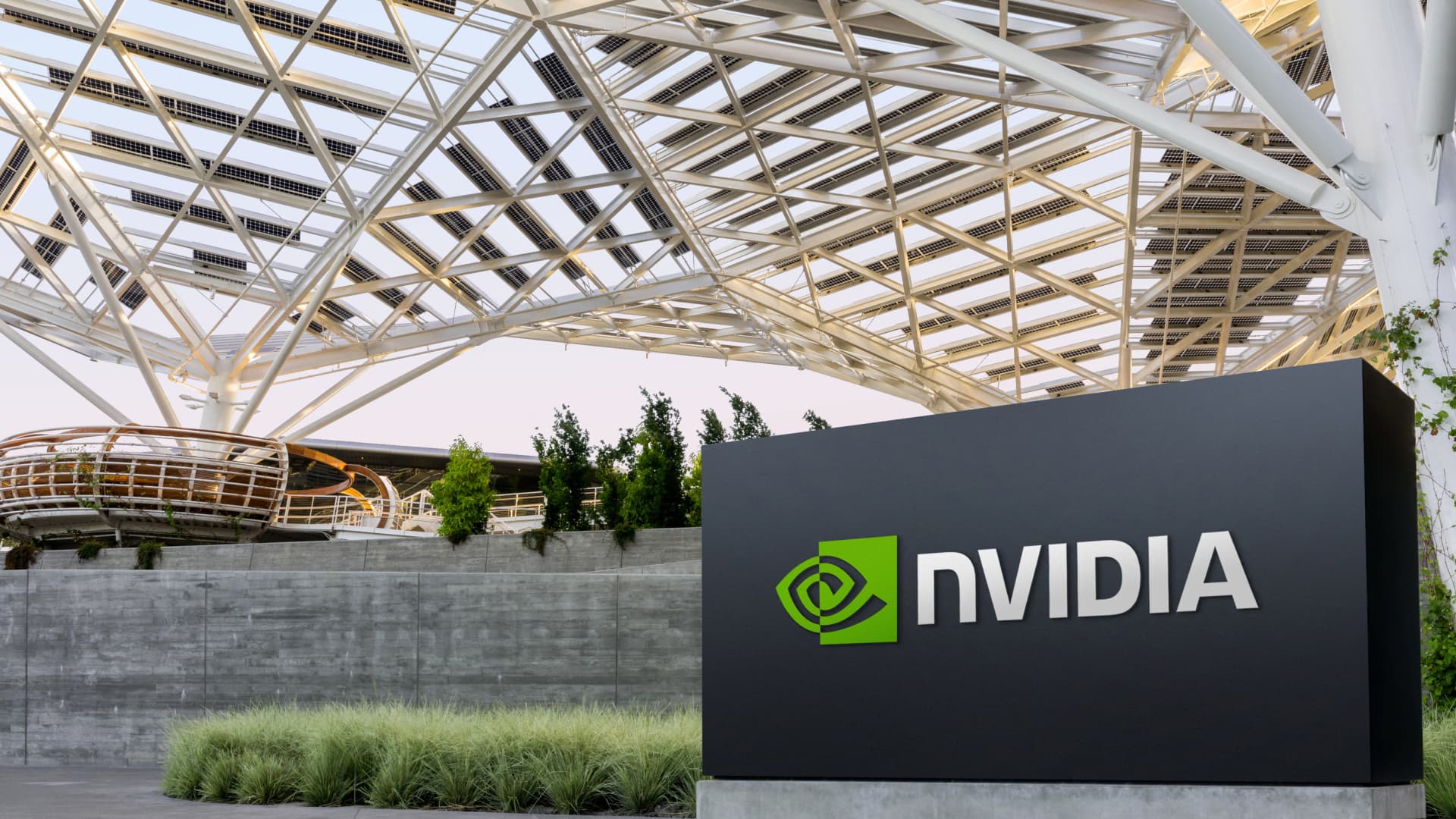
Wall Street's Latest Ratings Overview


- Nvidia's Positive Outlook: Oppenheimer reiterates Nvidia as an outperform, projecting CY26 free cash flow to approach $200 billion, and if half is allocated for dividends, the yield could reach nearly 2.5%, which would bolster investor confidence and drive stock price appreciation.
- Apple's Strong Ecosystem: Daiwa raises Apple's price target from $310 to $325, emphasizing its vast ecosystem as a core strength, while acknowledging potential memory management challenges in 2H CY26, the long-term outlook remains favorable for this core holding.
- Positive Outlook for Housing Platform: UBS upgrades KE Holdings to buy from neutral, citing significant upside due to its agency business in tier 1 cities, particularly as the market recovery is led by the secondary market, positioning the company for strong performance.
- Wendy's Potential Privatization: Argus upgrades Wendy's to buy from neutral, driven by news of a potential move to take the restaurant chain private, with Trian Fund Management owning about 40% of the stock, indicating strong market confidence in this strategic shift.
See More

MasTec Reports Record Q1 2026 Revenue of $3.8B Driven by 34% Growth
- Significant Revenue Growth: MasTec reported record Q1 2026 revenue of $3.8 billion, reflecting a 34% year-over-year increase driven by double-digit growth across all operating segments, particularly a 91% surge in Pipeline Infrastructure and a 45% increase in Clean Energy & Infrastructure, showcasing the company's strong performance in infrastructure construction.
- Enhanced Profitability: The company achieved a record GAAP net income of $69.7 million in Q1, with adjusted EBITDA reaching $283.6 million and diluted EPS rising significantly to $0.77, indicating successful operational efficiency and cost control measures.
- Record Backlog: As of March 31, MasTec's 18-month backlog hit a record $20.3 billion, up $4.4 billion year-over-year, primarily driven by a 65% growth in the Clean Energy & Infrastructure segment, highlighting robust demand for renewable energy and infrastructure projects.
- Upgraded Financial Guidance: Following a strong start to the year, MasTec raised its full-year 2026 financial guidance to approximately $17.5 billion, representing a 22% growth, with adjusted diluted EPS now expected to be $8.79 and adjusted EBITDA projected to grow by 30% to $1.5 billion, reflecting the company's confidence in future growth.
See More
Analysts Recommend Strong Stocks Amid Market Highs
- Strong Market Performance: U.S. stock markets reached record highs in May, with the three major indexes rising 3%, 5%, and 8%, reflecting robust investor confidence and signs of economic recovery, which are expected to continue driving market gains.
- Microchip Technology Growth Potential: Microchip Technology (MCHP) anticipates revenue and earnings growth rates of 31.5% and 84.2% for FY 2027, respectively, with the launch of its 3-nanometer PCIe Gen 6 switch enhancing its competitiveness in the AI infrastructure market.
- Ross Stores Expansion Plans: Ross Stores (ROST) reported a 21% sales growth in Q1, with plans to expand to 2,900 Ross Dress for Less and 700 dd's DISCOUNTS stores, demonstrating strong market demand and growth potential.
- MasTec Data Center Demand: MasTec (MTZ) benefits from AI-driven data center demand, expecting revenue and earnings growth rates of 22% and 35.3% for FY 2027, with its integrated capabilities in data center projects enhancing market share.
See More
Goldman Sachs' Hedge Fund VIP List Includes Micron Technology
- Hedge Fund Favoritism: Micron Technology has made it to Goldman Sachs' coveted Hedge Fund VIP list, indicating strong interest from professional traders in its data and storage chips, reflecting optimistic market expectations for future growth.
- Outstanding Market Performance: The VIP basket has risen 10% year-to-date, outperforming the S&P 500's 9% gain, suggesting that hedge fund investment strategies are excelling in the current market environment, thereby boosting investor confidence in Micron.
- Stock Surge: Micron's shares soared 19% on Tuesday alone, pushing its market value past $1 trillion for the first time, primarily driven by insatiable AI demand for its memory chips, showcasing the company's competitiveness in emerging technologies.
- Analyst Optimism: UBS has tripled its price target on Micron to $1,625, believing that the market will start to assign a more 'normal' multiple to the stock, indicating that it is likely to continue rising as structural changes driven by AI unfold.
See More
Dan Loeb's Third Point Portfolio Adjustments
- Portfolio Expansion: Third Point made significant additions in Q1, initiating positions in tech and semiconductor firms like ASML, Lam Research, and KLA, reflecting a strong commitment to the AI trade and enhancing its competitive edge in the rapidly evolving tech landscape.
- Emerging Investments: The hedge fund also disclosed new stakes in the VanEck Semiconductor ETF and aircraft parts supplier TransDigm Group, indicating confidence in the semiconductor sector, particularly amid rising AI-driven market demand.
- Bitcoin Mining Positioning: Third Point increased its investment in Hut 8, a Miami-based energy infrastructure and bitcoin mining company, whose shares have more than doubled in 2026, highlighting investor interest in AI-related power demand and data center infrastructure opportunities.
- Position Adjustments: While Third Point reduced its stake in Taiwan Semiconductor by 35%, Amazon remains its largest equity holding, demonstrating confidence in the company's long-term growth potential despite a 10% reduction during the quarter.
See More
MasTec Upgraded to Buy by Guggenheim Amid Strong Growth Outlook
- Rating Upgrade: Guggenheim upgraded MasTec (MTZ) from Neutral to Buy, citing strong visibility into long-term growth and a favorable position across several major infrastructure trends, reflecting investor enthusiasm for companies linked to energy, data, and communications buildouts.
- Financial Targets: MasTec aims for approximately $22 billion in revenue and $2.2 billion in EBITDA by 2028, implying a compound annual growth rate of about 25% along with margin expansion, showcasing the company's robust growth potential in the coming years.
- Segment Growth Momentum: All four of MasTec's business segments are expected to grow, particularly in pipeline infrastructure and clean energy, benefiting from liquefied natural gas exports and data center demand, highlighting the company's central role in the infrastructure investment cycle.
- Risks and Opportunities: While Guggenheim set a price target of $480, indicating further upside, the report also highlights risks such as project timing variability, labor availability constraints, and potential cost overruns on fixed-price contracts, suggesting a cautious approach to the market's confidence in MasTec's long-term opportunities.
See More
Wall Street's Latest Ratings Overview
- Nvidia's Positive Outlook: Oppenheimer reiterates Nvidia as an outperform, projecting CY26 free cash flow to approach $200 billion, and if half is allocated for dividends, the yield could reach nearly 2.5%, which would bolster investor confidence and drive stock price appreciation.
- Apple's Strong Ecosystem: Daiwa raises Apple's price target from $310 to $325, emphasizing its vast ecosystem as a core strength, while acknowledging potential memory management challenges in 2H CY26, the long-term outlook remains favorable for this core holding.
- Positive Outlook for Housing Platform: UBS upgrades KE Holdings to buy from neutral, citing significant upside due to its agency business in tier 1 cities, particularly as the market recovery is led by the secondary market, positioning the company for strong performance.
- Wendy's Potential Privatization: Argus upgrades Wendy's to buy from neutral, driven by news of a potential move to take the restaurant chain private, with Trian Fund Management owning about 40% of the stock, indicating strong market confidence in this strategic shift.
See More
MasTec Reports Record Q1 2026 Revenue of $3.8B Driven by 34% Growth
- Significant Revenue Growth: MasTec reported record Q1 2026 revenue of $3.8 billion, reflecting a 34% year-over-year increase driven by double-digit growth across all operating segments, particularly a 91% surge in Pipeline Infrastructure and a 45% increase in Clean Energy & Infrastructure, showcasing the company's strong performance in infrastructure construction.
- Enhanced Profitability: The company achieved a record GAAP net income of $69.7 million in Q1, with adjusted EBITDA reaching $283.6 million and diluted EPS rising significantly to $0.77, indicating successful operational efficiency and cost control measures.
- Record Backlog: As of March 31, MasTec's 18-month backlog hit a record $20.3 billion, up $4.4 billion year-over-year, primarily driven by a 65% growth in the Clean Energy & Infrastructure segment, highlighting robust demand for renewable energy and infrastructure projects.
- Upgraded Financial Guidance: Following a strong start to the year, MasTec raised its full-year 2026 financial guidance to approximately $17.5 billion, representing a 22% growth, with adjusted diluted EPS now expected to be $8.79 and adjusted EBITDA projected to grow by 30% to $1.5 billion, reflecting the company's confidence in future growth.
See More





