Lululemon Founder Calls for Management Change Amid Shareholder Concerns

Lululemon Athletica Inc's stock rose by 5.01% as it crossed above the 20-day SMA, reflecting positive market conditions.
The founder of Lululemon, Chip Wilson, has issued a letter to shareholders advocating for significant management changes, citing dissatisfaction with the current leadership. He emphasizes the need to restore the brand's original culture and has called for shareholder support to elect new board members. This push for change comes in light of recent declines in share price following product recalls, which have raised concerns about investor confidence.
This management change initiative could lead to a shift in company strategy and potentially enhance shareholder value, as Wilson aims to re-engage the brand's core values and address the challenges faced by the company.
Trade with 70% Backtested Accuracy
Analyst Views on LULU

About LULU
About the author

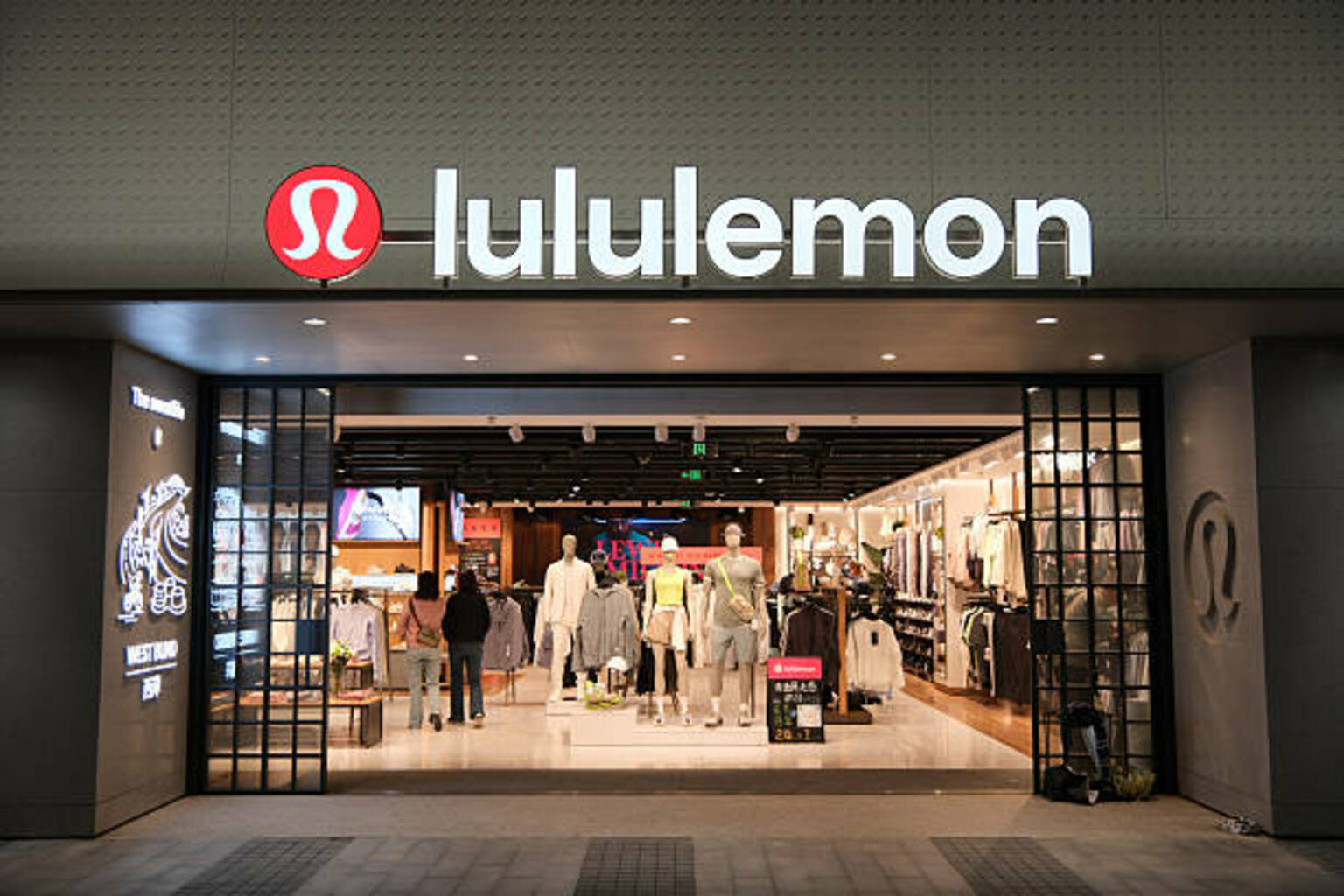
Lululemon Founder Advocates for Brand Reinvention
- Brand Positioning Shift: Lululemon founder Chip Wilson's letter to shareholders highlights a drift from a premium, innovation-driven brand to a more generic athletic retailer, negatively impacting growth and stock performance.
- Expansion Strategy Concerns: Wilson specifically criticizes brand-diluting moves such as entering footwear and accessories, the Disney partnership, and the Mirror acquisition, while questioning the company's low R&D and marketing spending and lengthy product development timelines.
- Governance Structure Recommendations: He argues that Lululemon must refocus on creative excellence, technical product details, and experimentation, alongside stronger board oversight to restore the brand's

Lululemon Adjusts Growth Plans Due to Trade Barriers
- Growth Plan Adjustment: Lululemon is reevaluating its future growth strategy due to the impact of trade barriers, which is expected to negatively affect the company's expansion speed in international markets.
- Stock Price Fluctuation: As of the afternoon of May 4, 2026, Lululemon's stock price was 1.48%, reflecting market caution regarding its adjustment plans, which may impact investor confidence.
- Market Reaction: The presence of trade barriers may lead Lululemon to face higher operational costs, thereby affecting its profit margins and overall financial performance, necessitating measures to maintain competitiveness.
- Strategic Response: The company may need to diversify its markets and product lines to address the challenges posed by trade barriers, ensuring long-term sustainable growth and reducing reliance on specific markets.

Deckers and Lululemon: Investment Opportunities Amid Market Dips

- Deckers Strong Performance: Deckers Outdoor reported $1.96 billion in revenue for Q3 2026, a 7% year-over-year increase, with EPS of $3.33 exceeding consensus estimates by over 20%, showcasing robust performance from its Hoka and Ugg brands despite a 55% stock price drop due to macro factors.
- Hoka and Ugg Growth: Hoka's revenue surged 18.5% to $628.9 million, while Ugg achieved record quarterly revenue of $1.305 billion, up 4.9%, with a healthy gross margin of 59.8%, indicating strong profitability amid competitive pressures.
- Lululemon's Challenges: Lululemon's stock has fallen about 50% from its 52-week high, despite achieving $11.1 billion in total revenue for fiscal 2026, a 5% increase; however, CEO departure and proxy battles create strategic uncertainty, with EPS expected to decline again in fiscal 2027.
- Strong Chinese Market Performance: Lululemon's revenue in Mainland China grew 28% in Q4, highlighting its global brand relevance, while comparable sales in the Americas remain soft; international revenue grew approximately 20% in constant currency, indicating a resilient online sales channel.

Lululemon Maintains Strong Financial Position
- Strong Financial Health: Lululemon's balance sheet remains robust despite facing near-term challenges, demonstrating the company's resilience and stability amid market fluctuations, which enhances investor confidence.
- Stock Performance: As of May 3, 2026, Lululemon's stock price increased by 0.95%, reflecting a positive market response to its financial health, potentially attracting more investor interest.
- Market Outlook: Although there are some uncertainties in the short term, Lululemon's strong financial foundation supports its future growth and expansion, indicating the company's capability to effectively navigate market challenges.
- Investor Confidence: The company's solid financial position and stable stock performance may boost investor confidence in Lululemon's long-term investment potential, thereby enhancing shareholder value.

Halper Sadeh LLC Investigates Lululemon Executives' Fiduciary Duties
- Shareholder Rights Investigation: Halper Sadeh LLC is investigating whether Lululemon executives breached their fiduciary duties to shareholders, which could lead to corporate governance reforms and fund recovery, thereby impacting the company's financial health.
- Legal Fee Arrangement: The firm promises to provide legal services to shareholders without upfront costs, meaning shareholders can pursue legal remedies without incurring additional financial burdens, thus lowering the barrier to participation.
- Importance of Shareholder Participation: Shareholder involvement can drive improvements in company policies and management mechanisms, enhancing transparency and accountability, which in turn increases shareholder value, highlighting the critical role of collective action in corporate governance.
- Global Investor Representation: Halper Sadeh LLC represents investors worldwide, focusing on combating securities fraud and corporate misconduct, with past successful corporate reforms recovering millions for defrauded investors, demonstrating its effectiveness in protecting investor rights.

Trade Barriers Hinder Lululemon's Growth
- Growth Slowdown: Trade barriers have significantly slowed Lululemon's growth in the U.S., indicating that external factors are directly impacting the company's performance, which could lead to further market share loss.
- Stock Price Fluctuation: As of May 2, 2026, Lululemon's stock price was $3.44, reflecting investor concerns about the company's future growth prospects, which may affect its financing capabilities and market confidence.
- Market Reaction: Following the video release, the market's reaction to Lululemon may intensify, prompting investors to closely monitor how the company addresses the challenges posed by trade barriers to maintain its position in the competitive activewear market.
- Strategic Adjustment Necessity: In light of trade barriers, Lululemon may need to reassess its market strategy and supply chain management to adapt to the new market environment, ensuring long-term sustainable growth.
Lululemon Founder Advocates for Brand Reinvention
- Brand Positioning Shift: Lululemon founder Chip Wilson's letter to shareholders highlights a drift from a premium, innovation-driven brand to a more generic athletic retailer, negatively impacting growth and stock performance.
- Expansion Strategy Concerns: Wilson specifically criticizes brand-diluting moves such as entering footwear and accessories, the Disney partnership, and the Mirror acquisition, while questioning the company's low R&D and marketing spending and lengthy product development timelines.
- Governance Structure Recommendations: He argues that Lululemon must refocus on creative excellence, technical product details, and experimentation, alongside stronger board oversight to restore the brand's
Lululemon Adjusts Growth Plans Due to Trade Barriers
- Growth Plan Adjustment: Lululemon is reevaluating its future growth strategy due to the impact of trade barriers, which is expected to negatively affect the company's expansion speed in international markets.
- Stock Price Fluctuation: As of the afternoon of May 4, 2026, Lululemon's stock price was 1.48%, reflecting market caution regarding its adjustment plans, which may impact investor confidence.
- Market Reaction: The presence of trade barriers may lead Lululemon to face higher operational costs, thereby affecting its profit margins and overall financial performance, necessitating measures to maintain competitiveness.
- Strategic Response: The company may need to diversify its markets and product lines to address the challenges posed by trade barriers, ensuring long-term sustainable growth and reducing reliance on specific markets.
Deckers and Lululemon: Investment Opportunities Amid Market Dips
- Deckers Strong Performance: Deckers Outdoor reported $1.96 billion in revenue for Q3 2026, a 7% year-over-year increase, with EPS of $3.33 exceeding consensus estimates by over 20%, showcasing robust performance from its Hoka and Ugg brands despite a 55% stock price drop due to macro factors.
- Hoka and Ugg Growth: Hoka's revenue surged 18.5% to $628.9 million, while Ugg achieved record quarterly revenue of $1.305 billion, up 4.9%, with a healthy gross margin of 59.8%, indicating strong profitability amid competitive pressures.
- Lululemon's Challenges: Lululemon's stock has fallen about 50% from its 52-week high, despite achieving $11.1 billion in total revenue for fiscal 2026, a 5% increase; however, CEO departure and proxy battles create strategic uncertainty, with EPS expected to decline again in fiscal 2027.
- Strong Chinese Market Performance: Lululemon's revenue in Mainland China grew 28% in Q4, highlighting its global brand relevance, while comparable sales in the Americas remain soft; international revenue grew approximately 20% in constant currency, indicating a resilient online sales channel.
Lululemon Maintains Strong Financial Position
- Strong Financial Health: Lululemon's balance sheet remains robust despite facing near-term challenges, demonstrating the company's resilience and stability amid market fluctuations, which enhances investor confidence.
- Stock Performance: As of May 3, 2026, Lululemon's stock price increased by 0.95%, reflecting a positive market response to its financial health, potentially attracting more investor interest.
- Market Outlook: Although there are some uncertainties in the short term, Lululemon's strong financial foundation supports its future growth and expansion, indicating the company's capability to effectively navigate market challenges.
- Investor Confidence: The company's solid financial position and stable stock performance may boost investor confidence in Lululemon's long-term investment potential, thereby enhancing shareholder value.
Halper Sadeh LLC Investigates Lululemon Executives' Fiduciary Duties
- Shareholder Rights Investigation: Halper Sadeh LLC is investigating whether Lululemon executives breached their fiduciary duties to shareholders, which could lead to corporate governance reforms and fund recovery, thereby impacting the company's financial health.
- Legal Fee Arrangement: The firm promises to provide legal services to shareholders without upfront costs, meaning shareholders can pursue legal remedies without incurring additional financial burdens, thus lowering the barrier to participation.
- Importance of Shareholder Participation: Shareholder involvement can drive improvements in company policies and management mechanisms, enhancing transparency and accountability, which in turn increases shareholder value, highlighting the critical role of collective action in corporate governance.
- Global Investor Representation: Halper Sadeh LLC represents investors worldwide, focusing on combating securities fraud and corporate misconduct, with past successful corporate reforms recovering millions for defrauded investors, demonstrating its effectiveness in protecting investor rights.
Trade Barriers Hinder Lululemon's Growth
- Growth Slowdown: Trade barriers have significantly slowed Lululemon's growth in the U.S., indicating that external factors are directly impacting the company's performance, which could lead to further market share loss.
- Stock Price Fluctuation: As of May 2, 2026, Lululemon's stock price was $3.44, reflecting investor concerns about the company's future growth prospects, which may affect its financing capabilities and market confidence.
- Market Reaction: Following the video release, the market's reaction to Lululemon may intensify, prompting investors to closely monitor how the company addresses the challenges posed by trade barriers to maintain its position in the competitive activewear market.
- Strategic Adjustment Necessity: In light of trade barriers, Lululemon may need to reassess its market strategy and supply chain management to adapt to the new market environment, ensuring long-term sustainable growth.