Lam Research anticipates 23% increase in equipment sales in 2026

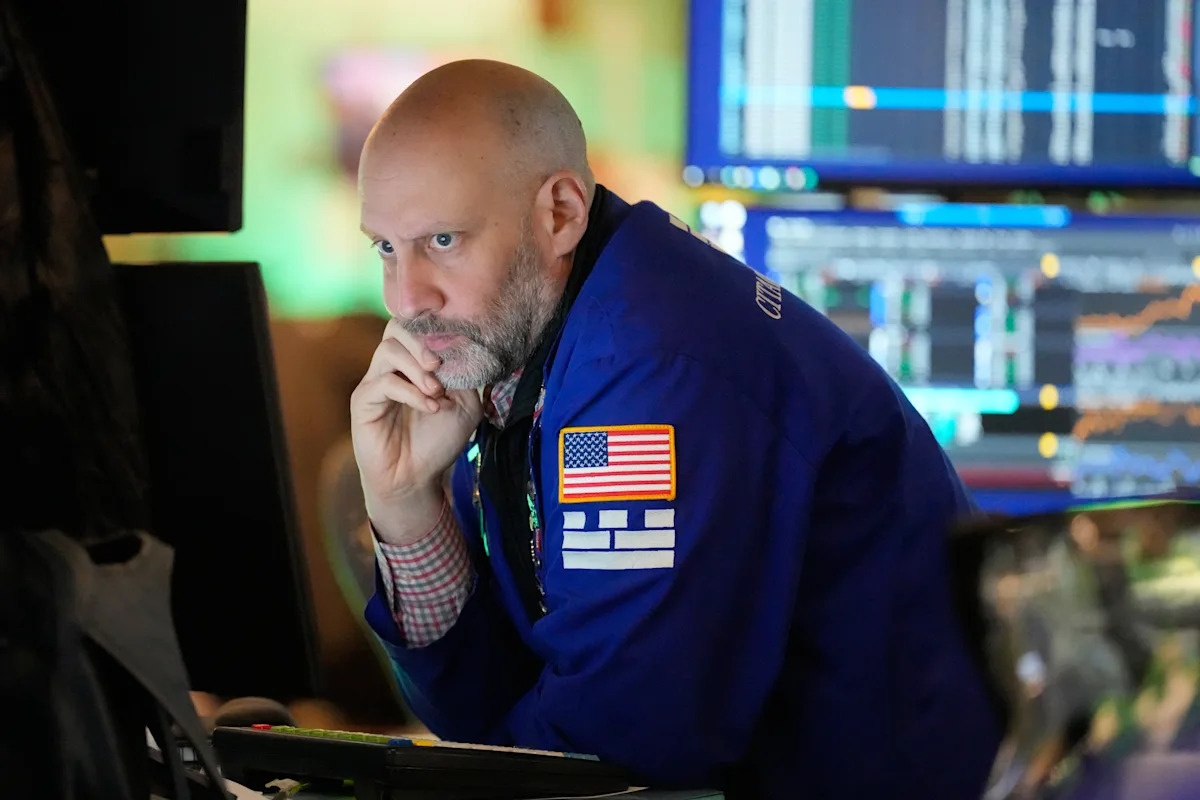
Lam Research Corp's stock price fell 4.36% during regular trading, hitting a 20-day low amid broader market declines, with the Nasdaq-100 down 0.91% and the S&P 500 down 1.02%.
The company reported a strong growth potential, anticipating a 23% increase in equipment sales in 2026, driven by rising capital expenditures from TSMC and memory chip manufacturers like Micron and SK Hynix. This positive outlook reflects the expected benefits from the acceleration of AI technology, despite the current market weakness.
Investors are encouraged by Lam Research's growth prospects in the semiconductor manufacturing sector, particularly as demand for advanced equipment rises. However, the stock's recent decline highlights the volatility in the market, necessitating careful consideration for potential investors.
Trade with 70% Backtested Accuracy
Analyst Views on LRCX

About LRCX
About the author


Oil Price Retreat Supports Market Recovery


- Market Impact of Oil Prices: Oil prices retreated from approximately $119 per barrel late Sunday to about $100 at market open on Monday, sliding further to around $95, which eased selling pressure in equities and highlighted the significance of crude during the Iran conflict.
- Government Response Measures: The Trump administration is reviewing options to stabilize the market, including potential strategic oil reserve releases in coordination with G7 countries; while these steps are positive, their effectiveness in offsetting supply disruptions from Gulf States remains uncertain.
- Pressure on Sensitive Sectors: Financials, consumer discretionary, and materials were the worst-performing sectors in the S&P 500, as rising oil prices typically lead to higher gasoline costs, reducing disposable income for consumers and putting pressure on economic growth.
- Tech Stocks Lead Recovery: Despite oil price volatility, technology and AI-related stocks are leading the market's recovery on Monday, indicating confidence in this investment cycle; Broadcom is up over 4%, reflecting strong post-earnings performance.

VERTIV HOLDINGS, LUMENTUM HOLDINGS, COHERENT, AND ECHOSTAR SET TO ENTER S&P 500


New Additions to S&P 500: Vertiv Holdings, Lumentum Holdings, Coherent, and Echosstar are set to join the S&P 500 index.
Market Impact: The inclusion of these companies may influence market dynamics and investor strategies as they become part of a major stock index.

US Stocks Plunge Amid Rising Energy Prices and Labor Market Concerns


- Market Weakness: The S&P 500 index fell by 1.33%, and the Dow Jones Industrial Average hit a 3.5-month low, reflecting investor concerns over the Middle East conflict potentially driving energy prices higher and sparking inflation risks, which dampens market confidence.
- Disappointing Employment Data: The US nonfarm payrolls unexpectedly dropped by 92,000 in February, with the unemployment rate rising to 4.4%, indicating a weakening labor market that raises doubts about economic health and may lead the Fed to adopt a more cautious approach in future policy adjustments.
- Surge in Energy Prices: WTI crude oil prices surged over 12% to a 2.5-year high as the ongoing Middle East conflict exacerbates supply concerns, which is expected to push global oil prices even higher, impacting profitability across related sectors.
- Corporate Earnings Resilience: Despite the overall market decline, 74% of S&P 500 companies reported earnings that exceeded expectations, with Q4 earnings growth projected at 8.4%, demonstrating a degree of resilience among businesses that may support future market recovery.

VERTIV HOLDINGS, LUMENTUM HOLDINGS, COHERENT, AND ECHOSTAR TO BE ADDED TO S&P 500; ADDITIONAL COMPANIES TO ENTER S&P 100, S&P MIDCAP 400, AND S&P SMALLCAP 600
New Additions to S&P 500: Vert Holdings, Lumentum Holdings, CohereNT, and EchoStar are set to join the S&P 500 index.
Other Index Changes: Additional companies will be added to the S&P 100, S&P MidCap 400, and S&P SmallCap 600 indices.

Challenging Stock Market Conditions, Yet These 5 Funds Are Thriving.
Positive Market News: Despite recent negative headlines regarding Iran, oil prices, market losses, and poor job numbers, there is encouraging news in the financial sector.
High-Performing Funds: Five investment funds are currently performing exceptionally well, providing a bright spot in an otherwise challenging economic landscape.

Middle East War Triggers Market Turmoil
- Market Decline: The S&P 500 index fell by 0.95%, the Dow Jones Industrial Average by 1.00%, and the Nasdaq 100 by 0.76%, reflecting market concerns that the ongoing Middle East war could drive energy prices higher, leading to inflation.
- Weak Employment Data: U.S. nonfarm payrolls unexpectedly dropped by 92,000 in February, with the unemployment rate rising to 4.4%, indicating a deteriorating labor market and exacerbating fears of an economic slowdown.
- Surge in Energy Prices: WTI crude oil prices surged over 9% to a 2.25-year high due to the ongoing conflict in the Middle East, raising inflation expectations and diminishing investor confidence in the stock market.
- Corporate Earnings Performance: Despite the overall market weakness, 73% of S&P 500 companies exceeded earnings expectations, with Q4 earnings projected to grow by 8.4%, demonstrating resilience among some firms that may provide future market support.
Oil Price Retreat Supports Market Recovery
- Market Impact of Oil Prices: Oil prices retreated from approximately $119 per barrel late Sunday to about $100 at market open on Monday, sliding further to around $95, which eased selling pressure in equities and highlighted the significance of crude during the Iran conflict.
- Government Response Measures: The Trump administration is reviewing options to stabilize the market, including potential strategic oil reserve releases in coordination with G7 countries; while these steps are positive, their effectiveness in offsetting supply disruptions from Gulf States remains uncertain.
- Pressure on Sensitive Sectors: Financials, consumer discretionary, and materials were the worst-performing sectors in the S&P 500, as rising oil prices typically lead to higher gasoline costs, reducing disposable income for consumers and putting pressure on economic growth.
- Tech Stocks Lead Recovery: Despite oil price volatility, technology and AI-related stocks are leading the market's recovery on Monday, indicating confidence in this investment cycle; Broadcom is up over 4%, reflecting strong post-earnings performance.
VERTIV HOLDINGS, LUMENTUM HOLDINGS, COHERENT, AND ECHOSTAR SET TO ENTER S&P 500
New Additions to S&P 500: Vertiv Holdings, Lumentum Holdings, Coherent, and Echosstar are set to join the S&P 500 index.
Market Impact: The inclusion of these companies may influence market dynamics and investor strategies as they become part of a major stock index.
US Stocks Plunge Amid Rising Energy Prices and Labor Market Concerns
- Market Weakness: The S&P 500 index fell by 1.33%, and the Dow Jones Industrial Average hit a 3.5-month low, reflecting investor concerns over the Middle East conflict potentially driving energy prices higher and sparking inflation risks, which dampens market confidence.
- Disappointing Employment Data: The US nonfarm payrolls unexpectedly dropped by 92,000 in February, with the unemployment rate rising to 4.4%, indicating a weakening labor market that raises doubts about economic health and may lead the Fed to adopt a more cautious approach in future policy adjustments.
- Surge in Energy Prices: WTI crude oil prices surged over 12% to a 2.5-year high as the ongoing Middle East conflict exacerbates supply concerns, which is expected to push global oil prices even higher, impacting profitability across related sectors.
- Corporate Earnings Resilience: Despite the overall market decline, 74% of S&P 500 companies reported earnings that exceeded expectations, with Q4 earnings growth projected at 8.4%, demonstrating a degree of resilience among businesses that may support future market recovery.
VERTIV HOLDINGS, LUMENTUM HOLDINGS, COHERENT, AND ECHOSTAR TO BE ADDED TO S&P 500; ADDITIONAL COMPANIES TO ENTER S&P 100, S&P MIDCAP 400, AND S&P SMALLCAP 600
New Additions to S&P 500: Vert Holdings, Lumentum Holdings, CohereNT, and EchoStar are set to join the S&P 500 index.
Other Index Changes: Additional companies will be added to the S&P 100, S&P MidCap 400, and S&P SmallCap 600 indices.
Challenging Stock Market Conditions, Yet These 5 Funds Are Thriving.
Positive Market News: Despite recent negative headlines regarding Iran, oil prices, market losses, and poor job numbers, there is encouraging news in the financial sector.
High-Performing Funds: Five investment funds are currently performing exceptionally well, providing a bright spot in an otherwise challenging economic landscape.
Middle East War Triggers Market Turmoil
- Market Decline: The S&P 500 index fell by 0.95%, the Dow Jones Industrial Average by 1.00%, and the Nasdaq 100 by 0.76%, reflecting market concerns that the ongoing Middle East war could drive energy prices higher, leading to inflation.
- Weak Employment Data: U.S. nonfarm payrolls unexpectedly dropped by 92,000 in February, with the unemployment rate rising to 4.4%, indicating a deteriorating labor market and exacerbating fears of an economic slowdown.
- Surge in Energy Prices: WTI crude oil prices surged over 9% to a 2.25-year high due to the ongoing conflict in the Middle East, raising inflation expectations and diminishing investor confidence in the stock market.
- Corporate Earnings Performance: Despite the overall market weakness, 73% of S&P 500 companies exceeded earnings expectations, with Q4 earnings projected to grow by 8.4%, demonstrating resilience among some firms that may provide future market support.