Invitation Homes Inc. faces decline amid market strength
Written by Emily J. Thompson, Senior Investment Analyst
Updated: Dec 03 2024
0mins
Invitation Homes Inc. experienced a price drop of 5.02%, hitting a 5-day low, while the broader market showed positive movement with the Nasdaq-100 up 0.70% and the S&P 500 up 0.25%.
This decline is attributed to sector rotation, as the company has not announced any new developments or significant events that would drive its stock price higher, despite the overall market strength. The lack of recent news regarding Invitation Homes Inc. suggests that investors may be reallocating their portfolios towards other sectors.
The implications of this price movement indicate that while the broader market remains strong, Invitation Homes Inc. may need to provide new catalysts or updates to regain investor interest and stabilize its stock price.
Trade with 70% Backtested Accuracy
Stop guessing "Should I Buy INVH?" and start using high-conviction signals backed by rigorous historical data.
Sign up today to access powerful investing tools and make smarter, data-driven decisions.
Analyst Views on INVH
Wall Street analysts forecast INVH stock price to rise
16 Analyst Rating
6 Buy
10 Hold
0 Sell
Moderate Buy
Current: 28.490

Low
26.35
Averages
32.64
High
38.00
Current: 28.490
Low
26.35
Averages
32.64
High
38.00
About INVH
Invitation Homes Inc. is a real estate investment trust that conducts its operations through Invitation Homes Operating Partnership LP (INVH LP). INVH LP is engaged in owning, renovating, leasing, and operating single-family residential properties. Through THR Property Management L.P., a subsidiary of INVH LP, and its wholly owned subsidiaries (collectively, the Manager), it provides all management and other administrative services. The Manager provides professional property and asset management services to portfolio owners of single-family homes for lease. It has a vertically integrated operating platform that enables the Company to acquire, renovate, lease, maintain, and manage both the homes it owns and those it manages on behalf of others. The Company’s business activity includes property operations, marketing and leasing, digital marketing initiatives and branding, resident relations and property maintenance, and investment and asset management.
About the author

Emily J. Thompson
Emily J. Thompson, a Chartered Financial Analyst (CFA) with 12 years in investment research, graduated with honors from the Wharton School. Specializing in industrial and technology stocks, she provides in-depth analysis for Intellectia’s earnings and market brief reports.

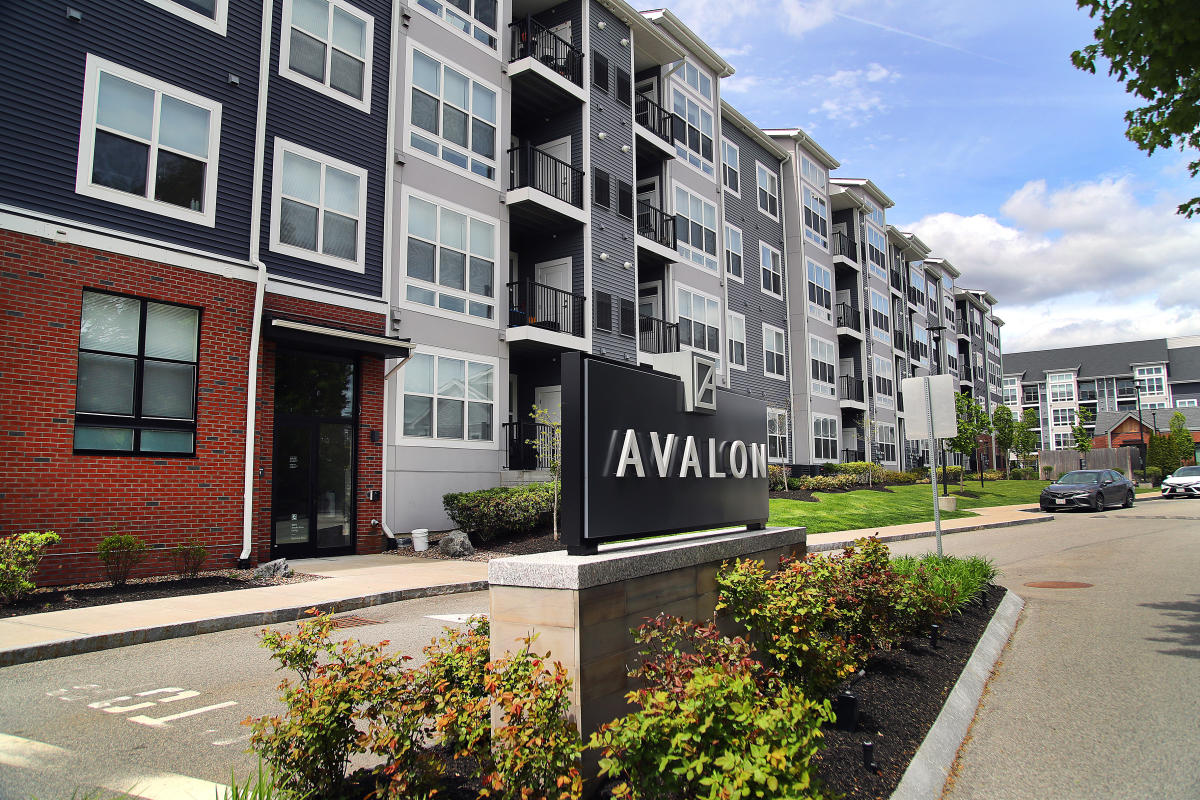
Real Estate Investment Choices: Apartments vs. Single-Family Homes


- Camden Property Trust Performance: In FY 2025, Camden Property Trust achieved nearly $1.6 billion in revenue, reflecting a year-over-year growth of approximately 1.9%, with net income reaching $384.5 million and a net margin of 24.4%, indicating strong recovery and competitiveness in the multifamily apartment market.
- Invitation Homes Growth: As the largest single-family rental company in the U.S., Invitation Homes reported nearly $2.7 billion in revenue for FY 2025, a 4.2% increase, with net income climbing to approximately $587.9 million and a net margin of 21.5%, showcasing robust performance in high-demand markets and ongoing growth potential.
- Risk Profile Comparison: Camden faces risks related to short-term lease exposure and approximately $3.9 billion in total debt, while Invitation Homes is affected by platform dependence and interest rate sensitivity, particularly with about $2.6 billion in variable-rate debt, which may lead to future financial pressures.
- Valuation Comparison: Invitation Homes has a forward P/E ratio of 36.9x, lower than Camden's 71.1x, indicating relative attractiveness to investors, although Camden's stock performance has been better, reflecting market confidence in its future growth.
See More
Future Choices in Real Estate Investment Trusts
- Financial Performance Improvement: Camden Property Trust reported nearly $1.6 billion in revenue for FY 2025, a 1.9% year-over-year increase, with net income reaching approximately $384.5 million, indicating a significant recovery in profitability with a net margin of 24.4%, laying a solid foundation for future growth.
- Market Scale Comparison: Invitation Homes, as the largest single-family rental company in the U.S., manages around 80,000 homes, achieving nearly $2.7 billion in revenue for FY 2025, a 4.2% increase, with net income climbing to approximately $587.9 million, showcasing its strong performance in high-demand markets.
- Risk Management Challenges: Camden faces risks related to short-term lease exposure and development project uncertainties, with expected project costs of about $155 million for 2026 and total debt nearing $3.9 billion, which could impact its financial stability.
- Investment Attractiveness Analysis: Although Camden's dividend yield stands at 3.66%, lower than Invitation's 4%, Camden's stock has performed better over the past year, with a decline of only about 1%, demonstrating its relative resilience in an uncertain economic environment.
See More

Invitation Homes Declares Quarterly Dividend of $0.30 per Share
- Quarterly Dividend Announcement: Invitation Homes has declared a quarterly dividend of $0.30 per share, consistent with previous distributions, indicating the company's stable cash flow and profitability, which is expected to attract more income-focused investors.
- Dividend Yield: The forward yield of 4.07% reflects the company's attractiveness in the current market environment, potentially increasing investor interest in its stock.
- Shareholder Record Date: The dividend will be payable to shareholders of record on June 25, with the ex-dividend date also set for June 25, providing investors with a clear timeline for participation in the dividend distribution.
- Investor Conference Participation: Invitation Homes presented at the Nareit REITweek 2026 Investor Conference, demonstrating the company's proactive approach in communicating its future strategies and market outlook to enhance market confidence and shareholder value.
See More
Invitation Homes Declares Quarterly Cash Dividend
- Quarterly Cash Dividend: Invitation Homes has declared a cash dividend of $0.30 per share for Q3 2026, reflecting the company's ongoing ability to generate stable cash flow, aimed at rewarding shareholders and enhancing investor confidence.
- Payment Schedule: The dividend will be paid on or before July 17 to shareholders of record as of June 25, ensuring timely returns for investors and further solidifying the relationship between the company and its shareholders.
- Stock Performance: On Friday, Invitation Homes' stock fell slightly by 0.03% to $29.44, indicating a muted market reaction to the dividend announcement, which suggests investor caution regarding the company's future growth prospects.
- Market Environment Impact: In the current economic climate, Invitation Homes' dividend policy may attract income-seeking investors, and despite stock price fluctuations, the company remains committed to maintaining shareholder value.
See More
Invitation Homes Declares Quarterly Cash Dividend
- Quarterly Cash Dividend: Invitation Homes has declared a cash dividend of $0.30 per share, payable on or before July 17, 2026, demonstrating the company's ongoing commitment to stable cash flow and shareholder returns.
- Record Date for Shareholders: The record date for this dividend is June 25, 2026, ensuring that shareholders who own stock by this date will receive the dividend, thereby enhancing investor confidence.
- Company Background: As the nation's premier single-family home leasing and management company, Invitation Homes holds a position in the S&P 500, dedicated to expanding housing supply through new development and strategic partnerships, reflecting its significant role in the market.
- Mission and Vision: Invitation Homes' mission,
See More

The Importance of Market Capitalization for Investors

- Market Capitalization Comparison: Invitation Homes Inc (Ticker: INVH) has a market cap of $17.29 billion compared to Tractor Supply Co (Ticker: TSCO) at $16.67 billion, providing investors with a true comparison of company values and helping them avoid erroneous judgments based solely on stock prices.
- Impact on Investor Decisions: Market capitalization not only affects a company's ranking among peers but also directly influences which mutual funds and ETFs are willing to hold the stock; for instance, funds focused on large-cap stocks may only be interested in companies valued at over $10 billion, impacting capital inflows.
- Significance of MidCap Index: The S&P MidCap index focuses on smaller companies by excluding the top 100, highlighting the potential of mid-sized firms, which indicates the importance of market capitalization in investment strategies, especially as mid-sized companies can outperform larger rivals in favorable market conditions.
- Stock Price Fluctuation Observation: At Tuesday's close, INVH's stock price fell by approximately 0.9%, while TSCO dropped about 5.6%, reflecting differing market sentiments towards the two companies and further emphasizing the significance of market capitalization in investment decisions.
See More
Real Estate Investment Choices: Apartments vs. Single-Family Homes
- Camden Property Trust Performance: In FY 2025, Camden Property Trust achieved nearly $1.6 billion in revenue, reflecting a year-over-year growth of approximately 1.9%, with net income reaching $384.5 million and a net margin of 24.4%, indicating strong recovery and competitiveness in the multifamily apartment market.
- Invitation Homes Growth: As the largest single-family rental company in the U.S., Invitation Homes reported nearly $2.7 billion in revenue for FY 2025, a 4.2% increase, with net income climbing to approximately $587.9 million and a net margin of 21.5%, showcasing robust performance in high-demand markets and ongoing growth potential.
- Risk Profile Comparison: Camden faces risks related to short-term lease exposure and approximately $3.9 billion in total debt, while Invitation Homes is affected by platform dependence and interest rate sensitivity, particularly with about $2.6 billion in variable-rate debt, which may lead to future financial pressures.
- Valuation Comparison: Invitation Homes has a forward P/E ratio of 36.9x, lower than Camden's 71.1x, indicating relative attractiveness to investors, although Camden's stock performance has been better, reflecting market confidence in its future growth.
See More
Future Choices in Real Estate Investment Trusts
- Financial Performance Improvement: Camden Property Trust reported nearly $1.6 billion in revenue for FY 2025, a 1.9% year-over-year increase, with net income reaching approximately $384.5 million, indicating a significant recovery in profitability with a net margin of 24.4%, laying a solid foundation for future growth.
- Market Scale Comparison: Invitation Homes, as the largest single-family rental company in the U.S., manages around 80,000 homes, achieving nearly $2.7 billion in revenue for FY 2025, a 4.2% increase, with net income climbing to approximately $587.9 million, showcasing its strong performance in high-demand markets.
- Risk Management Challenges: Camden faces risks related to short-term lease exposure and development project uncertainties, with expected project costs of about $155 million for 2026 and total debt nearing $3.9 billion, which could impact its financial stability.
- Investment Attractiveness Analysis: Although Camden's dividend yield stands at 3.66%, lower than Invitation's 4%, Camden's stock has performed better over the past year, with a decline of only about 1%, demonstrating its relative resilience in an uncertain economic environment.
See More
Invitation Homes Declares Quarterly Dividend of $0.30 per Share
- Quarterly Dividend Announcement: Invitation Homes has declared a quarterly dividend of $0.30 per share, consistent with previous distributions, indicating the company's stable cash flow and profitability, which is expected to attract more income-focused investors.
- Dividend Yield: The forward yield of 4.07% reflects the company's attractiveness in the current market environment, potentially increasing investor interest in its stock.
- Shareholder Record Date: The dividend will be payable to shareholders of record on June 25, with the ex-dividend date also set for June 25, providing investors with a clear timeline for participation in the dividend distribution.
- Investor Conference Participation: Invitation Homes presented at the Nareit REITweek 2026 Investor Conference, demonstrating the company's proactive approach in communicating its future strategies and market outlook to enhance market confidence and shareholder value.
See More
Invitation Homes Declares Quarterly Cash Dividend
- Quarterly Cash Dividend: Invitation Homes has declared a cash dividend of $0.30 per share for Q3 2026, reflecting the company's ongoing ability to generate stable cash flow, aimed at rewarding shareholders and enhancing investor confidence.
- Payment Schedule: The dividend will be paid on or before July 17 to shareholders of record as of June 25, ensuring timely returns for investors and further solidifying the relationship between the company and its shareholders.
- Stock Performance: On Friday, Invitation Homes' stock fell slightly by 0.03% to $29.44, indicating a muted market reaction to the dividend announcement, which suggests investor caution regarding the company's future growth prospects.
- Market Environment Impact: In the current economic climate, Invitation Homes' dividend policy may attract income-seeking investors, and despite stock price fluctuations, the company remains committed to maintaining shareholder value.
See More
Invitation Homes Declares Quarterly Cash Dividend
- Quarterly Cash Dividend: Invitation Homes has declared a cash dividend of $0.30 per share, payable on or before July 17, 2026, demonstrating the company's ongoing commitment to stable cash flow and shareholder returns.
- Record Date for Shareholders: The record date for this dividend is June 25, 2026, ensuring that shareholders who own stock by this date will receive the dividend, thereby enhancing investor confidence.
- Company Background: As the nation's premier single-family home leasing and management company, Invitation Homes holds a position in the S&P 500, dedicated to expanding housing supply through new development and strategic partnerships, reflecting its significant role in the market.
- Mission and Vision: Invitation Homes' mission,
See More
The Importance of Market Capitalization for Investors
- Market Capitalization Comparison: Invitation Homes Inc (Ticker: INVH) has a market cap of $17.29 billion compared to Tractor Supply Co (Ticker: TSCO) at $16.67 billion, providing investors with a true comparison of company values and helping them avoid erroneous judgments based solely on stock prices.
- Impact on Investor Decisions: Market capitalization not only affects a company's ranking among peers but also directly influences which mutual funds and ETFs are willing to hold the stock; for instance, funds focused on large-cap stocks may only be interested in companies valued at over $10 billion, impacting capital inflows.
- Significance of MidCap Index: The S&P MidCap index focuses on smaller companies by excluding the top 100, highlighting the potential of mid-sized firms, which indicates the importance of market capitalization in investment strategies, especially as mid-sized companies can outperform larger rivals in favorable market conditions.
- Stock Price Fluctuation Observation: At Tuesday's close, INVH's stock price fell by approximately 0.9%, while TSCO dropped about 5.6%, reflecting differing market sentiments towards the two companies and further emphasizing the significance of market capitalization in investment decisions.
See More