Intel's Stock Surges Amid Strong Partnerships and Market Confidence
Intel's stock has surged for the ninth consecutive day, reaching a 52-week high, reflecting strong market confidence in the company's growth prospects.
The surge is fueled by strategic partnerships with Google and Elon Musk's Terafab project, with Google planning to utilize Intel's latest Xeon 6 CPUs for AI training and inference, thereby solidifying Intel's position in the AI sector. Additionally, Intel's recent repurchase of its Ireland chip fab for $14.2 billion indicates a recovery in its financial health and enhances its competitiveness in the global semiconductor market.
This remarkable performance highlights Intel's strategic moves and partnerships that are driving investor confidence, positioning the company favorably in the rapidly evolving AI and semiconductor markets.
Trade with 70% Backtested Accuracy
Analyst Views on INTC

About INTC
About the author

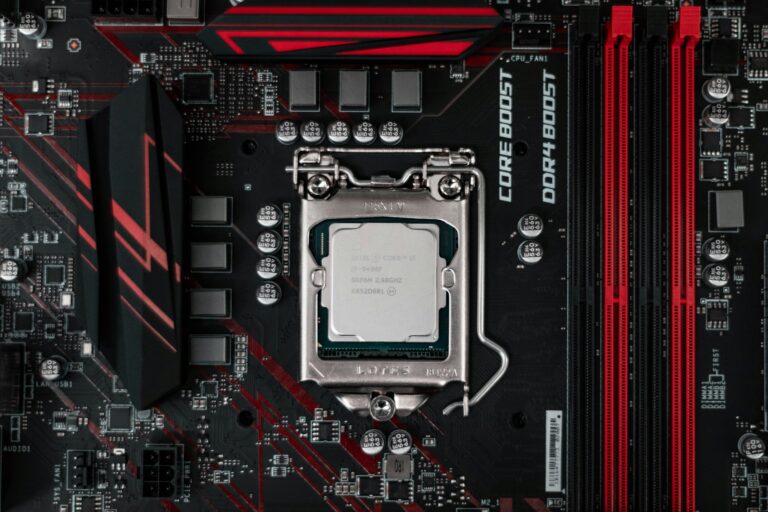
Elan Microelectronics Focuses on Security Market Expansion

- Market Expansion Potential: Elan Microelectronics is focusing on the security market, particularly targeting small and medium businesses, indicating a potential increase in market reach that could enhance overall business growth prospects.
- Strategic Shift: The company is shifting towards more lucrative commercial markets, demonstrating keen insight into market dynamics, which may lead to higher profit margins and increased market share.
- Technological Collaboration: Integration with Intel CPUs and touchscreens indicates significant technological advancements and strong partnerships, which could enhance product competitiveness and drive innovation.
- Innovation Involvement: The mention of RTX Spark service and Surface Laptop Ultra suggests the company's engagement in cutting-edge technology, and while specific financial details are lacking, this involvement may lay the groundwork for future growth.

Intel Shares Surge 6% Amid Calls for Capital Raise to Support Turnaround
- Capital Raise Recommendation: Research firm SemiAnalysis suggests that Intel should consider raising additional capital to support its turnaround and expansion efforts, particularly in light of its partnership on Terafab and the rising costs associated with increased demand for AI CPUs.
- Historical Price Peak: SemiAnalysis notes that Intel's shares have not been this expensive on a trailing 12-month basis since the dot-com bubble, indicating strong market confidence in the company's future prospects.
- Market Capitalization Potential: With a market cap of approximately $498 billion, the firm believes Intel could support a much larger follow-on offering, potentially raising $25 billion, significantly more than Cerebras' $5.55 billion.
- Government and Corporate Support: Recently, Intel has raised funds from the U.S. federal government, Japanese tech giant SoftBank, and Nvidia, demonstrating its strong appeal in the capital markets and potential for strategic partnerships.
Only Two Cryptocurrencies Worth Buying Now

- Bitcoin's Strong Fundamentals: Bitcoin's total supply is capped at 21 million coins, and the upcoming halving in 2028 will further tighten supply; despite its current price being half of its peak in 2025, its long-term value continues to attract investors, particularly as patient holders are likely to see returns over time.
- Hyperliquid's Market Performance: Hyperliquid handled approximately $237.2 billion in perpetual futures volume over the past 30 days, and its mechanism of routing 99% of trading fees into buying back and burning Hype tokens has consumed over $2 billion in value, showcasing its robust value capture strategy.
- Competitive Market Pressure: Hyperliquid's market share in decentralized perpetual futures has risen from 24% at the beginning of the year to 56%, yet it faces competitive pressure from regulated markets, particularly with new entrants like Robinhood potentially impacting its market position.
- Token Unlock Risks: A significant portion of Hyperliquid's token supply remains locked, with unlocks continuing through 2027, necessitating that the pace of buybacks outpaces dilution from these unlocks for the investment to succeed, which is a critical factor to monitor closely.
Bank of America Upgrades Intel to Buy Amid AI Shift

- Significant Rating Upgrade: On June 11, Bank of America's analyst Vivek Arya upgraded Intel from underperform to buy, raising the price target from $96 to $135, reflecting confidence in Intel's turnaround potential despite the stock having tripled in 2026.
- Optimistic Market Outlook: Bank of America projects that the server processor market will grow from $125 billion to $170 billion by 2030, with Intel expected to capture about 25% of this market share, indicating a significant increase in demand for central processors in the AI era.
- Data Center Revenue Growth: In Q1 2026, Intel's data center and AI revenue rose 22% year-over-year to approximately $5.1 billion, far exceeding the 1% growth in its PC chip business, showcasing the company's strong performance and shifting market demand in the AI sector.
- Foundry Business Risks: Intel is striving to become a formidable contract chipmaker, with external foundry revenue at just $174 million in Q1, and the overall foundry segment still losing billions; however, securing clients like Apple and MediaTek could provide a new growth engine if successful.
Bank of America Upgrades Intel to Buy, Skipping Middle Rating
- Significant Rating Upgrade: Bank of America analyst Vivek Arya upgraded Intel from 'Underperform' to 'Buy', raising the price target from $96 to $135, reflecting optimism about AI driving increased spending on central processors and indicating strong market confidence in Intel's turnaround.
- Market Size Expectations: Bank of America projects that the server processor market will grow from $125 billion to $170 billion by 2030, with Intel expected to capture approximately 25% of this market share, highlighting the company's reasserted core position in the AI era.
- Financial Performance Support: In Q1 2026, Intel's data center and AI revenue rose 22% year-over-year to $5.1 billion, significantly outpacing the 1% growth in its PC chip segment, demonstrating strong performance and increasing demand in the AI sector.
- Manufacturing Capability Challenges: While Intel aims to become a more competitive foundry, its external foundry revenue was only $174 million, and the overall foundry business continues to incur losses, indicating significant challenges in catching up with Taiwan Semiconductor.

SpaceX's Successful IPO Sparks Market Rally


- Record-Breaking IPO: SpaceX closed at $161 per share, a 19% increase from its fixed offering price of $135, achieving a market value exceeding $2.1 trillion and becoming the sixth-largest public company in the U.S., indicating strong market appetite for its massive IPO.
- Positive Market Reaction: Ahead of SpaceX's debut, Jim Cramer's optimistic comments alleviated market fears about demand, resulting in a 0.5% rise in the S&P 500 and a 0.3% increase in the Nasdaq, reflecting renewed investor confidence in tech stocks.
- Continued AI Investment Growth: Corning's multi-billion dollar optical fiber supply deal with Amazon boosts its optical communications division, highlighting the increasing demand for fiber optics in data centers and solidifying the company's position in the rapidly evolving AI market.
- Inflation Data Impact: Despite the consumer price index rising 4.2% year-over-year in May, the highest in three years, Jim Cramer attributed this mainly to rising oil prices due to the Iran conflict, with the market largely expecting the Federal Reserve to maintain interest rates in the upcoming meeting, indicating cautious optimism about future economic policies.
Elan Microelectronics Focuses on Security Market Expansion
- Market Expansion Potential: Elan Microelectronics is focusing on the security market, particularly targeting small and medium businesses, indicating a potential increase in market reach that could enhance overall business growth prospects.
- Strategic Shift: The company is shifting towards more lucrative commercial markets, demonstrating keen insight into market dynamics, which may lead to higher profit margins and increased market share.
- Technological Collaboration: Integration with Intel CPUs and touchscreens indicates significant technological advancements and strong partnerships, which could enhance product competitiveness and drive innovation.
- Innovation Involvement: The mention of RTX Spark service and Surface Laptop Ultra suggests the company's engagement in cutting-edge technology, and while specific financial details are lacking, this involvement may lay the groundwork for future growth.
Intel Shares Surge 6% Amid Calls for Capital Raise to Support Turnaround
- Capital Raise Recommendation: Research firm SemiAnalysis suggests that Intel should consider raising additional capital to support its turnaround and expansion efforts, particularly in light of its partnership on Terafab and the rising costs associated with increased demand for AI CPUs.
- Historical Price Peak: SemiAnalysis notes that Intel's shares have not been this expensive on a trailing 12-month basis since the dot-com bubble, indicating strong market confidence in the company's future prospects.
- Market Capitalization Potential: With a market cap of approximately $498 billion, the firm believes Intel could support a much larger follow-on offering, potentially raising $25 billion, significantly more than Cerebras' $5.55 billion.
- Government and Corporate Support: Recently, Intel has raised funds from the U.S. federal government, Japanese tech giant SoftBank, and Nvidia, demonstrating its strong appeal in the capital markets and potential for strategic partnerships.
Only Two Cryptocurrencies Worth Buying Now
- Bitcoin's Strong Fundamentals: Bitcoin's total supply is capped at 21 million coins, and the upcoming halving in 2028 will further tighten supply; despite its current price being half of its peak in 2025, its long-term value continues to attract investors, particularly as patient holders are likely to see returns over time.
- Hyperliquid's Market Performance: Hyperliquid handled approximately $237.2 billion in perpetual futures volume over the past 30 days, and its mechanism of routing 99% of trading fees into buying back and burning Hype tokens has consumed over $2 billion in value, showcasing its robust value capture strategy.
- Competitive Market Pressure: Hyperliquid's market share in decentralized perpetual futures has risen from 24% at the beginning of the year to 56%, yet it faces competitive pressure from regulated markets, particularly with new entrants like Robinhood potentially impacting its market position.
- Token Unlock Risks: A significant portion of Hyperliquid's token supply remains locked, with unlocks continuing through 2027, necessitating that the pace of buybacks outpaces dilution from these unlocks for the investment to succeed, which is a critical factor to monitor closely.
Bank of America Upgrades Intel to Buy Amid AI Shift
- Significant Rating Upgrade: On June 11, Bank of America's analyst Vivek Arya upgraded Intel from underperform to buy, raising the price target from $96 to $135, reflecting confidence in Intel's turnaround potential despite the stock having tripled in 2026.
- Optimistic Market Outlook: Bank of America projects that the server processor market will grow from $125 billion to $170 billion by 2030, with Intel expected to capture about 25% of this market share, indicating a significant increase in demand for central processors in the AI era.
- Data Center Revenue Growth: In Q1 2026, Intel's data center and AI revenue rose 22% year-over-year to approximately $5.1 billion, far exceeding the 1% growth in its PC chip business, showcasing the company's strong performance and shifting market demand in the AI sector.
- Foundry Business Risks: Intel is striving to become a formidable contract chipmaker, with external foundry revenue at just $174 million in Q1, and the overall foundry segment still losing billions; however, securing clients like Apple and MediaTek could provide a new growth engine if successful.
Bank of America Upgrades Intel to Buy, Skipping Middle Rating
- Significant Rating Upgrade: Bank of America analyst Vivek Arya upgraded Intel from 'Underperform' to 'Buy', raising the price target from $96 to $135, reflecting optimism about AI driving increased spending on central processors and indicating strong market confidence in Intel's turnaround.
- Market Size Expectations: Bank of America projects that the server processor market will grow from $125 billion to $170 billion by 2030, with Intel expected to capture approximately 25% of this market share, highlighting the company's reasserted core position in the AI era.
- Financial Performance Support: In Q1 2026, Intel's data center and AI revenue rose 22% year-over-year to $5.1 billion, significantly outpacing the 1% growth in its PC chip segment, demonstrating strong performance and increasing demand in the AI sector.
- Manufacturing Capability Challenges: While Intel aims to become a more competitive foundry, its external foundry revenue was only $174 million, and the overall foundry business continues to incur losses, indicating significant challenges in catching up with Taiwan Semiconductor.
SpaceX's Successful IPO Sparks Market Rally
- Record-Breaking IPO: SpaceX closed at $161 per share, a 19% increase from its fixed offering price of $135, achieving a market value exceeding $2.1 trillion and becoming the sixth-largest public company in the U.S., indicating strong market appetite for its massive IPO.
- Positive Market Reaction: Ahead of SpaceX's debut, Jim Cramer's optimistic comments alleviated market fears about demand, resulting in a 0.5% rise in the S&P 500 and a 0.3% increase in the Nasdaq, reflecting renewed investor confidence in tech stocks.
- Continued AI Investment Growth: Corning's multi-billion dollar optical fiber supply deal with Amazon boosts its optical communications division, highlighting the increasing demand for fiber optics in data centers and solidifying the company's position in the rapidly evolving AI market.
- Inflation Data Impact: Despite the consumer price index rising 4.2% year-over-year in May, the highest in three years, Jim Cramer attributed this mainly to rising oil prices due to the Iran conflict, with the market largely expecting the Federal Reserve to maintain interest rates in the upcoming meeting, indicating cautious optimism about future economic policies.