Halliburton Reports Strong Q4 Earnings, Stock Surges
Halliburton's stock rose by 5.05% as it crossed above the 5-day SMA, reflecting positive investor sentiment following its latest earnings report.
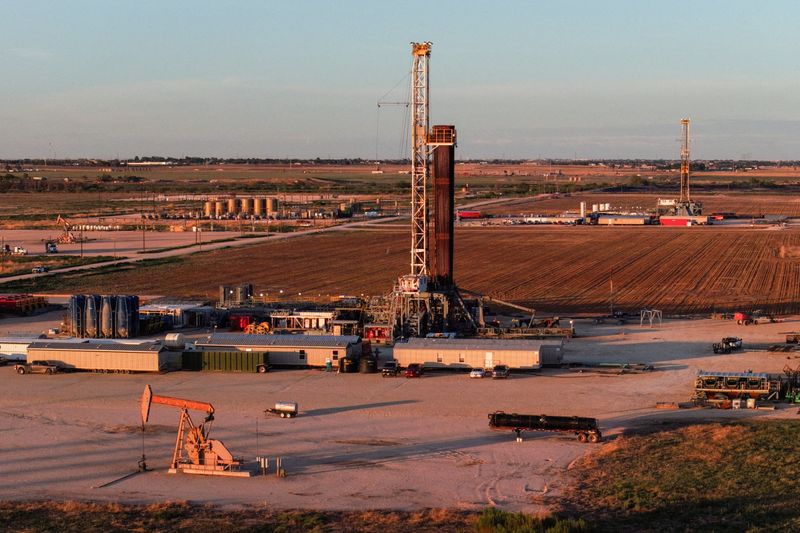
The company reported a net income of $589 million for Q4 2025, significantly up from $18 million in Q3 2025, driven by improved operational efficiency and strong international sales, particularly in Latin America and Africa. This performance, alongside a revenue increase to $5.7 billion, has bolstered investor confidence, especially as CEO Jeff Miller expressed optimism about future growth opportunities in North America and the Venezuelan market.
The strong earnings performance and positive outlook suggest that Halliburton is well-positioned to capitalize on market recovery, which may lead to further stock appreciation as investors respond favorably to the company's strategic initiatives.
Trade with 70% Backtested Accuracy
Analyst Views on HAL

About HAL
About the author


Iran War Reshapes Global Energy Landscape
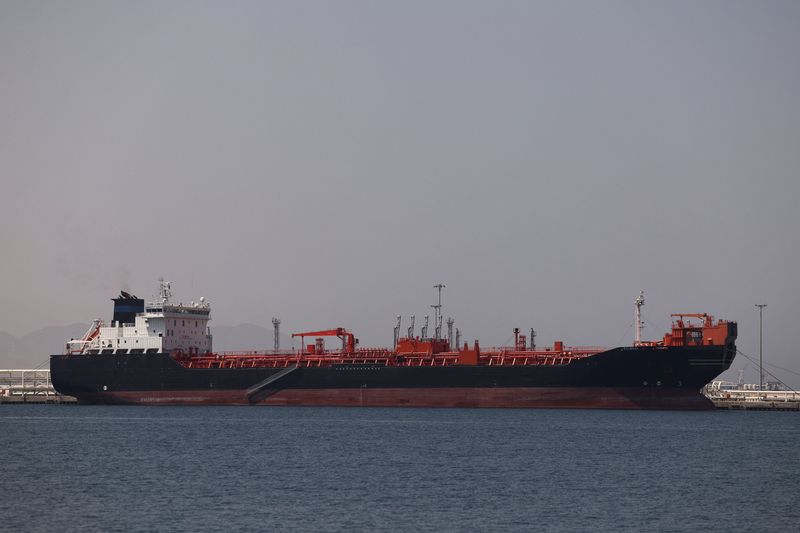
- Energy Security Priority: The Iranian blockade of the Strait of Hormuz has resulted in a loss of nearly one billion barrels of oil, highlighting the fragility of the global energy system and prompting governments and companies to prioritize energy security, leading to increased investment in oil exploration and production.
- Supply Diversification Demand: The closure of the Strait has underscored Asian economies' dependence on Middle Eastern crude oil and LNG, prompting nations to reassess their energy security and seek diversified supplies to mitigate risks in the future.
- Inventory Rebuilding Plans: Due to war impacts, global oil inventories have been hit, and countries are expected to rebuild stockpiles above historical levels to ensure energy security, further driving demand for U.S. crude.
- African Investment Opportunities: Elevated oil prices will stimulate investments in offshore and deepwater opportunities in Africa, the Americas, and Asia, with SLB's CEO noting Africa as a key long-term investment area, anticipating a favorable shift in portfolio allocations towards the region.
HALLIBURTON CO.: BARCLAYS INCREASES TARGET PRICE FROM $37 TO $55
Company Update: Halliburton's stock target price has been raised by Barclays.
New Target Price: The new target price is set at $55, an increase from the previous $37.

Middle East Conflict Causes Global Oil Shortage

- Global Oil Shortage: Shell CEO Wael Sawan reported a current oil shortage of nearly one billion barrels, primarily due to locked-in and unproduced crude, with the gap deepening daily, indicating a long recovery process ahead.
- Limited Consumption Impact: Despite reduced oil supplies, jet fuel consumption in the airline industry has only declined by about 5%, reflecting a relatively mild demand destruction, yet the market faces the largest supply disruption in history.
- Strait of Hormuz Blockade: The International Energy Agency noted that Iran has effectively blockaded the Strait of Hormuz, impacting about 20% of global oil supplies, with normal export recovery expected to take months, disrupting global supply chains.
- Future Shortage Risks: ConocoPhillips executives warned that as summer approaches, import-dependent countries may face severe fuel shortages, particularly between June and July, as the impact of lost Middle Eastern oil supplies becomes increasingly apparent.
Citadel's Stake in GLND Boosts Market Confidence

- Stake Increase: Citadel's acquisition of a 9.2% stake in GLND, alongside Kenneth Griffin's 9.3% ownership, indicates growing institutional confidence in the company, potentially attracting further investor interest.
- Oil Basin Potential: An independent evaluation revealed that the Jameson Land basin has a recoverable oil potential of over 13 billion barrels, ranking it as the 13th largest undeveloped oil accumulation globally, which could enhance GLND's market valuation and investment appeal.
- Strategic Partnership: The consulting agreement with Halliburton will support GLND's 2026 onshore drilling campaign in the Jameson Land Basin, ensuring efficient management of equipment and services, thereby increasing the likelihood of project success and operational efficiency.
- Market Sentiment: Despite a 61% decline in GLND's stock price year-to-date, bullish sentiment persists on Stocktwits, indicating optimistic expectations for the company's future, which may facilitate a price rebound.
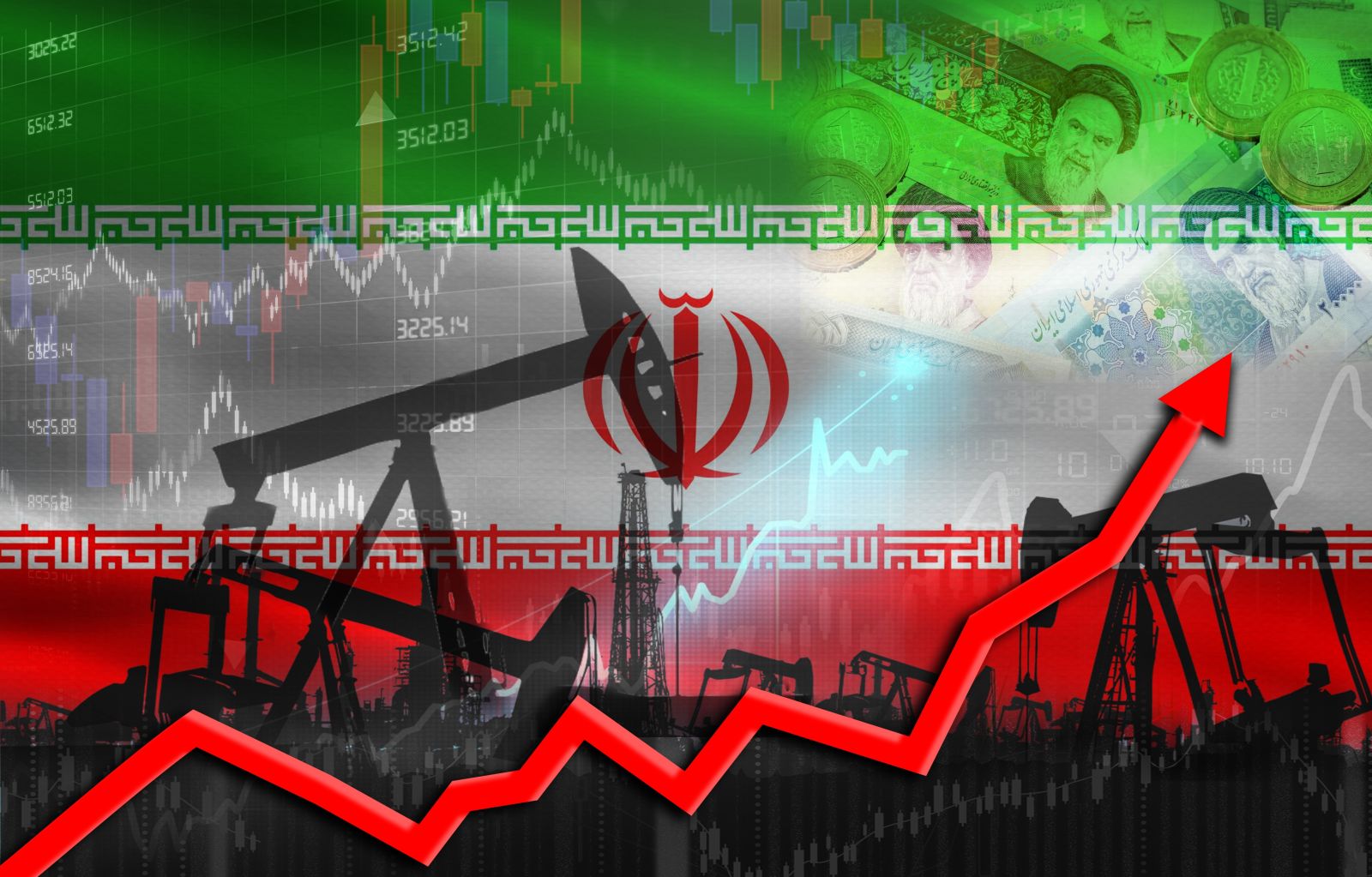
U.S. Stock Market Retreats as Oil Prices Surge

- Market Retreat: The S&P 500 Index fell by 0.40%, the Dow Jones Industrial Average by 0.51%, and the Nasdaq 100 by 0.28%, indicating a retreat in market sentiment as rising oil prices weigh on investor confidence and raise concerns about future economic prospects.
- Strong Employment Data: Initial jobless claims in the U.S. rose by 10,000 to 200,000, indicating a stronger labor market than the expected 205,000, while continuing claims unexpectedly fell by 10,000 to a 2.25-year low of 1.766 million, showcasing economic resilience.
- Productivity and Costs: U.S. Q1 nonfarm productivity increased by 0.8%, surpassing expectations of 0.6%, while unit labor costs rose by 2.3%, below the anticipated 2.5%, which may influence future inflation expectations and Fed policy decisions.
- Fed Policy Outlook: Boston Fed President indicated that interest rates should remain at “mildly restrictive” levels, suggesting that if inflation trends worsen significantly, a reassessment of policy would be necessary, with markets pricing in only a 6% chance of a rate cut at the next FOMC meeting.
US Stocks Show Mixed Movement, Tech Stocks Surge
- Tech Stock Surge: Datadog reported Q1 revenue of $1.01 billion, exceeding the consensus of $957.8 million, leading to a stock price increase of over 30%, which boosts overall market sentiment and reflects strong recovery in the tech sector amid high investor expectations for artificial intelligence.
- Stable Labor Market: Initial jobless claims rose by 10,000 to 200,000, lower than the expected 205,000, indicating resilience in the labor market, while continuing claims unexpectedly fell by 10,000 to a 2.25-year low of 1.766 million, further enhancing market confidence.
- Crude Oil Price Decline: WTI crude oil prices fell by more than 4% as markets await updates on a potential US-Iran peace deal that could reopen the Strait of Hormuz, negatively impacting energy producers and leading to widespread declines in related stocks.
- Fed Policy Outlook: Boston Fed President indicated that interest rates should remain at
Iran War Reshapes Global Energy Landscape
- Energy Security Priority: The Iranian blockade of the Strait of Hormuz has resulted in a loss of nearly one billion barrels of oil, highlighting the fragility of the global energy system and prompting governments and companies to prioritize energy security, leading to increased investment in oil exploration and production.
- Supply Diversification Demand: The closure of the Strait has underscored Asian economies' dependence on Middle Eastern crude oil and LNG, prompting nations to reassess their energy security and seek diversified supplies to mitigate risks in the future.
- Inventory Rebuilding Plans: Due to war impacts, global oil inventories have been hit, and countries are expected to rebuild stockpiles above historical levels to ensure energy security, further driving demand for U.S. crude.
- African Investment Opportunities: Elevated oil prices will stimulate investments in offshore and deepwater opportunities in Africa, the Americas, and Asia, with SLB's CEO noting Africa as a key long-term investment area, anticipating a favorable shift in portfolio allocations towards the region.
HALLIBURTON CO.: BARCLAYS INCREASES TARGET PRICE FROM $37 TO $55
Company Update: Halliburton's stock target price has been raised by Barclays.
New Target Price: The new target price is set at $55, an increase from the previous $37.
Middle East Conflict Causes Global Oil Shortage
- Global Oil Shortage: Shell CEO Wael Sawan reported a current oil shortage of nearly one billion barrels, primarily due to locked-in and unproduced crude, with the gap deepening daily, indicating a long recovery process ahead.
- Limited Consumption Impact: Despite reduced oil supplies, jet fuel consumption in the airline industry has only declined by about 5%, reflecting a relatively mild demand destruction, yet the market faces the largest supply disruption in history.
- Strait of Hormuz Blockade: The International Energy Agency noted that Iran has effectively blockaded the Strait of Hormuz, impacting about 20% of global oil supplies, with normal export recovery expected to take months, disrupting global supply chains.
- Future Shortage Risks: ConocoPhillips executives warned that as summer approaches, import-dependent countries may face severe fuel shortages, particularly between June and July, as the impact of lost Middle Eastern oil supplies becomes increasingly apparent.
Citadel's Stake in GLND Boosts Market Confidence
- Stake Increase: Citadel's acquisition of a 9.2% stake in GLND, alongside Kenneth Griffin's 9.3% ownership, indicates growing institutional confidence in the company, potentially attracting further investor interest.
- Oil Basin Potential: An independent evaluation revealed that the Jameson Land basin has a recoverable oil potential of over 13 billion barrels, ranking it as the 13th largest undeveloped oil accumulation globally, which could enhance GLND's market valuation and investment appeal.
- Strategic Partnership: The consulting agreement with Halliburton will support GLND's 2026 onshore drilling campaign in the Jameson Land Basin, ensuring efficient management of equipment and services, thereby increasing the likelihood of project success and operational efficiency.
- Market Sentiment: Despite a 61% decline in GLND's stock price year-to-date, bullish sentiment persists on Stocktwits, indicating optimistic expectations for the company's future, which may facilitate a price rebound.
U.S. Stock Market Retreats as Oil Prices Surge
- Market Retreat: The S&P 500 Index fell by 0.40%, the Dow Jones Industrial Average by 0.51%, and the Nasdaq 100 by 0.28%, indicating a retreat in market sentiment as rising oil prices weigh on investor confidence and raise concerns about future economic prospects.
- Strong Employment Data: Initial jobless claims in the U.S. rose by 10,000 to 200,000, indicating a stronger labor market than the expected 205,000, while continuing claims unexpectedly fell by 10,000 to a 2.25-year low of 1.766 million, showcasing economic resilience.
- Productivity and Costs: U.S. Q1 nonfarm productivity increased by 0.8%, surpassing expectations of 0.6%, while unit labor costs rose by 2.3%, below the anticipated 2.5%, which may influence future inflation expectations and Fed policy decisions.
- Fed Policy Outlook: Boston Fed President indicated that interest rates should remain at “mildly restrictive” levels, suggesting that if inflation trends worsen significantly, a reassessment of policy would be necessary, with markets pricing in only a 6% chance of a rate cut at the next FOMC meeting.
US Stocks Show Mixed Movement, Tech Stocks Surge
- Tech Stock Surge: Datadog reported Q1 revenue of $1.01 billion, exceeding the consensus of $957.8 million, leading to a stock price increase of over 30%, which boosts overall market sentiment and reflects strong recovery in the tech sector amid high investor expectations for artificial intelligence.
- Stable Labor Market: Initial jobless claims rose by 10,000 to 200,000, lower than the expected 205,000, indicating resilience in the labor market, while continuing claims unexpectedly fell by 10,000 to a 2.25-year low of 1.766 million, further enhancing market confidence.
- Crude Oil Price Decline: WTI crude oil prices fell by more than 4% as markets await updates on a potential US-Iran peace deal that could reopen the Strait of Hormuz, negatively impacting energy producers and leading to widespread declines in related stocks.
- Fed Policy Outlook: Boston Fed President indicated that interest rates should remain at