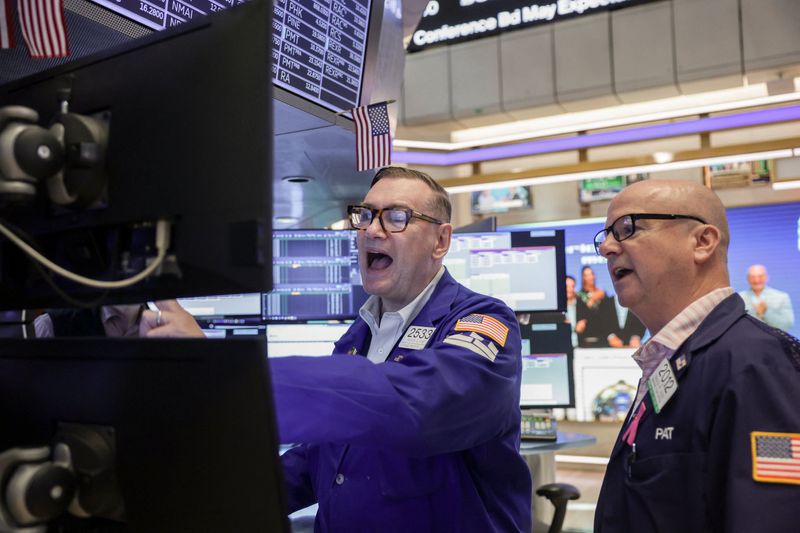
Ferrari Resumes Shipments to Middle East Amid Regional Conflict
Ferrari's stock rose by 5.00% as it crossed above the 5-day SMA, reflecting positive market response to recent developments.
The company has resumed shipments to the Middle East after a week-long pause due to regional conflict, demonstrating its adaptability and commitment to customer demands. Despite increased shipping costs, customers are willing to pay for air freight to ensure safe delivery, indicating strong brand loyalty. Giorgio Turri, Managing Director of Ferrari Middle East, confirmed no cancellations, highlighting resilience in the luxury market amid turmoil.
This resumption of shipments not only showcases Ferrari's operational strength but also reinforces investor confidence in the brand's long-term prospects, even in challenging geopolitical climates.
Trade with 70% Backtested Accuracy
Analyst Views on RACE

About RACE
About the author

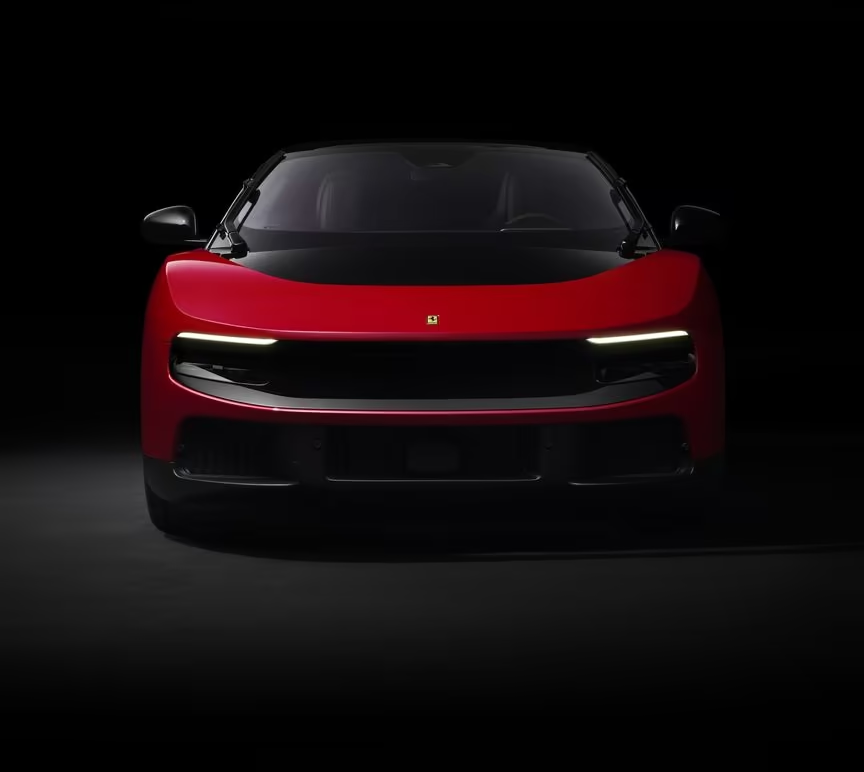
Ferrari Launches First All-Electric Vehicle Luce Amid Market Uncertainty

- Electrification Strategy Shift: Ferrari has announced the launch of its first all-electric vehicle, Luce, amidst uncertainty regarding the demand for high-end electric supercars, with expectations that EVs will now comprise 20% of sales, significantly lower than previous forecasts.
- Market Risk Assessment: While Ferrari adopts a cautious approach to electrification, its competitor Lamborghini has canceled its electric plans, highlighting potential risks in the high-end electric supercar market, necessitating Ferrari to balance brand emotional experiences with electrification.
- Sales Target Feasibility: Ferrari only needs to sell between 500 and 1,000 Luce units annually to achieve success, which is relatively attainable given its annual sales of approximately 14,000 vehicles and high demand, showcasing its strong market appeal.
- Brand Value and Investment Opportunity: Despite a 6% decline in Ferrari's stock post-Luce unveiling, long-term investors can seize this rare entry opportunity, as Ferrari's EBITDA margins near 40% reflect its robust profitability and competitive market position.

U.S.-Iran Peace Agreement Close Yet Obstacles Remain

- U.S.-Iran Peace Progress: The peace agreement between the U.S. and Iran appears tantalizingly close, yet mixed messages from Washington and Tehran, along with ongoing missile strikes, present significant obstacles, as President Trump has yet to give final approval for a 60-day memorandum of understanding.
- Oil Price Volatility: Brent crude prices have fallen over 17% in May, while WTI has dropped more than 15%, significantly impacting the energy market, with forecasts indicating that oil inventories could reach record lows in the coming weeks.
- Strong Corporate Earnings: Dell's shares surged nearly 40% in after-hours trading after exceeding Wall Street's earnings forecasts and raising guidance, with analysts attributing this solid performance to Michael Dell's early efforts to foster good relations with the Trump Administration.
- Ferrari EV Launch Crisis: The launch of Ferrari's first full-electric car, the Luce, turned into a PR crisis due to overly strict security measures that disappointed investors, leading to an 8% drop in stock price the following day, although this move signifies a crucial step for the company in the electric vehicle market.

Snowflake Reports Strong Q1 Results, Shares Surge 37%


- Strong Earnings Performance: Snowflake reported first-quarter results that exceeded expectations, leading to a more than 37% surge in shares during after-hours trading, indicating a potential best trading day ever and reflecting strong market confidence in its growth prospects.
- Significant Investment Commitment: The company announced a $6 billion investment in Amazon Web Services (AWS) to enhance its cloud computing capabilities and accelerate the development of AI-related products, thereby improving its competitive edge and customer service capabilities.
- Acquisition Strategy: Snowflake also revealed the acquisition of AI startup Natoma, further expanding its technological capabilities and signaling a strategic focus on AI, which is expected to support future product innovation and market expansion.
- Industry Dynamics Impact: Alongside Snowflake's strong performance, Salesforce also beat Wall Street's first-quarter estimates, although its full-year outlook fell slightly short, indicating signs of recovery in the tech sector that may attract more investor interest in related stocks.
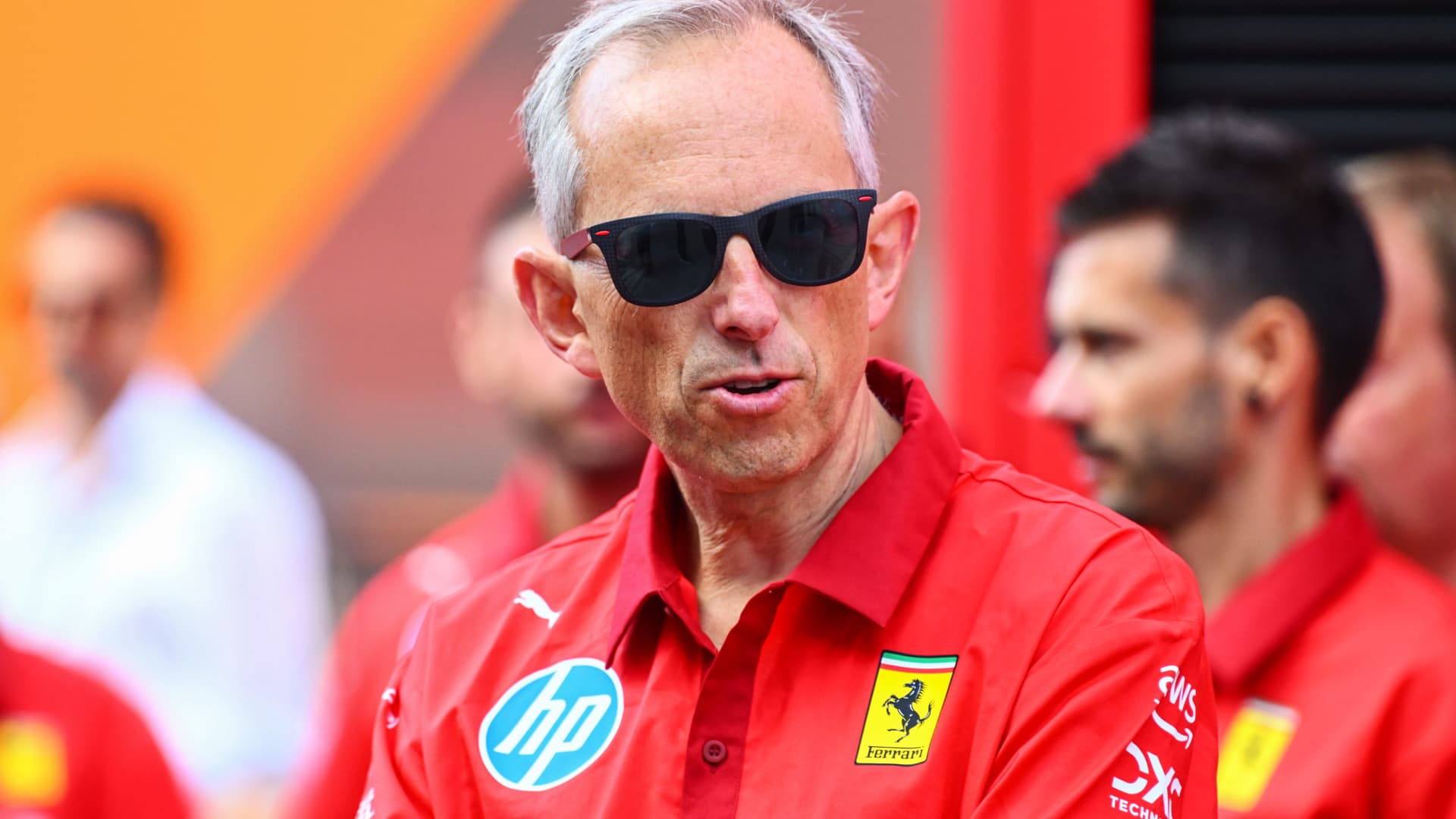
Ferrari Unveils First Electric Vehicle Luce Amid Market Concerns
- Price Defense: Ferrari's first fully electric vehicle, Luce, is priced at €550,000 (approximately $640,000), with CEO Benedetto Vigna defending this cost as a fair reflection of innovation, despite an 8% stock drop following its launch.
- Market Reaction: Following the Luce's unveiling, Ferrari's Milan-listed stock fell 8% on Tuesday and 0.1% on Wednesday, although it rebounded slightly by 1.7% on Thursday, indicating investor concerns and market volatility surrounding the new model.
- Design Controversy: The unconventional design of the Luce has faced criticism from the former CEO and Italy's transport minister, while Vigna emphasized that the vehicle is distinct from Chinese EVs and other brands, highlighting Ferrari's unique positioning in the electric vehicle market.
- Respect for Technology: Vigna noted in an interview that launching new technology requires respect for the technology itself, ensuring that the design accurately represents its innovative features, marking a significant new chapter in Ferrari's history.

Ferrari CEO Defends Luce's Price Amid Market Reaction
- Luce Model Launch: Ferrari unveiled its all-electric Luce model in Rome, priced at €550,000 (approximately $640,000), which led to an 8% drop in stock price following the announcement.
- Innovation Value Defense: CEO Benedetto Vigna defended the pricing as a fair return for innovation, emphasizing that the Luce is distinct from Chinese EVs and other brands, aiming to maintain the brand's uniqueness.
- Market Reaction Analysis: Despite the controversy surrounding the Luce's launch and criticism from the former CEO, analysts believe the investor backlash is overly pessimistic, stating that it is
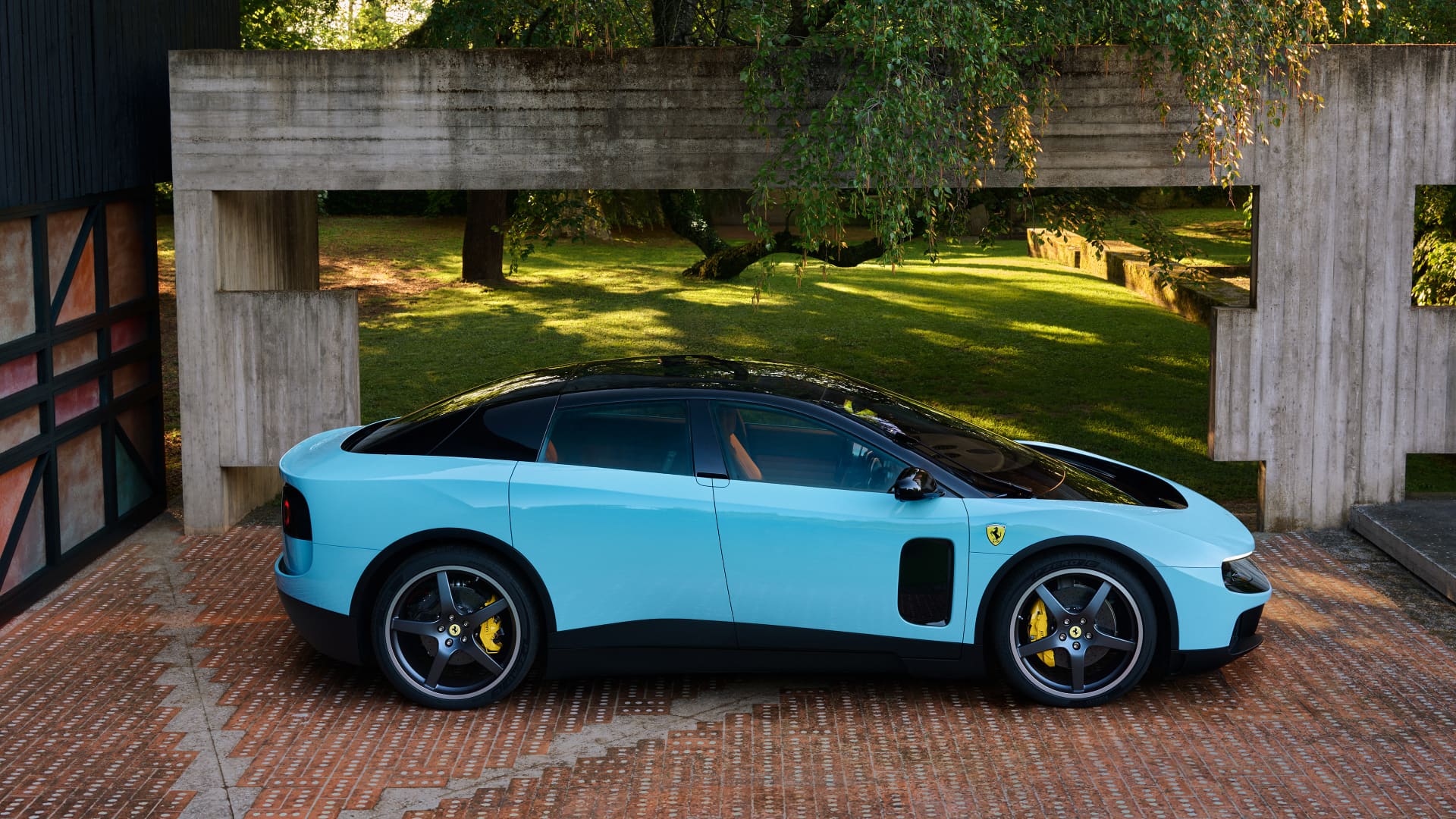
Ferrari's First Electric Car Launch Sparks Controversy

- Stock Price Plunge: Ferrari's stock fell over 8% following the unveiling of its first electric vehicle, the Luce, although it briefly rebounded by 2% on Wednesday morning; this negative market reaction indicates investor concerns that could impact the company's short-term financial performance.
- Design Criticism: The unconventional design of the Luce has drawn criticism from former chairman and Italy's transport minister, who claimed it strays from Ferrari's tradition, potentially harming the brand's image and leading to a loss of potential customers in the luxury market.
- Market Reaction Analysis: Analysts suggest that the market's reaction may be overly pessimistic, recalling similar concerns during the Purosangue launch; however, the Luce's design could affect its residual values, prompting investors to closely monitor initial demand to assess future sales potential.
- EV Market Risks: With luxury brands like Bentley and Lamborghini delaying electric vehicle models, Ferrari's Luce launch highlights the risks associated with the BEV transition among ultra-wealthy clients, with analysts warning that this could pressure the company's valuation, as future earnings are expected to remain reliant on internal combustion engine products.
Ferrari Launches First All-Electric Vehicle Luce Amid Market Uncertainty
- Electrification Strategy Shift: Ferrari has announced the launch of its first all-electric vehicle, Luce, amidst uncertainty regarding the demand for high-end electric supercars, with expectations that EVs will now comprise 20% of sales, significantly lower than previous forecasts.
- Market Risk Assessment: While Ferrari adopts a cautious approach to electrification, its competitor Lamborghini has canceled its electric plans, highlighting potential risks in the high-end electric supercar market, necessitating Ferrari to balance brand emotional experiences with electrification.
- Sales Target Feasibility: Ferrari only needs to sell between 500 and 1,000 Luce units annually to achieve success, which is relatively attainable given its annual sales of approximately 14,000 vehicles and high demand, showcasing its strong market appeal.
- Brand Value and Investment Opportunity: Despite a 6% decline in Ferrari's stock post-Luce unveiling, long-term investors can seize this rare entry opportunity, as Ferrari's EBITDA margins near 40% reflect its robust profitability and competitive market position.
U.S.-Iran Peace Agreement Close Yet Obstacles Remain
- U.S.-Iran Peace Progress: The peace agreement between the U.S. and Iran appears tantalizingly close, yet mixed messages from Washington and Tehran, along with ongoing missile strikes, present significant obstacles, as President Trump has yet to give final approval for a 60-day memorandum of understanding.
- Oil Price Volatility: Brent crude prices have fallen over 17% in May, while WTI has dropped more than 15%, significantly impacting the energy market, with forecasts indicating that oil inventories could reach record lows in the coming weeks.
- Strong Corporate Earnings: Dell's shares surged nearly 40% in after-hours trading after exceeding Wall Street's earnings forecasts and raising guidance, with analysts attributing this solid performance to Michael Dell's early efforts to foster good relations with the Trump Administration.
- Ferrari EV Launch Crisis: The launch of Ferrari's first full-electric car, the Luce, turned into a PR crisis due to overly strict security measures that disappointed investors, leading to an 8% drop in stock price the following day, although this move signifies a crucial step for the company in the electric vehicle market.
Snowflake Reports Strong Q1 Results, Shares Surge 37%
- Strong Earnings Performance: Snowflake reported first-quarter results that exceeded expectations, leading to a more than 37% surge in shares during after-hours trading, indicating a potential best trading day ever and reflecting strong market confidence in its growth prospects.
- Significant Investment Commitment: The company announced a $6 billion investment in Amazon Web Services (AWS) to enhance its cloud computing capabilities and accelerate the development of AI-related products, thereby improving its competitive edge and customer service capabilities.
- Acquisition Strategy: Snowflake also revealed the acquisition of AI startup Natoma, further expanding its technological capabilities and signaling a strategic focus on AI, which is expected to support future product innovation and market expansion.
- Industry Dynamics Impact: Alongside Snowflake's strong performance, Salesforce also beat Wall Street's first-quarter estimates, although its full-year outlook fell slightly short, indicating signs of recovery in the tech sector that may attract more investor interest in related stocks.
Ferrari Unveils First Electric Vehicle Luce Amid Market Concerns
- Price Defense: Ferrari's first fully electric vehicle, Luce, is priced at €550,000 (approximately $640,000), with CEO Benedetto Vigna defending this cost as a fair reflection of innovation, despite an 8% stock drop following its launch.
- Market Reaction: Following the Luce's unveiling, Ferrari's Milan-listed stock fell 8% on Tuesday and 0.1% on Wednesday, although it rebounded slightly by 1.7% on Thursday, indicating investor concerns and market volatility surrounding the new model.
- Design Controversy: The unconventional design of the Luce has faced criticism from the former CEO and Italy's transport minister, while Vigna emphasized that the vehicle is distinct from Chinese EVs and other brands, highlighting Ferrari's unique positioning in the electric vehicle market.
- Respect for Technology: Vigna noted in an interview that launching new technology requires respect for the technology itself, ensuring that the design accurately represents its innovative features, marking a significant new chapter in Ferrari's history.
Ferrari CEO Defends Luce's Price Amid Market Reaction
- Luce Model Launch: Ferrari unveiled its all-electric Luce model in Rome, priced at €550,000 (approximately $640,000), which led to an 8% drop in stock price following the announcement.
- Innovation Value Defense: CEO Benedetto Vigna defended the pricing as a fair return for innovation, emphasizing that the Luce is distinct from Chinese EVs and other brands, aiming to maintain the brand's uniqueness.
- Market Reaction Analysis: Despite the controversy surrounding the Luce's launch and criticism from the former CEO, analysts believe the investor backlash is overly pessimistic, stating that it is
Ferrari's First Electric Car Launch Sparks Controversy
- Stock Price Plunge: Ferrari's stock fell over 8% following the unveiling of its first electric vehicle, the Luce, although it briefly rebounded by 2% on Wednesday morning; this negative market reaction indicates investor concerns that could impact the company's short-term financial performance.
- Design Criticism: The unconventional design of the Luce has drawn criticism from former chairman and Italy's transport minister, who claimed it strays from Ferrari's tradition, potentially harming the brand's image and leading to a loss of potential customers in the luxury market.
- Market Reaction Analysis: Analysts suggest that the market's reaction may be overly pessimistic, recalling similar concerns during the Purosangue launch; however, the Luce's design could affect its residual values, prompting investors to closely monitor initial demand to assess future sales potential.
- EV Market Risks: With luxury brands like Bentley and Lamborghini delaying electric vehicle models, Ferrari's Luce launch highlights the risks associated with the BEV transition among ultra-wealthy clients, with analysts warning that this could pressure the company's valuation, as future earnings are expected to remain reliant on internal combustion engine products.