Ferrari Launches €3.5 Billion Share Buyback Program

Ferrari's stock has dropped 5.02% and hit a 5-day low amid broader market declines, with the Nasdaq-100 down 0.28% and the S&P 500 down 0.19%.
The company has initiated a €3.5 billion share buyback program, purchasing 31,000 shares for €91.68 million, reflecting confidence in its stock value. This proactive approach aims to safeguard shareholder interests and enhance market confidence, especially during fluctuations. As of February 20, 2026, Ferrari holds 16,952,249 treasury shares, representing 8.74% of total issued shares, which strengthens its capital structure and lays groundwork for future returns.
This buyback program is expected to bolster investor trust and improve the company's governance transparency, potentially leading to a positive impact on stock performance in the long term.
Trade with 70% Backtested Accuracy
Analyst Views on RACE

About RACE
About the author

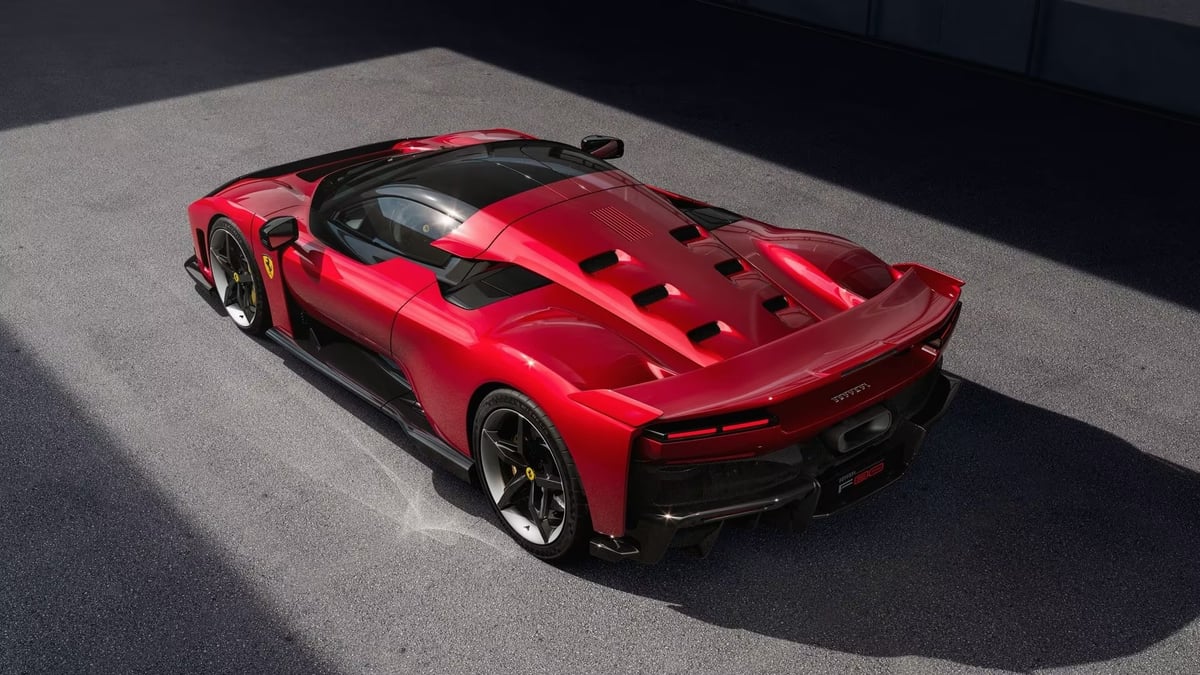
Ferrari Beats Q1 Earnings Estimates Amid Iran Conflict
- Earnings Beat: Despite the threat posed by the Iran conflict, Ferrari delivered 3,436 vehicles in Q1, down 157 from last year, yet achieved a 3% revenue increase to €1.85 billion, surpassing analysts' expectations of €1.83 billion.
- Full-Year Guidance: Ferrari confirmed its full-year adjusted EPS guidance of €9.45 on net revenue of €7.5 billion, indicating that its strategy to pull forward deliveries has effectively mitigated impacts from the Middle East, bolstering investor confidence.
- EV Launch Risk: The upcoming launch of Ferrari's first all-electric vehicle, the Luce, priced at approximately €550,000, poses a risk as demand for high-end electric vehicles remains uncertain, testing Ferrari's brand power and pricing strategy.
- Strong Order Book: Despite uncertainties surrounding the Luce premiere, Ferrari's order book extends into the end of 2027, reflecting sustained demand in the luxury market and strong financial performance.

China Amasses World's Largest Crude Oil Stockpile

- Oil Reserve Scale: China added an average of 1.1 million barrels per day to its strategic reserves in 2025, bringing its total to approximately 360 million barrels by December 2025, closely approaching the U.S. reserves of nearly 414 million barrels, highlighting China's significant role in the global energy market.
- Impact on U.S. Relations: The increase in Chinese imports of Iranian crude could prompt the U.S. to impose a second round of sanctions on Sino-Iranian trade, escalating tensions between the two nations and potentially affecting the agenda of the upcoming high-level meeting.
- Market Dynamics Shift: According to Kpler, the completion of Middle Eastern cargo discharges has led to a rapid inventory drawdown, which may slow refining rates and further impact global oil price volatility, indicating a shift in market dynamics.
- Strategic Reserve Role: China's strategic petroleum reserves serve as a hedge against supply constraints and price volatility, particularly amid escalating tensions with the U.S. and sanctions, underscoring its strategic significance in global energy security.

Anthropic Partners with SpaceX for AI Computing Capacity

- Data Center Partnership: Anthropic has partnered with SpaceX to utilize the newly built Colossus 2 data center, which boasts 220,000 GPUs and consumes 300 megawatts of power, significantly enhancing Anthropic's computing capacity to meet urgent AI training needs.
- Cash Inflow: This collaboration is expected to generate several billion dollars in cash flow for SpaceX, aiding its business development while providing Anthropic with much-needed computing resources to address competitive pressures in the market.
- Market Competition: In the AI sector, companies like OpenAI, Microsoft, Google, and Amazon are vying for computing power; this move not only alleviates Anthropic's resource constraints but also potentially strengthens its competitive position within the industry.
- Rapid Deployment: Elon Musk noted that SpaceX quickly completed the construction of Colossus 2, and although the demand for XAI has decreased, this move demonstrates SpaceX's flexibility and adaptability in the AI infrastructure market.

Ferrari Q1 2026 Earnings Call Highlights
- Strong Financial Performance: Ferrari reported Q1 revenues nearing EUR 1.85 billion, reflecting a 6% year-over-year growth at constant currency and a 3% increase including currency headwinds, demonstrating resilience and profitability amid uncertainty.
- Growing Order Book: CEO Vigna noted that the order book has further extended towards the end of 2027, with over 500 test drives conducted in the past two months, indicating sustained market demand despite conflicts in the Middle East.
- Upcoming Product Launch: The world premiere of the electric Ferrari Luce is set for May 25 in Rome, with over 60 patents registered, expected to serve as a significant sales catalyst and further solidify the brand's position in the luxury market.
- Adjusted Profitability Outlook: CFO Picca Piccon highlighted that profitability for 2026 will be more evenly spread between H1 and H2, reflecting the company's flexible response to product mix and market demand, ensuring ongoing financial health.
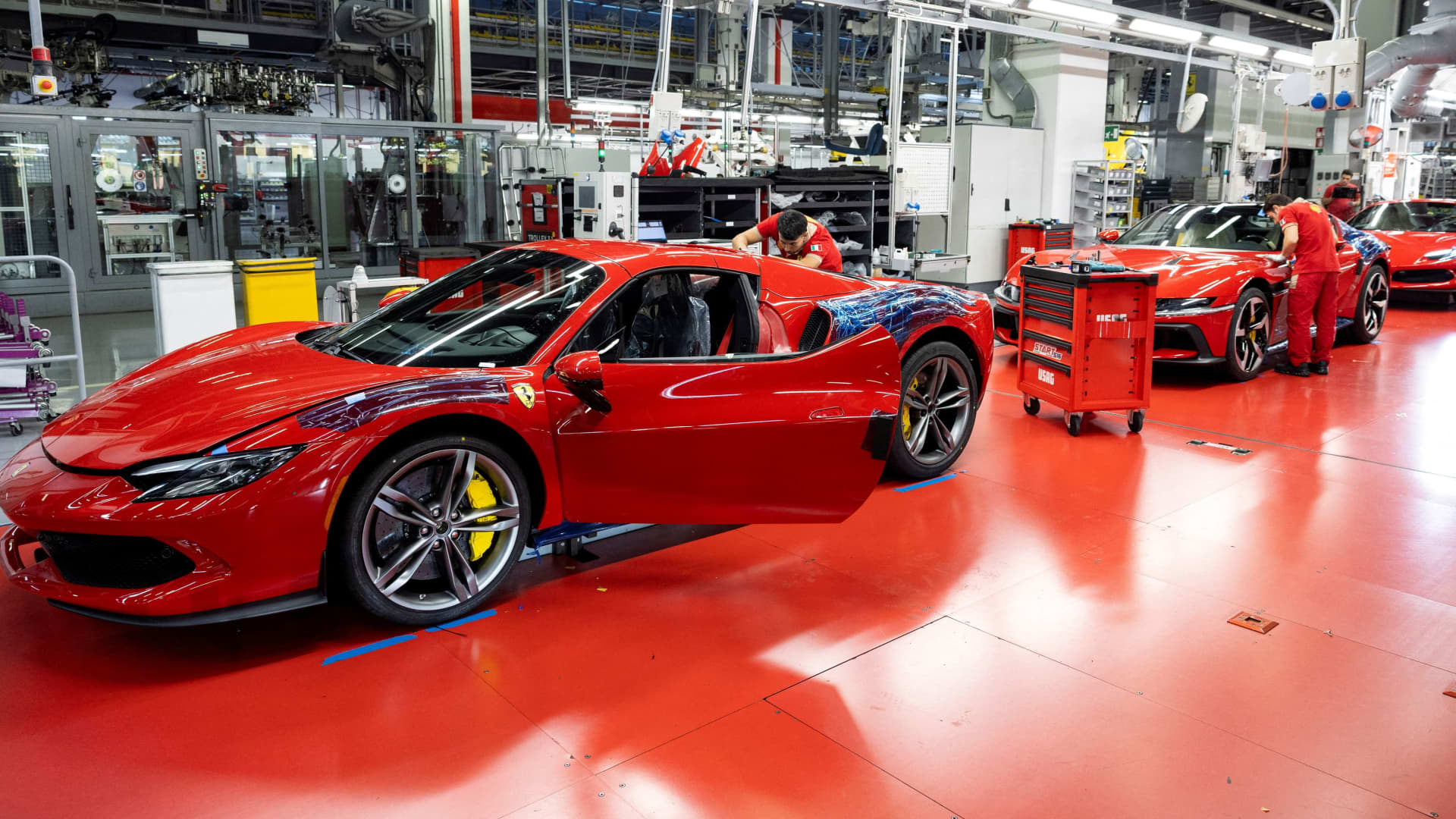
Ferrari Beats Q1 Earnings Expectations Ahead of EV Launch
- Earnings Beat: Ferrari reported Q1 earnings per share of €2.33, surpassing the expected €2.27, indicating strong performance in the luxury market and reinforcing brand value.
- Revenue Growth: The company achieved €1.85 billion in revenue for Q1, up over 3% from €1.79 billion in the same period last year, reflecting sustained demand and sales capability in the high-end automotive sector.
- Future Guidance: Ferrari projects net revenues of €7.5 billion and adjusted operating profit of at least €2.22 billion for 2026, demonstrating confidence in future growth, particularly with its electric vehicle strategy.
- Delivery Insights: Although deliveries fell 4.4% year-over-year to 3,436 units, Ferrari attributed this to planned model changes and noted that the situation was not impacted by Middle Eastern conflicts, showcasing its geographical allocation flexibility.

Ferrari Beats Q1 Earnings Expectations Ahead of Electric Vehicle Launch
- Earnings Beat: Ferrari reported an adjusted EPS of €2.33, surpassing the expected €2.27, with revenues of €1.85 billion exceeding estimates of €1.81 billion, indicating strong performance in the luxury market.
- Guidance Reaffirmed: The company reaffirmed its 2026 targets of €7.5 billion in net revenues and at least €2.22 billion in adjusted operating profit, reflecting confidence in future growth, particularly in the electric vehicle sector.
- Delivery Decline: Despite a 4.4% year-over-year drop in deliveries to 3,436 units, Ferrari stated this was a strategic decision to ease the execution of planned model changes, showcasing flexibility in production management.
- Upcoming EV Launch: With the debut of the Luce, Ferrari's first fully electric vehicle, set for May 25, the CEO emphasized the blend of tradition and innovation in this model, signaling a strategic shift towards electric vehicles that enhances brand competitiveness.
Ferrari Beats Q1 Earnings Estimates Amid Iran Conflict
- Earnings Beat: Despite the threat posed by the Iran conflict, Ferrari delivered 3,436 vehicles in Q1, down 157 from last year, yet achieved a 3% revenue increase to €1.85 billion, surpassing analysts' expectations of €1.83 billion.
- Full-Year Guidance: Ferrari confirmed its full-year adjusted EPS guidance of €9.45 on net revenue of €7.5 billion, indicating that its strategy to pull forward deliveries has effectively mitigated impacts from the Middle East, bolstering investor confidence.
- EV Launch Risk: The upcoming launch of Ferrari's first all-electric vehicle, the Luce, priced at approximately €550,000, poses a risk as demand for high-end electric vehicles remains uncertain, testing Ferrari's brand power and pricing strategy.
- Strong Order Book: Despite uncertainties surrounding the Luce premiere, Ferrari's order book extends into the end of 2027, reflecting sustained demand in the luxury market and strong financial performance.
China Amasses World's Largest Crude Oil Stockpile
- Oil Reserve Scale: China added an average of 1.1 million barrels per day to its strategic reserves in 2025, bringing its total to approximately 360 million barrels by December 2025, closely approaching the U.S. reserves of nearly 414 million barrels, highlighting China's significant role in the global energy market.
- Impact on U.S. Relations: The increase in Chinese imports of Iranian crude could prompt the U.S. to impose a second round of sanctions on Sino-Iranian trade, escalating tensions between the two nations and potentially affecting the agenda of the upcoming high-level meeting.
- Market Dynamics Shift: According to Kpler, the completion of Middle Eastern cargo discharges has led to a rapid inventory drawdown, which may slow refining rates and further impact global oil price volatility, indicating a shift in market dynamics.
- Strategic Reserve Role: China's strategic petroleum reserves serve as a hedge against supply constraints and price volatility, particularly amid escalating tensions with the U.S. and sanctions, underscoring its strategic significance in global energy security.
Anthropic Partners with SpaceX for AI Computing Capacity
- Data Center Partnership: Anthropic has partnered with SpaceX to utilize the newly built Colossus 2 data center, which boasts 220,000 GPUs and consumes 300 megawatts of power, significantly enhancing Anthropic's computing capacity to meet urgent AI training needs.
- Cash Inflow: This collaboration is expected to generate several billion dollars in cash flow for SpaceX, aiding its business development while providing Anthropic with much-needed computing resources to address competitive pressures in the market.
- Market Competition: In the AI sector, companies like OpenAI, Microsoft, Google, and Amazon are vying for computing power; this move not only alleviates Anthropic's resource constraints but also potentially strengthens its competitive position within the industry.
- Rapid Deployment: Elon Musk noted that SpaceX quickly completed the construction of Colossus 2, and although the demand for XAI has decreased, this move demonstrates SpaceX's flexibility and adaptability in the AI infrastructure market.
Ferrari Q1 2026 Earnings Call Highlights
- Strong Financial Performance: Ferrari reported Q1 revenues nearing EUR 1.85 billion, reflecting a 6% year-over-year growth at constant currency and a 3% increase including currency headwinds, demonstrating resilience and profitability amid uncertainty.
- Growing Order Book: CEO Vigna noted that the order book has further extended towards the end of 2027, with over 500 test drives conducted in the past two months, indicating sustained market demand despite conflicts in the Middle East.
- Upcoming Product Launch: The world premiere of the electric Ferrari Luce is set for May 25 in Rome, with over 60 patents registered, expected to serve as a significant sales catalyst and further solidify the brand's position in the luxury market.
- Adjusted Profitability Outlook: CFO Picca Piccon highlighted that profitability for 2026 will be more evenly spread between H1 and H2, reflecting the company's flexible response to product mix and market demand, ensuring ongoing financial health.
Ferrari Beats Q1 Earnings Expectations Ahead of EV Launch
- Earnings Beat: Ferrari reported Q1 earnings per share of €2.33, surpassing the expected €2.27, indicating strong performance in the luxury market and reinforcing brand value.
- Revenue Growth: The company achieved €1.85 billion in revenue for Q1, up over 3% from €1.79 billion in the same period last year, reflecting sustained demand and sales capability in the high-end automotive sector.
- Future Guidance: Ferrari projects net revenues of €7.5 billion and adjusted operating profit of at least €2.22 billion for 2026, demonstrating confidence in future growth, particularly with its electric vehicle strategy.
- Delivery Insights: Although deliveries fell 4.4% year-over-year to 3,436 units, Ferrari attributed this to planned model changes and noted that the situation was not impacted by Middle Eastern conflicts, showcasing its geographical allocation flexibility.
Ferrari Beats Q1 Earnings Expectations Ahead of Electric Vehicle Launch
- Earnings Beat: Ferrari reported an adjusted EPS of €2.33, surpassing the expected €2.27, with revenues of €1.85 billion exceeding estimates of €1.81 billion, indicating strong performance in the luxury market.
- Guidance Reaffirmed: The company reaffirmed its 2026 targets of €7.5 billion in net revenues and at least €2.22 billion in adjusted operating profit, reflecting confidence in future growth, particularly in the electric vehicle sector.
- Delivery Decline: Despite a 4.4% year-over-year drop in deliveries to 3,436 units, Ferrari stated this was a strategic decision to ease the execution of planned model changes, showcasing flexibility in production management.
- Upcoming EV Launch: With the debut of the Luce, Ferrari's first fully electric vehicle, set for May 25, the CEO emphasized the blend of tradition and innovation in this model, signaling a strategic shift towards electric vehicles that enhances brand competitiveness.