Eli Lilly's $3.5 Billion Investment in Manufacturing Facility

Eli Lilly's stock fell 3.83% as it hit a 20-day low amid broader market declines, with the Nasdaq-100 down 1.58% and the S&P 500 down 0.89%.
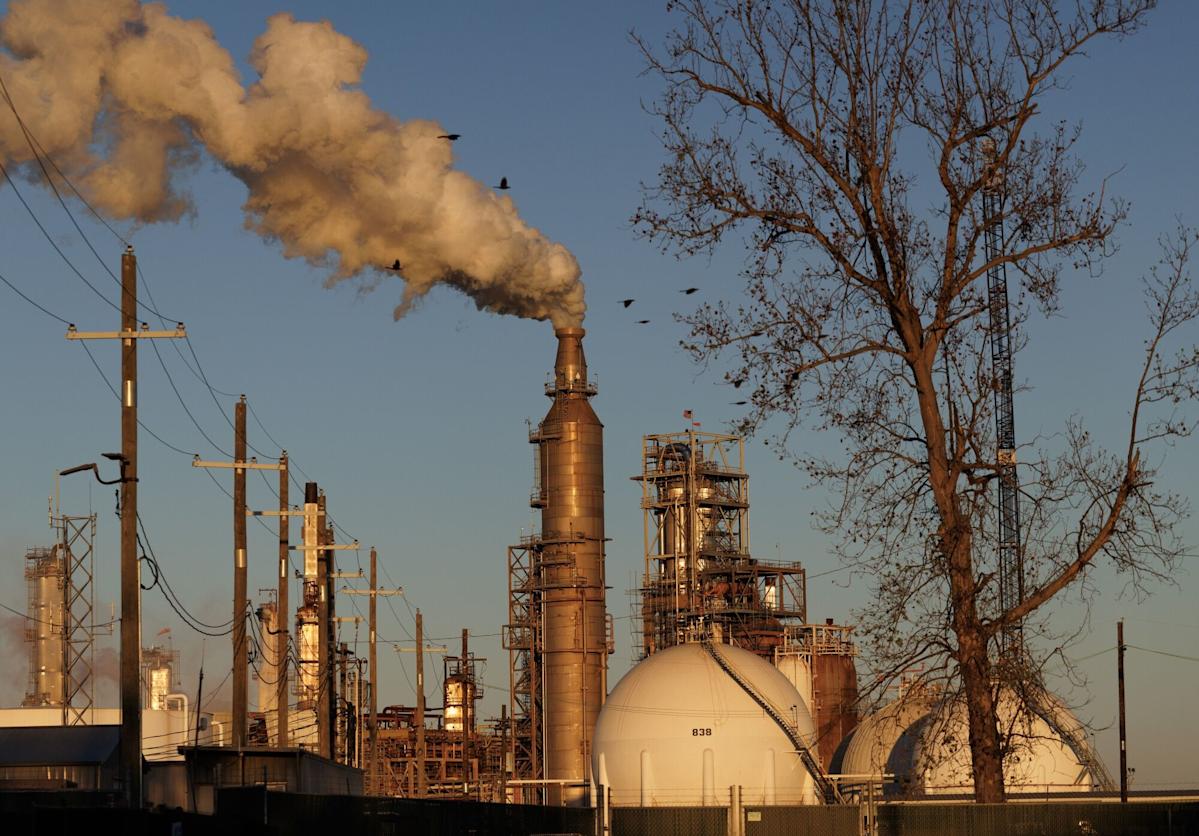
The company announced a significant $3.5 billion investment in a new manufacturing facility in Lehigh Valley, Pennsylvania, aimed at developing next-generation weight-loss medications, including the experimental drug retatrutide. This investment is expected to enhance Lilly's competitive edge in the weight-loss drug market and create over 2,800 jobs, positively impacting the local economy.
This strategic move not only positions Eli Lilly to meet increasing market demand for obesity treatments but also reflects its commitment to innovation and job creation, which could bolster its long-term growth prospects.
Trade with 70% Backtested Accuracy
Analyst Views on LLY

About LLY
About the author


Eli Lilly's GLP-1 Drug Sales Surge Remarkably
- Significant Sales Growth: Eli Lilly's Mounjaro and Zepbound GLP-1 drugs saw sales increases of 99% and 175% in 2025, respectively, showcasing the company's strong performance in the rapidly growing weight-loss drug market and further solidifying its market leadership.
- Outstanding Stock Performance: Over the past decade, Eli Lilly's stock has surged more than 1,100%, significantly outperforming the S&P 500's 230% increase, reflecting strong investor confidence in its future growth, although its current P/E ratio of 39x remains above the industry average.
- Intensifying Competitive Risks: Despite Eli Lilly's leading position in the GLP-1 space, competitors like Novo Nordisk and Pfizer are actively launching new products, which could erode Eli Lilly's market share, especially as patents expire and generics emerge, potentially impacting revenues significantly.
- Strategic Acquisition Moves: To address future competition and risks, Eli Lilly is leveraging the windfall from its GLP-1 success to pursue strategic acquisitions, which may help diversify its product pipeline, but the uncertainty surrounding the success of these new drugs could affect the company's long-term growth potential.

Alphabet and Eli Lilly: Investment Opportunities for the Next Decade


- Diversified Growth for Google: Google enhances its search capabilities through AI, driving ad sales, and is expected to continue growth in cloud computing and streaming over the next decade, solidifying its market leadership.
- Self-Driving Business Potential: Google's Waymo operates in several U.S. cities with level 4 autonomy, and as self-driving cars gain traction over the next decade, it could significantly boost the company's revenue.
- Eli Lilly's Dominance in Weight Loss: Eli Lilly has made significant breakthroughs in the weight loss market and may accelerate drug development through AI drug discovery, potentially adding billions in revenue if successful.
- Transforming Drug Development Cycles: By shortening drug development times with AI, Eli Lilly could alter the typical pharmaceutical cycle, enhancing its competitiveness and long-term prospects in the market.

Alphabet and Eli Lilly Show Bright Prospects Ahead
- Significant Investment Returns: An investment of $50,000 in either Alphabet or Eli Lilly since 2006 has grown to over $1 million, demonstrating their exceptional performance over the past two decades, with potential to continue outperforming the market in the future.
- AI-Driven Growth: Alphabet enhances its search capabilities through artificial intelligence, boosting user engagement and ad sales, and is expected to benefit from diversified businesses like cloud computing and YouTube over the next decade, solidifying its market leadership.
- Self-Driving Advantages: Alphabet's Waymo operates level 4 autonomous vehicles in several U.S. cities, and with partnerships like Uber and an established network, it is poised to capture significant market share in the self-driving car sector over the next ten years.
- Innovations in Drug Development: Eli Lilly's breakthroughs in the weight loss market and investments in AI drug discovery could significantly shorten drug development cycles, potentially generating billions in additional revenue and altering traditional pharmaceutical cycles.

Eli Lilly's GLP-1 Drug Sales Surge

- Significant Sales Growth: Eli Lilly's Mounjaro and Zepbound GLP-1 drugs saw sales increases of 99% and 175% in 2025, respectively, indicating the company's leading position in the rapidly growing weight-loss market, which has driven its stock price up over 1,100% in the past decade.
- Valuation Risks: Despite Eli Lilly's P/E ratio of 39x, significantly above the industry average of 23x and close to its five-year average of 56x, a recent sell-off has made it relatively cheaper; however, the high absolute valuation may still deter potential investors.
- Patent Expiration Risks: With limited patent protection for Mounjaro and Zepbound, the emergence of generics could drastically reduce Eli Lilly's revenues from these GLP-1 drugs, posing a significant threat to its current dominance in the weight-loss category.
- Intensifying Competition: Eli Lilly faces fierce competition in the GLP-1 space from companies like Novo Nordisk and Pfizer, which are also developing similar drugs, potentially impacting Eli Lilly's market share and necessitating close monitoring of its ability to maintain its competitive edge.

Eli Lilly's GLP-1 Drug Sales Surge Amid Competition
- Significant Sales Growth: Eli Lilly's GLP-1 drugs, Mounjaro and Zepbound, experienced sales increases of 99% and 175% respectively in 2025, indicating the company's strong position in the rapidly growing weight-loss market, despite fierce competition.
- Outstanding Stock Performance: Over the past decade, Eli Lilly's stock has surged more than 1,100%, significantly outperforming the S&P 500's 230% increase, reflecting strong investor confidence in its future growth, yet potential risks must be acknowledged.
- Intensifying Competition Risks: With competitors like Novo Nordisk and Pfizer launching new drugs, Eli Lilly's dominance in the GLP-1 market may be threatened, particularly as patents expire and generics could significantly reduce its revenues.
- Acquisition Strategy Adjustment: Eli Lilly is leveraging the profits from its GLP-1 success to acquire companies in other areas, which may present new growth opportunities, but there is also the risk that the new drugs may not meet expectations, necessitating careful evaluation by investors.

Investment Opportunities in GLP-1 Drugs in Healthcare
- Eli Lilly's Market Performance: Eli Lilly reported a 45% sales increase in 2025, exceeding $65 billion, with net income nearing $21 billion, demonstrating its strong profitability in the GLP-1 drug market and solidifying its leadership in the healthcare sector.
- New Drug Approval Boosts Growth: The recent FDA approval of Eli Lilly's weight-loss drug Foundayo is expected to generate significant revenue, further enhancing its competitive edge in the rapidly growing healthcare market.
- Viking Therapeutics' Potential: Viking Therapeutics, with a market cap of only $4 billion, presents higher risk but shows promise with its GLP-1 drug VK2735 performing well in clinical trials; approval could attract large healthcare companies for acquisition, significantly increasing its market value.
- Balancing Risk and Reward: While Eli Lilly's stock is relatively safe, its price-to-earnings ratio exceeds 40, potentially limiting upside; in contrast, Viking Therapeutics could trigger a bidding war post-approval of VK2735, offering higher return potential.
Eli Lilly's GLP-1 Drug Sales Surge Remarkably
- Significant Sales Growth: Eli Lilly's Mounjaro and Zepbound GLP-1 drugs saw sales increases of 99% and 175% in 2025, respectively, showcasing the company's strong performance in the rapidly growing weight-loss drug market and further solidifying its market leadership.
- Outstanding Stock Performance: Over the past decade, Eli Lilly's stock has surged more than 1,100%, significantly outperforming the S&P 500's 230% increase, reflecting strong investor confidence in its future growth, although its current P/E ratio of 39x remains above the industry average.
- Intensifying Competitive Risks: Despite Eli Lilly's leading position in the GLP-1 space, competitors like Novo Nordisk and Pfizer are actively launching new products, which could erode Eli Lilly's market share, especially as patents expire and generics emerge, potentially impacting revenues significantly.
- Strategic Acquisition Moves: To address future competition and risks, Eli Lilly is leveraging the windfall from its GLP-1 success to pursue strategic acquisitions, which may help diversify its product pipeline, but the uncertainty surrounding the success of these new drugs could affect the company's long-term growth potential.
Alphabet and Eli Lilly: Investment Opportunities for the Next Decade
- Diversified Growth for Google: Google enhances its search capabilities through AI, driving ad sales, and is expected to continue growth in cloud computing and streaming over the next decade, solidifying its market leadership.
- Self-Driving Business Potential: Google's Waymo operates in several U.S. cities with level 4 autonomy, and as self-driving cars gain traction over the next decade, it could significantly boost the company's revenue.
- Eli Lilly's Dominance in Weight Loss: Eli Lilly has made significant breakthroughs in the weight loss market and may accelerate drug development through AI drug discovery, potentially adding billions in revenue if successful.
- Transforming Drug Development Cycles: By shortening drug development times with AI, Eli Lilly could alter the typical pharmaceutical cycle, enhancing its competitiveness and long-term prospects in the market.
Alphabet and Eli Lilly Show Bright Prospects Ahead
- Significant Investment Returns: An investment of $50,000 in either Alphabet or Eli Lilly since 2006 has grown to over $1 million, demonstrating their exceptional performance over the past two decades, with potential to continue outperforming the market in the future.
- AI-Driven Growth: Alphabet enhances its search capabilities through artificial intelligence, boosting user engagement and ad sales, and is expected to benefit from diversified businesses like cloud computing and YouTube over the next decade, solidifying its market leadership.
- Self-Driving Advantages: Alphabet's Waymo operates level 4 autonomous vehicles in several U.S. cities, and with partnerships like Uber and an established network, it is poised to capture significant market share in the self-driving car sector over the next ten years.
- Innovations in Drug Development: Eli Lilly's breakthroughs in the weight loss market and investments in AI drug discovery could significantly shorten drug development cycles, potentially generating billions in additional revenue and altering traditional pharmaceutical cycles.
Eli Lilly's GLP-1 Drug Sales Surge
- Significant Sales Growth: Eli Lilly's Mounjaro and Zepbound GLP-1 drugs saw sales increases of 99% and 175% in 2025, respectively, indicating the company's leading position in the rapidly growing weight-loss market, which has driven its stock price up over 1,100% in the past decade.
- Valuation Risks: Despite Eli Lilly's P/E ratio of 39x, significantly above the industry average of 23x and close to its five-year average of 56x, a recent sell-off has made it relatively cheaper; however, the high absolute valuation may still deter potential investors.
- Patent Expiration Risks: With limited patent protection for Mounjaro and Zepbound, the emergence of generics could drastically reduce Eli Lilly's revenues from these GLP-1 drugs, posing a significant threat to its current dominance in the weight-loss category.
- Intensifying Competition: Eli Lilly faces fierce competition in the GLP-1 space from companies like Novo Nordisk and Pfizer, which are also developing similar drugs, potentially impacting Eli Lilly's market share and necessitating close monitoring of its ability to maintain its competitive edge.
Eli Lilly's GLP-1 Drug Sales Surge Amid Competition
- Significant Sales Growth: Eli Lilly's GLP-1 drugs, Mounjaro and Zepbound, experienced sales increases of 99% and 175% respectively in 2025, indicating the company's strong position in the rapidly growing weight-loss market, despite fierce competition.
- Outstanding Stock Performance: Over the past decade, Eli Lilly's stock has surged more than 1,100%, significantly outperforming the S&P 500's 230% increase, reflecting strong investor confidence in its future growth, yet potential risks must be acknowledged.
- Intensifying Competition Risks: With competitors like Novo Nordisk and Pfizer launching new drugs, Eli Lilly's dominance in the GLP-1 market may be threatened, particularly as patents expire and generics could significantly reduce its revenues.
- Acquisition Strategy Adjustment: Eli Lilly is leveraging the profits from its GLP-1 success to acquire companies in other areas, which may present new growth opportunities, but there is also the risk that the new drugs may not meet expectations, necessitating careful evaluation by investors.
Investment Opportunities in GLP-1 Drugs in Healthcare
- Eli Lilly's Market Performance: Eli Lilly reported a 45% sales increase in 2025, exceeding $65 billion, with net income nearing $21 billion, demonstrating its strong profitability in the GLP-1 drug market and solidifying its leadership in the healthcare sector.
- New Drug Approval Boosts Growth: The recent FDA approval of Eli Lilly's weight-loss drug Foundayo is expected to generate significant revenue, further enhancing its competitive edge in the rapidly growing healthcare market.
- Viking Therapeutics' Potential: Viking Therapeutics, with a market cap of only $4 billion, presents higher risk but shows promise with its GLP-1 drug VK2735 performing well in clinical trials; approval could attract large healthcare companies for acquisition, significantly increasing its market value.
- Balancing Risk and Reward: While Eli Lilly's stock is relatively safe, its price-to-earnings ratio exceeds 40, potentially limiting upside; in contrast, Viking Therapeutics could trigger a bidding war post-approval of VK2735, offering higher return potential.