

D.R. Horton to Announce Q3 2026 Financial Results
Written by Emily J. Thompson, Senior Investment Analyst
Updated: Apr 24 2026
0mins
Source: PRnewswire
D.R. Horton Inc's stock rose by 5.00% as it crossed above its 5-day SMA, reflecting positive investor sentiment.
The company is set to release its financial results for Q3 2026 on July 21, which is expected to provide crucial insights into its performance metrics and market trends. This announcement comes amid a backdrop of strong demand in the housing market, as indicated by a 21% year-over-year increase in mortgage applications, positioning D.R. Horton favorably against competitors like Lennar.
The upcoming earnings report is anticipated to highlight D.R. Horton's robust homebuilding operations, which closed over 83,000 homes in the past year, suggesting continued strength in the housing sector despite broader market fluctuations.
Trade with 70% Backtested Accuracy
Stop guessing "Should I Buy DHI?" and start using high-conviction signals backed by rigorous historical data.
Sign up today to access powerful investing tools and make smarter, data-driven decisions.
Analyst Views on DHI
Wall Street analysts forecast DHI stock price to rise
13 Analyst Rating
4 Buy
7 Hold
2 Sell
Hold
Current: 148.510

Low
117.00
Averages
160.58
High
195.00
Current: 148.510
Low
117.00
Averages
160.58
High
195.00
About DHI
D.R. Horton, Inc. is a homebuilding company. The Company is primarily engaged in the acquisition and development of land and the construction and sale of residential homes, with operations in over 126 markets across 36 states. The Company’s segments include Homebuilding, Rental, Forestar, Financial Services, and Other. The Homebuilding division is primarily engaged in the acquisition and development of land and the construction and sale of residential homes. The Company’s rental segment consists of single-family and multifamily rental operations. The single-family rental operations construct and lease single-family homes within a community and then generally market each community for a bulk sale of rental homes. The Forestar segment is a residential lot development company with operations in 64 markets across 23 states. The Financial services segment provides mortgage financing and title agency services to homebuyers in many of the Company’s homebuilding markets.
About the author

Emily J. Thompson
Emily J. Thompson, a Chartered Financial Analyst (CFA) with 12 years in investment research, graduated with honors from the Wharton School. Specializing in industrial and technology stocks, she provides in-depth analysis for Intellectia’s earnings and market brief reports.

Mixed Close for US Stocks: Nasdaq Recovers Slightly


- Market Volatility: On Wednesday, the S&P 500 Index fell by 0.28%, the Dow Jones Industrial Average dropped by 1.09%, while the Nasdaq 100 Index rose by 0.27%, indicating mixed market performance under pressure from rising oil prices and bond yields.
- Surge in Oil Prices: Following President Trump's declaration that the ceasefire with Iran is over, WTI crude oil prices surged over 4% to a two-week high, boosting inflation expectations and pushing the 10-year Treasury yield to a 1.5-month high of 4.59%.
- Economic Data: US MBA mortgage applications fell by 2.2% for the week ending July 3, with the purchase mortgage sub-index down 0.6% and the refinancing sub-index down 4.1%, reflecting the negative impact of high rates on housing demand.
- Earnings Outlook: Bloomberg Intelligence forecasts a 23% increase in corporate earnings for Q2, close to Q1's 30% growth, with AI infrastructure stocks expected to contribute nearly 60% of S&P 500 earnings growth, highlighting strong potential in technology investments.
See More

DHI Stock Price Fluctuation Analysis

- Price Range Analysis: DHI's 52-week low is $129.11 and high is $184.54, with the last trade at $148.42, indicating stock price fluctuations within this range and reflecting market caution regarding its future performance.
- Technical Indicator Observation: DHI's current stock price is below its 200-day moving average, which may suggest short-term downward pressure, prompting investors to monitor subsequent market dynamics to assess risk.
- Market Sentiment Assessment: Although the current stock price is positioned in the middle of the 52-week range, market perceptions of DHI may be influenced by the overall economic environment and industry trends, necessitating close attention to related news.
- Investor Focus: Investors should pay attention to DHI's stock price movements and their relationship with technical indicators to make more informed investment decisions, especially in the context of increasing market volatility.
See More

US Stocks Decline as Oil Prices Surge
- Market Decline: The S&P 500 index fell by 0.79%, the Dow Jones Industrial Average dropped by 1.44%, and the Nasdaq 100 index decreased by 0.61%, reflecting heightened investor caution following President Trump's declaration that the ceasefire with Iran is over, prompting a flight to safety.
- Surge in Oil Prices: WTI crude oil prices surged over 7% to a two-week high as the US launched strikes against Iran, raising concerns about potential disruptions to energy supplies and pushing inflation expectations higher, which in turn lifted the 10-year Treasury note yield to a 1.5-month high of 4.59%.
- Mortgage Applications Decline: US MBA mortgage applications fell by 2.2% in the week ending July 3, with the purchase mortgage sub-index down 0.6% and the refinancing sub-index down 4.1%, indicating that high interest rates are negatively impacting housing demand and could further suppress the recovery in the real estate market.
- Optimistic Earnings Outlook: Bloomberg Intelligence forecasts a 23% increase in corporate earnings for Q2, close to the 30% growth seen in Q1, indicating that AI infrastructure stocks are expected to contribute nearly 60% of the S&P 500's earnings-per-share growth, suggesting a positive long-term outlook despite short-term market volatility.
See More
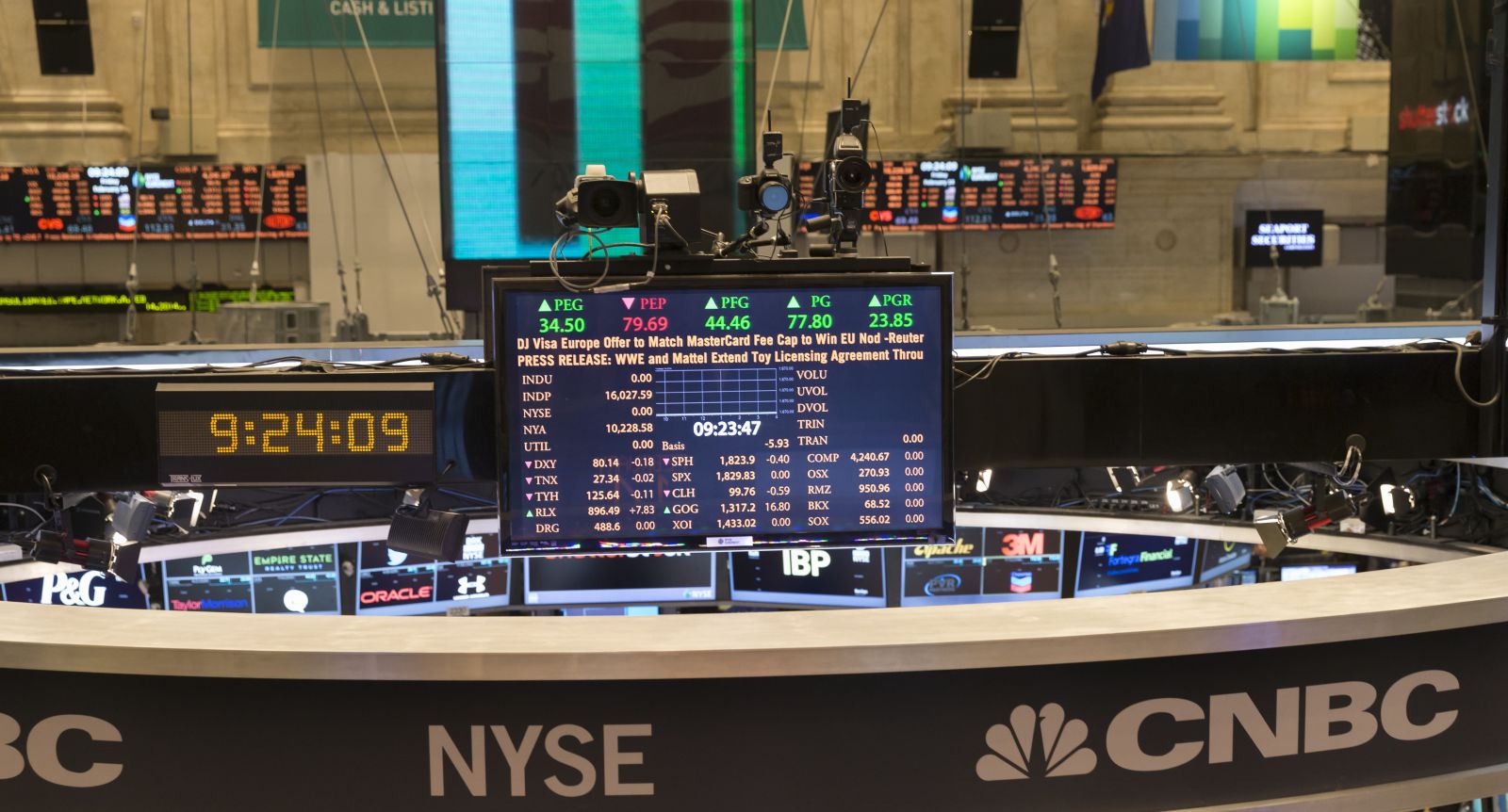
U.S. Stocks Decline as Oil Prices Surge
- Market Decline: The S&P 500 index fell by 0.49%, the Dow Jones Industrial Average dropped by 0.96%, and the Nasdaq 100 index decreased by 0.19%, reflecting investor concerns over escalating tensions in the Middle East, prompting a flight to safety.
- Oil Price Surge: WTI crude oil prices surged over 4% to a two-week high following U.S. military strikes against Iran, raising fears of potential disruptions in energy supplies and further boosting inflation expectations.
- Mortgage Applications Drop: U.S. MBA mortgage applications fell by 2.2% in the week ending July 3, with the purchase mortgage sub-index down 0.6% and refinancing down 4.1%, indicating the negative impact of high interest rates on housing demand.
- Optimistic Earnings Outlook: Bloomberg Intelligence forecasts a 23% increase in corporate earnings for Q2, close to the 30% growth seen in Q1, indicating that AI infrastructure stocks will drive S&P 500 earnings-per-share growth, reflecting market confidence in tech stocks.
See More

Market Dynamics and Company News Overview
- Mixed Market Performance: Dow futures are up 130 points while Nasdaq is set for a sharp decline due to chip stock sell-offs, and S&P futures are modestly lower, indicating a complex market sentiment that could impact investor confidence.
- SpaceX Joins Nasdaq 100: SpaceX officially enters the Nasdaq 100 index, expected to attract billions in passive flows, with at least 18 buy ratings from analysts, reflecting strong market confidence in its future growth potential following its IPO.
- Samsung Stock Pullback: Samsung Electronics shares fell 7% in South Korea despite a staggering 1,800% increase in second-quarter operating profit and doubled sales, indicating potential profit-taking by investors concerned about the sustainability of its AI spending boom.
- Walmart's Price Reduction Strategy: Walmart has lowered prices on beef and other summer grilling essentials, which, combined with falling gas prices, helps alleviate inflationary pressures; despite an 18% drop in shares since mid-May, this move is seen as an investment opportunity that could attract more consumers.
See More
DHI Options Trading Analysis and Yield Potential
- Put Option Appeal: The current bid for the $155.00 put option is $5.30, and if an investor sells this option, they commit to buying the stock at $155.00, effectively lowering their cost basis to $149.70, making it an attractive alternative compared to the current price of $156.54.
- Yield Potential Analysis: Should the put option expire worthless, it would yield a 3.42% cash return, annualized at 29.02%, highlighting the strategy's potential profitability, particularly in a volatile market environment.
- Call Option Returns: The $160.00 call option has a current bid of $5.40, and if an investor buys DHI shares at the current price and sells this call, they could achieve a total return of 5.66% if the stock is called away, enhancing the investment's appeal.
- Risk-Reward Consideration: The $160.00 strike represents about a 2% premium, with a 52% chance of the call option expiring worthless, allowing investors to retain both their shares and the premium collected, thus improving the safety and profitability of the investment.
See More
Mixed Close for US Stocks: Nasdaq Recovers Slightly
- Market Volatility: On Wednesday, the S&P 500 Index fell by 0.28%, the Dow Jones Industrial Average dropped by 1.09%, while the Nasdaq 100 Index rose by 0.27%, indicating mixed market performance under pressure from rising oil prices and bond yields.
- Surge in Oil Prices: Following President Trump's declaration that the ceasefire with Iran is over, WTI crude oil prices surged over 4% to a two-week high, boosting inflation expectations and pushing the 10-year Treasury yield to a 1.5-month high of 4.59%.
- Economic Data: US MBA mortgage applications fell by 2.2% for the week ending July 3, with the purchase mortgage sub-index down 0.6% and the refinancing sub-index down 4.1%, reflecting the negative impact of high rates on housing demand.
- Earnings Outlook: Bloomberg Intelligence forecasts a 23% increase in corporate earnings for Q2, close to Q1's 30% growth, with AI infrastructure stocks expected to contribute nearly 60% of S&P 500 earnings growth, highlighting strong potential in technology investments.
See More
DHI Stock Price Fluctuation Analysis
- Price Range Analysis: DHI's 52-week low is $129.11 and high is $184.54, with the last trade at $148.42, indicating stock price fluctuations within this range and reflecting market caution regarding its future performance.
- Technical Indicator Observation: DHI's current stock price is below its 200-day moving average, which may suggest short-term downward pressure, prompting investors to monitor subsequent market dynamics to assess risk.
- Market Sentiment Assessment: Although the current stock price is positioned in the middle of the 52-week range, market perceptions of DHI may be influenced by the overall economic environment and industry trends, necessitating close attention to related news.
- Investor Focus: Investors should pay attention to DHI's stock price movements and their relationship with technical indicators to make more informed investment decisions, especially in the context of increasing market volatility.
See More
US Stocks Decline as Oil Prices Surge
- Market Decline: The S&P 500 index fell by 0.79%, the Dow Jones Industrial Average dropped by 1.44%, and the Nasdaq 100 index decreased by 0.61%, reflecting heightened investor caution following President Trump's declaration that the ceasefire with Iran is over, prompting a flight to safety.
- Surge in Oil Prices: WTI crude oil prices surged over 7% to a two-week high as the US launched strikes against Iran, raising concerns about potential disruptions to energy supplies and pushing inflation expectations higher, which in turn lifted the 10-year Treasury note yield to a 1.5-month high of 4.59%.
- Mortgage Applications Decline: US MBA mortgage applications fell by 2.2% in the week ending July 3, with the purchase mortgage sub-index down 0.6% and the refinancing sub-index down 4.1%, indicating that high interest rates are negatively impacting housing demand and could further suppress the recovery in the real estate market.
- Optimistic Earnings Outlook: Bloomberg Intelligence forecasts a 23% increase in corporate earnings for Q2, close to the 30% growth seen in Q1, indicating that AI infrastructure stocks are expected to contribute nearly 60% of the S&P 500's earnings-per-share growth, suggesting a positive long-term outlook despite short-term market volatility.
See More
U.S. Stocks Decline as Oil Prices Surge
- Market Decline: The S&P 500 index fell by 0.49%, the Dow Jones Industrial Average dropped by 0.96%, and the Nasdaq 100 index decreased by 0.19%, reflecting investor concerns over escalating tensions in the Middle East, prompting a flight to safety.
- Oil Price Surge: WTI crude oil prices surged over 4% to a two-week high following U.S. military strikes against Iran, raising fears of potential disruptions in energy supplies and further boosting inflation expectations.
- Mortgage Applications Drop: U.S. MBA mortgage applications fell by 2.2% in the week ending July 3, with the purchase mortgage sub-index down 0.6% and refinancing down 4.1%, indicating the negative impact of high interest rates on housing demand.
- Optimistic Earnings Outlook: Bloomberg Intelligence forecasts a 23% increase in corporate earnings for Q2, close to the 30% growth seen in Q1, indicating that AI infrastructure stocks will drive S&P 500 earnings-per-share growth, reflecting market confidence in tech stocks.
See More
Market Dynamics and Company News Overview
- Mixed Market Performance: Dow futures are up 130 points while Nasdaq is set for a sharp decline due to chip stock sell-offs, and S&P futures are modestly lower, indicating a complex market sentiment that could impact investor confidence.
- SpaceX Joins Nasdaq 100: SpaceX officially enters the Nasdaq 100 index, expected to attract billions in passive flows, with at least 18 buy ratings from analysts, reflecting strong market confidence in its future growth potential following its IPO.
- Samsung Stock Pullback: Samsung Electronics shares fell 7% in South Korea despite a staggering 1,800% increase in second-quarter operating profit and doubled sales, indicating potential profit-taking by investors concerned about the sustainability of its AI spending boom.
- Walmart's Price Reduction Strategy: Walmart has lowered prices on beef and other summer grilling essentials, which, combined with falling gas prices, helps alleviate inflationary pressures; despite an 18% drop in shares since mid-May, this move is seen as an investment opportunity that could attract more consumers.
See More
DHI Options Trading Analysis and Yield Potential
- Put Option Appeal: The current bid for the $155.00 put option is $5.30, and if an investor sells this option, they commit to buying the stock at $155.00, effectively lowering their cost basis to $149.70, making it an attractive alternative compared to the current price of $156.54.
- Yield Potential Analysis: Should the put option expire worthless, it would yield a 3.42% cash return, annualized at 29.02%, highlighting the strategy's potential profitability, particularly in a volatile market environment.
- Call Option Returns: The $160.00 call option has a current bid of $5.40, and if an investor buys DHI shares at the current price and sells this call, they could achieve a total return of 5.66% if the stock is called away, enhancing the investment's appeal.
- Risk-Reward Consideration: The $160.00 strike represents about a 2% premium, with a 52% chance of the call option expiring worthless, allowing investors to retain both their shares and the premium collected, thus improving the safety and profitability of the investment.
See More





