Datadog Partners with Sakana AI for Enterprise AI Innovation

Datadog Inc's stock rose by 5.47% as it crossed above the 5-day SMA, reflecting a positive response to recent developments.
The company announced a strategic partnership with Sakana AI aimed at enhancing AI innovation and observability, focusing on joint research and product innovation to help enterprises better understand and operate AI systems, particularly for large enterprise customers in Japan. This collaboration is expected to strengthen Datadog's market competitiveness and expand its reach globally over time. Additionally, Datadog is set to release its earnings report on May 5, 2026, with positive revenue expectations, further boosting investor confidence.
This partnership not only positions Datadog favorably in the growing AI sector but also highlights its commitment to innovation and customer support, which could lead to increased market share and revenue growth in the future.
Trade with 70% Backtested Accuracy
Analyst Views on DDOG

About DDOG
About the author


Benchmark Initiates Coverage on Datadog with Buy Rating
- Rating and Price Target: Benchmark has initiated coverage of Datadog (DDOG) with a Buy rating and a price target of $150, resulting in a 2% increase in the company's stock price on Wednesday, reflecting market confidence in its future growth.
- Technological Edge: Analyst Yi Fu Lee noted that Datadog's unified real-time observability and security SaaS/software infused with AI capabilities is well-positioned to benefit from digital transformation, cloud migration, and agentic AI adoption, with annual recurring revenue expected to exceed $3.6 billion.
- Innovation and Growth: Lee emphasized Datadog's historical performance in technology innovation, making it the consolidator of choice across the observability tech stack, while the continued presence of its founder-led team is seen as a key factor for the company's long-term success.
- Market Outlook: Analysts anticipate that Datadog's revenue target for 2026 will reach between $4.06 billion and $4.10 billion, driven by AI-driven expansion and strong customer growth, reflecting its robust market position in a rapidly evolving enterprise technology landscape.

Investment Opportunity Analysis for Nasdaq-100 Index


- Historical Return Potential: The Nasdaq-100 has achieved an average five-year return of 103% over the past two decades, with historical data suggesting that it could nearly double investors' money in the next five years, making it an attractive option for investors.
- AI-Driven Growth: The Invesco QQQ Trust is heavily invested in AI-related stocks, with top holdings including tech giants like Nvidia and Apple, which are expected to benefit from the rapid development of AI technologies, further enhancing market performance.
- Market Correction Timing: The Nasdaq Composite is currently in a market correction, down over 10% from its all-time high, and historical data indicates that such corrections have led to an average five-year return of 146%, presenting a favorable investment opportunity.
- Concentration Risk Warning: While the Invesco QQQ Trust has a reasonable expense ratio of 0.18%, its top ten holdings account for nearly 50% of its performance, prompting investors to carefully consider the concentration risk and potential price volatility.

Nasdaq-100 Expected to Perform Well in Future
- Historical Returns: The Nasdaq-100 has achieved a 103% average five-year total return over the past two decades, indicating that investors could potentially double their money in the next five years, thus drawing increased investor interest.
- Market Correction Opportunity: The Nasdaq Composite fell into correction territory last month, which historically has been viewed as a good time to invest; after 13 market corrections, the Nasdaq-100's five-year total returns averaged 146%, suggesting a favorable outlook.
- AI-Driven Growth: The Invesco QQQ Trust is heavily invested in AI-related stocks, with over 80% of its assets concentrated in technology and consumer discretionary sectors, which are expected to perform well due to the rise of artificial intelligence, enhancing its investment appeal.
- Reasonable Expense Ratio: The Invesco QQQ Trust has an expense ratio of 0.18%, meaning shareholders pay $18 annually for every $10,000 invested; despite concentration risks, the current buying opportunity remains attractive for long-term investors.

US Stock Market Declines Amid Rising Oil Prices


- Oil Price Surge Impacts Markets: The S&P 500 Index fell by 0.75%, the Dow Jones Industrial Average by 0.21%, and the Nasdaq 100 by 1.18% as the market reacts to the first oil settlement exceeding $100 since 2022, highlighting concerns over rising energy costs amid ongoing supply chain risks.
- Uncertain Fed Policy Outlook: Federal Reserve Chair Jerome Powell noted that while the central bank is monitoring the surge in energy prices, its tools to address supply-side shocks are limited, with markets pricing in only a 3% chance of a 25 bp rate hike at the April meeting, indicating investor uncertainty about future monetary policy.
- Escalating Middle East Tensions: US and Israeli forces continue military operations in Iran, with the Pentagon preparing for weeks of ground operations as approximately 3,500 sailors and Marines arrive in the region, potentially exacerbating global energy supply issues.
- Positive Bond Market Reaction: The 10-year Treasury yield fell to 4.330% as speculation grows that the ongoing conflict in the Middle East may lead to fuel shortages, offsetting inflation fears and supporting Treasury prices amid declining inflation expectations.
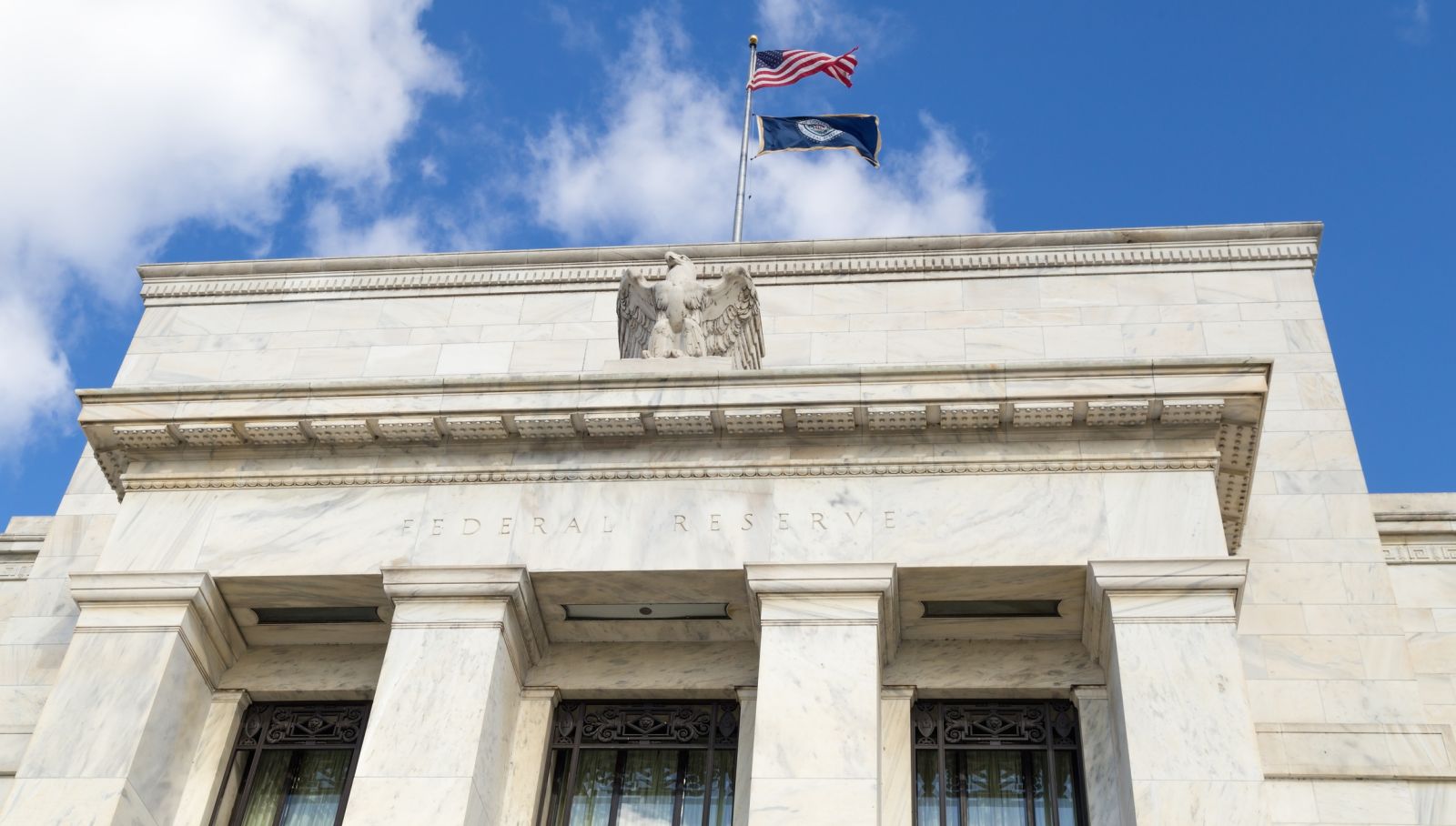
Mixed U.S. Stock Indices Amid Rising Oil Prices
- Mixed Stock Performance: The S&P 500 Index fell by 0.29%, while the Dow Jones Industrial Average rose by 0.26%, and the Nasdaq 100 Index decreased by 0.67%, indicating a complex market reaction to Federal Reserve policies and international tensions.
- Rising Oil Prices: Crude oil prices surged over 2% to a three-week high due to disruptions in oil and gas flows through the Strait of Hormuz caused by the Iran conflict, which could negatively impact global economic growth.
- Weak Manufacturing Activity: The Dallas Fed manufacturing activity index dropped from -0.4 to -0.2, falling short of the expected increase to 2.0, suggesting challenges in economic recovery that may influence future policy decisions.
- Escalating International Tensions: U.S. and Israeli military actions against Iran have intensified, with 3,500 sailors and Marines deployed to the Middle East, potentially leading to further volatility in energy markets and impacting global supply chains.

US Stocks Rise as Oil Prices Hit Three-Week High
- Market Gains: The S&P 500 Index rose by 0.58%, the Dow Jones Industrial Average increased by 0.91%, and the Nasdaq 100 Index climbed by 0.30%, reflecting a positive market sentiment amid expectations that the Fed may keep interest rates unchanged.
- Declining Bond Yields: The 10-year Treasury note yield fell by 10 basis points to 4.33%, driven by concerns that the ongoing war in the Middle East could lead to a fuel shortage, potentially hindering global economic growth and influencing the Fed's future rate decisions.
- Rising Oil Prices: Crude oil prices surged over 2% to a three-week high due to Iranian attacks on shipping, raising fears that the closure of the Strait of Hormuz could disrupt global oil and gas supplies, which may lead to significant price increases.
- Manufacturing Activity Decline: The Dallas Fed's manufacturing activity survey dropped by 0.4 to -0.2, falling short of the expected increase to 2.0, indicating signs of economic slowdown that could impact future investment decisions.
Benchmark Initiates Coverage on Datadog with Buy Rating
- Rating and Price Target: Benchmark has initiated coverage of Datadog (DDOG) with a Buy rating and a price target of $150, resulting in a 2% increase in the company's stock price on Wednesday, reflecting market confidence in its future growth.
- Technological Edge: Analyst Yi Fu Lee noted that Datadog's unified real-time observability and security SaaS/software infused with AI capabilities is well-positioned to benefit from digital transformation, cloud migration, and agentic AI adoption, with annual recurring revenue expected to exceed $3.6 billion.
- Innovation and Growth: Lee emphasized Datadog's historical performance in technology innovation, making it the consolidator of choice across the observability tech stack, while the continued presence of its founder-led team is seen as a key factor for the company's long-term success.
- Market Outlook: Analysts anticipate that Datadog's revenue target for 2026 will reach between $4.06 billion and $4.10 billion, driven by AI-driven expansion and strong customer growth, reflecting its robust market position in a rapidly evolving enterprise technology landscape.
Investment Opportunity Analysis for Nasdaq-100 Index
- Historical Return Potential: The Nasdaq-100 has achieved an average five-year return of 103% over the past two decades, with historical data suggesting that it could nearly double investors' money in the next five years, making it an attractive option for investors.
- AI-Driven Growth: The Invesco QQQ Trust is heavily invested in AI-related stocks, with top holdings including tech giants like Nvidia and Apple, which are expected to benefit from the rapid development of AI technologies, further enhancing market performance.
- Market Correction Timing: The Nasdaq Composite is currently in a market correction, down over 10% from its all-time high, and historical data indicates that such corrections have led to an average five-year return of 146%, presenting a favorable investment opportunity.
- Concentration Risk Warning: While the Invesco QQQ Trust has a reasonable expense ratio of 0.18%, its top ten holdings account for nearly 50% of its performance, prompting investors to carefully consider the concentration risk and potential price volatility.
Nasdaq-100 Expected to Perform Well in Future
- Historical Returns: The Nasdaq-100 has achieved a 103% average five-year total return over the past two decades, indicating that investors could potentially double their money in the next five years, thus drawing increased investor interest.
- Market Correction Opportunity: The Nasdaq Composite fell into correction territory last month, which historically has been viewed as a good time to invest; after 13 market corrections, the Nasdaq-100's five-year total returns averaged 146%, suggesting a favorable outlook.
- AI-Driven Growth: The Invesco QQQ Trust is heavily invested in AI-related stocks, with over 80% of its assets concentrated in technology and consumer discretionary sectors, which are expected to perform well due to the rise of artificial intelligence, enhancing its investment appeal.
- Reasonable Expense Ratio: The Invesco QQQ Trust has an expense ratio of 0.18%, meaning shareholders pay $18 annually for every $10,000 invested; despite concentration risks, the current buying opportunity remains attractive for long-term investors.
US Stock Market Declines Amid Rising Oil Prices
- Oil Price Surge Impacts Markets: The S&P 500 Index fell by 0.75%, the Dow Jones Industrial Average by 0.21%, and the Nasdaq 100 by 1.18% as the market reacts to the first oil settlement exceeding $100 since 2022, highlighting concerns over rising energy costs amid ongoing supply chain risks.
- Uncertain Fed Policy Outlook: Federal Reserve Chair Jerome Powell noted that while the central bank is monitoring the surge in energy prices, its tools to address supply-side shocks are limited, with markets pricing in only a 3% chance of a 25 bp rate hike at the April meeting, indicating investor uncertainty about future monetary policy.
- Escalating Middle East Tensions: US and Israeli forces continue military operations in Iran, with the Pentagon preparing for weeks of ground operations as approximately 3,500 sailors and Marines arrive in the region, potentially exacerbating global energy supply issues.
- Positive Bond Market Reaction: The 10-year Treasury yield fell to 4.330% as speculation grows that the ongoing conflict in the Middle East may lead to fuel shortages, offsetting inflation fears and supporting Treasury prices amid declining inflation expectations.
Mixed U.S. Stock Indices Amid Rising Oil Prices
- Mixed Stock Performance: The S&P 500 Index fell by 0.29%, while the Dow Jones Industrial Average rose by 0.26%, and the Nasdaq 100 Index decreased by 0.67%, indicating a complex market reaction to Federal Reserve policies and international tensions.
- Rising Oil Prices: Crude oil prices surged over 2% to a three-week high due to disruptions in oil and gas flows through the Strait of Hormuz caused by the Iran conflict, which could negatively impact global economic growth.
- Weak Manufacturing Activity: The Dallas Fed manufacturing activity index dropped from -0.4 to -0.2, falling short of the expected increase to 2.0, suggesting challenges in economic recovery that may influence future policy decisions.
- Escalating International Tensions: U.S. and Israeli military actions against Iran have intensified, with 3,500 sailors and Marines deployed to the Middle East, potentially leading to further volatility in energy markets and impacting global supply chains.
US Stocks Rise as Oil Prices Hit Three-Week High
- Market Gains: The S&P 500 Index rose by 0.58%, the Dow Jones Industrial Average increased by 0.91%, and the Nasdaq 100 Index climbed by 0.30%, reflecting a positive market sentiment amid expectations that the Fed may keep interest rates unchanged.
- Declining Bond Yields: The 10-year Treasury note yield fell by 10 basis points to 4.33%, driven by concerns that the ongoing war in the Middle East could lead to a fuel shortage, potentially hindering global economic growth and influencing the Fed's future rate decisions.
- Rising Oil Prices: Crude oil prices surged over 2% to a three-week high due to Iranian attacks on shipping, raising fears that the closure of the Strait of Hormuz could disrupt global oil and gas supplies, which may lead to significant price increases.
- Manufacturing Activity Decline: The Dallas Fed's manufacturing activity survey dropped by 0.4 to -0.2, falling short of the expected increase to 2.0, indicating signs of economic slowdown that could impact future investment decisions.