Costco's Stock Declines Amid Broader Market Weakness
Costco Wholesale Corp's stock price fell by 3.00%, hitting a 52-week low. This decline comes as the Nasdaq-100 is down 0.16% and the S&P 500 is down 0.09%, indicating a challenging market environment.
The drop in Costco's stock is attributed to broad market weakness, as the overall market sentiment remains cautious despite the company's recent report of an 8.2% increase in Q1 net sales to $65.98 billion. This strong sales growth reflects robust demand and improved consumer confidence, but the stock's performance is overshadowed by the negative market conditions.
Investors are closely monitoring Costco's performance, especially in light of its solid sales figures and net income increase. However, the current market dynamics suggest that external factors are influencing stock movements more than the company's positive fundamentals.
Trade with 70% Backtested Accuracy
Analyst Views on COST

About COST
About the author

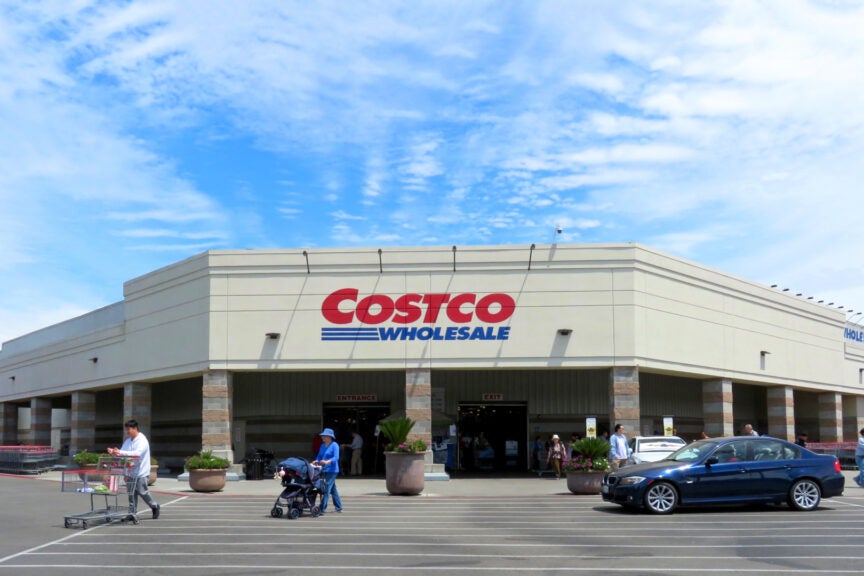
Costco Reports 10.6% Sales Growth in June
- Sales Growth: Costco reported net sales of $29.24 billion for June, reflecting a robust 10.6% year-over-year increase, which reinforces its leadership position in the retail sector.
- Annual Sales Performance: The total net sales for the first 44 weeks reached $250.43 billion, up 10.1% from $227.46 billion last year, indicating the company's success in attracting consumers consistently.
- Comparable Sales Increase: Comparable sales for June rose by 8.8%, with the U.S. market growing by 10.6%, Canada by 3.7%, and other international markets by 4.7%, showcasing the company's strong performance across various regions.
- E-commerce Surge: E-commerce comparable sales surged by 20.9% in June, not only boosting overall sales but also indicating a growing consumer preference for online shopping, which further drives the company's digital transformation.
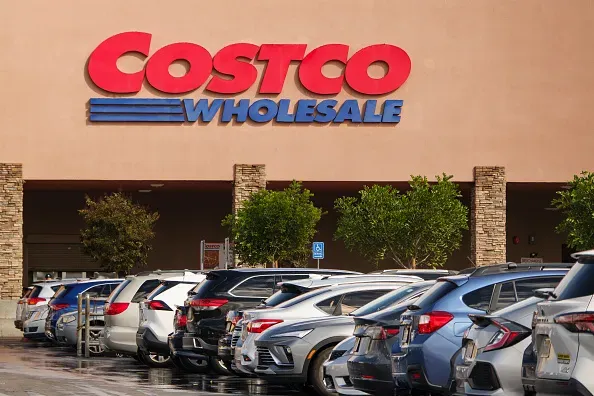
Costco Reports June Sales Growth Amid Economic Pressures
- Sales Growth Overview: Costco reported net sales of $29.24 billion for the five weeks ending July 5, 2026, marking a 10.6% increase year-over-year, demonstrating the company's resilience amid economic pressures despite challenges in the broader retail environment.
- Regional Performance Variance: The U.S. market exhibited the strongest growth at 10.6%, while Canada and other international markets grew by 3.7% and 4.7%, respectively, indicating that the U.S. remains the primary driver of the company's growth.
- Strong Digital Sales: Digital sales surged by 20.9% during the period, further underscoring Costco's ongoing success in the e-commerce sector, even as the overall retail landscape faces difficulties.
- Investor Reaction: Despite the sales data indicating growth, Costco's stock fell 1.2% in after-hours trading, reflecting investor concerns over the company's slowing comparable sales figures.

Investment Outlook for Amazon, Walmart, and Costco


- Amazon's Growth Potential: Amazon's AWS cloud computing division boasts an annual revenue run rate of $150 billion, and with its e-commerce business and revamped cost structure, earnings are expected to strengthen further in the coming quarters, showcasing robust growth potential.
- Costco's Membership Model: Costco's renewal rates exceed 90% in its largest markets, the U.S. and Canada, providing visibility for future earnings, while its high-margin membership fees significantly contribute to profit growth, positioning the company for long-term success.
- Walmart's Market Advantage: Walmart's low-price strategy and advancements in digital sales led to a 26% increase in global e-commerce sales and a 17% rise in membership fee revenue in the latest quarter, ensuring stable revenue and growth potential amid competition.
- Investment Choice Analysis: While Amazon, Walmart, and Costco each have their strengths, Amazon is viewed as the best investment choice for the second half due to its lower valuation and superior revenue growth potential, particularly as it remains competitive even during economic slowdowns.

Investment Outlook for Amazon, Walmart, and Costco
- Amazon's Earnings Potential: Amazon's AWS cloud computing division boasts an annual revenue run rate of $150 billion, and with the company's restructuring of its cost structure, earnings are expected to strengthen further in the coming quarters, boosting investor confidence.
- Costco's Membership Model: Costco's renewal rates exceed 90% in its largest markets of the U.S. and Canada, with high-margin membership fees providing a stable revenue source that ensures sustainable long-term profit growth.
- Walmart's Market Advantage: With global e-commerce sales rising 26% and membership fee revenue increasing by 17%, Walmart's advertising business also achieved 37% growth, showcasing its strong market competitiveness and revenue stability.
- Emerging Investment Opportunities: Despite recent stock price pullbacks for all three companies, their long-term prospects remain robust, particularly with Amazon trading at a relatively lower valuation, making it an ideal choice for investors in the second half of 2026.

Levi Strauss Stock Fluctuations and Market Dynamics

- Levi Strauss Stock Performance: Levi Strauss shares have risen 25% over the past three months but are down 3.6% from the July 1 high, indicating increased market volatility as investors await the upcoming earnings report.
- SK Hynix Listing Update: SK Hynix is set to list in the U.S. on Friday, holding a 25% weighting in the iShares MSCI South Korea ETF, which has dropped 18% since June 18 yet is up nearly 160% year-to-date, reflecting strong market interest in the semiconductor sector.
- Used Car Market Trends: CarMax shares are down 27% from last July's high, despite an 8% increase over the past month, while Carvana has fallen 30% since January, indicating ongoing pressure in the used car market.
- Costco Sales Data Preview: Costco is scheduled to release monthly sales data on Wednesday, with shares down 2.5% in the past month and 13% from the May high, prompting investors to monitor sales performance for future earnings assessments.
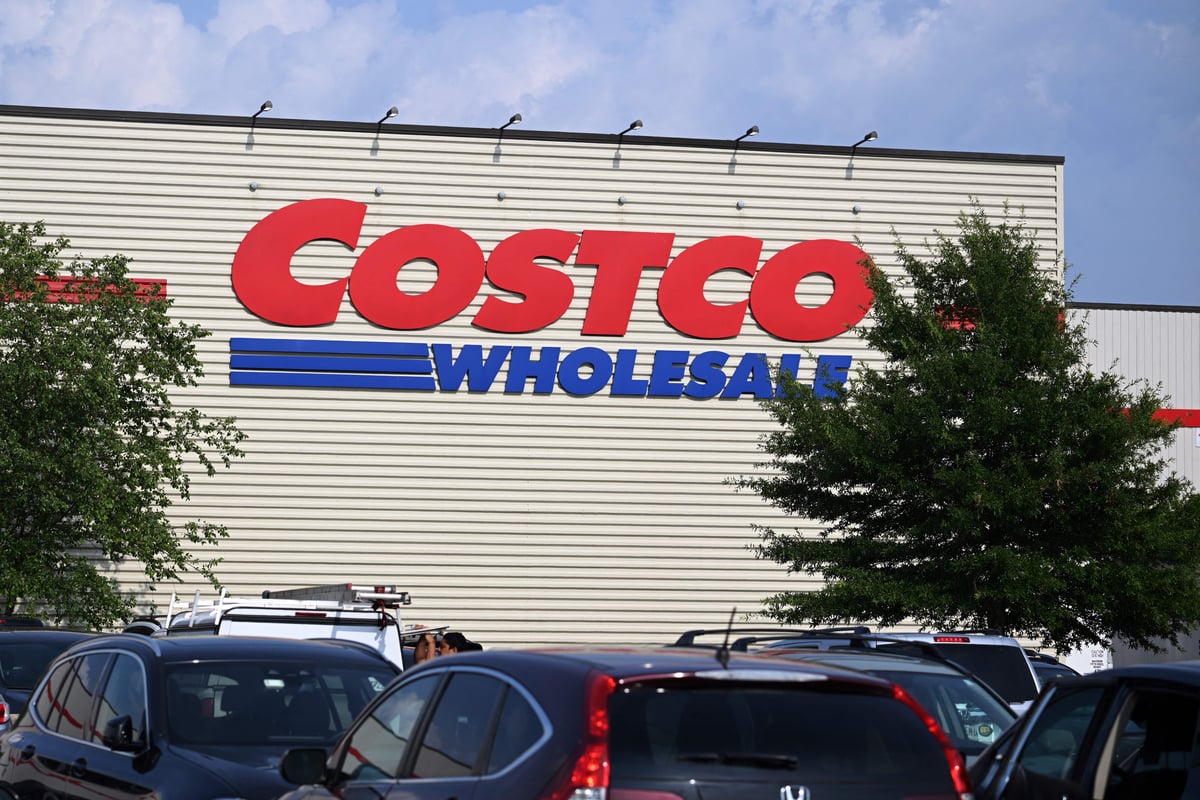
Costco's Decade of Investment Returns Analyzed
- Membership Model Advantage: Costco's business model relies on membership fees, achieving a renewal rate of around 90%, which ensures a stable stream of high-margin income, allowing the company to maintain low prices and enhance customer loyalty, creating a positive feedback loop.
- Strong Sales Growth: In the fiscal third quarter ending May 2026, Costco's net sales rose 11.6% year-over-year to $69.2 billion, with May's sales climbing 14.5%, demonstrating sustained double-digit growth in the retail sector.
- Market Expansion Potential: While Costco has a high market penetration in North America, its warehouse presence in Asia and Europe remains relatively low, indicating significant room for future expansion that is expected to drive long-term growth.
- Valuation Risk Warning: With a current price-to-earnings ratio of about 48 times, despite strong fundamentals, the high valuation poses risks for future returns, prompting investors to carefully consider entry points to avoid buying at elevated prices.
Costco Reports 10.6% Sales Growth in June
- Sales Growth: Costco reported net sales of $29.24 billion for June, reflecting a robust 10.6% year-over-year increase, which reinforces its leadership position in the retail sector.
- Annual Sales Performance: The total net sales for the first 44 weeks reached $250.43 billion, up 10.1% from $227.46 billion last year, indicating the company's success in attracting consumers consistently.
- Comparable Sales Increase: Comparable sales for June rose by 8.8%, with the U.S. market growing by 10.6%, Canada by 3.7%, and other international markets by 4.7%, showcasing the company's strong performance across various regions.
- E-commerce Surge: E-commerce comparable sales surged by 20.9% in June, not only boosting overall sales but also indicating a growing consumer preference for online shopping, which further drives the company's digital transformation.
Costco Reports June Sales Growth Amid Economic Pressures
- Sales Growth Overview: Costco reported net sales of $29.24 billion for the five weeks ending July 5, 2026, marking a 10.6% increase year-over-year, demonstrating the company's resilience amid economic pressures despite challenges in the broader retail environment.
- Regional Performance Variance: The U.S. market exhibited the strongest growth at 10.6%, while Canada and other international markets grew by 3.7% and 4.7%, respectively, indicating that the U.S. remains the primary driver of the company's growth.
- Strong Digital Sales: Digital sales surged by 20.9% during the period, further underscoring Costco's ongoing success in the e-commerce sector, even as the overall retail landscape faces difficulties.
- Investor Reaction: Despite the sales data indicating growth, Costco's stock fell 1.2% in after-hours trading, reflecting investor concerns over the company's slowing comparable sales figures.
Investment Outlook for Amazon, Walmart, and Costco
- Amazon's Growth Potential: Amazon's AWS cloud computing division boasts an annual revenue run rate of $150 billion, and with its e-commerce business and revamped cost structure, earnings are expected to strengthen further in the coming quarters, showcasing robust growth potential.
- Costco's Membership Model: Costco's renewal rates exceed 90% in its largest markets, the U.S. and Canada, providing visibility for future earnings, while its high-margin membership fees significantly contribute to profit growth, positioning the company for long-term success.
- Walmart's Market Advantage: Walmart's low-price strategy and advancements in digital sales led to a 26% increase in global e-commerce sales and a 17% rise in membership fee revenue in the latest quarter, ensuring stable revenue and growth potential amid competition.
- Investment Choice Analysis: While Amazon, Walmart, and Costco each have their strengths, Amazon is viewed as the best investment choice for the second half due to its lower valuation and superior revenue growth potential, particularly as it remains competitive even during economic slowdowns.
Investment Outlook for Amazon, Walmart, and Costco
- Amazon's Earnings Potential: Amazon's AWS cloud computing division boasts an annual revenue run rate of $150 billion, and with the company's restructuring of its cost structure, earnings are expected to strengthen further in the coming quarters, boosting investor confidence.
- Costco's Membership Model: Costco's renewal rates exceed 90% in its largest markets of the U.S. and Canada, with high-margin membership fees providing a stable revenue source that ensures sustainable long-term profit growth.
- Walmart's Market Advantage: With global e-commerce sales rising 26% and membership fee revenue increasing by 17%, Walmart's advertising business also achieved 37% growth, showcasing its strong market competitiveness and revenue stability.
- Emerging Investment Opportunities: Despite recent stock price pullbacks for all three companies, their long-term prospects remain robust, particularly with Amazon trading at a relatively lower valuation, making it an ideal choice for investors in the second half of 2026.
Levi Strauss Stock Fluctuations and Market Dynamics
- Levi Strauss Stock Performance: Levi Strauss shares have risen 25% over the past three months but are down 3.6% from the July 1 high, indicating increased market volatility as investors await the upcoming earnings report.
- SK Hynix Listing Update: SK Hynix is set to list in the U.S. on Friday, holding a 25% weighting in the iShares MSCI South Korea ETF, which has dropped 18% since June 18 yet is up nearly 160% year-to-date, reflecting strong market interest in the semiconductor sector.
- Used Car Market Trends: CarMax shares are down 27% from last July's high, despite an 8% increase over the past month, while Carvana has fallen 30% since January, indicating ongoing pressure in the used car market.
- Costco Sales Data Preview: Costco is scheduled to release monthly sales data on Wednesday, with shares down 2.5% in the past month and 13% from the May high, prompting investors to monitor sales performance for future earnings assessments.
Costco's Decade of Investment Returns Analyzed
- Membership Model Advantage: Costco's business model relies on membership fees, achieving a renewal rate of around 90%, which ensures a stable stream of high-margin income, allowing the company to maintain low prices and enhance customer loyalty, creating a positive feedback loop.
- Strong Sales Growth: In the fiscal third quarter ending May 2026, Costco's net sales rose 11.6% year-over-year to $69.2 billion, with May's sales climbing 14.5%, demonstrating sustained double-digit growth in the retail sector.
- Market Expansion Potential: While Costco has a high market penetration in North America, its warehouse presence in Asia and Europe remains relatively low, indicating significant room for future expansion that is expected to drive long-term growth.
- Valuation Risk Warning: With a current price-to-earnings ratio of about 48 times, despite strong fundamentals, the high valuation poses risks for future returns, prompting investors to carefully consider entry points to avoid buying at elevated prices.