Contrarian Capital Reduces Stake in Core Natural Resources

Core Natural Resources Inc experienced a price decline of 5.34% as it crossed below the 20-day SMA, reflecting broader market weakness with the Nasdaq-100 down 1.16% and the S&P 500 down 1.22%.
The decline in share price follows Contrarian Capital Management's decision to reduce its stake in Core Natural Resources by 187,676 shares, resulting in a decrease to 0.7359% of the fund's 13F assets. This reduction indicates waning market confidence in the stock, leading to a quarter-end value decline of approximately $15.51 million. Investors are advised to monitor coal prices, which are crucial for the company's future earnings, especially as the coal market stabilizes post-global energy shock.
The implications of this stake reduction and the current market conditions suggest that Core Natural Resources may face challenges in maintaining investor confidence and competitiveness in the coal sector.
Trade with 70% Backtested Accuracy
Analyst Views on CNR

About CNR
About the author


Middle East Tensions Drive Energy Stocks Higher

- Energy Stock Rally: Energy stocks surged in the afternoon session due to escalating geopolitical tensions in the Middle East, with Borr Drilling's shares rising 3.6%, indicating increased investor interest in energy companies amid supply concerns.
- Oil Prices Climb: Oil prices continued to rise even as President Trump extended the deadline for Iran to reopen the Strait of Hormuz by ten days, reflecting market anxiety over global oil supply risks and enhancing the outlook for oil and gas producers.
- Clean Energy Fuels Volatility: Clean Energy Fuels saw an 8.1% increase in its stock price, despite experiencing 40 moves greater than 5% in the past year, suggesting that while the market reacted strongly to the news, it did not fundamentally alter perceptions of the company's business.
- Long-Term Investment Challenges: Although Clean Energy Fuels has gained 18.3% year-to-date, its current price of $2.56 per share remains 16.5% below its 52-week high of $3.06, indicating significant challenges for long-term investors who would see their $1,000 investment from five years ago reduced to just $199.92.

CORE NATURAL RESOURCES INC: UBS Increases Target Price from $109 to $115
- Core Natural Resources: The company has raised its target price for shares to $115 from $109.
- Market Impact: This adjustment reflects a positive outlook on the company's performance and potential growth.

DME Capital Management Fully Exits Seadrill Position


- Complete Exit: DME Capital Management disclosed in a February 17 SEC filing that it has fully exited its position in Seadrill by selling 1,588,828 shares, which previously accounted for approximately 1.9% of the fund's AUM, indicating a loss of confidence in the company's prospects.
- Impact of Share Changes: Following this transaction, DME's stake in Seadrill is now zero, reflecting a cautious outlook on the company's future, especially after a significant 11.1% drop in share price in 2025, despite a rebound of 21.7% in 2026 through March 12.
- Market Performance Comparison: Seadrill's stock has shown strong performance in 2026, contrasting sharply with the S&P 500's 2.3% decline, highlighting the company's recovery potential amid rising energy prices, although its revenue remains sensitive to commodity price fluctuations.
- Revenue Volatility Risk: Seadrill reported fourth-quarter contract revenue of $273 million, down 2.5% from the previous quarter, indicating that its business is highly dependent on the energy sector's market dynamics, necessitating a long-term investment perspective to manage revenue volatility.

DME Capital Fully Exits Seadrill Stake
- Share Sale Details: DME Capital has fully exited its position in Seadrill by selling approximately 1.6 million shares, which previously represented about 1.9% of the fund's AUM, indicating a cautious market stance.
- Market Performance Analysis: Although DME Capital sold early, Seadrill's stock rebounded by 21.7% from March 12, 2026, while the S&P 500 index fell by 2.3%, highlighting market volatility and unpredictability.
- Revenue Dependency: Seadrill's contract revenue for the latest quarter was $273 million, down 2.5% from the previous quarter, illustrating the company's high dependence on fluctuating energy sector prices, necessitating a long-term investment perspective from investors.
- Investment Advice: Despite Seadrill's recent stock recovery, it was not included in The Motley Fool's current list of top investment stocks, advising investors to carefully assess its investment potential.
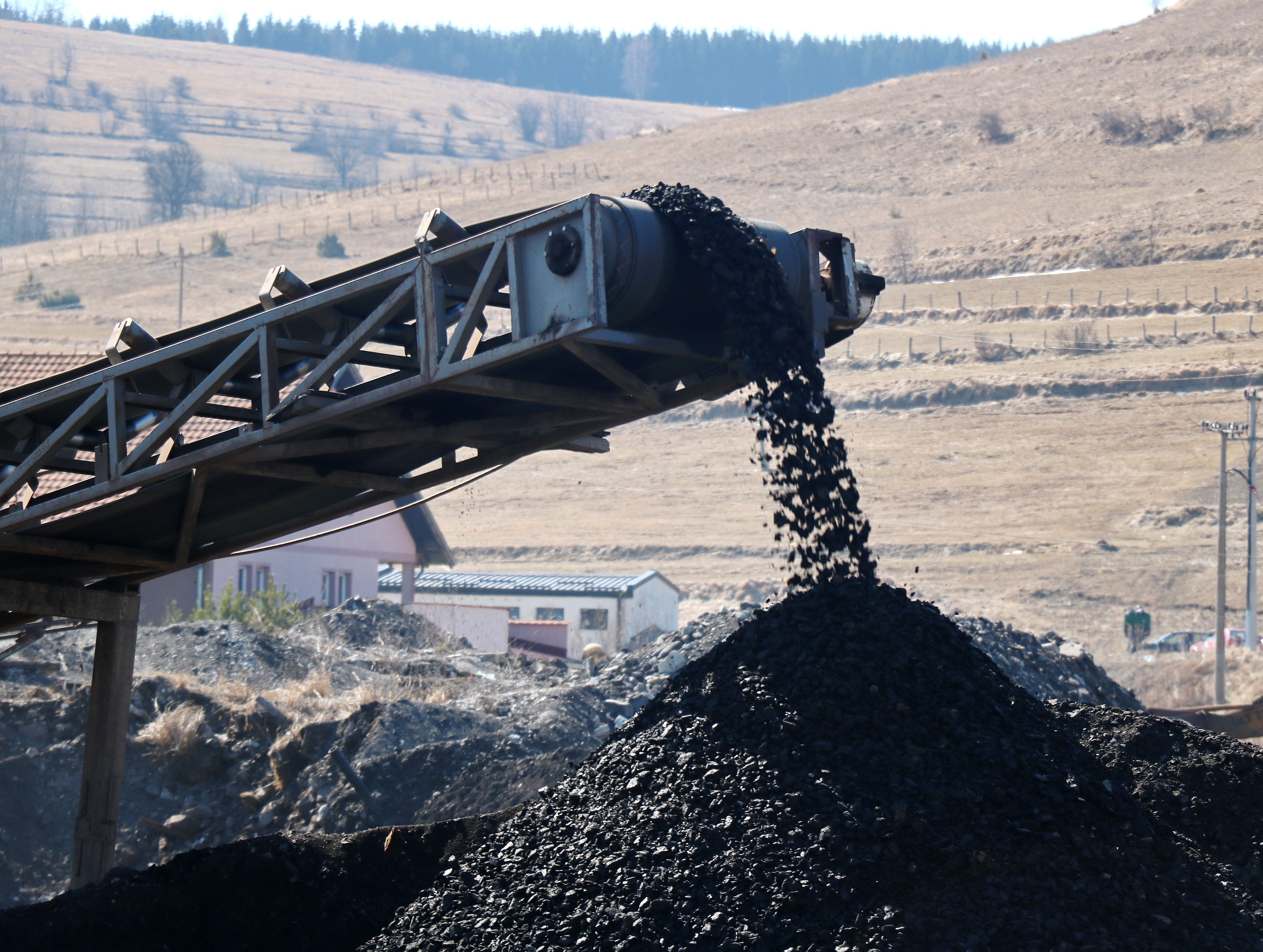
Coal Prices Surge to Highest Level Since November 2024

- Price Surge: Coal prices have surged to $150 per ton, a 9.3% increase, due to the effective shutdown of the Strait of Hormuz caused by the Middle East war, significantly impacting the global energy market's supply-demand balance.
- Shift to Alternatives: Analysts indicate that many countries may substitute coal for natural gas in power generation as soaring costs drive this trend, particularly in the Asian market where dependency on gas is high.
- Key Exporters: Indonesia and Australia account for 48% and 18% of global thermal coal exports, respectively, positioning these countries to benefit from increased coal demand in the current market environment.
- Market Dynamics: While the Strait of Hormuz does not significantly affect global coal trade, the growing reliance of Europe on Middle Eastern LNG could enhance coal's substitutability, potentially driving up stock prices for related companies like Glencore.

Flat Footed LLC Fully Liquidates Matson Stake

- Stake Liquidation: Flat Footed LLC fully liquidated its 314,076-share stake in Matson during Q4 2026, resulting in a $30.96 million decrease in the position's quarter-end value, highlighting the impact of market fluctuations on its investment portfolio.
- Market Performance: As of February 17, 2026, Matson's shares were priced at $165.05, reflecting a 12.1% increase over the past year, outperforming the S&P 500 by 2.27 percentage points, indicating its relative strength in the shipping industry.
- Financial Overview: Matson's latest financial metrics reveal a TTM revenue of $3.34 billion and a net income of $444.8 million, with a dividend yield of 0.91%, suggesting a solid revenue stream and profitability.
- Industry Outlook: While global freight markets stabilize, Matson must focus on cargo demand in its domestic trade lanes and customers' willingness to pay for expedited shipping services to sustain profitability and competitive positioning.
Middle East Tensions Drive Energy Stocks Higher
- Energy Stock Rally: Energy stocks surged in the afternoon session due to escalating geopolitical tensions in the Middle East, with Borr Drilling's shares rising 3.6%, indicating increased investor interest in energy companies amid supply concerns.
- Oil Prices Climb: Oil prices continued to rise even as President Trump extended the deadline for Iran to reopen the Strait of Hormuz by ten days, reflecting market anxiety over global oil supply risks and enhancing the outlook for oil and gas producers.
- Clean Energy Fuels Volatility: Clean Energy Fuels saw an 8.1% increase in its stock price, despite experiencing 40 moves greater than 5% in the past year, suggesting that while the market reacted strongly to the news, it did not fundamentally alter perceptions of the company's business.
- Long-Term Investment Challenges: Although Clean Energy Fuels has gained 18.3% year-to-date, its current price of $2.56 per share remains 16.5% below its 52-week high of $3.06, indicating significant challenges for long-term investors who would see their $1,000 investment from five years ago reduced to just $199.92.
CORE NATURAL RESOURCES INC: UBS Increases Target Price from $109 to $115
- Core Natural Resources: The company has raised its target price for shares to $115 from $109.
- Market Impact: This adjustment reflects a positive outlook on the company's performance and potential growth.
DME Capital Management Fully Exits Seadrill Position
- Complete Exit: DME Capital Management disclosed in a February 17 SEC filing that it has fully exited its position in Seadrill by selling 1,588,828 shares, which previously accounted for approximately 1.9% of the fund's AUM, indicating a loss of confidence in the company's prospects.
- Impact of Share Changes: Following this transaction, DME's stake in Seadrill is now zero, reflecting a cautious outlook on the company's future, especially after a significant 11.1% drop in share price in 2025, despite a rebound of 21.7% in 2026 through March 12.
- Market Performance Comparison: Seadrill's stock has shown strong performance in 2026, contrasting sharply with the S&P 500's 2.3% decline, highlighting the company's recovery potential amid rising energy prices, although its revenue remains sensitive to commodity price fluctuations.
- Revenue Volatility Risk: Seadrill reported fourth-quarter contract revenue of $273 million, down 2.5% from the previous quarter, indicating that its business is highly dependent on the energy sector's market dynamics, necessitating a long-term investment perspective to manage revenue volatility.
DME Capital Fully Exits Seadrill Stake
- Share Sale Details: DME Capital has fully exited its position in Seadrill by selling approximately 1.6 million shares, which previously represented about 1.9% of the fund's AUM, indicating a cautious market stance.
- Market Performance Analysis: Although DME Capital sold early, Seadrill's stock rebounded by 21.7% from March 12, 2026, while the S&P 500 index fell by 2.3%, highlighting market volatility and unpredictability.
- Revenue Dependency: Seadrill's contract revenue for the latest quarter was $273 million, down 2.5% from the previous quarter, illustrating the company's high dependence on fluctuating energy sector prices, necessitating a long-term investment perspective from investors.
- Investment Advice: Despite Seadrill's recent stock recovery, it was not included in The Motley Fool's current list of top investment stocks, advising investors to carefully assess its investment potential.
Coal Prices Surge to Highest Level Since November 2024
- Price Surge: Coal prices have surged to $150 per ton, a 9.3% increase, due to the effective shutdown of the Strait of Hormuz caused by the Middle East war, significantly impacting the global energy market's supply-demand balance.
- Shift to Alternatives: Analysts indicate that many countries may substitute coal for natural gas in power generation as soaring costs drive this trend, particularly in the Asian market where dependency on gas is high.
- Key Exporters: Indonesia and Australia account for 48% and 18% of global thermal coal exports, respectively, positioning these countries to benefit from increased coal demand in the current market environment.
- Market Dynamics: While the Strait of Hormuz does not significantly affect global coal trade, the growing reliance of Europe on Middle Eastern LNG could enhance coal's substitutability, potentially driving up stock prices for related companies like Glencore.
Flat Footed LLC Fully Liquidates Matson Stake
- Stake Liquidation: Flat Footed LLC fully liquidated its 314,076-share stake in Matson during Q4 2026, resulting in a $30.96 million decrease in the position's quarter-end value, highlighting the impact of market fluctuations on its investment portfolio.
- Market Performance: As of February 17, 2026, Matson's shares were priced at $165.05, reflecting a 12.1% increase over the past year, outperforming the S&P 500 by 2.27 percentage points, indicating its relative strength in the shipping industry.
- Financial Overview: Matson's latest financial metrics reveal a TTM revenue of $3.34 billion and a net income of $444.8 million, with a dividend yield of 0.91%, suggesting a solid revenue stream and profitability.
- Industry Outlook: While global freight markets stabilize, Matson must focus on cargo demand in its domestic trade lanes and customers' willingness to pay for expedited shipping services to sustain profitability and competitive positioning.