Chipotle Faces Challenges Amid Declining Sales and Market Weakness
Chipotle Mexican Grill Inc's stock fell 5.01% as it crossed below the 5-day SMA, reflecting a challenging market environment.
The company recently reported its first same-store sales decline since 2016, with a drop of 1.7% in 2025, primarily due to inflation affecting ingredient costs and decreased store traffic. This decline has raised concerns about future growth, especially as the broader market, including the Nasdaq-100 and S&P 500, is down over 1%. Chipotle is attempting to counteract these challenges with a new growth strategy, which includes plans to open 350 to 370 new restaurants.
Investors are closely monitoring Chipotle's upcoming earnings call scheduled for April 29, 2026, which is expected to provide further insights into the company's financial health and strategic direction amidst these setbacks.
Trade with 70% Backtested Accuracy
Analyst Views on CMG

About CMG
About the author

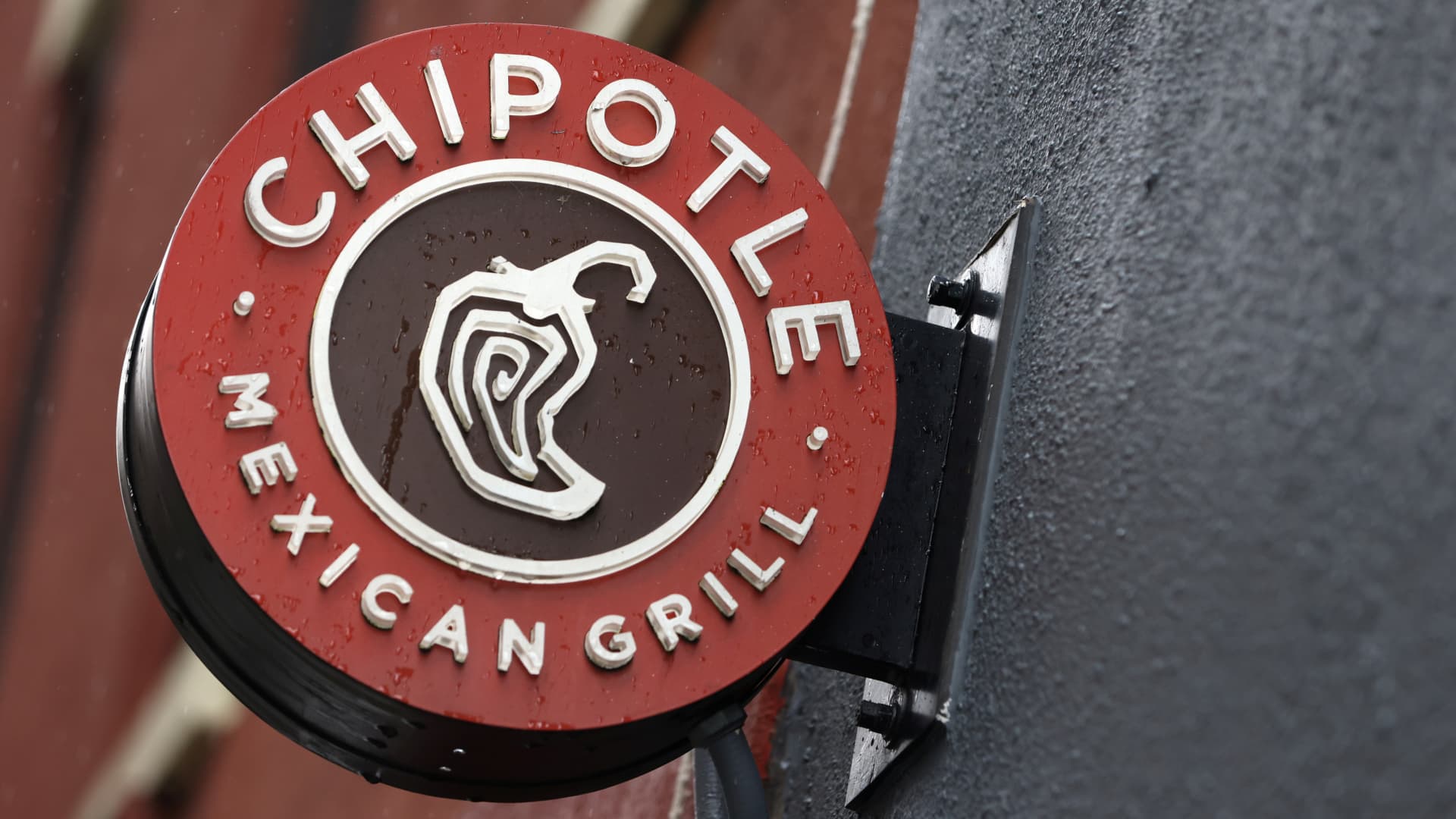
Chipotle Accelerates Development Pace

- Accelerated Development: Chipotle is accelerating its pace of development, indicating the company's confidence in future growth, especially amid increasing competition in the fast-food industry.
- Stock Performance: As of the afternoon of June 20, 2026, Chipotle's stock price rose by 1.34%, reflecting a positive market response to its development strategy, which may attract more investor interest.
- Video Release: The video published on June 22, 2026, aims to showcase Chipotle's latest developments, further enhancing brand image and increasing customer engagement.
- Market Outlook: By speeding up development, Chipotle aims to not only increase market share but also potentially meet evolving consumer demands through innovation and the expansion of new product lines.

Chipotle Accelerates Development Pace
- Investment Advice: Chipotle was not included in the analyst team's list of 10 best stocks, indicating a cautious market sentiment regarding its future growth, which may affect investor confidence.
- Historical Returns Comparison: Previously recommended stocks like Netflix and Nvidia achieved returns of 393,037% and 1,280,627% respectively, highlighting the significance of selecting high-potential stocks for investors.
- Market Performance: Stock Advisor boasts an average return of 913%, significantly outperforming the S&P 500's 208%, emphasizing the importance of choosing quality stocks for potential gains.
- Investor Community: Joining the Stock Advisor investment community provides access to the latest investment recommendations and market insights, aiding investors in making more informed decisions.

On the Border Mexican Chain Officially Shuts Down

- Closure Reasons: On the Border, a Mexican casual dining chain, officially shut down last week after moving from Chapter 11 restructuring in 2025, driven by declining traffic, rising costs, and underperforming stores, indicating a failed turnaround effort.
- Market Impact: The closure of On the Border marks a multi-year shakeout in full-service and smaller fast-casual Mexican concepts, even as Chipotle continues to consolidate its position as the growth engine in the category.
- Industry Trends: Since 2024, chains like Taco Cabana and Matteo’s Authentic Mexican Food have closed units or exited markets, primarily due to rising wages, food inflation, and weaker discretionary spending.
- Competitive Landscape Changes: The thinning field of Mexican chains has allowed larger players like Chipotle and Taco Bell to continue seeing unit growth and capture more market share, highlighting their advantages in digital reach and drive-thru infrastructure.
Chipotle Faces Challenges Yet Holds Growth Potential
- Stock Price Decline: Chipotle's shares have fallen 54% since their peak in June 2024, indicating a significant loss of market confidence in its growth prospects amid increasing economic uncertainty, leading to waning investor interest in the stock.
- Leadership Change Impact: The departure of CEO Brian Niccol in August 2024 raised doubts about his successor's capabilities, resulting in a 7% drop in stock price on the day of the announcement, reflecting concerns over the company's future direction.
- Sales Decline: In 2025, Chipotle reported a 1.7% year-over-year decline in same-store sales, marking the first drop after eight consecutive years of growth, particularly as lower-income households and younger consumers tightened their spending, exacerbating performance pressures.
- Increased Marketing Spend: To stimulate growth, Chipotle raised its marketing expenditure to 3.5% of revenue in Q4 2025, up from 3% the previous year, aiming to restore consumer confidence and drive sales recovery despite ongoing pressure on profit margins.
Chipotle Faces Leadership Change and Sales Pressure
- Leadership Change Impact: Chipotle's CEO Brian Niccol left in August 2024, causing a 7% drop in stock price on the announcement day as the market expressed skepticism about his successor's ability to lead the company forward.
- Weak Sales Trends: In 2025, Chipotle reported a 1.7% year-over-year decline in same-store sales, marking the first negative growth in eight years, particularly affecting younger consumers and households earning less than $100,000, highlighting the economic pressures on the restaurant sector.
- Increased Marketing Spend: To boost growth, Chipotle raised its marketing expenditure to 3.5% of revenue in Q4 2025, up from 3% the previous year, aiming to enhance brand visibility and customer engagement despite pressure on profit margins.
- Expansion Plans and Attractive Valuation: Chipotle opened 334 new locations in 2025 and plans to open 340 to 355 more in 2026; despite a 54% drop in stock price, the current price-to-earnings ratio of 29.2 presents an attractive entry point for investors, with potential for higher profits in the next five to ten years.
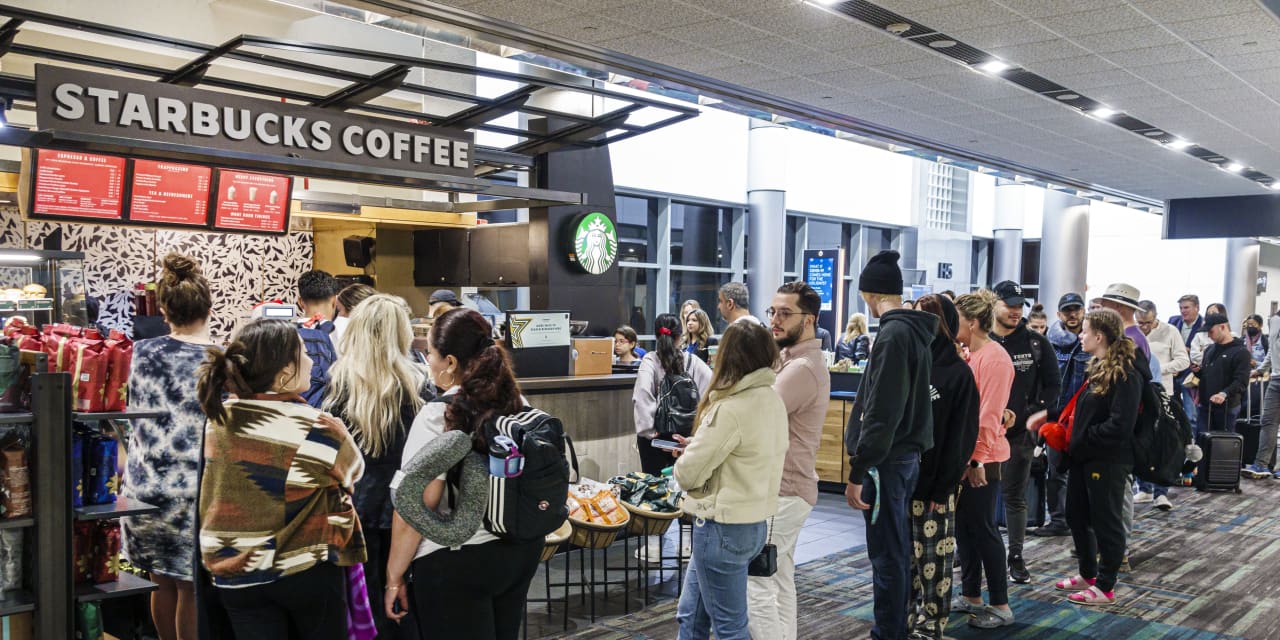
Investment Opportunities Amidst Volatility in Consumer Stocks

- Chipotle Growth Potential: Chipotle Mexican Grill plans to open 350 to 370 new restaurants in 2026, and despite facing sales forecast downgrades and stock price declines, it expects revenue to reach $16.1 billion by 2029, nearly double current levels, demonstrating resilience in its long-term growth trajectory.
- Ulta Sales Growth: Ulta Beauty reported a net sales increase of 11.1% to $3.16 billion in Q1 2026, exceeding analyst expectations, and subsequently raised its annual profit forecast, indicating strong execution capabilities in a competitive beauty market.
- Dutch Bros Market Advantage: Dutch Bros plans to open at least 181 new shops in 2026, and while the market remains cautious about its valuation, its 30% price increase since 2019 compared to Starbucks' 50% shows a genuine competitive edge in a price-sensitive market.
- Consumer Brand Expansion: Dutch Bros launched at-home coffee products in 2026, marking its transition from a regional drive-thru experience to a national consumer brand, further enhancing its market share and brand recognition.
Chipotle Accelerates Development Pace
- Accelerated Development: Chipotle is accelerating its pace of development, indicating the company's confidence in future growth, especially amid increasing competition in the fast-food industry.
- Stock Performance: As of the afternoon of June 20, 2026, Chipotle's stock price rose by 1.34%, reflecting a positive market response to its development strategy, which may attract more investor interest.
- Video Release: The video published on June 22, 2026, aims to showcase Chipotle's latest developments, further enhancing brand image and increasing customer engagement.
- Market Outlook: By speeding up development, Chipotle aims to not only increase market share but also potentially meet evolving consumer demands through innovation and the expansion of new product lines.
Chipotle Accelerates Development Pace
- Investment Advice: Chipotle was not included in the analyst team's list of 10 best stocks, indicating a cautious market sentiment regarding its future growth, which may affect investor confidence.
- Historical Returns Comparison: Previously recommended stocks like Netflix and Nvidia achieved returns of 393,037% and 1,280,627% respectively, highlighting the significance of selecting high-potential stocks for investors.
- Market Performance: Stock Advisor boasts an average return of 913%, significantly outperforming the S&P 500's 208%, emphasizing the importance of choosing quality stocks for potential gains.
- Investor Community: Joining the Stock Advisor investment community provides access to the latest investment recommendations and market insights, aiding investors in making more informed decisions.
On the Border Mexican Chain Officially Shuts Down
- Closure Reasons: On the Border, a Mexican casual dining chain, officially shut down last week after moving from Chapter 11 restructuring in 2025, driven by declining traffic, rising costs, and underperforming stores, indicating a failed turnaround effort.
- Market Impact: The closure of On the Border marks a multi-year shakeout in full-service and smaller fast-casual Mexican concepts, even as Chipotle continues to consolidate its position as the growth engine in the category.
- Industry Trends: Since 2024, chains like Taco Cabana and Matteo’s Authentic Mexican Food have closed units or exited markets, primarily due to rising wages, food inflation, and weaker discretionary spending.
- Competitive Landscape Changes: The thinning field of Mexican chains has allowed larger players like Chipotle and Taco Bell to continue seeing unit growth and capture more market share, highlighting their advantages in digital reach and drive-thru infrastructure.
Chipotle Faces Challenges Yet Holds Growth Potential
- Stock Price Decline: Chipotle's shares have fallen 54% since their peak in June 2024, indicating a significant loss of market confidence in its growth prospects amid increasing economic uncertainty, leading to waning investor interest in the stock.
- Leadership Change Impact: The departure of CEO Brian Niccol in August 2024 raised doubts about his successor's capabilities, resulting in a 7% drop in stock price on the day of the announcement, reflecting concerns over the company's future direction.
- Sales Decline: In 2025, Chipotle reported a 1.7% year-over-year decline in same-store sales, marking the first drop after eight consecutive years of growth, particularly as lower-income households and younger consumers tightened their spending, exacerbating performance pressures.
- Increased Marketing Spend: To stimulate growth, Chipotle raised its marketing expenditure to 3.5% of revenue in Q4 2025, up from 3% the previous year, aiming to restore consumer confidence and drive sales recovery despite ongoing pressure on profit margins.
Chipotle Faces Leadership Change and Sales Pressure
- Leadership Change Impact: Chipotle's CEO Brian Niccol left in August 2024, causing a 7% drop in stock price on the announcement day as the market expressed skepticism about his successor's ability to lead the company forward.
- Weak Sales Trends: In 2025, Chipotle reported a 1.7% year-over-year decline in same-store sales, marking the first negative growth in eight years, particularly affecting younger consumers and households earning less than $100,000, highlighting the economic pressures on the restaurant sector.
- Increased Marketing Spend: To boost growth, Chipotle raised its marketing expenditure to 3.5% of revenue in Q4 2025, up from 3% the previous year, aiming to enhance brand visibility and customer engagement despite pressure on profit margins.
- Expansion Plans and Attractive Valuation: Chipotle opened 334 new locations in 2025 and plans to open 340 to 355 more in 2026; despite a 54% drop in stock price, the current price-to-earnings ratio of 29.2 presents an attractive entry point for investors, with potential for higher profits in the next five to ten years.
Investment Opportunities Amidst Volatility in Consumer Stocks
- Chipotle Growth Potential: Chipotle Mexican Grill plans to open 350 to 370 new restaurants in 2026, and despite facing sales forecast downgrades and stock price declines, it expects revenue to reach $16.1 billion by 2029, nearly double current levels, demonstrating resilience in its long-term growth trajectory.
- Ulta Sales Growth: Ulta Beauty reported a net sales increase of 11.1% to $3.16 billion in Q1 2026, exceeding analyst expectations, and subsequently raised its annual profit forecast, indicating strong execution capabilities in a competitive beauty market.
- Dutch Bros Market Advantage: Dutch Bros plans to open at least 181 new shops in 2026, and while the market remains cautious about its valuation, its 30% price increase since 2019 compared to Starbucks' 50% shows a genuine competitive edge in a price-sensitive market.
- Consumer Brand Expansion: Dutch Bros launched at-home coffee products in 2026, marking its transition from a regional drive-thru experience to a national consumer brand, further enhancing its market share and brand recognition.