Chili's Sales Growth Drives Brinker International's Stock Up

Brinker International Inc's stock rose by 4.89% as it reached a 20-day high, reflecting positive market conditions.
The company's Chili's brand has experienced significant sales growth, with same-store sales increasing an average of 12% from 2022 to 2025, outperforming the casual dining sector. This growth is attributed to strategic transformations under CEO Kevin Hochman, who has focused on enhancing customer experience and operational efficiency. Additionally, Chili's plans to launch a new chicken sandwich lineup in April, aiming to attract price-sensitive consumers, further supporting the stock's upward movement.
This positive performance indicates strong brand resilience and market appeal, positioning Brinker International favorably in a challenging restaurant industry landscape.
Trade with 70% Backtested Accuracy
Analyst Views on EAT

About EAT
About the author

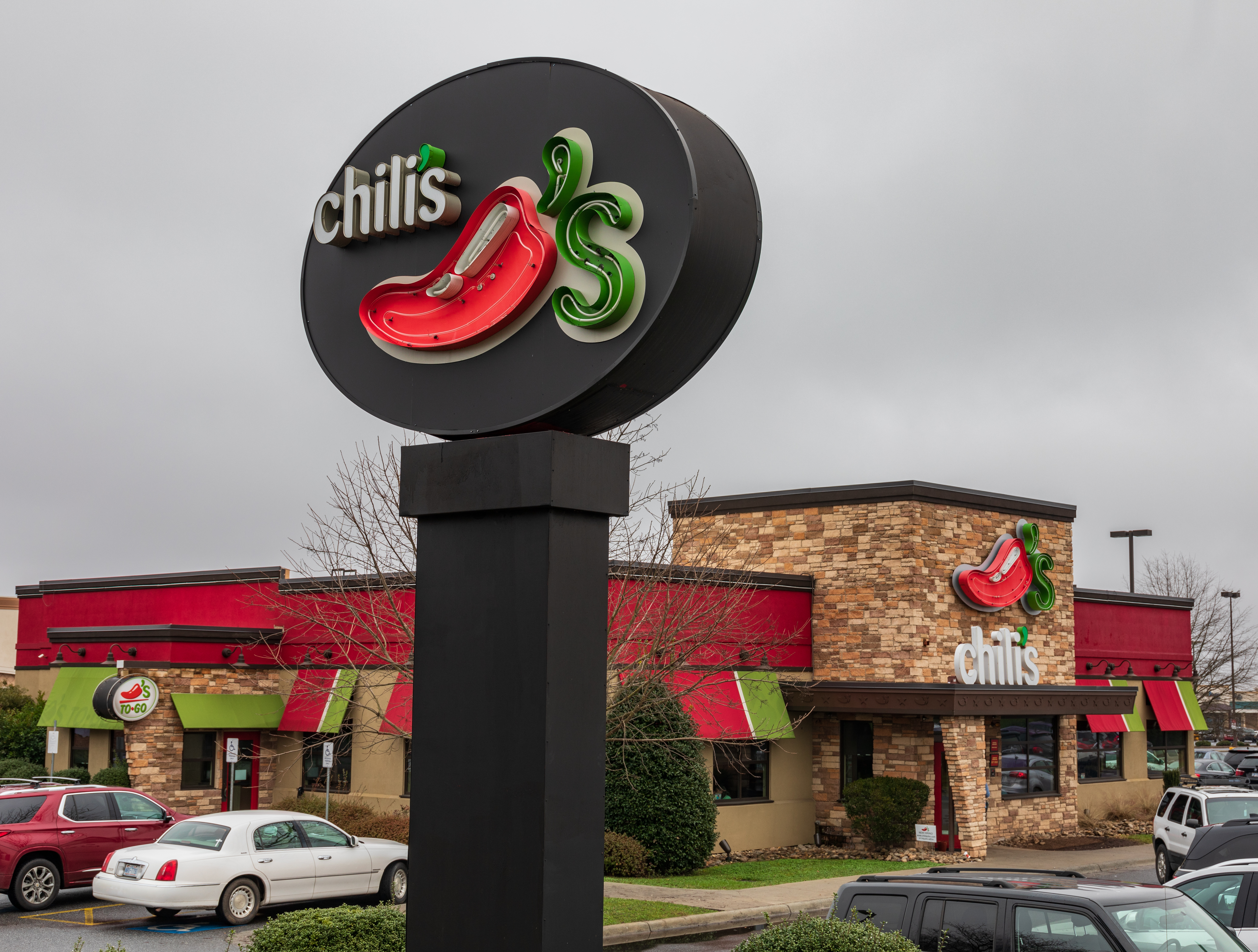
Chili's Strength Fuels Growth for Brinker International
- Strong Sales Trends: KeyBanc analysts project that Chili's same-store sales will grow by 6% in Q4 2026, surpassing the consensus estimate of 5.8%, indicating robust sales momentum that is expected to drive overall performance growth for Brinker International despite severe winter weather interruptions.
- Earnings Estimates Raised: The analyst has increased Brinker International's fiscal 2026 EPS estimate from $10.65 to $10.72, slightly above the consensus of $10.71, while also raising revenue estimates from $5.81 billion to $5.82 billion, reflecting an improvement in the company's profitability amid ongoing growth.
- Valuation Upgrade: Following Chili's strong performance and margin expansion, KeyBanc upgraded Brinker International's rating from Sector Weight to Overweight, setting a price target of $177, which represents a 23% upside from Wednesday's closing price, indicating market optimism regarding its future growth potential.
- New Product Launch: Chili's is set to launch a new chicken sandwich platform in April, along with menu upgrades and innovations, supported by ongoing marketing efforts, which are expected to further drive sales growth and enhance the company's competitive position in the fast-food market.

Market Volatility and Amazon's Acquisition Talks

- Market Volatility: Stocks experienced significant declines at the open on Thursday due to President Trump's hawkish remarks on the Iran war, which raised concerns and caused oil prices to surge; however, news of Iran working with Oman on a shipping protocol eased oil price pressures, allowing the S&P 500 to briefly trade higher, reflecting the market's high uncertainty.
- Amazon Acquisition Talks: Amazon is in negotiations to acquire satellite company Globalstar to advance its internet-from-space service, Leo, having launched about 200 low Earth orbit satellites despite competition from SpaceX's Starlink, which has over 10,000 satellites; this move is expected to enhance rural internet access and make Prime membership more attractive.
- Microsoft's AI Investment Lag: A profile on Microsoft CFO Amy Mood highlighted the company's conservative approach to AI spending, which has led to a competitive disadvantage, with the stock down 23% year-to-date; nevertheless, analysts remain optimistic about management's ability to address these challenges, maintaining a $600 price target.
- Rapid Stock Review: Stocks mentioned in Thursday's rapid-fire segment included Brinker, Texas Roadhouse, and Constellation Brands, indicating a focus on diversified investment strategies while emphasizing Jim Cramer's long-term holding approach in specific stocks within his charitable trust.

Market Watch: Oil Price Surge and Stock Market Turmoil


- Oil Price Surge Impact: Following President Trump's address on the Iran war, which raised escalation concerns, U.S. crude benchmark WTI surged 9% to $109 a barrel, putting downward pressure on the stock market and negatively affecting investor sentiment.
- Bank of America Upgrades Vale: Bank of America upgraded Vale from hold to buy, suggesting that now is an attractive entry point for investors in the iron ore producer, despite Vale's stock dropping nearly 7% since the Iran conflict began, while iron ore prices have risen about 8%.
- Wix's Outlook Downgraded: UBS downgraded Wix from buy to hold, with analysts believing its 2026 outlook indicates a slowdown in core business growth from 12% last year to 8% this year, and despite efforts to integrate AI capabilities, the company remains vulnerable to disruption by AI.
- Cheniere Energy Price Target Increased: Citigroup raised Cheniere Energy's price target from $280 to $330 while reiterating its buy rating, as supply disruptions in the Middle East could benefit U.S. LNG exports long-term, with shares up about 17% since the war began.
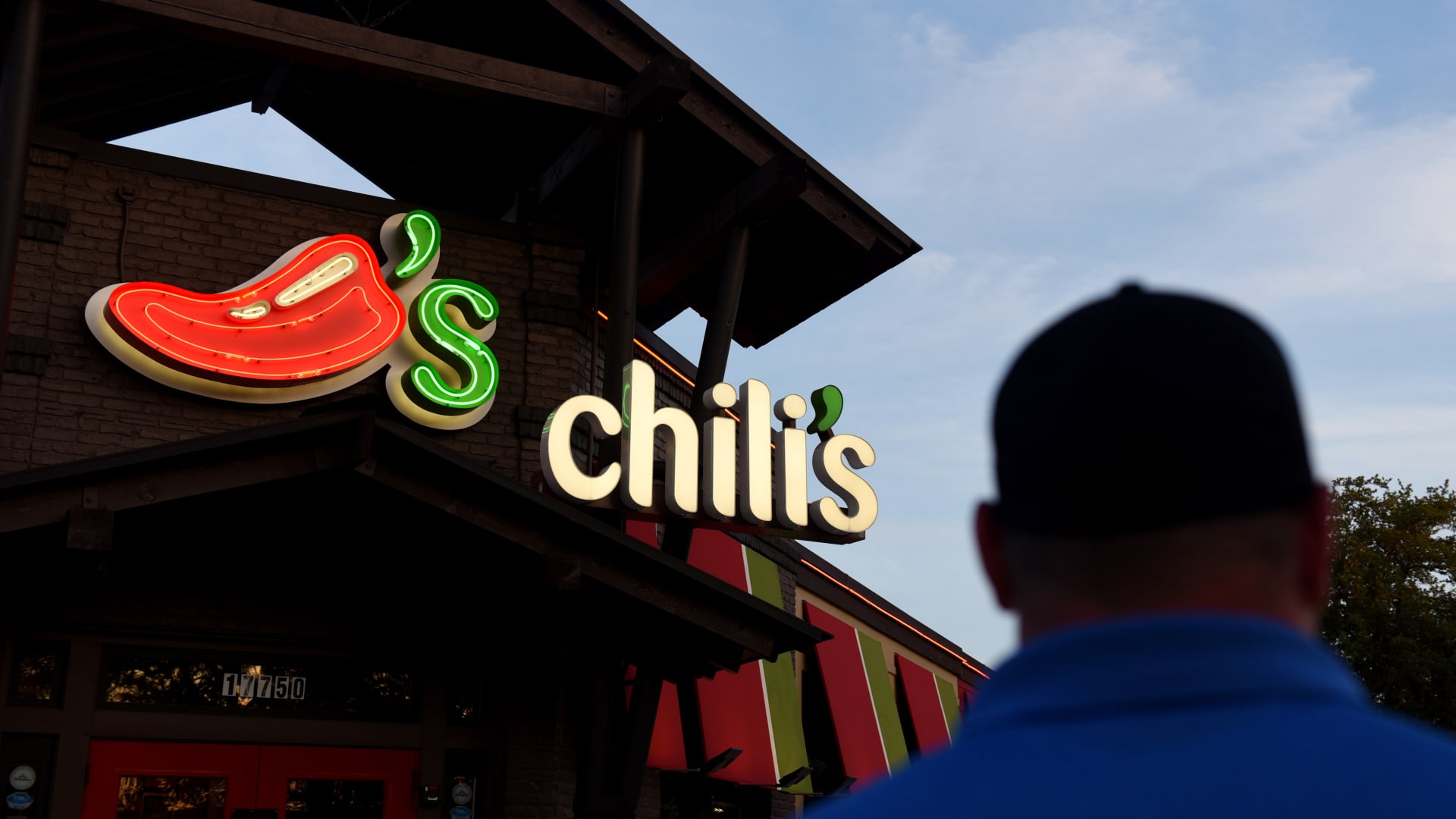
Brinker International's Sales Surge Leads to Upgrade by KeyBanc
- Sales Growth Outlook: KeyBanc upgraded Brinker International from sector weight to overweight, anticipating that Chili's strong sales momentum will persist through FY26 and into FY27, indicating robust market competitiveness.
- Price Target Increase: KeyBanc set a price target of $177 for Brinker, implying a 23% upside from Wednesday's close, reflecting optimistic market expectations for the company's future performance.
- New Menu Launch: Chili's is set to introduce a new line of chicken sandwiches in April, expected to drive sales growth through marketing support and significant improvements in service quality made in recent years, enhancing customer appeal.
- Investor Day Catalyst: Analysts noted that the introduction of FY27 guidance and the upcoming investor day could serve as positive catalysts, potentially attracting more investor attention to Brinker's long-term growth potential.

Analyst Claims Arm Enhances Earnings Potential; Also Featuring Chewy, Quanta, and Other Stocks.


Report Overview: Recent reports from investment and research firms provide insights into analysts' perspectives on various companies.
Disclaimer: The views expressed in these reports do not reflect the opinions or recommendations of Barron’s.
Investment Services: Some report issuers may have existing or potential investment-banking relationships with the companies analyzed.
Purpose of Reports: The reports serve as a sampling of analyst thinking rather than definitive investment advice.
Analyst Predicts Earnings Growth for Arm; Also Featuring Chewy, Quanta, and Other Stocks.
Report Overview: Recent reports from investment and research firms provide insights into analysts' perspectives on various companies.
Disclaimer: The views expressed in these reports do not reflect the opinions or recommendations of Barron’s.
Investment Services: Some report issuers may have existing or potential investment-banking relationships with the companies analyzed.
Purpose of Reports: The reports serve as a sampling of analyst thinking rather than definitive investment advice.
Chili's Strength Fuels Growth for Brinker International
- Strong Sales Trends: KeyBanc analysts project that Chili's same-store sales will grow by 6% in Q4 2026, surpassing the consensus estimate of 5.8%, indicating robust sales momentum that is expected to drive overall performance growth for Brinker International despite severe winter weather interruptions.
- Earnings Estimates Raised: The analyst has increased Brinker International's fiscal 2026 EPS estimate from $10.65 to $10.72, slightly above the consensus of $10.71, while also raising revenue estimates from $5.81 billion to $5.82 billion, reflecting an improvement in the company's profitability amid ongoing growth.
- Valuation Upgrade: Following Chili's strong performance and margin expansion, KeyBanc upgraded Brinker International's rating from Sector Weight to Overweight, setting a price target of $177, which represents a 23% upside from Wednesday's closing price, indicating market optimism regarding its future growth potential.
- New Product Launch: Chili's is set to launch a new chicken sandwich platform in April, along with menu upgrades and innovations, supported by ongoing marketing efforts, which are expected to further drive sales growth and enhance the company's competitive position in the fast-food market.
Market Volatility and Amazon's Acquisition Talks
- Market Volatility: Stocks experienced significant declines at the open on Thursday due to President Trump's hawkish remarks on the Iran war, which raised concerns and caused oil prices to surge; however, news of Iran working with Oman on a shipping protocol eased oil price pressures, allowing the S&P 500 to briefly trade higher, reflecting the market's high uncertainty.
- Amazon Acquisition Talks: Amazon is in negotiations to acquire satellite company Globalstar to advance its internet-from-space service, Leo, having launched about 200 low Earth orbit satellites despite competition from SpaceX's Starlink, which has over 10,000 satellites; this move is expected to enhance rural internet access and make Prime membership more attractive.
- Microsoft's AI Investment Lag: A profile on Microsoft CFO Amy Mood highlighted the company's conservative approach to AI spending, which has led to a competitive disadvantage, with the stock down 23% year-to-date; nevertheless, analysts remain optimistic about management's ability to address these challenges, maintaining a $600 price target.
- Rapid Stock Review: Stocks mentioned in Thursday's rapid-fire segment included Brinker, Texas Roadhouse, and Constellation Brands, indicating a focus on diversified investment strategies while emphasizing Jim Cramer's long-term holding approach in specific stocks within his charitable trust.
Market Watch: Oil Price Surge and Stock Market Turmoil
- Oil Price Surge Impact: Following President Trump's address on the Iran war, which raised escalation concerns, U.S. crude benchmark WTI surged 9% to $109 a barrel, putting downward pressure on the stock market and negatively affecting investor sentiment.
- Bank of America Upgrades Vale: Bank of America upgraded Vale from hold to buy, suggesting that now is an attractive entry point for investors in the iron ore producer, despite Vale's stock dropping nearly 7% since the Iran conflict began, while iron ore prices have risen about 8%.
- Wix's Outlook Downgraded: UBS downgraded Wix from buy to hold, with analysts believing its 2026 outlook indicates a slowdown in core business growth from 12% last year to 8% this year, and despite efforts to integrate AI capabilities, the company remains vulnerable to disruption by AI.
- Cheniere Energy Price Target Increased: Citigroup raised Cheniere Energy's price target from $280 to $330 while reiterating its buy rating, as supply disruptions in the Middle East could benefit U.S. LNG exports long-term, with shares up about 17% since the war began.
Brinker International's Sales Surge Leads to Upgrade by KeyBanc
- Sales Growth Outlook: KeyBanc upgraded Brinker International from sector weight to overweight, anticipating that Chili's strong sales momentum will persist through FY26 and into FY27, indicating robust market competitiveness.
- Price Target Increase: KeyBanc set a price target of $177 for Brinker, implying a 23% upside from Wednesday's close, reflecting optimistic market expectations for the company's future performance.
- New Menu Launch: Chili's is set to introduce a new line of chicken sandwiches in April, expected to drive sales growth through marketing support and significant improvements in service quality made in recent years, enhancing customer appeal.
- Investor Day Catalyst: Analysts noted that the introduction of FY27 guidance and the upcoming investor day could serve as positive catalysts, potentially attracting more investor attention to Brinker's long-term growth potential.
Analyst Claims Arm Enhances Earnings Potential; Also Featuring Chewy, Quanta, and Other Stocks.
Report Overview: Recent reports from investment and research firms provide insights into analysts' perspectives on various companies.
Disclaimer: The views expressed in these reports do not reflect the opinions or recommendations of Barron’s.
Investment Services: Some report issuers may have existing or potential investment-banking relationships with the companies analyzed.
Purpose of Reports: The reports serve as a sampling of analyst thinking rather than definitive investment advice.
Analyst Predicts Earnings Growth for Arm; Also Featuring Chewy, Quanta, and Other Stocks.
Report Overview: Recent reports from investment and research firms provide insights into analysts' perspectives on various companies.
Disclaimer: The views expressed in these reports do not reflect the opinions or recommendations of Barron’s.
Investment Services: Some report issuers may have existing or potential investment-banking relationships with the companies analyzed.
Purpose of Reports: The reports serve as a sampling of analyst thinking rather than definitive investment advice.