Century Aluminum praises tariff adjustments boosting market protection
Written by Emily J. Thompson, Senior Investment Analyst
Updated: Jun 02 2025
0mins
Century Aluminum Co (CENX) saw its stock rise by 3.04% as it reached a 52-week high, reflecting positive market sentiment following recent tariff adjustments.
The Trump administration confirmed it will reduce Section 232 tariffs on finished aluminum products from 50% to 25%, a move praised by Century Aluminum as it enhances protection for U.S. aluminum markets. This adjustment is expected to close valuation loopholes exploited by importers, potentially benefiting companies in the aluminum sector.
This policy change is likely to improve the competitive landscape for U.S. aluminum producers, reinforcing investor confidence in Century Aluminum's market position and future performance.
Trade with 70% Backtested Accuracy
Stop guessing "Should I Buy CENX?" and start using high-conviction signals backed by rigorous historical data.
Sign up today to access powerful investing tools and make smarter, data-driven decisions.
Analyst Views on CENX
Wall Street analysts forecast CENX stock price to rise
3 Analyst Rating
3 Buy
0 Hold
0 Sell
Strong Buy
Current: 46.550

Low
42.00
Averages
55.67
High
64.00
Current: 46.550
Low
42.00
Averages
55.67
High
64.00
About CENX
Century Aluminum Company is a global producer of primary aluminum and alumina with production facilities in the United States, Iceland and Jamaica. The Company also owns a carbon anode production facility located in the Netherlands (Vlissingen). Carbon anodes are consumed in the production of primary aluminum. Vlissingen supplies carbon anodes to its aluminum smelter in Iceland. Its bauxite mining and alumina refinery in Clarendon, Jamaica (Jamalco) produces smelter grade alumina for consumption around the world. It also owns and operates aluminum reduction facilities in the United States and Iceland. It operates a United States aluminum smelter in Goose Creek, South Carolina and one smelter in Grundartangi, Iceland (Noroural, commonly referred to as Grundartangi). Its primary aluminum facilities produce standard grade and value-added primary aluminum products, including low-carbon aluminum products, Natur-Al, produced in Iceland.
About the author

Emily J. Thompson
Emily J. Thompson, a Chartered Financial Analyst (CFA) with 12 years in investment research, graduated with honors from the Wharton School. Specializing in industrial and technology stocks, she provides in-depth analysis for Intellectia’s earnings and market brief reports.

Alcoa Shares Plunge Over 15% Amid Commodity Market Shifts

- Significant Stock Decline: Alcoa's shares fell over 15% in the past week, dropping from approximately $3,400 to below $3,200 per tonne, indicating market pressures due to expectations of the Strait of Hormuz reopening, which negatively impacts aluminum product companies.
- Market Impact: The closure of the Strait, which affects 9% of global aluminum production, limited smelter activities in the Gulf, causing raw material shortages that initially drove aluminum prices up; however, as the market anticipates a return to normal traffic, both aluminum prices and Alcoa's stock face downward pressure.
- Analyst Rating Adjustment: A Wells Fargo analyst lowered Alcoa's price target from $82 to $71 while maintaining an overweight rating, suggesting continued confidence in the company's future performance despite existing uncertainties in the market.
- Uncertain Industry Outlook: Although smelters in China and Indonesia have ramped up production, aluminum stocks remain significantly lower than at the beginning of the year, reflecting a cautious market sentiment regarding the recovery of the aluminum sector, necessitating close monitoring of future trends.
See More
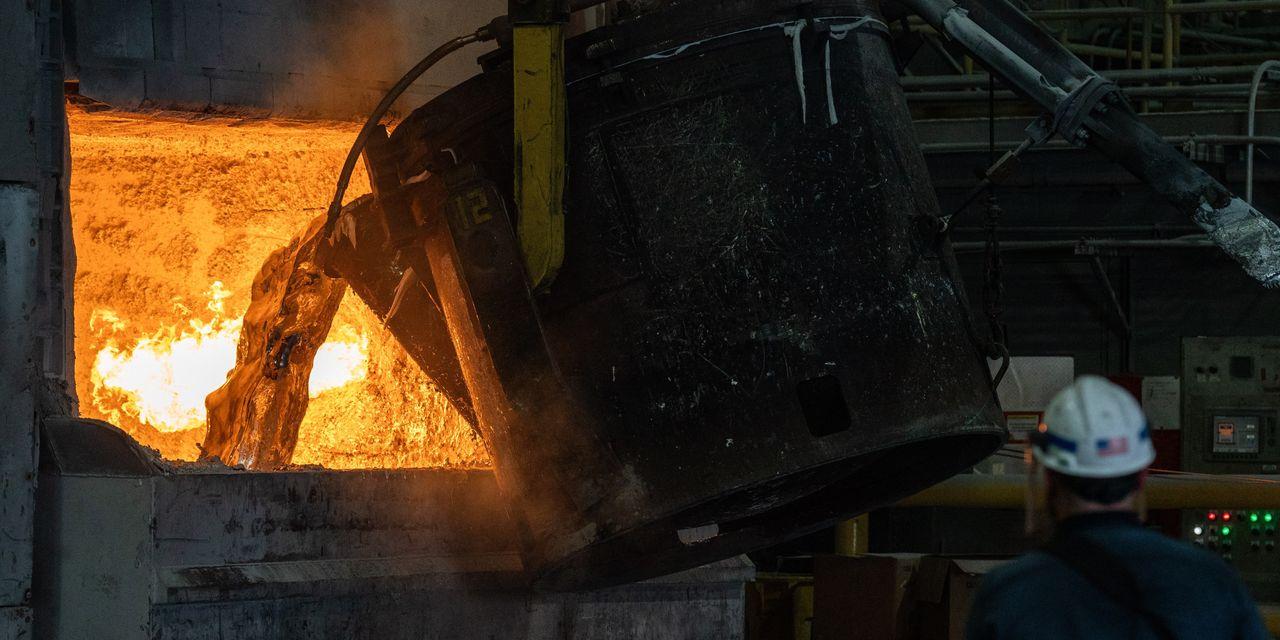
Brimstone and Century Aluminum Sign MoU for US Aluminium Supply Chain

- Domestic Aluminium Supply Chain: Brimstone and Century Aluminum have signed a memorandum of understanding aimed at establishing a 'mine to metal' aluminium supply chain in the US, with Brimstone supplying significant alumina quantities from its planned production facility, thereby enhancing national security.
- Reducing Import Dependence: This partnership seeks to bolster supply chain resilience and reduce reliance on imports, particularly as China accounts for 60% of global alumina and aluminium production, thus mitigating risks from international disruptions.
- Production Capacity Goals: Brimstone's demonstration plant in Reno, Nevada, is set to begin operations in 2028, with the first industrial-scale plant targeted for completion by 2034, expected to produce around 350,000 tons of smelter-grade alumina annually, significantly boosting US aluminium production capacity.
- Diversified Collaboration Expansion: Brimstone is also in discussions with additional customers and partners to expand its portfolio to include cement, steel, and other critical minerals, further solidifying its position within the aluminium supply chain.
See More
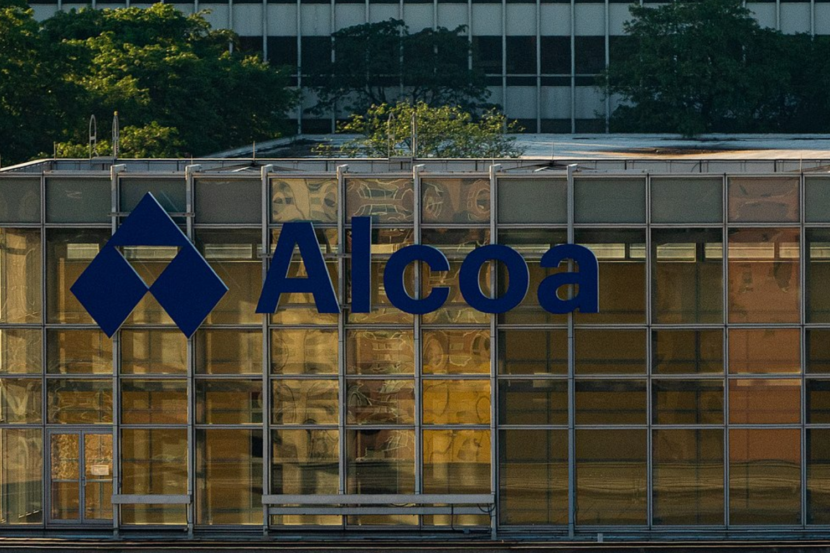
Aluminum Futures Drop Over 4% Amid Supply Concerns
- Aluminum Price Decline: Aluminum futures in London fell over 4%, hitting $3,226 per ton, reflecting the negative sentiment from declining global equities and pressure from expectations of recovering Middle Eastern supply.
- Geopolitical Risk Easing: Progress in U.S.-Iran peace talks has increased market expectations for the resumption of aluminum smelting in the Middle East, despite an 11% year-to-date price increase, the market faces dual pressures from demand restraint and rising supplies.
- Production Recovery Challenges: ING economists noted that aluminum production is under strain due to energy supply disruptions, and even if the war were to end immediately, restoring smelting capacity could take months and require significant investment.
- Stock Volatility: In pre-market trading, aluminum-related stocks saw significant declines, with Alcoa (AA) down 4.9% and Century Aluminum (CENX) down 4.1%, indicating the market's sensitivity to falling aluminum prices.
See More
Century Aluminum CEO to Present at Conference
- Conference Participation: Century Aluminum's CEO Jesse Gary will present and participate in a Q&A session at the Wells Fargo Industrials and Materials Conference on June 9, 2026, showcasing the company's leadership in the aluminum industry.
- Real-Time Webcast: The session will be available via a real-time audio webcast on the investor section of Century's website, ensuring that investors can stay updated on the company's latest developments and market insights.
- Market Outlook Assessment: Management will discuss assessments of the aluminum market and prices, including key raw material costs and supply conditions, which are crucial for the company's operational and financial performance.
- Future Development Plans: Century Aluminum will share updates on its new smelter project, including the potential to secure $500 million in DOE funding, which will support the company's expansion and profitability.
See More
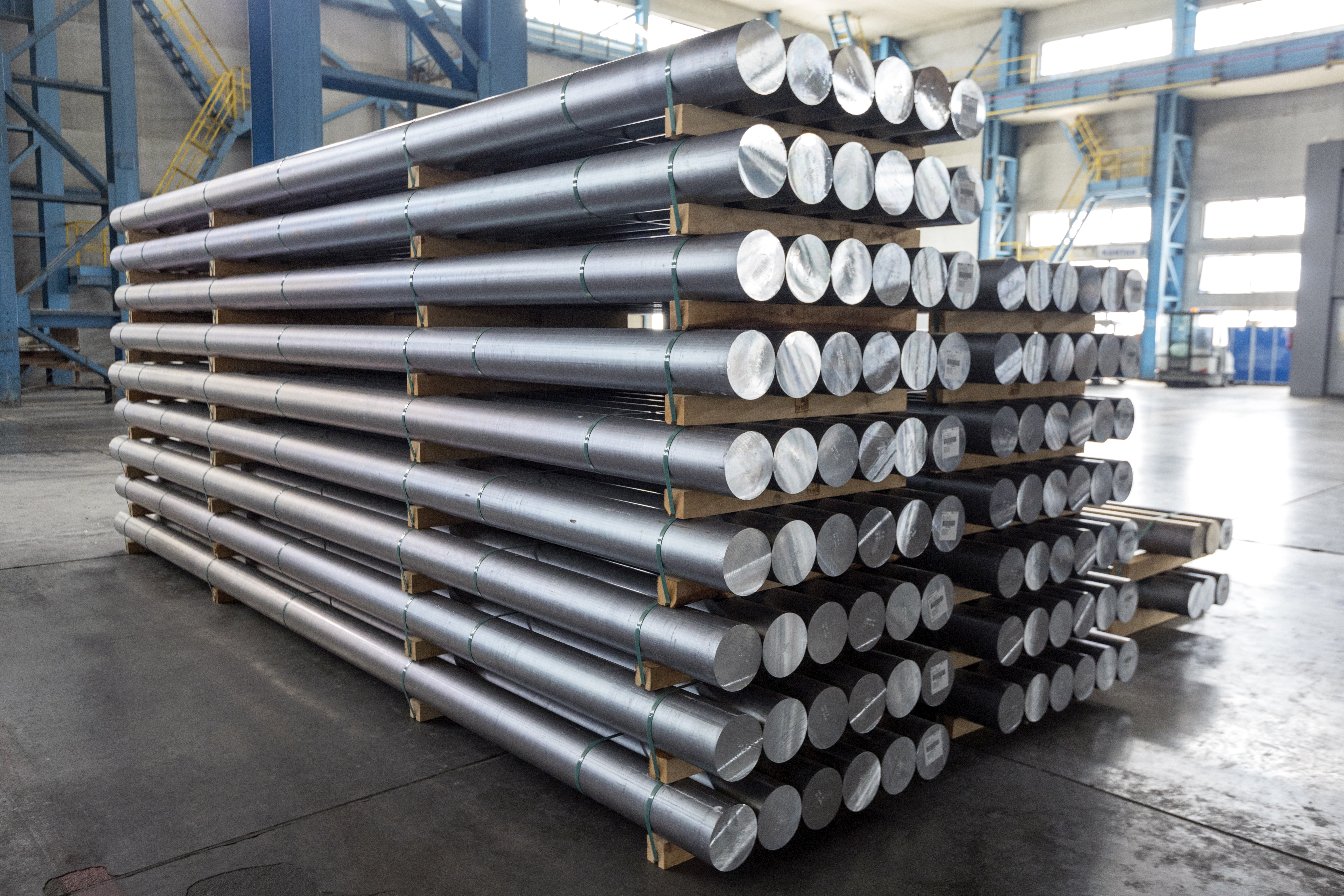
Oklahoma Attorney General Sues to Block Largest U.S. Aluminum Smelter
- Lawsuit Background: Oklahoma Attorney General Gentner Drummond filed a lawsuit on Tuesday seeking to block Emirates Global Aluminum and Century Aluminum from constructing a $4 billion aluminum smelter, warning that the project would cause significant pollution and threaten nearby communities and agriculture.
- Project Scale: The proposed smelter is set to produce over 750,000 metric tons of aluminum annually, marking it as the first major aluminum production facility built in the U.S. since 1980, highlighting its significance in the U.S. aluminum industry.
- Environmental Impact: Drummond alleges that the smelter would leach air and water pollutants that could
See More

Stock Market Hits New Highs, Led by AI and Metals


- Market Performance: The stock market has hit new highs, extending its winning streak, which indicates increased investor confidence in economic recovery, particularly driven by strong performances in technology and metals sectors.
- AI Sector Leadership: Stocks related to artificial intelligence have shown exceptional performance, driving the overall market upward, reflecting optimistic expectations for future developments in AI technology, which may attract more investor interest in this sector.
- Google Support Testing: Google's stock is testing support levels amid market volatility, with investors closely monitoring its performance to assess the company's stability and future growth potential in a highly competitive tech market.
- Palo Alto Earnings Beat: Palo Alto Networks reported earnings that exceeded market expectations, demonstrating robust growth in the cybersecurity sector, which could further enhance investor confidence in the company.
See More
Alcoa Shares Plunge Over 15% Amid Commodity Market Shifts
- Significant Stock Decline: Alcoa's shares fell over 15% in the past week, dropping from approximately $3,400 to below $3,200 per tonne, indicating market pressures due to expectations of the Strait of Hormuz reopening, which negatively impacts aluminum product companies.
- Market Impact: The closure of the Strait, which affects 9% of global aluminum production, limited smelter activities in the Gulf, causing raw material shortages that initially drove aluminum prices up; however, as the market anticipates a return to normal traffic, both aluminum prices and Alcoa's stock face downward pressure.
- Analyst Rating Adjustment: A Wells Fargo analyst lowered Alcoa's price target from $82 to $71 while maintaining an overweight rating, suggesting continued confidence in the company's future performance despite existing uncertainties in the market.
- Uncertain Industry Outlook: Although smelters in China and Indonesia have ramped up production, aluminum stocks remain significantly lower than at the beginning of the year, reflecting a cautious market sentiment regarding the recovery of the aluminum sector, necessitating close monitoring of future trends.
See More
Brimstone and Century Aluminum Sign MoU for US Aluminium Supply Chain
- Domestic Aluminium Supply Chain: Brimstone and Century Aluminum have signed a memorandum of understanding aimed at establishing a 'mine to metal' aluminium supply chain in the US, with Brimstone supplying significant alumina quantities from its planned production facility, thereby enhancing national security.
- Reducing Import Dependence: This partnership seeks to bolster supply chain resilience and reduce reliance on imports, particularly as China accounts for 60% of global alumina and aluminium production, thus mitigating risks from international disruptions.
- Production Capacity Goals: Brimstone's demonstration plant in Reno, Nevada, is set to begin operations in 2028, with the first industrial-scale plant targeted for completion by 2034, expected to produce around 350,000 tons of smelter-grade alumina annually, significantly boosting US aluminium production capacity.
- Diversified Collaboration Expansion: Brimstone is also in discussions with additional customers and partners to expand its portfolio to include cement, steel, and other critical minerals, further solidifying its position within the aluminium supply chain.
See More
Aluminum Futures Drop Over 4% Amid Supply Concerns
- Aluminum Price Decline: Aluminum futures in London fell over 4%, hitting $3,226 per ton, reflecting the negative sentiment from declining global equities and pressure from expectations of recovering Middle Eastern supply.
- Geopolitical Risk Easing: Progress in U.S.-Iran peace talks has increased market expectations for the resumption of aluminum smelting in the Middle East, despite an 11% year-to-date price increase, the market faces dual pressures from demand restraint and rising supplies.
- Production Recovery Challenges: ING economists noted that aluminum production is under strain due to energy supply disruptions, and even if the war were to end immediately, restoring smelting capacity could take months and require significant investment.
- Stock Volatility: In pre-market trading, aluminum-related stocks saw significant declines, with Alcoa (AA) down 4.9% and Century Aluminum (CENX) down 4.1%, indicating the market's sensitivity to falling aluminum prices.
See More
Century Aluminum CEO to Present at Conference
- Conference Participation: Century Aluminum's CEO Jesse Gary will present and participate in a Q&A session at the Wells Fargo Industrials and Materials Conference on June 9, 2026, showcasing the company's leadership in the aluminum industry.
- Real-Time Webcast: The session will be available via a real-time audio webcast on the investor section of Century's website, ensuring that investors can stay updated on the company's latest developments and market insights.
- Market Outlook Assessment: Management will discuss assessments of the aluminum market and prices, including key raw material costs and supply conditions, which are crucial for the company's operational and financial performance.
- Future Development Plans: Century Aluminum will share updates on its new smelter project, including the potential to secure $500 million in DOE funding, which will support the company's expansion and profitability.
See More
Oklahoma Attorney General Sues to Block Largest U.S. Aluminum Smelter
- Lawsuit Background: Oklahoma Attorney General Gentner Drummond filed a lawsuit on Tuesday seeking to block Emirates Global Aluminum and Century Aluminum from constructing a $4 billion aluminum smelter, warning that the project would cause significant pollution and threaten nearby communities and agriculture.
- Project Scale: The proposed smelter is set to produce over 750,000 metric tons of aluminum annually, marking it as the first major aluminum production facility built in the U.S. since 1980, highlighting its significance in the U.S. aluminum industry.
- Environmental Impact: Drummond alleges that the smelter would leach air and water pollutants that could
See More
Stock Market Hits New Highs, Led by AI and Metals
- Market Performance: The stock market has hit new highs, extending its winning streak, which indicates increased investor confidence in economic recovery, particularly driven by strong performances in technology and metals sectors.
- AI Sector Leadership: Stocks related to artificial intelligence have shown exceptional performance, driving the overall market upward, reflecting optimistic expectations for future developments in AI technology, which may attract more investor interest in this sector.
- Google Support Testing: Google's stock is testing support levels amid market volatility, with investors closely monitoring its performance to assess the company's stability and future growth potential in a highly competitive tech market.
- Palo Alto Earnings Beat: Palo Alto Networks reported earnings that exceeded market expectations, demonstrating robust growth in the cybersecurity sector, which could further enhance investor confidence in the company.
See More