Carnival Corp's Princess Cruises Signs New Shipbuilding Agreements
Carnival Corp's stock rose by 9.36% as it crossed above the 5-day SMA, reflecting positive market conditions.
The catalyst for this movement is Princess Cruises signing agreements with Fincantieri for three new cruise ships, scheduled for delivery in 2035, 2038, and 2039. This deal enhances the brand's status in the cruise market and aligns with sustainability goals through the implementation of dual-fuel propulsion systems. The new ships are designed to attract younger travelers, indicating a strategic response to market demand and a commitment to environmental stewardship.
This development not only strengthens Carnival's competitive edge but also signals a robust recovery in the cruise industry, which is poised for growth as consumer enthusiasm rises.
Trade with 70% Backtested Accuracy
Analyst Views on CCL

About CCL
About the author

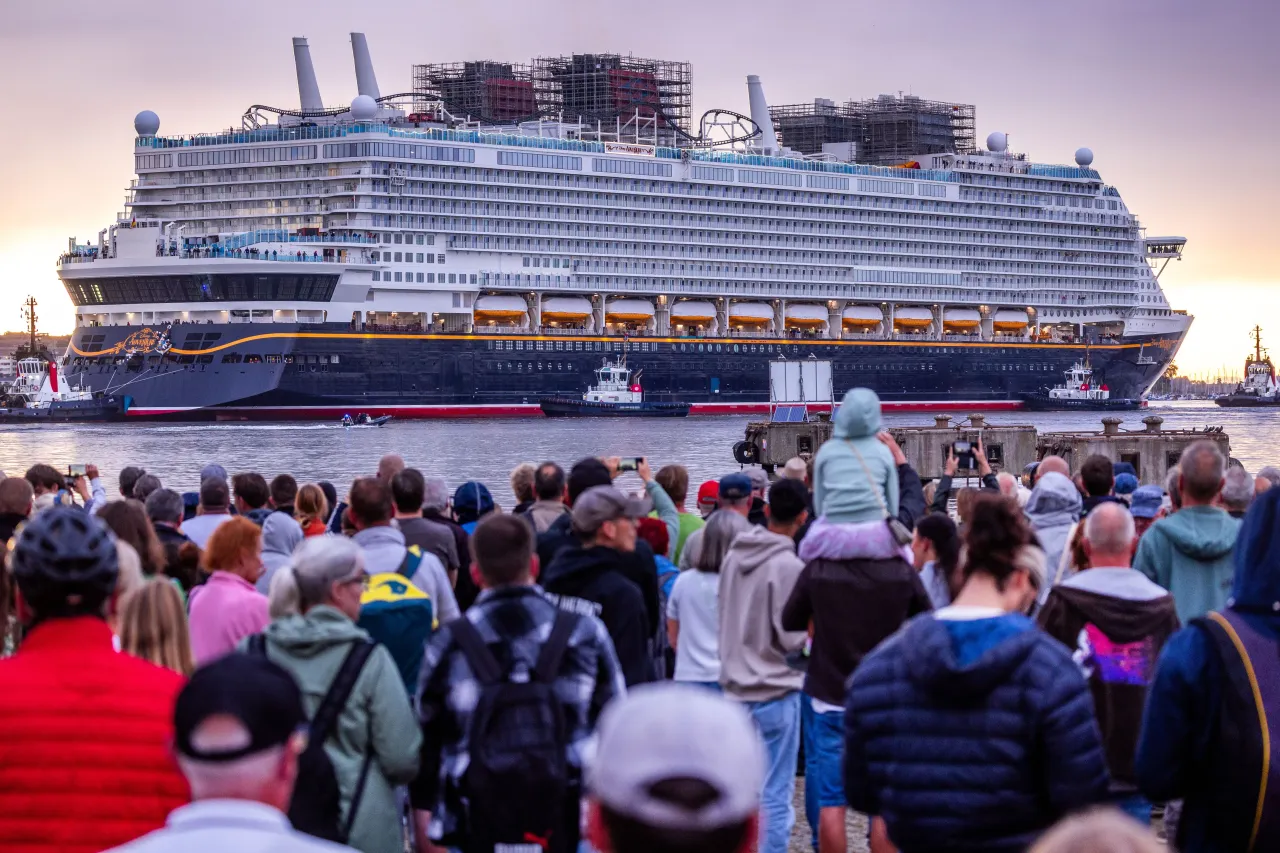
Hantavirus Outbreak on Cruise Ship Raises Investor Concerns
- Outbreak Overview: The World Health Organization (WHO) reported that a hantavirus outbreak on the MV Hondius cruise ship resulted in three deaths, with acute respiratory symptoms developing among 147 passengers between April 6 and 28, initially presenting as fever and gastrointestinal distress, escalating rapidly to pneumonia and respiratory failure in severe cases, highlighting the outbreak's severity.
- Market Reaction: Although the CDC classified the hantavirus outbreak as a low-level Level 3 emergency response, investor sentiment was negatively impacted, with stocks of Carnival, Norwegian Cruise Line, and Royal Caribbean declining by up to 1% overnight, reflecting the travel sector's sensitivity to health scares.
- Industry Impact: The cruise industry, having partially recovered from the COVID-19 pandemic, still grapples with high debt and margin pressures, particularly as NCLH's stock has plunged nearly 40% over the past five years, while RCL has excelled with over 233% returns in the same period.
- Future Outlook: NCLH warned last week that softer travel demand and geopolitical uncertainties are weighing on bookings in key markets, prompting additional cost-cutting measures to stabilize profits, indicating the fragility of the industry's recovery.
Carnival Corporation Completes Dual Listing Structure Unification
- Completion of Unification: Carnival Corporation announced the completion of its dual listing structure unification, with Carnival plc becoming a UK subsidiary of Carnival Corporation Ltd., which is expected to streamline governance and reporting processes while reducing administrative costs and enhancing operational efficiency.
- Jurisdiction Migration: The company has migrated its jurisdiction of incorporation from Panama to Bermuda and changed its name to Carnival Corporation Ltd., a move anticipated to increase liquidity and weighting in major U.S. stock indexes, thereby enhancing shareholder value.
- Shareholder Rights Protection: During the unification and migration process, shareholders of Carnival Corporation will receive the same number of common shares of Carnival Corporation Ltd. as they held in Carnival plc, ensuring that shareholder rights are preserved throughout the transition.
- Significant Market Impact: Following the completion of these transactions, Carnival plc's securities were delisted from both the London Stock Exchange and the NYSE, marking a strategic shift towards enhancing the company's competitiveness and influence in the global market.
Carnival Corporation Completes Dual Listing Structure Unification
- Completion of Unification: Carnival Corporation has announced the completion of its dual listing structure unification, with Carnival plc becoming its UK subsidiary, which signifies streamlined governance and reporting processes, expected to enhance governance efficiency and transparency.
- Jurisdiction Migration: The company has migrated its jurisdiction of incorporation from Panama to Bermuda, along with a name change to 'Carnival Corporation Ltd.', which is anticipated to reduce administrative costs and enhance liquidity, increasing its weighting in major U.S. stock indexes.
- Shareholder Rights Protection: All Carnival plc shareholders will receive common shares of Carnival Corporation Ltd. on a one-for-one basis, ensuring that shareholder rights are preserved while laying a foundation for future capital operations and boosting market confidence.
- Expected Market Impact: This transaction is expected to enhance the company's liquidity on the New York Stock Exchange, further solidifying its position as the largest global cruise company and driving long-term shareholder value growth.

US Stocks Surge as Tech Stocks Lead Gains

- Tech Stocks Rally: The Nasdaq 100 surged 2.08% to reach an all-time high on Wednesday, driven by stellar earnings from chipmakers and AI infrastructure firms, particularly Advanced Micro Devices, which rose over 17% as it raised its full-year sales forecast, reflecting strong investor optimism about ongoing AI investments.
- Crude Oil Plunge: WTI crude oil prices fell more than 7% to a two-week low as market expectations for a US-Iran peace agreement increased, easing inflation fears and contributing to stock market gains, with the 10-year Treasury yield dropping to a one-week low of 4.33%.
- Employment Data Impact: The April ADP employment report indicated that US companies added 109,000 jobs, below the expected 120,000, yet the market remains optimistic about the Fed's monetary policy, believing it will help maintain a low interest rate environment.
- International Market Surge: Overseas stock markets closed sharply higher, with the Euro Stoxx 50 rising 2.68% and China's Shanghai Composite gaining 1.17%, indicating a positive global market response to the US economic recovery, further boosting investor confidence.
Holland America Line's Oosterdam Upgrades Set for December 2027
- Inaugural Sailing Schedule: Holland America Line is now accepting bookings for Oosterdam's inaugural voyages, set to launch on December 2, 2027, featuring eight itineraries and 15 departure dates, representing the largest fleet investment in the company's 153-year history.
- Cabin Innovations: Oosterdam will introduce new stateroom and suite categories, including purpose-built Solo Verandahs designed for solo travelers, offering private balconies and dedicated workspaces, aimed at enhancing guest experience and attracting more solo travelers.
- New Venue Launch: The newly introduced Grand Dutch Café will provide guests with an all-day gathering place inspired by European café culture, enhancing onboard social experiences while improving overall service quality.
- Diverse Itineraries: Oosterdam will offer nine- and twelve-day Caribbean itineraries during the winter 2027/2028 season, combining new amenities with tropical destinations, aimed at enhancing passenger vacation experiences and increasing market competitiveness.
Holland America Line's Oosterdam to Debut Upgrades in December 2027
- Inaugural Sailing Schedule: Holland America Line's Oosterdam is set to debut on December 2, 2027, with a 7-day Western Mediterranean itinerary that includes Spain, Portugal, and Morocco, marking the start of the company's largest fleet investment in its history.
- Cabin Innovations: Oosterdam introduces dedicated Solo Verandahs and Bridgeview Suites, offering private balconies and stunning ocean views, designed to meet the needs of modern travelers, thereby enhancing customer experience and strengthening market competitiveness.
- New Dining Experience: The addition of Grand Dutch Café provides an all-day venue for coffee and small plates inspired by European café culture, aiming to create a comfortable social environment for guests, further enhancing the overall onboard experience.
- Diverse Itinerary Options: Oosterdam will offer various Caribbean itineraries during the winter 2027/2028 season, including 9-day and 12-day trips that combine new amenities with tropical destinations, aimed at attracting more tourists and improving customer satisfaction.
Hantavirus Outbreak on Cruise Ship Raises Investor Concerns
- Outbreak Overview: The World Health Organization (WHO) reported that a hantavirus outbreak on the MV Hondius cruise ship resulted in three deaths, with acute respiratory symptoms developing among 147 passengers between April 6 and 28, initially presenting as fever and gastrointestinal distress, escalating rapidly to pneumonia and respiratory failure in severe cases, highlighting the outbreak's severity.
- Market Reaction: Although the CDC classified the hantavirus outbreak as a low-level Level 3 emergency response, investor sentiment was negatively impacted, with stocks of Carnival, Norwegian Cruise Line, and Royal Caribbean declining by up to 1% overnight, reflecting the travel sector's sensitivity to health scares.
- Industry Impact: The cruise industry, having partially recovered from the COVID-19 pandemic, still grapples with high debt and margin pressures, particularly as NCLH's stock has plunged nearly 40% over the past five years, while RCL has excelled with over 233% returns in the same period.
- Future Outlook: NCLH warned last week that softer travel demand and geopolitical uncertainties are weighing on bookings in key markets, prompting additional cost-cutting measures to stabilize profits, indicating the fragility of the industry's recovery.
Carnival Corporation Completes Dual Listing Structure Unification
- Completion of Unification: Carnival Corporation announced the completion of its dual listing structure unification, with Carnival plc becoming a UK subsidiary of Carnival Corporation Ltd., which is expected to streamline governance and reporting processes while reducing administrative costs and enhancing operational efficiency.
- Jurisdiction Migration: The company has migrated its jurisdiction of incorporation from Panama to Bermuda and changed its name to Carnival Corporation Ltd., a move anticipated to increase liquidity and weighting in major U.S. stock indexes, thereby enhancing shareholder value.
- Shareholder Rights Protection: During the unification and migration process, shareholders of Carnival Corporation will receive the same number of common shares of Carnival Corporation Ltd. as they held in Carnival plc, ensuring that shareholder rights are preserved throughout the transition.
- Significant Market Impact: Following the completion of these transactions, Carnival plc's securities were delisted from both the London Stock Exchange and the NYSE, marking a strategic shift towards enhancing the company's competitiveness and influence in the global market.
Carnival Corporation Completes Dual Listing Structure Unification
- Completion of Unification: Carnival Corporation has announced the completion of its dual listing structure unification, with Carnival plc becoming its UK subsidiary, which signifies streamlined governance and reporting processes, expected to enhance governance efficiency and transparency.
- Jurisdiction Migration: The company has migrated its jurisdiction of incorporation from Panama to Bermuda, along with a name change to 'Carnival Corporation Ltd.', which is anticipated to reduce administrative costs and enhance liquidity, increasing its weighting in major U.S. stock indexes.
- Shareholder Rights Protection: All Carnival plc shareholders will receive common shares of Carnival Corporation Ltd. on a one-for-one basis, ensuring that shareholder rights are preserved while laying a foundation for future capital operations and boosting market confidence.
- Expected Market Impact: This transaction is expected to enhance the company's liquidity on the New York Stock Exchange, further solidifying its position as the largest global cruise company and driving long-term shareholder value growth.
US Stocks Surge as Tech Stocks Lead Gains
- Tech Stocks Rally: The Nasdaq 100 surged 2.08% to reach an all-time high on Wednesday, driven by stellar earnings from chipmakers and AI infrastructure firms, particularly Advanced Micro Devices, which rose over 17% as it raised its full-year sales forecast, reflecting strong investor optimism about ongoing AI investments.
- Crude Oil Plunge: WTI crude oil prices fell more than 7% to a two-week low as market expectations for a US-Iran peace agreement increased, easing inflation fears and contributing to stock market gains, with the 10-year Treasury yield dropping to a one-week low of 4.33%.
- Employment Data Impact: The April ADP employment report indicated that US companies added 109,000 jobs, below the expected 120,000, yet the market remains optimistic about the Fed's monetary policy, believing it will help maintain a low interest rate environment.
- International Market Surge: Overseas stock markets closed sharply higher, with the Euro Stoxx 50 rising 2.68% and China's Shanghai Composite gaining 1.17%, indicating a positive global market response to the US economic recovery, further boosting investor confidence.
Holland America Line's Oosterdam Upgrades Set for December 2027
- Inaugural Sailing Schedule: Holland America Line is now accepting bookings for Oosterdam's inaugural voyages, set to launch on December 2, 2027, featuring eight itineraries and 15 departure dates, representing the largest fleet investment in the company's 153-year history.
- Cabin Innovations: Oosterdam will introduce new stateroom and suite categories, including purpose-built Solo Verandahs designed for solo travelers, offering private balconies and dedicated workspaces, aimed at enhancing guest experience and attracting more solo travelers.
- New Venue Launch: The newly introduced Grand Dutch Café will provide guests with an all-day gathering place inspired by European café culture, enhancing onboard social experiences while improving overall service quality.
- Diverse Itineraries: Oosterdam will offer nine- and twelve-day Caribbean itineraries during the winter 2027/2028 season, combining new amenities with tropical destinations, aimed at enhancing passenger vacation experiences and increasing market competitiveness.
Holland America Line's Oosterdam to Debut Upgrades in December 2027
- Inaugural Sailing Schedule: Holland America Line's Oosterdam is set to debut on December 2, 2027, with a 7-day Western Mediterranean itinerary that includes Spain, Portugal, and Morocco, marking the start of the company's largest fleet investment in its history.
- Cabin Innovations: Oosterdam introduces dedicated Solo Verandahs and Bridgeview Suites, offering private balconies and stunning ocean views, designed to meet the needs of modern travelers, thereby enhancing customer experience and strengthening market competitiveness.
- New Dining Experience: The addition of Grand Dutch Café provides an all-day venue for coffee and small plates inspired by European café culture, aiming to create a comfortable social environment for guests, further enhancing the overall onboard experience.
- Diverse Itinerary Options: Oosterdam will offer various Caribbean itineraries during the winter 2027/2028 season, including 9-day and 12-day trips that combine new amenities with tropical destinations, aimed at attracting more tourists and improving customer satisfaction.