Capital One Faces Legal Investigation Amid Earnings Miss
Capital One Financial Corp's stock fell 3.04% as it hit a 20-day low, reflecting ongoing investor concerns.
The decline follows a disappointing earnings report where Capital One reported Q4 2025 earnings of $3.86 per share, missing analyst expectations of $4.14. Additionally, the company's efficiency ratio of 60% fell short of market expectations, raising alarms about its cost management. Compounding these issues, Pomerantz LLP has initiated an investigation into potential securities fraud, which could further undermine investor confidence and the company's reputation.
These developments suggest a challenging environment for Capital One, as the combination of missed earnings expectations and legal scrutiny may lead to increased volatility in its stock price.
Trade with 70% Backtested Accuracy
Analyst Views on COF

About COF
About the author


Argosy Investors Review Q1 2026 Amid AI Market Shift


- Market Concentration Challenges: In Q1 2026, the S&P 500 fell by 4.3% and the Nasdaq-100 dropped by 5.8%, indicating a negative impact on investor sentiment due to AI-driven market concentration, which led to a rotation towards AI-related stocks and affected overall market performance.
- New Investment Positions: During this challenging period, Argosy Investors initiated positions in Capital One Financial and Pool in Q1 2026, reflecting confidence in the growth potential of these companies despite the unfavorable overall market environment.
- Exit Strategy: Argosy fully exited positions in Endava, Hovnanian Enterprises, Dream Finders Homes, GoDaddy, and Coca-Cola FEMSA in the first quarter, indicating a cautious outlook on these companies and a strategy to reduce risk while optimizing their investment portfolio.
- Future Outlook: Despite facing market volatility, Argosy continues to seek new investment opportunities, particularly in the AI sector, aiming to achieve better returns during future market recoveries.

Jim Cramer Recommends Four Stocks for New Investors


- Diversification Strategy: Jim Cramer emphasized the need for diversification even as artificial intelligence dominates the market, ensuring long-term stability in investment portfolios to mitigate risks associated with single-theme investments.
- Stock Recommendations: Cramer recommended four stocks for new members to buy, including Alphabet, Amazon, Apple, and Nvidia, all of which demonstrate strong growth potential, particularly in their AI-related businesses.
- Market Outlook: Despite challenges faced by Meta and Microsoft, Cramer remains cautiously optimistic about their future performance, suggesting that these companies could achieve breakthroughs in the evolving AI landscape.
- Emerging Investment Opportunities: Stocks like Arm Holdings and Broadcom are showing strong performance, particularly in the data center and AI chip sectors, reflecting robust market demand for related technologies, making them worth watching for long-term growth potential.

Market Performance Review Since Last CNBC Investing Club Meeting


- Overall Market Performance: Since the April 16 meeting, the S&P 500 has risen by 6.7% and the Nasdaq by 10.6%, indicating a strong market rebound and significantly boosting investor confidence in equities.
- Outstanding Performance by Arm: Arm's stock surged 97.9% since our position initiation, driven by robust demand expectations for CPUs, particularly in the AI sector, with projected revenues of $20 billion this year greatly enhancing its royalty business.
- Cybersecurity Stocks Rebound: CrowdStrike and Palo Alto Networks saw increases of 60.6% and 53.8%, respectively, and despite ZScaler's negative impact, the market remains optimistic about their growth prospects, with price targets raised by multiple Wall Street firms.
- Underperformance of Meta and Home Depot: Meta's stock fell 9.5% primarily due to investor concerns over its spending on generative AI, while Home Depot dropped 7.9% as high mortgage rates dampened growth expectations, reflecting a lack of confidence in their future performance.

Capital One Reshapes Business Model with Discover Acquisition
- Acquisition Context: Capital One dramatically alters its business model by acquiring payment processor Discover, which is expected to provide a more stable revenue stream through payment processing, thereby offering a more reliable business foundation, particularly during economic downturns.
- Cost Savings Target: Capital One aims to cut approximately 25% of Discover's operating expenses and 10% of its marketing expenses through the integration of Discover's credit card business, with an anticipated $1.5 billion in savings expected to enhance profitability by the second half of 2027.
- Customer Impact: Starting in July 2026, Capital One will begin migrating Discover credit cards to its back-office platform; while major customer benefits are expected to remain unchanged, the requirement for customers to set up new accounts may affect customer loyalty.
- Revenue Growth Potential: Capital One anticipates achieving at least $2.5 billion in synergies from cost-cutting and revenue enhancement by mid-2027, with management targeting a roughly 15% boost to adjusted earnings by 2027.

Capital One Acquires Discover, Enters Transaction Processing Market
- Business Model Shift: Capital One's acquisition of payment processor Discover dramatically alters its business model by entering the transaction processing space, which is expected to provide a more stable revenue stream, particularly during economic downturns.
- Synergy Realization: By 2027, Capital One aims to achieve up to $2.7 billion in synergies from the integration of Discover's credit card business, with approximately $1.5 billion expected from cost savings through back-office migration, enhancing overall profitability.
- Customer Impact: Starting July 2026, Capital One will begin migrating Discover cards to its back-office platform; while major customer benefits are expected to remain unchanged, users will need to set up new accounts, potentially affecting customer loyalty.
- Profit Outlook: Management targets a roughly 15% boost to adjusted earnings by 2027, and despite a 20% decline in Capital One's stock in 2026, shareholders may be pleased with the integration progress.
Friday Market Watch: Earnings Reports and Stock Movements


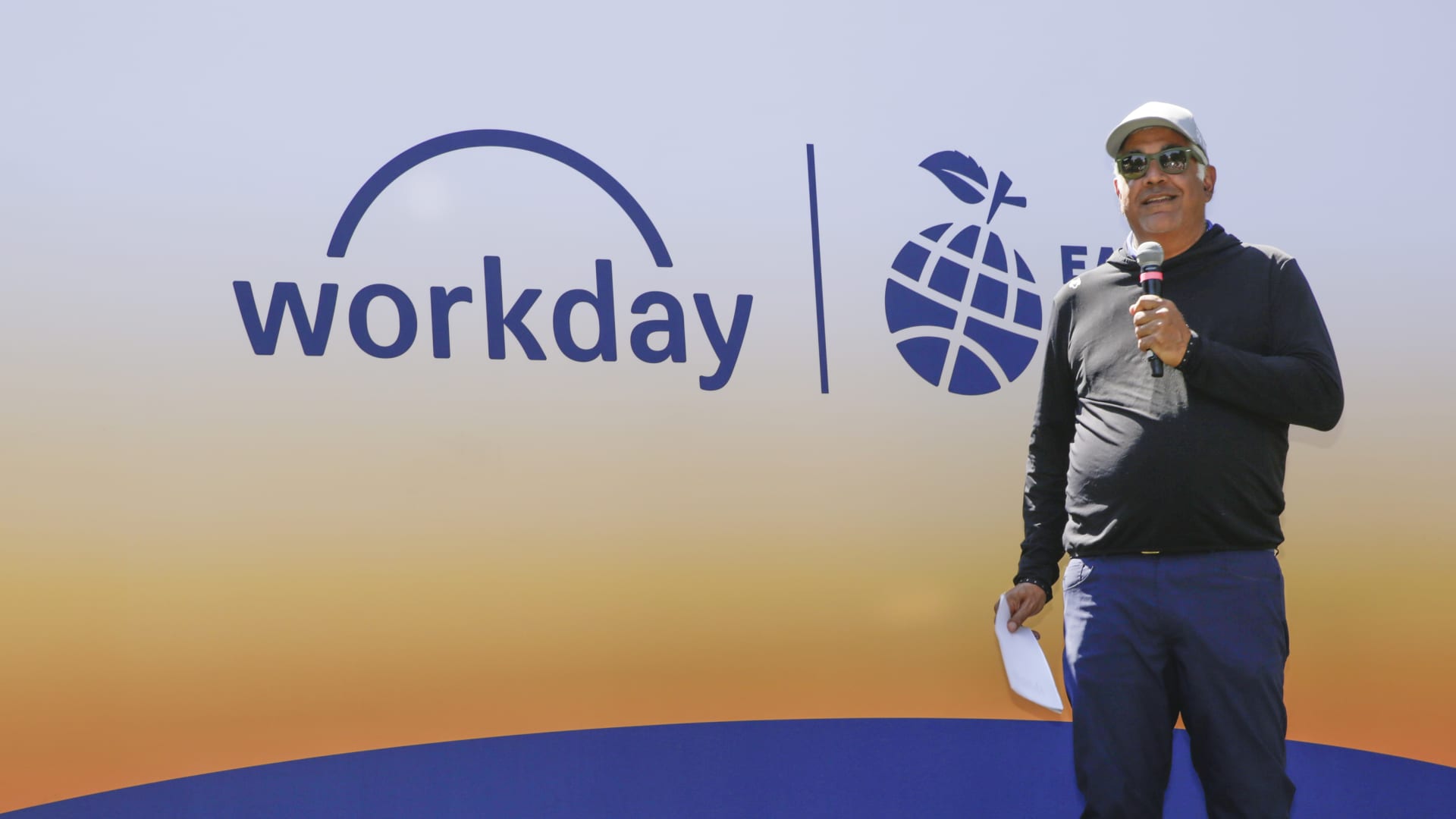
- Workday Earnings Beat: Workday reported earnings that exceeded expectations on both revenue and profit, leading to a stock price increase of over 7%, while also raising its full-year margin outlook, indicating the effectiveness of its AI strategy and potentially attracting more investor interest.
- Deckers Sales Growth: Deckers Outdoor reported a 14.5% increase in Hoka sales and a 9.2% increase in Ugg sales, although its stock fell about 2.5%, the company provided full-year guidance above Wall Street expectations, indicating strong market demand.
- Take-Two Stock Rally: Take-Two Interactive shares rose over 3% after reaffirming that Grand Theft Auto VI will be released in November, despite facing multiple delays, this news may restore market confidence in its future revenues.
- Zoom Guidance Raised: Zoom Communication's earnings beat expectations, with a stock price increase of over 7% and an upgraded full-year guidance, leading KeyBanc to raise its rating from sell to hold, reflecting improved profitability and steady market performance.
Argosy Investors Review Q1 2026 Amid AI Market Shift
- Market Concentration Challenges: In Q1 2026, the S&P 500 fell by 4.3% and the Nasdaq-100 dropped by 5.8%, indicating a negative impact on investor sentiment due to AI-driven market concentration, which led to a rotation towards AI-related stocks and affected overall market performance.
- New Investment Positions: During this challenging period, Argosy Investors initiated positions in Capital One Financial and Pool in Q1 2026, reflecting confidence in the growth potential of these companies despite the unfavorable overall market environment.
- Exit Strategy: Argosy fully exited positions in Endava, Hovnanian Enterprises, Dream Finders Homes, GoDaddy, and Coca-Cola FEMSA in the first quarter, indicating a cautious outlook on these companies and a strategy to reduce risk while optimizing their investment portfolio.
- Future Outlook: Despite facing market volatility, Argosy continues to seek new investment opportunities, particularly in the AI sector, aiming to achieve better returns during future market recoveries.
Jim Cramer Recommends Four Stocks for New Investors
- Diversification Strategy: Jim Cramer emphasized the need for diversification even as artificial intelligence dominates the market, ensuring long-term stability in investment portfolios to mitigate risks associated with single-theme investments.
- Stock Recommendations: Cramer recommended four stocks for new members to buy, including Alphabet, Amazon, Apple, and Nvidia, all of which demonstrate strong growth potential, particularly in their AI-related businesses.
- Market Outlook: Despite challenges faced by Meta and Microsoft, Cramer remains cautiously optimistic about their future performance, suggesting that these companies could achieve breakthroughs in the evolving AI landscape.
- Emerging Investment Opportunities: Stocks like Arm Holdings and Broadcom are showing strong performance, particularly in the data center and AI chip sectors, reflecting robust market demand for related technologies, making them worth watching for long-term growth potential.
Market Performance Review Since Last CNBC Investing Club Meeting
- Overall Market Performance: Since the April 16 meeting, the S&P 500 has risen by 6.7% and the Nasdaq by 10.6%, indicating a strong market rebound and significantly boosting investor confidence in equities.
- Outstanding Performance by Arm: Arm's stock surged 97.9% since our position initiation, driven by robust demand expectations for CPUs, particularly in the AI sector, with projected revenues of $20 billion this year greatly enhancing its royalty business.
- Cybersecurity Stocks Rebound: CrowdStrike and Palo Alto Networks saw increases of 60.6% and 53.8%, respectively, and despite ZScaler's negative impact, the market remains optimistic about their growth prospects, with price targets raised by multiple Wall Street firms.
- Underperformance of Meta and Home Depot: Meta's stock fell 9.5% primarily due to investor concerns over its spending on generative AI, while Home Depot dropped 7.9% as high mortgage rates dampened growth expectations, reflecting a lack of confidence in their future performance.
Capital One Reshapes Business Model with Discover Acquisition
- Acquisition Context: Capital One dramatically alters its business model by acquiring payment processor Discover, which is expected to provide a more stable revenue stream through payment processing, thereby offering a more reliable business foundation, particularly during economic downturns.
- Cost Savings Target: Capital One aims to cut approximately 25% of Discover's operating expenses and 10% of its marketing expenses through the integration of Discover's credit card business, with an anticipated $1.5 billion in savings expected to enhance profitability by the second half of 2027.
- Customer Impact: Starting in July 2026, Capital One will begin migrating Discover credit cards to its back-office platform; while major customer benefits are expected to remain unchanged, the requirement for customers to set up new accounts may affect customer loyalty.
- Revenue Growth Potential: Capital One anticipates achieving at least $2.5 billion in synergies from cost-cutting and revenue enhancement by mid-2027, with management targeting a roughly 15% boost to adjusted earnings by 2027.
Capital One Acquires Discover, Enters Transaction Processing Market
- Business Model Shift: Capital One's acquisition of payment processor Discover dramatically alters its business model by entering the transaction processing space, which is expected to provide a more stable revenue stream, particularly during economic downturns.
- Synergy Realization: By 2027, Capital One aims to achieve up to $2.7 billion in synergies from the integration of Discover's credit card business, with approximately $1.5 billion expected from cost savings through back-office migration, enhancing overall profitability.
- Customer Impact: Starting July 2026, Capital One will begin migrating Discover cards to its back-office platform; while major customer benefits are expected to remain unchanged, users will need to set up new accounts, potentially affecting customer loyalty.
- Profit Outlook: Management targets a roughly 15% boost to adjusted earnings by 2027, and despite a 20% decline in Capital One's stock in 2026, shareholders may be pleased with the integration progress.
Friday Market Watch: Earnings Reports and Stock Movements
- Workday Earnings Beat: Workday reported earnings that exceeded expectations on both revenue and profit, leading to a stock price increase of over 7%, while also raising its full-year margin outlook, indicating the effectiveness of its AI strategy and potentially attracting more investor interest.
- Deckers Sales Growth: Deckers Outdoor reported a 14.5% increase in Hoka sales and a 9.2% increase in Ugg sales, although its stock fell about 2.5%, the company provided full-year guidance above Wall Street expectations, indicating strong market demand.
- Take-Two Stock Rally: Take-Two Interactive shares rose over 3% after reaffirming that Grand Theft Auto VI will be released in November, despite facing multiple delays, this news may restore market confidence in its future revenues.
- Zoom Guidance Raised: Zoom Communication's earnings beat expectations, with a stock price increase of over 7% and an upgraded full-year guidance, leading KeyBanc to raise its rating from sell to hold, reflecting improved profitability and steady market performance.