Canadian Natural Resources anticipates oil price crash in 2026
Canadian Natural Resources Ltd's stock fell by 5.94% as it hit a 5-day low amid broader market strength, with the Nasdaq-100 up 1.01% and the S&P 500 up 0.49%.
The decline is attributed to the company's anticipation of a significant drop in oil prices in 2026, driven by advancements in AI technologies that enhance production efficiency. This outlook suggests potential short-term pressures on stock prices, despite the company's strong historical dividend growth and cost advantages.
Investors may need to consider the implications of this forecast, as the company has historically navigated downturns effectively, but the anticipated oil price crash could challenge its stock performance in the near term.
Trade with 70% Backtested Accuracy
Analyst Views on CNQ

About CNQ
About the author


High Net Worth Investors Navigate Market Volatility Amid Geopolitical Tensions

- Cash is King: R360's ultra-high net worth investors are currently holding up to 30% in cash and short-duration debt, reflecting a strategy to maintain liquidity amidst market volatility, emphasizing a long-term investment philosophy.
- Treasury Market Opportunities: With the 10-year Treasury yield rising to 4.3%, high net worth investors are showing strong interest in intermediate fixed income products, indicating an increasing demand for stable returns in the current interest rate environment.
- Tech Stock Buying Opportunities: Sameer Samana from Wells Fargo notes that the sharp pullback in equities has created opportunities for high net worth investors to buy tech stocks at more reasonable valuations, particularly in the software and hardware sectors, reflecting confidence in future growth potential.
- Energy and Commodity Investments: Charlie Garcia from R360 states that investors have shifted 40% of their new money into energy and commodities, particularly Canadian Natural Resources and major oil companies, signaling a long-term bullish outlook on the energy market despite potential short-term oil price fluctuations.
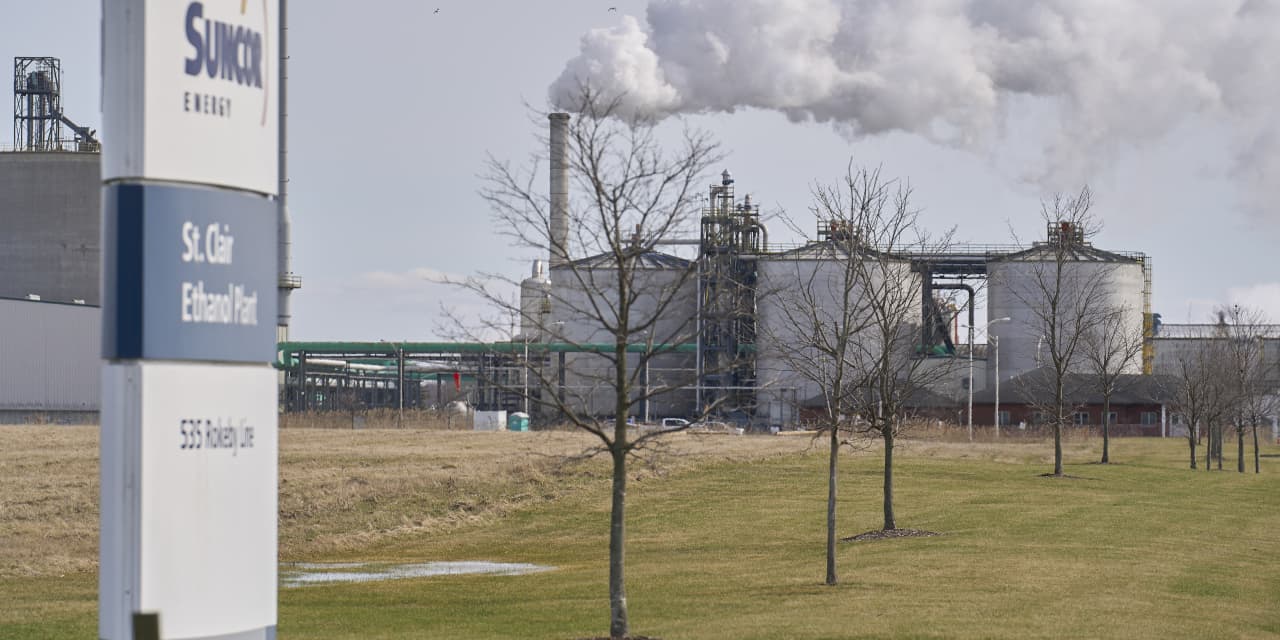
While the World Fears Oil Shortages, Canada Seizes the Moment.
Opportunity in Global Energy Markets: Canada is seizing an unexpected chance to increase its presence in global energy markets due to the ongoing war in Iran.
Impact of the War in Iran: The conflict has created a shift in energy dynamics, allowing Canada to potentially fill the gap left by Iranian energy exports.
Strategic Positioning: Canada aims to leverage this situation to enhance its energy exports and strengthen its economic position on the world stage.
Future Prospects: The developments in Iran may lead to long-term changes in energy supply chains, benefiting Canadian energy producers.
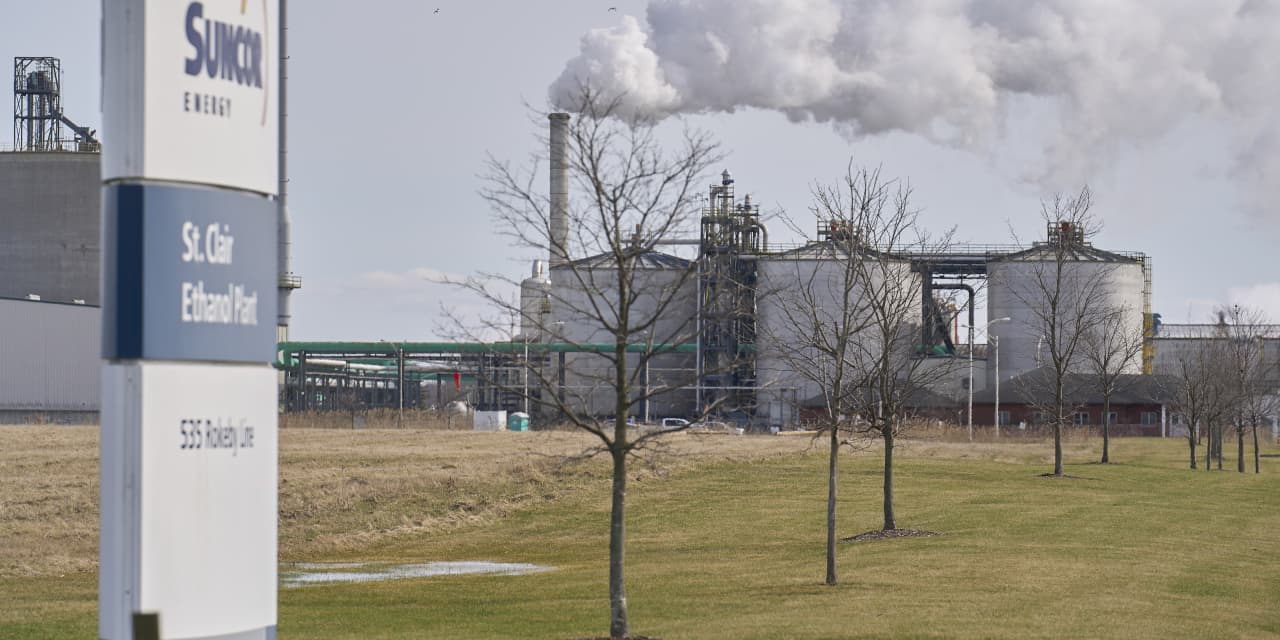
Canada Can Benefit from the Energy Shock: Suncor Stock and Three Other Success Stories.

Opportunity in Global Energy Markets: Canada is seizing an unexpected chance to increase its presence in global energy markets due to the ongoing war in Iran.
Impact of the War in Iran: The conflict has created a shift in energy dynamics, allowing Canada to potentially fill gaps left by other countries affected by the war.

Oil Price Volatility Impacts Three Major Oil Stocks


- Oil Price Volatility: Oil prices have been highly volatile since Israel and the U.S. launched military strikes against Iran, recently surging due to attacks on oil tankers and energy infrastructure, highlighting the direct impact of geopolitical tensions on the oil market.
- Earnings Growth Potential: For instance, a $1 increase in oil prices can boost Chevron's annual earnings and cash flow by $600 million, while ConocoPhillips sees an increase of over $100 million, indicating significant profitability enhancement amid rising crude prices.
- Downside Protection: Even with falling oil prices, Chevron expects to achieve over 10% annual free cash flow growth at an average price of $70 per barrel, demonstrating its strong risk resilience and sustainable growth potential.
- Consistent Dividend Growth: Chevron has increased its dividend for 39 consecutive years, while Canadian Natural Resources and ConocoPhillips have extended their streaks to 26 and 10 years respectively, indicating these companies' ability to maintain stable shareholder returns despite oil price fluctuations.

Oil Price Volatility Impacts Three Major Oil Companies
- Earnings Growth Potential: A $1 increase in oil prices can boost Chevron's annualized earnings by $600 million, indicating a significant enhancement in profitability amid rising oil prices, which can lead to higher returns for shareholders.
- Cash Flow Doubling Plan: ConocoPhillips is on track to double its free cash flow by 2029 at $70 oil, demonstrating resilience in low oil price environments and future growth potential, further solidifying its competitive position in the industry.
- Sustained Dividend Record: Canadian Natural Resources has grown its dividend for 26 consecutive years, while Chevron has achieved 39 years of dividend growth, showcasing their strong ability to maintain stable cash flows and return capital to shareholders, thereby boosting investor confidence.
- Market Uncertainty: Oil price volatility has intensified due to Middle Eastern tensions, and while short-term uncertainties exist, the low breakeven levels of these three companies allow them to remain profitable even during price declines, ensuring their long-term investment appeal.

Canadian Natural Resources Reports Strong Q4 Earnings and Dividend Increase
- Strong Performance: Canadian Natural Resources reported Q4 net earnings soaring to C$5.3 billion (US$3.89 billion), with earnings per share at C$2.54, a significant increase from C$1.14 billion (C$0.54) a year earlier, showcasing robust performance in oil sands mining.
- Dividend Increase: The company approved a 6.4% increase in its quarterly dividend, marking the 26th consecutive year of payout growth, reflecting stable cash flows and commitment to shareholders, which enhances investor confidence.
- Production Capacity Growth: Q4 total production rose 13% year-over-year to 1.66 million boe/day, with crude oil and natural gas liquids output reaching a record 1.22 million bbl/day, indicating ongoing success in resource development.
- Project Delay: Despite strong results, the company is deferring the expansion of its Jackpine oil sands mine in Alberta while awaiting final environmental policies from the Canadian government, which may impact future production plans and capital expenditures.
High Net Worth Investors Navigate Market Volatility Amid Geopolitical Tensions
- Cash is King: R360's ultra-high net worth investors are currently holding up to 30% in cash and short-duration debt, reflecting a strategy to maintain liquidity amidst market volatility, emphasizing a long-term investment philosophy.
- Treasury Market Opportunities: With the 10-year Treasury yield rising to 4.3%, high net worth investors are showing strong interest in intermediate fixed income products, indicating an increasing demand for stable returns in the current interest rate environment.
- Tech Stock Buying Opportunities: Sameer Samana from Wells Fargo notes that the sharp pullback in equities has created opportunities for high net worth investors to buy tech stocks at more reasonable valuations, particularly in the software and hardware sectors, reflecting confidence in future growth potential.
- Energy and Commodity Investments: Charlie Garcia from R360 states that investors have shifted 40% of their new money into energy and commodities, particularly Canadian Natural Resources and major oil companies, signaling a long-term bullish outlook on the energy market despite potential short-term oil price fluctuations.
While the World Fears Oil Shortages, Canada Seizes the Moment.
Opportunity in Global Energy Markets: Canada is seizing an unexpected chance to increase its presence in global energy markets due to the ongoing war in Iran.
Impact of the War in Iran: The conflict has created a shift in energy dynamics, allowing Canada to potentially fill the gap left by Iranian energy exports.
Strategic Positioning: Canada aims to leverage this situation to enhance its energy exports and strengthen its economic position on the world stage.
Future Prospects: The developments in Iran may lead to long-term changes in energy supply chains, benefiting Canadian energy producers.
Canada Can Benefit from the Energy Shock: Suncor Stock and Three Other Success Stories.
Opportunity in Global Energy Markets: Canada is seizing an unexpected chance to increase its presence in global energy markets due to the ongoing war in Iran.
Impact of the War in Iran: The conflict has created a shift in energy dynamics, allowing Canada to potentially fill gaps left by other countries affected by the war.
Oil Price Volatility Impacts Three Major Oil Stocks
- Oil Price Volatility: Oil prices have been highly volatile since Israel and the U.S. launched military strikes against Iran, recently surging due to attacks on oil tankers and energy infrastructure, highlighting the direct impact of geopolitical tensions on the oil market.
- Earnings Growth Potential: For instance, a $1 increase in oil prices can boost Chevron's annual earnings and cash flow by $600 million, while ConocoPhillips sees an increase of over $100 million, indicating significant profitability enhancement amid rising crude prices.
- Downside Protection: Even with falling oil prices, Chevron expects to achieve over 10% annual free cash flow growth at an average price of $70 per barrel, demonstrating its strong risk resilience and sustainable growth potential.
- Consistent Dividend Growth: Chevron has increased its dividend for 39 consecutive years, while Canadian Natural Resources and ConocoPhillips have extended their streaks to 26 and 10 years respectively, indicating these companies' ability to maintain stable shareholder returns despite oil price fluctuations.
Oil Price Volatility Impacts Three Major Oil Companies
- Earnings Growth Potential: A $1 increase in oil prices can boost Chevron's annualized earnings by $600 million, indicating a significant enhancement in profitability amid rising oil prices, which can lead to higher returns for shareholders.
- Cash Flow Doubling Plan: ConocoPhillips is on track to double its free cash flow by 2029 at $70 oil, demonstrating resilience in low oil price environments and future growth potential, further solidifying its competitive position in the industry.
- Sustained Dividend Record: Canadian Natural Resources has grown its dividend for 26 consecutive years, while Chevron has achieved 39 years of dividend growth, showcasing their strong ability to maintain stable cash flows and return capital to shareholders, thereby boosting investor confidence.
- Market Uncertainty: Oil price volatility has intensified due to Middle Eastern tensions, and while short-term uncertainties exist, the low breakeven levels of these three companies allow them to remain profitable even during price declines, ensuring their long-term investment appeal.
Canadian Natural Resources Reports Strong Q4 Earnings and Dividend Increase
- Strong Performance: Canadian Natural Resources reported Q4 net earnings soaring to C$5.3 billion (US$3.89 billion), with earnings per share at C$2.54, a significant increase from C$1.14 billion (C$0.54) a year earlier, showcasing robust performance in oil sands mining.
- Dividend Increase: The company approved a 6.4% increase in its quarterly dividend, marking the 26th consecutive year of payout growth, reflecting stable cash flows and commitment to shareholders, which enhances investor confidence.
- Production Capacity Growth: Q4 total production rose 13% year-over-year to 1.66 million boe/day, with crude oil and natural gas liquids output reaching a record 1.22 million bbl/day, indicating ongoing success in resource development.
- Project Delay: Despite strong results, the company is deferring the expansion of its Jackpine oil sands mine in Alberta while awaiting final environmental policies from the Canadian government, which may impact future production plans and capital expenditures.