Best Buy downgraded by JP Morgan amid sales concerns

Best Buy Co Inc's shares rose by 5.00% and reached a 5-day high despite the broader market decline, with the Nasdaq-100 down 1.10% and the S&P 500 down 0.12%.
The stock's movement comes amid a downgrade from JP Morgan, which lowered Best Buy's rating from Overweight to Neutral and cut the price target significantly from $99 to $76. This downgrade reflects concerns over slowing sales, particularly with a projected -3% decline in comparable sales for Q4 fiscal 2025, and increased competitive pressures in the consumer electronics market. The analyst also reduced EPS estimates for fiscal years 2025 and 2026, indicating a challenging environment for the retailer.
The implications of this downgrade suggest that while the stock has seen a short-term increase, the long-term outlook remains uncertain. Investors may need to consider the potential impact of market conditions and competitive pressures on Best Buy's performance moving forward.
Trade with 70% Backtested Accuracy
Analyst Views on BBY

About BBY
About the author

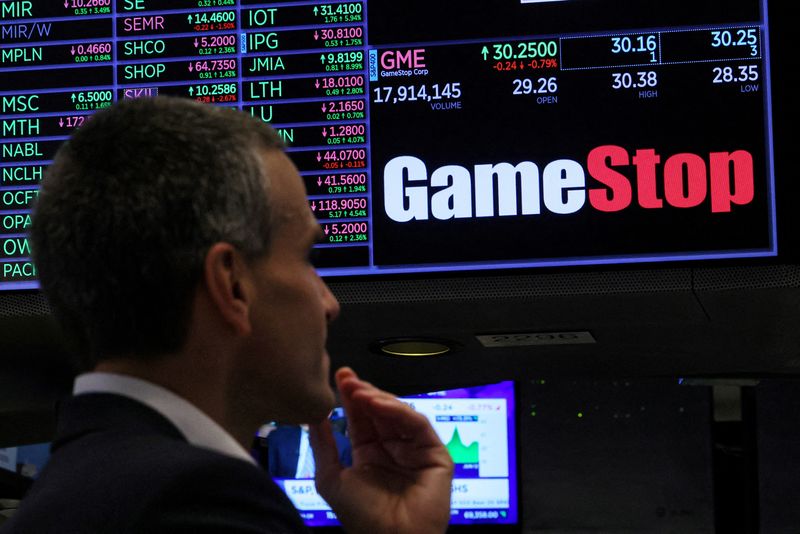
GameStop's $56 Billion Bid for eBay Sparks Controversy


- Acquisition Overview: GameStop's audacious $56 billion bid for eBay comes despite its market cap of just over $11 billion, highlighting uncertainty in its video game retail business and social media hype.
- Financing Structure: The company plans to borrow nearly $20 billion to fund the acquisition, supplementing its existing $9 billion in cash and equivalents, which raises concerns about high financing costs and financial risk.
- Market Reaction and Valuation: While GameStop is currently profitable, its revenue peaked over a decade ago, and skepticism surrounds the potential synergies of acquiring eBay, with market estimates valuing GameStop at only $6.5 billion.
- Management Incentives: CEO Ryan Cohen stands to gain up to 172 million shares worth over $4 billion if certain market value and EBITDA thresholds are met, indicating a strong motivation for expansion despite the low appraisal of the bid.

Best Buy CEO Departure Triggers Stock Decline


- CEO Departure Impact: Best Buy's CEO Corie Barry announced her resignation, leading to a 4.8% drop in stock price on Wednesday, reflecting market unease over leadership changes that could affect the company's strategic direction and investor confidence.
- Fuel Cell Technology Surge: FuelCell Energy's stock rose by 21.1% as investor enthusiasm for its potential to power AI data centers continues to build, not only enhancing the company's market valuation but also potentially attracting more investments and partnerships.
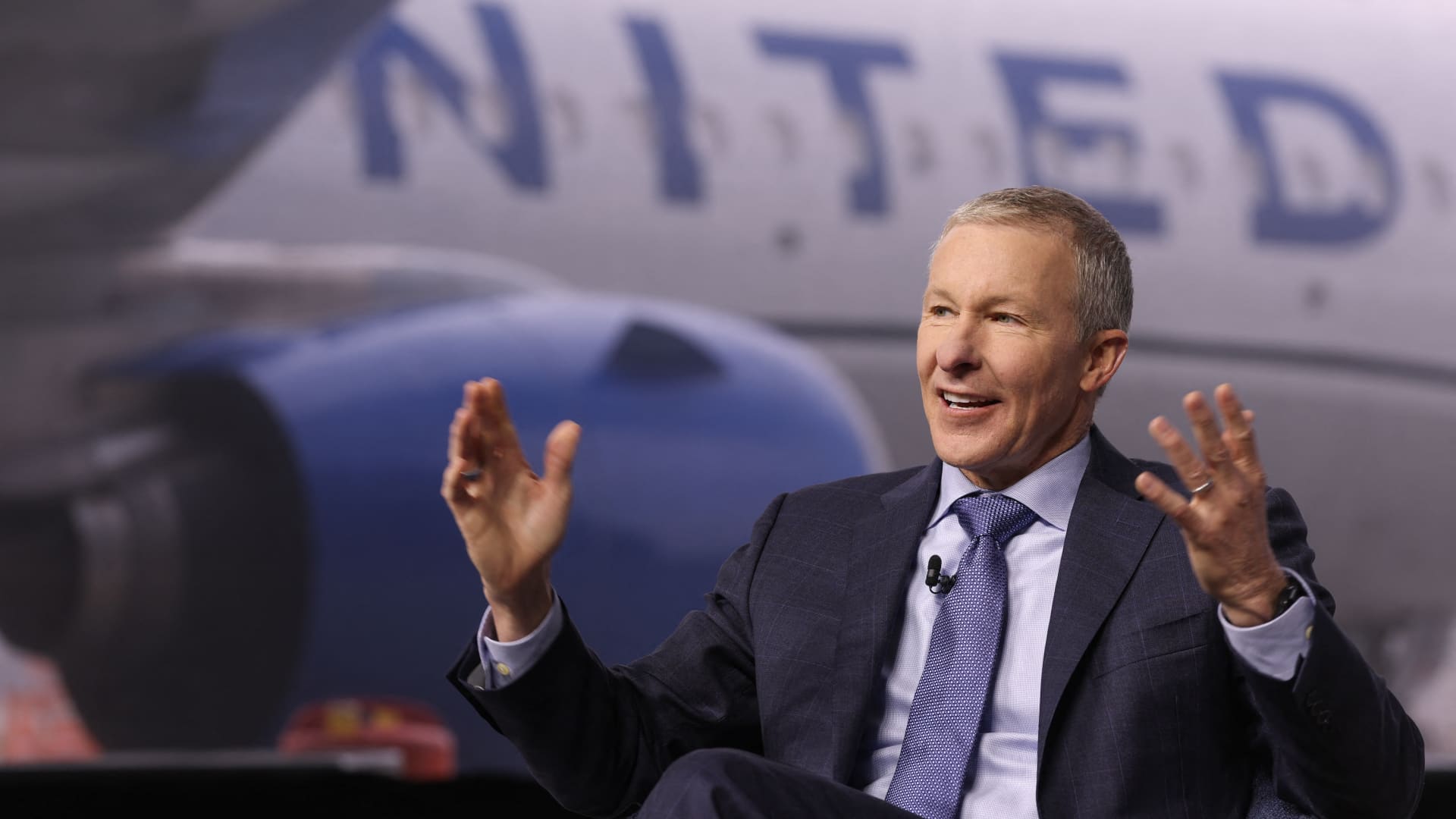
- Airline Profit Warning: United Airlines cut its full-year profit forecast, resulting in a 7.1% decline in stock price, a move that may raise investor concerns about the airline industry's recovery capabilities and impact the company's financing and operational strategies.
- Homebuilder Earnings Beat: Taylor Morrison Home reported first-quarter 2026 earnings that exceeded Wall Street expectations, leading to a 5.5% stock increase, a performance that not only boosts market confidence in its competitiveness in a challenging housing market but may also drive future sales growth and market share expansion.
Analysis of Significant Stock Movements Among Companies


- Calix Stock Decline: Calix's shares fell 16% after the company warned of margin pressures for the year, overshadowing better-than-expected first-quarter results, indicating investor concerns about future profitability.
- TE Connectivity Guidance Miss: TE Connectivity's stock dropped 12% as the company's second-quarter guidance of $2.65 EPS and $4.7 billion revenue aligned with FactSet consensus but failed to inspire investor confidence, leading to downward pressure on the stock.
- Healthcare Services Group Strong Performance: Healthcare Services Group's shares surged 18% after reporting a first-quarter profit of $0.37 per share and revenue of $462.8 million, both exceeding analyst expectations, showcasing the company's competitive edge and growth potential in the market.
- United Airlines Guidance Cut: United Airlines shares fell 6% after the company provided disappointing guidance for the current quarter and full year, expecting adjusted earnings of $7 to $11 per share for 2026, down from prior estimates of $12 to $14, reflecting rising fuel price pressures.

Trump Extends US-Iran Ceasefire, Market Rallies


- Market Rally: Stocks advanced on Wednesday as President Trump extended the US-Iran ceasefire agreement, with solid earnings from Boeing and GE Vernova also contributing to the market lift, indicating that stocks can trade on earnings when war concerns ease.
- GE Vernova's Strong Performance: GE Vernova reported a blowout quarter with a 16% year-over-year revenue increase to $9.3 billion, leading to a stock surge of over 12%, and management anticipates reaching a $200 billion backlog by 2027, a year earlier than expected, showcasing the company's competitive strength in the natural gas turbine market.
- Earnings Outlook for Honeywell and Dover: Jim Cramer cautioned that Honeywell shares typically perform poorly post-earnings, advising patience, while Dover is expected to experience a year of accelerating growth, although Jim remains cautious about its prospects.
- Rapid Fire Recap: Stocks mentioned at the end of the video included Vertiv, AT&T, United Airlines, Best Buy, and Adobe, reflecting investor interest in these companies and the demand for a diversified investment portfolio.

Manhattan Associates Reports Strong Cloud Revenue Growth and AI Strategy Advancements

- Cloud Revenue Surge: Manhattan Associates reported a cloud revenue growth acceleration to 24.2%, up from 20% in the previous quarter, indicating significant progress in its transformation and expected to drive future revenue growth.
- Future Obligations Rise: The company's future obligations (RPO) increased by 24%, reflecting strong ongoing demand for its cloud services, which enhances its competitive position in the market.
- New Client Contributions: 55% of new bookings came from new clients, demonstrating Manhattan's success in attracting new business, further solidifying its market position and driving overall sales growth.
- AI Strategy Implementation: The company has seen initial successes in building and deploying its AI platform, and with ongoing technological advancements, it is expected to provide new momentum for future business growth.
Trump Extends Ceasefire with Iran Amid Market Volatility


- Ceasefire Extension: President Trump announced the extension of the ceasefire with Iran, originally set to expire today, until Tehran presents a 'unified proposal,' aiming to ease tensions in the Middle East, which could impact global oil prices.
- Boeing Earnings Beat: Boeing reported a smaller-than-expected loss per share in Q1 and exceeded revenue expectations, leading to a more than 3% rise in its stock price, indicating a gradual recovery in a challenging aviation market that may boost investor confidence.
- Fed Nominee Scrutiny: Kevin Warsh, Trump's nominee for Federal Reserve Chair, faced tough questions during his confirmation hearing regarding his independence and financial background, despite asserting he wouldn't lower interest rates solely at Trump's request, potentially affecting market expectations for Fed policy.
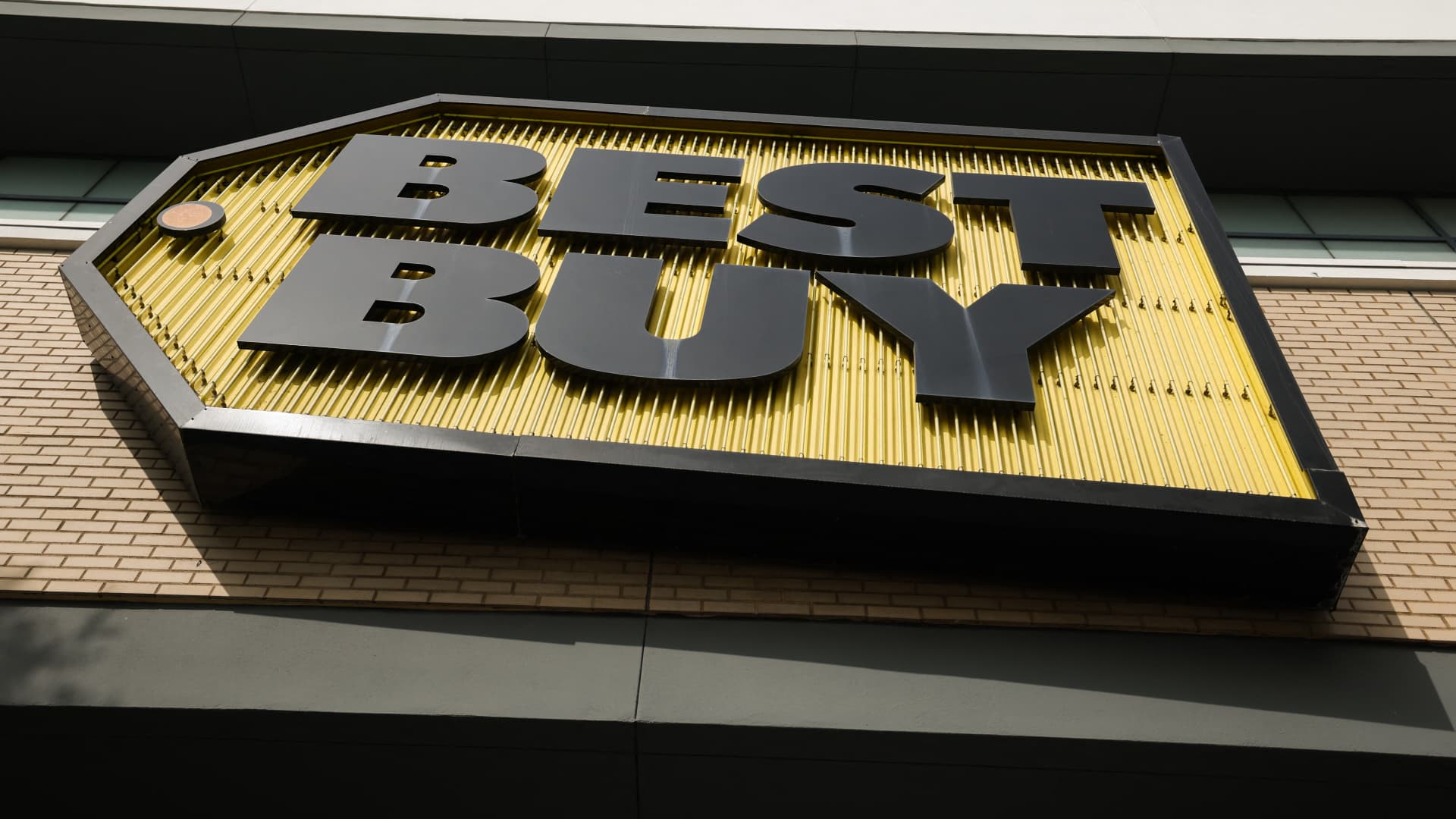
- Best Buy's New CEO: Best Buy announced that insider Jason Bonfig will succeed CEO Corie Barry on October 31, tasked with driving sales amid a lukewarm market while the company seeks to enhance its presence in the artificial intelligence product sector.
GameStop's $56 Billion Bid for eBay Sparks Controversy
- Acquisition Overview: GameStop's audacious $56 billion bid for eBay comes despite its market cap of just over $11 billion, highlighting uncertainty in its video game retail business and social media hype.
- Financing Structure: The company plans to borrow nearly $20 billion to fund the acquisition, supplementing its existing $9 billion in cash and equivalents, which raises concerns about high financing costs and financial risk.
- Market Reaction and Valuation: While GameStop is currently profitable, its revenue peaked over a decade ago, and skepticism surrounds the potential synergies of acquiring eBay, with market estimates valuing GameStop at only $6.5 billion.
- Management Incentives: CEO Ryan Cohen stands to gain up to 172 million shares worth over $4 billion if certain market value and EBITDA thresholds are met, indicating a strong motivation for expansion despite the low appraisal of the bid.
Best Buy CEO Departure Triggers Stock Decline
- CEO Departure Impact: Best Buy's CEO Corie Barry announced her resignation, leading to a 4.8% drop in stock price on Wednesday, reflecting market unease over leadership changes that could affect the company's strategic direction and investor confidence.
- Fuel Cell Technology Surge: FuelCell Energy's stock rose by 21.1% as investor enthusiasm for its potential to power AI data centers continues to build, not only enhancing the company's market valuation but also potentially attracting more investments and partnerships.
- Airline Profit Warning: United Airlines cut its full-year profit forecast, resulting in a 7.1% decline in stock price, a move that may raise investor concerns about the airline industry's recovery capabilities and impact the company's financing and operational strategies.
- Homebuilder Earnings Beat: Taylor Morrison Home reported first-quarter 2026 earnings that exceeded Wall Street expectations, leading to a 5.5% stock increase, a performance that not only boosts market confidence in its competitiveness in a challenging housing market but may also drive future sales growth and market share expansion.
Analysis of Significant Stock Movements Among Companies
- Calix Stock Decline: Calix's shares fell 16% after the company warned of margin pressures for the year, overshadowing better-than-expected first-quarter results, indicating investor concerns about future profitability.
- TE Connectivity Guidance Miss: TE Connectivity's stock dropped 12% as the company's second-quarter guidance of $2.65 EPS and $4.7 billion revenue aligned with FactSet consensus but failed to inspire investor confidence, leading to downward pressure on the stock.
- Healthcare Services Group Strong Performance: Healthcare Services Group's shares surged 18% after reporting a first-quarter profit of $0.37 per share and revenue of $462.8 million, both exceeding analyst expectations, showcasing the company's competitive edge and growth potential in the market.
- United Airlines Guidance Cut: United Airlines shares fell 6% after the company provided disappointing guidance for the current quarter and full year, expecting adjusted earnings of $7 to $11 per share for 2026, down from prior estimates of $12 to $14, reflecting rising fuel price pressures.
Trump Extends US-Iran Ceasefire, Market Rallies
- Market Rally: Stocks advanced on Wednesday as President Trump extended the US-Iran ceasefire agreement, with solid earnings from Boeing and GE Vernova also contributing to the market lift, indicating that stocks can trade on earnings when war concerns ease.
- GE Vernova's Strong Performance: GE Vernova reported a blowout quarter with a 16% year-over-year revenue increase to $9.3 billion, leading to a stock surge of over 12%, and management anticipates reaching a $200 billion backlog by 2027, a year earlier than expected, showcasing the company's competitive strength in the natural gas turbine market.
- Earnings Outlook for Honeywell and Dover: Jim Cramer cautioned that Honeywell shares typically perform poorly post-earnings, advising patience, while Dover is expected to experience a year of accelerating growth, although Jim remains cautious about its prospects.
- Rapid Fire Recap: Stocks mentioned at the end of the video included Vertiv, AT&T, United Airlines, Best Buy, and Adobe, reflecting investor interest in these companies and the demand for a diversified investment portfolio.
Manhattan Associates Reports Strong Cloud Revenue Growth and AI Strategy Advancements
- Cloud Revenue Surge: Manhattan Associates reported a cloud revenue growth acceleration to 24.2%, up from 20% in the previous quarter, indicating significant progress in its transformation and expected to drive future revenue growth.
- Future Obligations Rise: The company's future obligations (RPO) increased by 24%, reflecting strong ongoing demand for its cloud services, which enhances its competitive position in the market.
- New Client Contributions: 55% of new bookings came from new clients, demonstrating Manhattan's success in attracting new business, further solidifying its market position and driving overall sales growth.
- AI Strategy Implementation: The company has seen initial successes in building and deploying its AI platform, and with ongoing technological advancements, it is expected to provide new momentum for future business growth.
Trump Extends Ceasefire with Iran Amid Market Volatility
- Ceasefire Extension: President Trump announced the extension of the ceasefire with Iran, originally set to expire today, until Tehran presents a 'unified proposal,' aiming to ease tensions in the Middle East, which could impact global oil prices.
- Boeing Earnings Beat: Boeing reported a smaller-than-expected loss per share in Q1 and exceeded revenue expectations, leading to a more than 3% rise in its stock price, indicating a gradual recovery in a challenging aviation market that may boost investor confidence.
- Fed Nominee Scrutiny: Kevin Warsh, Trump's nominee for Federal Reserve Chair, faced tough questions during his confirmation hearing regarding his independence and financial background, despite asserting he wouldn't lower interest rates solely at Trump's request, potentially affecting market expectations for Fed policy.
- Best Buy's New CEO: Best Buy announced that insider Jason Bonfig will succeed CEO Corie Barry on October 31, tasked with driving sales amid a lukewarm market while the company seeks to enhance its presence in the artificial intelligence product sector.