

Beazer Homes Reports Significant Q1 Earnings Miss
Beazer Homes' stock fell 9.38% as it crossed below the 5-day SMA, reflecting investor concerns following a disappointing earnings report.
The company reported a Q1 fiscal 2026 loss of $1.13 per share, significantly worse than the expected $0.50 loss, with sales at $363.5 million falling short of the $423.2 million forecast. This indicates severe market demand challenges, as the company experienced a 23% drop in home sales for the quarter. CEO Allan Merrill emphasized that despite ongoing demand challenges, management aims to achieve sequential margin improvements through fiscal 2026 by holding prices steady and cutting costs. However, Wall Street analysts forecast a 25% decrease in earnings to $1.43 per share, indicating potential further deterioration in the near term.
The significant earnings miss and declining sales volume have raised concerns about Beazer's ability to navigate the current market environment, leading to a cautious outlook among investors.
Trade with 70% Backtested Accuracy
Analyst Views on BZH

About BZH
About the author


Beazer Homes Prices $400M Senior Unsecured Notes Offering

- Bond Offering Size: Beazer Homes USA priced a $400 million offering of 8% senior unsecured notes due 2032 at par on Monday, demonstrating the company's ability to access capital markets and confidence in future growth.
- Clear Use of Proceeds: The net proceeds from this offering will be used to redeem $357.3 million of 5.875% senior notes maturing in 2027, indicating a strategic move to optimize the company's debt structure and reduce financing costs.
- Debt Management Strategy: By redeeming upcoming debt, Beazer Homes not only alleviates future interest burdens but also enhances its financial flexibility, thereby supporting the company's growth prospects.
- Positive Market Reaction: The successful pricing of this bond offering reflects market confidence in Beazer Homes' financial health, potentially increasing investor interest and trust in the company.
Beazer Homes Proposes $400 Million Senior Unsecured Notes Offering
- Bond Offering Plan: Beazer Homes USA (BZH) is proposing a private offering of $400 million in senior unsecured notes due 2032, aimed at optimizing its capital structure and reducing financing costs.
- Debt Redemption Strategy: The net proceeds from this offering will be utilized to redeem the outstanding 5.875% senior notes amounting to $357.3 million, which are set to mature on October 15, 2027, thereby alleviating future interest burdens.
- Diverse Use of Funds: In addition to debt redemption, any remaining proceeds will be allocated for general corporate purposes, enhancing the company's financial flexibility to support future growth strategies.
- Positive Market Response: Against the backdrop of a recovering homebuilding sector, Beazer's bond issuance plan may further bolster investor confidence, helping the company maintain its competitive edge in a challenging market.
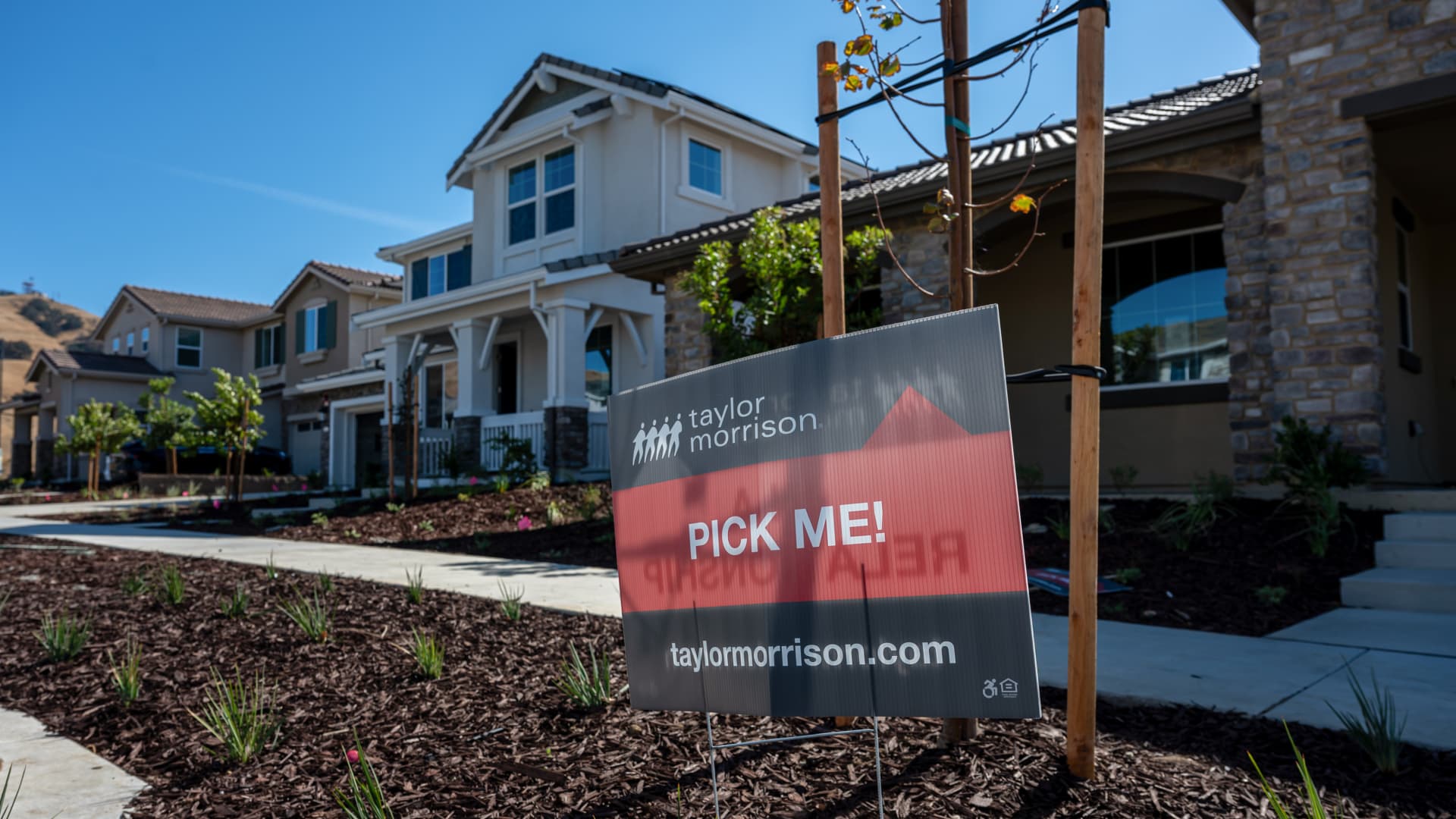
Berkshire Hathaway Acquires Taylor Morrison in $6.8 Billion Deal


- Acquisition Overview: Berkshire Hathaway's agreement to acquire Taylor Morrison for $6.8 billion, representing a 24% premium over its May 29 closing price, reflects confidence in a currently struggling housing market.
- Market Context: The housing market is challenged by high and volatile mortgage rates and rising construction costs; however, this deal indicates that some investors believe valuations have bottomed and a rebound may be imminent.
- Long-Term Investment Perspective: Taylor Morrison's CEO noted that Berkshire's long-term investment approach aligns with the cyclical nature of homebuilding, suggesting confidence in future market recovery, which may attract more long-term investors.
- Industry Trend Observation: Despite a 11.3% year-over-year decline in new home sales, analysts believe that pent-up demand could lead to a market recovery in the coming years, making Berkshire's acquisition potentially lucrative in the long run.

Berkshire Hathaway Acquires Taylor Morrison for $6.8 Billion
- Acquisition Overview: Berkshire Hathaway has agreed to acquire Taylor Morrison, the sixth-largest publicly traded homebuilder in the U.S., for $6.8 billion, representing a 24% premium over its closing price on May 29, indicating confidence in the future market.
- Market Cycle Alignment: Taylor Morrison's CEO, Sheryl Palmer, highlighted that homebuilding typically operates on 5 to 10-year cycles, while Berkshire favors longer investment horizons, showcasing a rare strategic alignment between the two companies.
- Market Outlook Analysis: Despite challenges in the U.S. housing market due to high and volatile mortgage rates and weak consumer confidence, analysts suggest that this acquisition signals that sophisticated investors believe valuations have bottomed, potentially indicating an upcoming recovery.
- Trend of Japanese Buyers: Recently, Japanese buyers have been active in acquiring U.S. homebuilders, with Sumitomo Forestry closing a $4.5 billion deal for Tri Pointe Homes, reflecting a trend where long-term investors seek quality assets despite short-term industry outlooks.

Beazer Homes Offers Up to $479 Monthly Savings for Homeowners
- Significant Savings Potential: Beazer Homes estimates that homeowners could save up to $479 monthly and approximately $5,748 annually through advanced building science and energy efficiency, significantly reducing long-term financial burdens.
- Lower Energy Costs: By utilizing high-efficiency HVAC systems and enhanced insulation, Beazer homeowners could save around $260 per month on energy bills, translating to about $3,000 annually compared to typical used homes, thereby improving overall affordability.
- Flexible Mortgage Options: Beazer's Mortgage Choice program allows buyers to compare rates from multiple lenders, potentially reducing monthly mortgage payments by up to $135, which could save nearly $50,000 over the life of a 30-year loan, enhancing financial flexibility for buyers.
- Reduced Insurance Costs: Newly constructed homes often cost 40% less to insure, saving homeowners approximately $900 annually, which enhances budget competitiveness and further promotes the concept of attainable homeownership.
Beazer Homes Enables Homeowners to Save on Monthly Costs
- Cost Saving Potential: Beazer Homes estimates that homeowners could save up to $479 per month through advanced building science and energy efficiency, translating to approximately $5,748 annually, which significantly alleviates financial pressure and enhances home affordability.
- Energy Efficiency Advantage: By utilizing high-efficiency HVAC systems and enhanced insulation, Beazer's homes allow buyers to save an average of $260 monthly on energy costs, equating to about $3,000 annually compared to typical used homes, thereby improving long-term economic viability.
- Flexible Mortgage Options: Beazer's Mortgage Choice program enables buyers to compare rates from multiple lenders, potentially reducing monthly mortgage payments by up to $135, which could save nearly $50,000 over the life of a 30-year loan, providing greater financial flexibility for homeowners.
- Lower Insurance Costs: Newly constructed homes often incur lower insurance costs due to compliance with modern building codes, with industry data suggesting potential savings of up to 40% on insurance, or roughly $900 annually, which enhances the financial stability of homeowners over time.
Beazer Homes Prices $400M Senior Unsecured Notes Offering
- Bond Offering Size: Beazer Homes USA priced a $400 million offering of 8% senior unsecured notes due 2032 at par on Monday, demonstrating the company's ability to access capital markets and confidence in future growth.
- Clear Use of Proceeds: The net proceeds from this offering will be used to redeem $357.3 million of 5.875% senior notes maturing in 2027, indicating a strategic move to optimize the company's debt structure and reduce financing costs.
- Debt Management Strategy: By redeeming upcoming debt, Beazer Homes not only alleviates future interest burdens but also enhances its financial flexibility, thereby supporting the company's growth prospects.
- Positive Market Reaction: The successful pricing of this bond offering reflects market confidence in Beazer Homes' financial health, potentially increasing investor interest and trust in the company.
Beazer Homes Proposes $400 Million Senior Unsecured Notes Offering
- Bond Offering Plan: Beazer Homes USA (BZH) is proposing a private offering of $400 million in senior unsecured notes due 2032, aimed at optimizing its capital structure and reducing financing costs.
- Debt Redemption Strategy: The net proceeds from this offering will be utilized to redeem the outstanding 5.875% senior notes amounting to $357.3 million, which are set to mature on October 15, 2027, thereby alleviating future interest burdens.
- Diverse Use of Funds: In addition to debt redemption, any remaining proceeds will be allocated for general corporate purposes, enhancing the company's financial flexibility to support future growth strategies.
- Positive Market Response: Against the backdrop of a recovering homebuilding sector, Beazer's bond issuance plan may further bolster investor confidence, helping the company maintain its competitive edge in a challenging market.
Berkshire Hathaway Acquires Taylor Morrison in $6.8 Billion Deal
- Acquisition Overview: Berkshire Hathaway's agreement to acquire Taylor Morrison for $6.8 billion, representing a 24% premium over its May 29 closing price, reflects confidence in a currently struggling housing market.
- Market Context: The housing market is challenged by high and volatile mortgage rates and rising construction costs; however, this deal indicates that some investors believe valuations have bottomed and a rebound may be imminent.
- Long-Term Investment Perspective: Taylor Morrison's CEO noted that Berkshire's long-term investment approach aligns with the cyclical nature of homebuilding, suggesting confidence in future market recovery, which may attract more long-term investors.
- Industry Trend Observation: Despite a 11.3% year-over-year decline in new home sales, analysts believe that pent-up demand could lead to a market recovery in the coming years, making Berkshire's acquisition potentially lucrative in the long run.
Berkshire Hathaway Acquires Taylor Morrison for $6.8 Billion
- Acquisition Overview: Berkshire Hathaway has agreed to acquire Taylor Morrison, the sixth-largest publicly traded homebuilder in the U.S., for $6.8 billion, representing a 24% premium over its closing price on May 29, indicating confidence in the future market.
- Market Cycle Alignment: Taylor Morrison's CEO, Sheryl Palmer, highlighted that homebuilding typically operates on 5 to 10-year cycles, while Berkshire favors longer investment horizons, showcasing a rare strategic alignment between the two companies.
- Market Outlook Analysis: Despite challenges in the U.S. housing market due to high and volatile mortgage rates and weak consumer confidence, analysts suggest that this acquisition signals that sophisticated investors believe valuations have bottomed, potentially indicating an upcoming recovery.
- Trend of Japanese Buyers: Recently, Japanese buyers have been active in acquiring U.S. homebuilders, with Sumitomo Forestry closing a $4.5 billion deal for Tri Pointe Homes, reflecting a trend where long-term investors seek quality assets despite short-term industry outlooks.
Beazer Homes Offers Up to $479 Monthly Savings for Homeowners
- Significant Savings Potential: Beazer Homes estimates that homeowners could save up to $479 monthly and approximately $5,748 annually through advanced building science and energy efficiency, significantly reducing long-term financial burdens.
- Lower Energy Costs: By utilizing high-efficiency HVAC systems and enhanced insulation, Beazer homeowners could save around $260 per month on energy bills, translating to about $3,000 annually compared to typical used homes, thereby improving overall affordability.
- Flexible Mortgage Options: Beazer's Mortgage Choice program allows buyers to compare rates from multiple lenders, potentially reducing monthly mortgage payments by up to $135, which could save nearly $50,000 over the life of a 30-year loan, enhancing financial flexibility for buyers.
- Reduced Insurance Costs: Newly constructed homes often cost 40% less to insure, saving homeowners approximately $900 annually, which enhances budget competitiveness and further promotes the concept of attainable homeownership.
Beazer Homes Enables Homeowners to Save on Monthly Costs
- Cost Saving Potential: Beazer Homes estimates that homeowners could save up to $479 per month through advanced building science and energy efficiency, translating to approximately $5,748 annually, which significantly alleviates financial pressure and enhances home affordability.
- Energy Efficiency Advantage: By utilizing high-efficiency HVAC systems and enhanced insulation, Beazer's homes allow buyers to save an average of $260 monthly on energy costs, equating to about $3,000 annually compared to typical used homes, thereby improving long-term economic viability.
- Flexible Mortgage Options: Beazer's Mortgage Choice program enables buyers to compare rates from multiple lenders, potentially reducing monthly mortgage payments by up to $135, which could save nearly $50,000 over the life of a 30-year loan, providing greater financial flexibility for homeowners.
- Lower Insurance Costs: Newly constructed homes often incur lower insurance costs due to compliance with modern building codes, with industry data suggesting potential savings of up to 40% on insurance, or roughly $900 annually, which enhances the financial stability of homeowners over time.





