Barrick Mining Corp Faces Pressure Amid Weak Gold Market

Barrick Mining Corp's stock has dropped significantly, hitting a 20-day low as gold prices continue to decline amid a strong dollar.
The recent news indicates that gold prices have fallen nearly 6% since the onset of the conflict, with spot gold currently at $4,990 per ounce. This decline is attributed to a stronger U.S. dollar, which has risen over 2%, diminishing gold's appeal as a safe-haven asset. Consequently, Barrick's stock has underperformed, reflecting the overall weakness in the gold market, with a notable drop of about 10.6% since the conflict began.
This situation suggests that Barrick Mining Corp may face ongoing challenges as investors reassess their positions in light of the declining gold prices and the strengthening dollar, potentially leading to further volatility in the stock.
Trade with 70% Backtested Accuracy
Analyst Views on B

About B
About the author


Barrick Mining Shuts Operations in Mali, Laying Off Over 600 Workers
- Layoffs and Shutdown: Barrick Mining's largest contractor, Gounkoto Mining Services, is shutting down operations at the Loulo-Gounkoto gold complex in Mali, resulting in over 600 layoffs, highlighting the sluggish production and investment in the region.
- Contract Non-Renewal: Barrick does not plan to renew its contract with Gounkoto Mining Services in 2026, and it remains unclear whether it will extend for 2027, which could impact the ongoing operations and production capacity of the gold mine.
- Declining Output: The Loulo-Gounkoto gold mine produced 80,000 ounces of gold in Q1 2026 and is projected to produce 103,000 ounces in Q2, which, while an increase, still falls below average output levels prior to the standoff, reflecting challenges in production efficiency.
- Unrelated Security Threats: The departure of Gounkoto Mining Services is reportedly unconnected to the security threats facing Mali, as recent attacks occurred far from the mining complex, indicating relative stability in mining operations.

U.S. Stocks Close Higher, Nasdaq Hits Record High


- Strong Market Performance: The S&P 500 rose by 0.84% and the Nasdaq 100 increased by 2.35%, reaching record highs, reflecting market optimism driven by robust corporate earnings despite concerns over the Iran conflict.
- Support from Employment Data: U.S. nonfarm payrolls for April increased by 115,000, surpassing expectations of 65,000, with March figures revised up to 185,000, indicating resilience in the labor market and further boosting stock prices.
- Decline in Consumer Confidence: The University of Michigan's May consumer sentiment index fell to a record low of 48.2, below the expected 49.5, highlighting economic uncertainty that could impact future consumer spending.
- Oil Market Volatility: Iran's seizure of an oil tanker in the Strait of Hormuz led to a rise in WTI crude prices, with expectations that this incident will affect global oil supply, potentially causing further price fluctuations.

US Stocks Rise, Nasdaq Hits Record High
- Strong Employment Data: US nonfarm payrolls rose by 115,000 in April, exceeding expectations of 65,000, while March figures were revised up to 185,000, indicating labor market resilience that supports stock market gains.
- Declining Consumer Confidence: Despite rising stock prices, the University of Michigan's May consumer sentiment index fell by 1.6 to a record low of 48.2, reflecting consumer concerns about the economic outlook, which could negatively impact future spending.
- Chip Stocks Lead Gains: Chipmakers like Micron and Qualcomm saw stock prices rise over 8%, driving the overall market higher, demonstrating the strong performance of tech stocks in the current market environment, although weakness in software stocks limited gains in the Dow.
- Oil Price Volatility Impact: WTI crude prices edged up slightly due to Iran seizing an oil tanker in the Strait of Hormuz, complicating market expectations for future oil prices, which may influence investment decisions in related sectors.

Analysis of GDX ETF's 52-Week Price Fluctuations

- Price Range Analysis: The GDX ETF's 52-week low is $45.10 per share, with a high of $117.175, while the last trade was at $95.71, indicating stability within its volatility range and potential investment opportunities.
- Technical Analysis Tool: Comparing the current share price to the 200-day moving average provides investors with deeper market trend insights, aiding in the formulation of more effective trading strategies.
- ETF Trading Mechanism: ETFs trade similarly to stocks, where investors buy and sell 'units' that can be created or destroyed based on demand, impacting the ETF's liquidity and market performance.
- Liquidity Monitoring: Weekly monitoring of changes in shares outstanding allows for the observation of significant inflows or outflows, enabling timely portfolio adjustments and optimized asset allocation.
Silver Prices Track Best Weekly Performance Since February

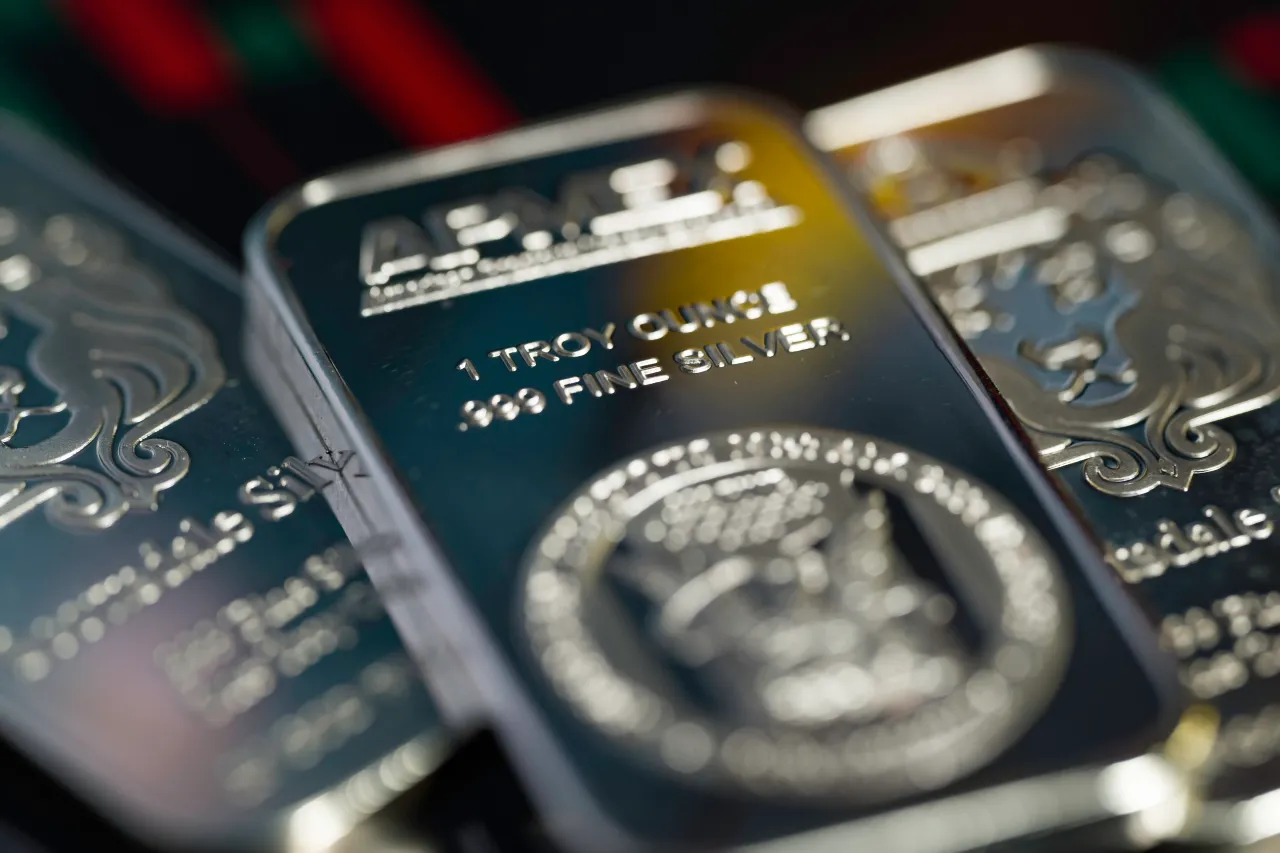
- Silver Price Surge: Spot silver (XAG/USD) has surged past $80 per ounce for the first time since April 21, marking a 4% increase from last week, indicating strong bullish momentum that could trigger a new rally in the precious metals market.
- Gold Breakthrough Imminent: Spot gold (XAU/USD) has risen 5% over the past three sessions, currently priced at nearly $4,734 per ounce, with analysts suggesting that gold is on the brink of the most significant breakout since the bull run began in October 2023, potentially boosting market sentiment.
- Oil Prices Impacting Markets: Brent crude has dropped 2.5% below $100 per barrel, with market analysts noting that falling oil prices typically push up bond prices and lower yields, thereby supporting assets like gold and silver.
- Bearish ETF Sentiment: Despite the iShares Silver Trust (SLV) rising nearly 4%, retail sentiment remains bearish, with SPDR Gold Shares (GLD) only edging up 0.8%, reflecting cautious investor attitudes towards precious metals.

US Stocks Surge as Tech Stocks Lead Gains


- Tech Stocks Rally: The Nasdaq 100 surged 2.08% to reach an all-time high on Wednesday, driven by stellar earnings from chipmakers and AI infrastructure firms, particularly Advanced Micro Devices, which rose over 17% as it raised its full-year sales forecast, reflecting strong investor optimism about ongoing AI investments.
- Crude Oil Plunge: WTI crude oil prices fell more than 7% to a two-week low as market expectations for a US-Iran peace agreement increased, easing inflation fears and contributing to stock market gains, with the 10-year Treasury yield dropping to a one-week low of 4.33%.
- Employment Data Impact: The April ADP employment report indicated that US companies added 109,000 jobs, below the expected 120,000, yet the market remains optimistic about the Fed's monetary policy, believing it will help maintain a low interest rate environment.
- International Market Surge: Overseas stock markets closed sharply higher, with the Euro Stoxx 50 rising 2.68% and China's Shanghai Composite gaining 1.17%, indicating a positive global market response to the US economic recovery, further boosting investor confidence.
Barrick Mining Shuts Operations in Mali, Laying Off Over 600 Workers
- Layoffs and Shutdown: Barrick Mining's largest contractor, Gounkoto Mining Services, is shutting down operations at the Loulo-Gounkoto gold complex in Mali, resulting in over 600 layoffs, highlighting the sluggish production and investment in the region.
- Contract Non-Renewal: Barrick does not plan to renew its contract with Gounkoto Mining Services in 2026, and it remains unclear whether it will extend for 2027, which could impact the ongoing operations and production capacity of the gold mine.
- Declining Output: The Loulo-Gounkoto gold mine produced 80,000 ounces of gold in Q1 2026 and is projected to produce 103,000 ounces in Q2, which, while an increase, still falls below average output levels prior to the standoff, reflecting challenges in production efficiency.
- Unrelated Security Threats: The departure of Gounkoto Mining Services is reportedly unconnected to the security threats facing Mali, as recent attacks occurred far from the mining complex, indicating relative stability in mining operations.
U.S. Stocks Close Higher, Nasdaq Hits Record High
- Strong Market Performance: The S&P 500 rose by 0.84% and the Nasdaq 100 increased by 2.35%, reaching record highs, reflecting market optimism driven by robust corporate earnings despite concerns over the Iran conflict.
- Support from Employment Data: U.S. nonfarm payrolls for April increased by 115,000, surpassing expectations of 65,000, with March figures revised up to 185,000, indicating resilience in the labor market and further boosting stock prices.
- Decline in Consumer Confidence: The University of Michigan's May consumer sentiment index fell to a record low of 48.2, below the expected 49.5, highlighting economic uncertainty that could impact future consumer spending.
- Oil Market Volatility: Iran's seizure of an oil tanker in the Strait of Hormuz led to a rise in WTI crude prices, with expectations that this incident will affect global oil supply, potentially causing further price fluctuations.
US Stocks Rise, Nasdaq Hits Record High
- Strong Employment Data: US nonfarm payrolls rose by 115,000 in April, exceeding expectations of 65,000, while March figures were revised up to 185,000, indicating labor market resilience that supports stock market gains.
- Declining Consumer Confidence: Despite rising stock prices, the University of Michigan's May consumer sentiment index fell by 1.6 to a record low of 48.2, reflecting consumer concerns about the economic outlook, which could negatively impact future spending.
- Chip Stocks Lead Gains: Chipmakers like Micron and Qualcomm saw stock prices rise over 8%, driving the overall market higher, demonstrating the strong performance of tech stocks in the current market environment, although weakness in software stocks limited gains in the Dow.
- Oil Price Volatility Impact: WTI crude prices edged up slightly due to Iran seizing an oil tanker in the Strait of Hormuz, complicating market expectations for future oil prices, which may influence investment decisions in related sectors.
Analysis of GDX ETF's 52-Week Price Fluctuations
- Price Range Analysis: The GDX ETF's 52-week low is $45.10 per share, with a high of $117.175, while the last trade was at $95.71, indicating stability within its volatility range and potential investment opportunities.
- Technical Analysis Tool: Comparing the current share price to the 200-day moving average provides investors with deeper market trend insights, aiding in the formulation of more effective trading strategies.
- ETF Trading Mechanism: ETFs trade similarly to stocks, where investors buy and sell 'units' that can be created or destroyed based on demand, impacting the ETF's liquidity and market performance.
- Liquidity Monitoring: Weekly monitoring of changes in shares outstanding allows for the observation of significant inflows or outflows, enabling timely portfolio adjustments and optimized asset allocation.
Silver Prices Track Best Weekly Performance Since February
- Silver Price Surge: Spot silver (XAG/USD) has surged past $80 per ounce for the first time since April 21, marking a 4% increase from last week, indicating strong bullish momentum that could trigger a new rally in the precious metals market.
- Gold Breakthrough Imminent: Spot gold (XAU/USD) has risen 5% over the past three sessions, currently priced at nearly $4,734 per ounce, with analysts suggesting that gold is on the brink of the most significant breakout since the bull run began in October 2023, potentially boosting market sentiment.
- Oil Prices Impacting Markets: Brent crude has dropped 2.5% below $100 per barrel, with market analysts noting that falling oil prices typically push up bond prices and lower yields, thereby supporting assets like gold and silver.
- Bearish ETF Sentiment: Despite the iShares Silver Trust (SLV) rising nearly 4%, retail sentiment remains bearish, with SPDR Gold Shares (GLD) only edging up 0.8%, reflecting cautious investor attitudes towards precious metals.
US Stocks Surge as Tech Stocks Lead Gains
- Tech Stocks Rally: The Nasdaq 100 surged 2.08% to reach an all-time high on Wednesday, driven by stellar earnings from chipmakers and AI infrastructure firms, particularly Advanced Micro Devices, which rose over 17% as it raised its full-year sales forecast, reflecting strong investor optimism about ongoing AI investments.
- Crude Oil Plunge: WTI crude oil prices fell more than 7% to a two-week low as market expectations for a US-Iran peace agreement increased, easing inflation fears and contributing to stock market gains, with the 10-year Treasury yield dropping to a one-week low of 4.33%.
- Employment Data Impact: The April ADP employment report indicated that US companies added 109,000 jobs, below the expected 120,000, yet the market remains optimistic about the Fed's monetary policy, believing it will help maintain a low interest rate environment.
- International Market Surge: Overseas stock markets closed sharply higher, with the Euro Stoxx 50 rising 2.68% and China's Shanghai Composite gaining 1.17%, indicating a positive global market response to the US economic recovery, further boosting investor confidence.