Baidu Considers Upgrading Hong Kong Listing to Attract Mainland Capital
Baidu Inc (BIDU) reached a 52-week high, gaining 3.03% in regular trading despite the broader market decline, with the Nasdaq-100 down 1.10% and the S&P 500 down 0.62%.
The company is contemplating upgrading its Hong Kong listing to primary status, which would enhance accessibility for mainland investors and broaden its investor base. Additionally, Baidu's AI chip division, Kunlunxin, has submitted a spin-off application to the Hong Kong Stock Exchange, potentially paving the way for an independent listing. This strategic move aims to mitigate geopolitical risks and protect against potential delisting threats amid strained U.S.-China relations, contributing to the stock's positive performance.
This consideration reflects Baidu's proactive approach to adapt to market conditions and investor sentiment, positioning itself for future growth in the AI sector and enhancing its appeal to a wider range of investors.
Trade with 70% Backtested Accuracy
Analyst Views on BIDU

About BIDU
About the author

Tesla Faces Demand Weakness Challenges


- Weakening Demand: Tesla is experiencing declining demand across several global markets in 2025, which poses a challenge to its lofty valuation, highlighting a gap between market expectations and actual sales performance.
- Overinflated Valuation: Market experts argue that Tesla's stock price, currently at $388.85, is inflated due to Elon Musk's loyal fan base, with shares down over 20% from their 52-week high, indicating excessive optimism among investors regarding future growth.
- Revised Delivery Expectations: Analysts have revised their delivery estimates for Tesla to only 2.8 million vehicles by 2030, significantly lower than the previous target of 20 million, reflecting a diminishing confidence in the company's growth trajectory.
- Increased Competition: With rising competition in the autonomous driving sector and a forward price-to-earnings ratio exceeding 200x, analysts express caution regarding Tesla's future performance, advising investors to remain wary of Musk's overly optimistic statements.
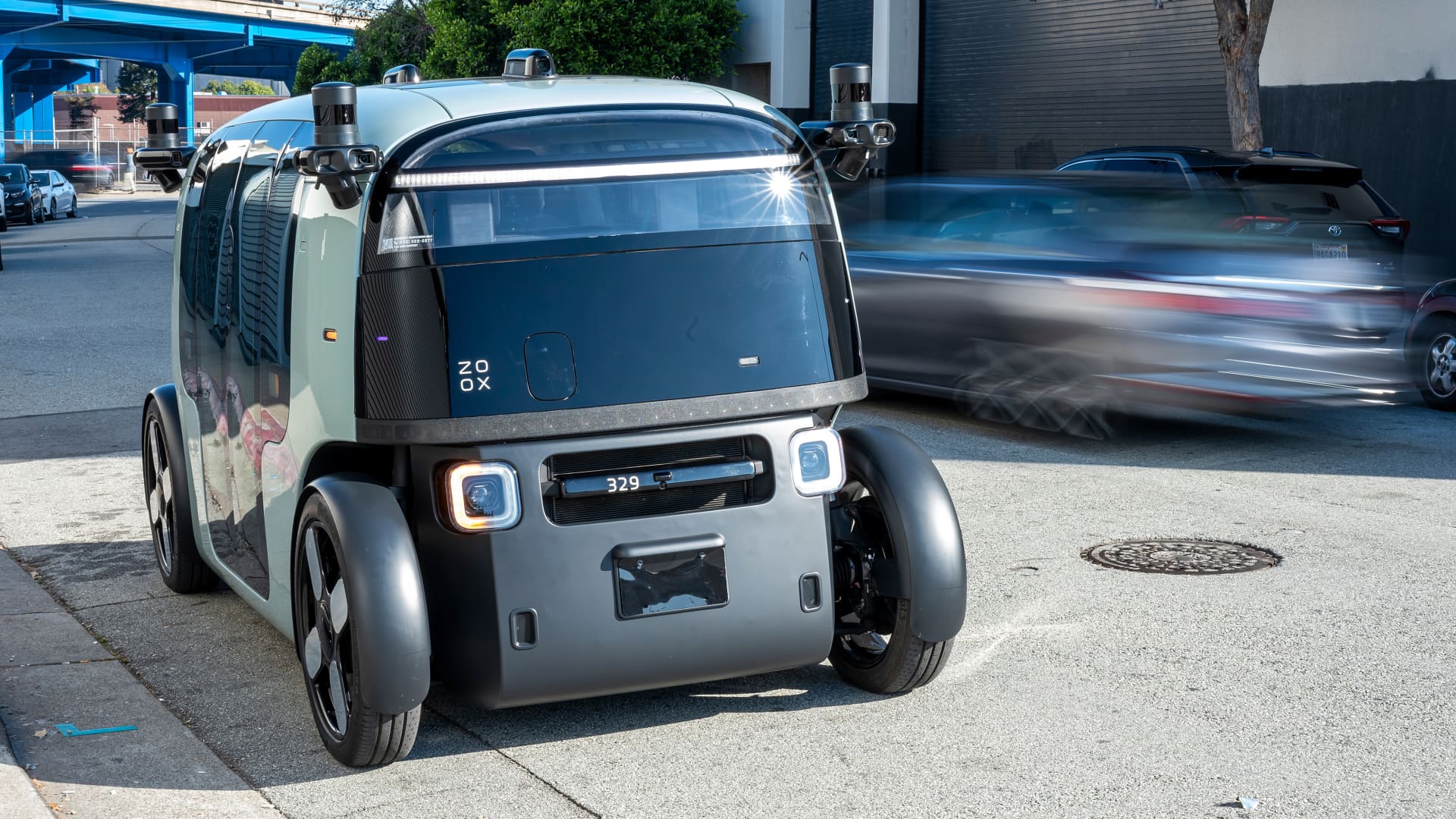
Zoox to Test Autonomous Robotaxis in Dallas and Phoenix

- Market Expansion: Zoox plans to test its autonomous robotaxis in Dallas and Phoenix, initially deploying a small number of retrofitted Toyota Highlander SUVs to optimize technology performance through diverse weather conditions and complex road networks, thereby enhancing its competitive edge.
- Testing Advantages: In Phoenix, Zoox will assess its sensors and battery performance under extreme heat and dust, while Dallas provides a varied testing ground for its AI systems, which will help improve the reliability and safety of its autonomous driving technology.
- User Base Growth: Since its launch, Zoox has served over 300,000 riders in Las Vegas and San Francisco, and with its expansion into 10 U.S. markets, it is expected to further enhance user experience and market penetration.
- Manufacturing Capacity Boost: Zoox has opened a 220,000-square-foot factory in the San Francisco Bay Area, aiming to produce 10,000 autonomous vehicles annually, a move that will support its long-term growth strategy in the U.S. market and compete against rivals like Waymo and Tesla.

Zoox Expands Autonomous Testing to Dallas and Phoenix
- Testing Area Expansion: Zoox announced the expansion of its autonomous technology testing to Dallas and Phoenix, initially deploying a small number of retrofitted Toyota Highlander SUVs with human safety drivers to map complex road networks, thereby laying the groundwork for subsequent robotaxi testing.
- Passenger Service Milestone: Since its launch in Las Vegas and San Francisco, Zoox has served over 300,000 riders, a figure that not only demonstrates market acceptance but also reflects the company's rapid development and the establishment of user trust in the autonomous driving sector.
- Manufacturing Capacity Enhancement: Zoox has opened a 220,000-square-foot factory in the San Francisco Bay Area, aiming to produce 10,000 autonomous vehicles annually once fully operational, a move that will significantly boost its production capacity to meet growing market demand.
- Competitive Landscape Analysis: This expansion gives Zoox's fleet a presence in 10 U.S. markets, coinciding with Amazon's efforts to compete with rivals like Waymo and Tesla, and the diverse testing will help optimize technology performance under complex weather conditions, enhancing its competitive edge.
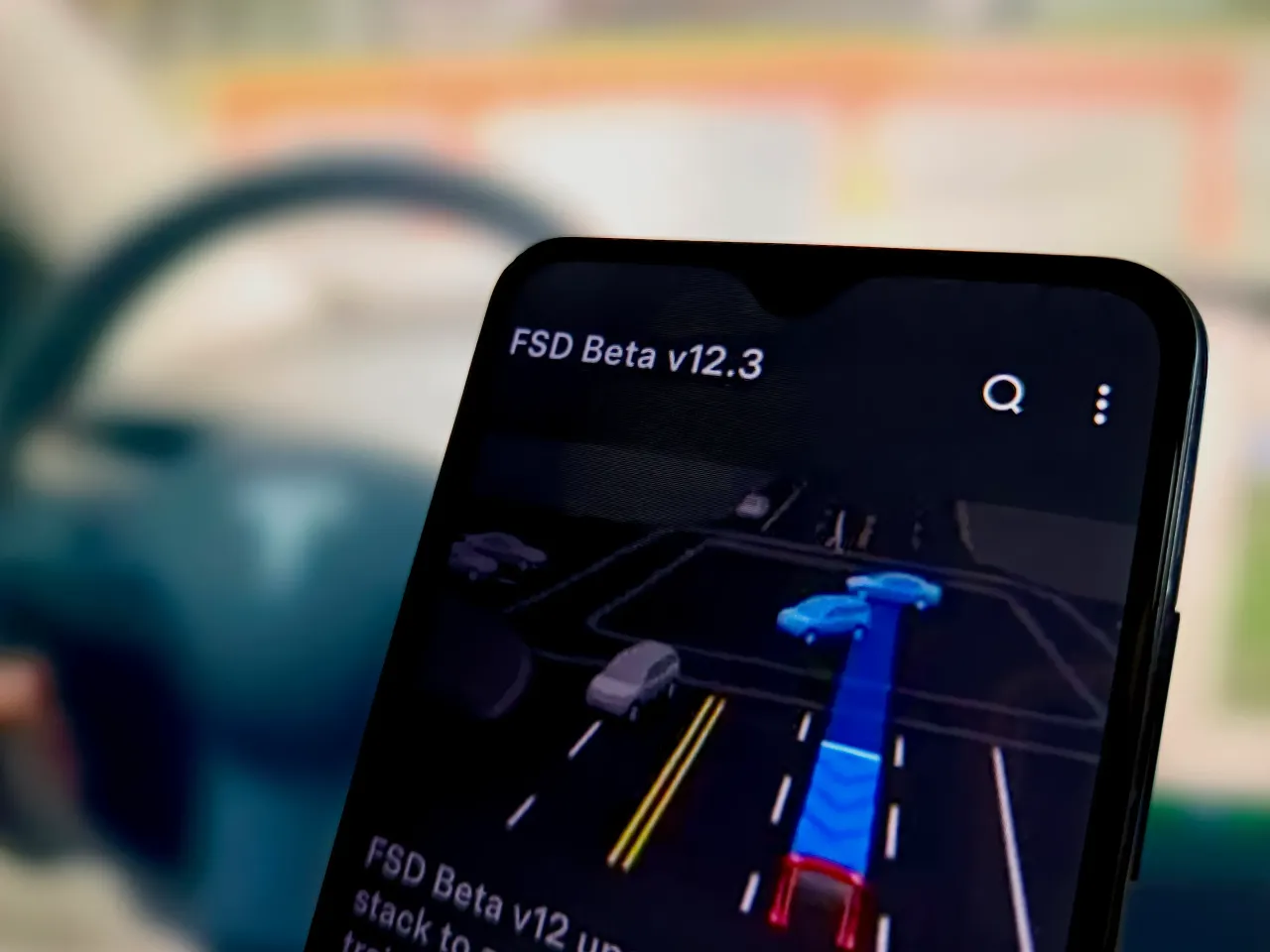
Concerns Grow Over Tesla's Robotaxi Market Prospects

- Declining Market Share Expectations: Analyst Gary Black highlighted that Tesla is projected to deliver 2.8 million vehicles by 2030, capturing only 3% of the global market, a stark contrast to earlier predictions of 20 million, indicating waning investor confidence.
- Intensifying Competition: Black pointed out that companies like Alphabet and Baidu are completing approximately 850,000 fully autonomous rides weekly, suggesting that Tesla faces fierce competition and is unlikely to dominate the market alone.
- Investor Sentiment Wavers: Tesla's stock has declined over 12% year-to-date, with shares falling over 2.5% in pre-market trading on Monday, reflecting investor caution regarding CEO Elon Musk's autonomy promises, especially as only eight robotaxis currently operate without safety monitors.
- Uncertain Future Outlook: Although Tesla's Full Self-Driving system has logged over 8.4 billion miles, its slow progress in unsupervised driving compared to rivals may jeopardize its market leadership position.

Cathie Wood Calls Claude AI a New PC Revolution


- AI Automation Breakthrough: Cathie Wood highlighted that Claude AI can effortlessly automate multiple internal finance workflows that were initially planned for months of development, significantly enhancing operational efficiency and showcasing the immense potential of AI in business operations.
- Historical Comparison: Wood drew parallels between the development of Claude AI and the personal computer revolution of the 1980s, emphasizing that this technology could potentially reshape the global economy much like IBM and Apple's early products did.
- Strong Market Response: Claude AI rapidly ascended to the #1 spot on free US apps, surpassing ChatGPT, indicating its popularity in the AI field, despite ongoing tensions between Anthropic and the US Department of Defense.
- Continued Investment: ARK Invest is ramping up investments in AI infrastructure and platforms, recently increasing funding for companies like Baidu, CoreWeave, and AMD, reflecting the firm’s strong confidence in the future development of AI technology.
Portnoy Law Firm Investigates Baidu for Securities Fraud
- Investigation Launched: The Portnoy Law Firm has initiated an investigation into Baidu, Inc. (NASDAQ:BIDU) for possible securities fraud, potentially filing a class action to protect investors' legal rights and recover losses.
- Stock Price Decline: On November 26, 2025, Baidu's stock price fell by $1.54, or 1.3%, closing at $116.34 per share, directly impacting investors and reflecting market concerns about the company's outlook.
- Military Connection Exposed: A Reuters report revealed that the Pentagon identified Baidu as one of three companies aiding the Chinese military in a letter dated October 7, 2025, which was disclosed on November 26, 2025, triggering strong market reactions and increasing investor anxiety.
- Legal Support Available: The founding partner of the Portnoy Law Firm has recovered over $5.5 billion for aggrieved investors, showcasing their strength and experience in securities fraud cases, and investors are encouraged to seek legal support to pursue claims for their losses.
Tesla Faces Demand Weakness Challenges
- Weakening Demand: Tesla is experiencing declining demand across several global markets in 2025, which poses a challenge to its lofty valuation, highlighting a gap between market expectations and actual sales performance.
- Overinflated Valuation: Market experts argue that Tesla's stock price, currently at $388.85, is inflated due to Elon Musk's loyal fan base, with shares down over 20% from their 52-week high, indicating excessive optimism among investors regarding future growth.
- Revised Delivery Expectations: Analysts have revised their delivery estimates for Tesla to only 2.8 million vehicles by 2030, significantly lower than the previous target of 20 million, reflecting a diminishing confidence in the company's growth trajectory.
- Increased Competition: With rising competition in the autonomous driving sector and a forward price-to-earnings ratio exceeding 200x, analysts express caution regarding Tesla's future performance, advising investors to remain wary of Musk's overly optimistic statements.
Zoox to Test Autonomous Robotaxis in Dallas and Phoenix
- Market Expansion: Zoox plans to test its autonomous robotaxis in Dallas and Phoenix, initially deploying a small number of retrofitted Toyota Highlander SUVs to optimize technology performance through diverse weather conditions and complex road networks, thereby enhancing its competitive edge.
- Testing Advantages: In Phoenix, Zoox will assess its sensors and battery performance under extreme heat and dust, while Dallas provides a varied testing ground for its AI systems, which will help improve the reliability and safety of its autonomous driving technology.
- User Base Growth: Since its launch, Zoox has served over 300,000 riders in Las Vegas and San Francisco, and with its expansion into 10 U.S. markets, it is expected to further enhance user experience and market penetration.
- Manufacturing Capacity Boost: Zoox has opened a 220,000-square-foot factory in the San Francisco Bay Area, aiming to produce 10,000 autonomous vehicles annually, a move that will support its long-term growth strategy in the U.S. market and compete against rivals like Waymo and Tesla.
Zoox Expands Autonomous Testing to Dallas and Phoenix
- Testing Area Expansion: Zoox announced the expansion of its autonomous technology testing to Dallas and Phoenix, initially deploying a small number of retrofitted Toyota Highlander SUVs with human safety drivers to map complex road networks, thereby laying the groundwork for subsequent robotaxi testing.
- Passenger Service Milestone: Since its launch in Las Vegas and San Francisco, Zoox has served over 300,000 riders, a figure that not only demonstrates market acceptance but also reflects the company's rapid development and the establishment of user trust in the autonomous driving sector.
- Manufacturing Capacity Enhancement: Zoox has opened a 220,000-square-foot factory in the San Francisco Bay Area, aiming to produce 10,000 autonomous vehicles annually once fully operational, a move that will significantly boost its production capacity to meet growing market demand.
- Competitive Landscape Analysis: This expansion gives Zoox's fleet a presence in 10 U.S. markets, coinciding with Amazon's efforts to compete with rivals like Waymo and Tesla, and the diverse testing will help optimize technology performance under complex weather conditions, enhancing its competitive edge.
Concerns Grow Over Tesla's Robotaxi Market Prospects
- Declining Market Share Expectations: Analyst Gary Black highlighted that Tesla is projected to deliver 2.8 million vehicles by 2030, capturing only 3% of the global market, a stark contrast to earlier predictions of 20 million, indicating waning investor confidence.
- Intensifying Competition: Black pointed out that companies like Alphabet and Baidu are completing approximately 850,000 fully autonomous rides weekly, suggesting that Tesla faces fierce competition and is unlikely to dominate the market alone.
- Investor Sentiment Wavers: Tesla's stock has declined over 12% year-to-date, with shares falling over 2.5% in pre-market trading on Monday, reflecting investor caution regarding CEO Elon Musk's autonomy promises, especially as only eight robotaxis currently operate without safety monitors.
- Uncertain Future Outlook: Although Tesla's Full Self-Driving system has logged over 8.4 billion miles, its slow progress in unsupervised driving compared to rivals may jeopardize its market leadership position.
Cathie Wood Calls Claude AI a New PC Revolution
- AI Automation Breakthrough: Cathie Wood highlighted that Claude AI can effortlessly automate multiple internal finance workflows that were initially planned for months of development, significantly enhancing operational efficiency and showcasing the immense potential of AI in business operations.
- Historical Comparison: Wood drew parallels between the development of Claude AI and the personal computer revolution of the 1980s, emphasizing that this technology could potentially reshape the global economy much like IBM and Apple's early products did.
- Strong Market Response: Claude AI rapidly ascended to the #1 spot on free US apps, surpassing ChatGPT, indicating its popularity in the AI field, despite ongoing tensions between Anthropic and the US Department of Defense.
- Continued Investment: ARK Invest is ramping up investments in AI infrastructure and platforms, recently increasing funding for companies like Baidu, CoreWeave, and AMD, reflecting the firm’s strong confidence in the future development of AI technology.
Portnoy Law Firm Investigates Baidu for Securities Fraud
- Investigation Launched: The Portnoy Law Firm has initiated an investigation into Baidu, Inc. (NASDAQ:BIDU) for possible securities fraud, potentially filing a class action to protect investors' legal rights and recover losses.
- Stock Price Decline: On November 26, 2025, Baidu's stock price fell by $1.54, or 1.3%, closing at $116.34 per share, directly impacting investors and reflecting market concerns about the company's outlook.
- Military Connection Exposed: A Reuters report revealed that the Pentagon identified Baidu as one of three companies aiding the Chinese military in a letter dated October 7, 2025, which was disclosed on November 26, 2025, triggering strong market reactions and increasing investor anxiety.
- Legal Support Available: The founding partner of the Portnoy Law Firm has recovered over $5.5 billion for aggrieved investors, showcasing their strength and experience in securities fraud cases, and investors are encouraged to seek legal support to pursue claims for their losses.