Atlassian's Stock Recovery Potential Amid AI Challenges
Atlassian Corp's stock rose by 5.43% as it crossed above the 5-day SMA, indicating a positive price movement despite broader market weakness.
Analysts predict a potential doubling of Atlassian's stock price, with Piper Sandler setting a target price of $175, reflecting confidence in its future growth. The company's AI platform, Rovo, has surpassed $1 billion in annual recurring revenue, up 30% year-over-year, showcasing strong market demand for AI solutions. Additionally, customers using Rovo are growing their revenue at twice the rate of those not using it, suggesting that AI enhances Atlassian's competitive position.
The implications of these developments suggest that Atlassian is well-positioned to capture more market share as customers migrate to the cloud, with an estimated addressable market of $140 billion and expected annual recurring revenue growth of 75% over three years.
Trade with 70% Backtested Accuracy
Analyst Views on TEAM

About TEAM
About the author


US Stocks Close Higher as Market Sentiment Improves

- Market Recovery: The S&P 500 rose by 0.37% and the Nasdaq 100 by 0.42%, with the Dow Jones Industrial Average hitting an all-time high, reflecting optimism about a potential US-Iran peace deal that could boost investor confidence.
- Consumer Sentiment Decline: The University of Michigan's consumer sentiment index was revised down to a record low of 44.8, below the expected 48.2, indicating growing concerns among consumers about the economic outlook, which may impact future spending.
- Rising Inflation Expectations: The 1-year inflation expectations for May were revised upward to 4.8%, exceeding the expected 4.6%, potentially prompting the Federal Reserve to consider interest rate hikes in upcoming meetings, which could pressure the stock market.
- Tech Stocks Lead Gains: Workday's stock surged over 5% after reporting Q1 adjusted EPS of $2.66, surpassing expectations, highlighting strong performance in the software sector and potentially attracting more investor interest in tech stocks.

US Stocks Rise, Nasdaq Hits Weekly High
- Strong Market Performance: The S&P 500 rose by 0.50% and the Nasdaq 100 by 0.73%, with the Dow Jones Industrial Average hitting an all-time high, reflecting optimism about a potential US-Iran peace deal that could boost investor confidence.
- Decline in Consumer Confidence: The University of Michigan's consumer sentiment index was revised down to 44.8, a record low, below the expected 48.2, indicating growing consumer concerns about the economic outlook, which may negatively impact future spending.
- Rising Inflation Expectations: The 1-year inflation expectations for May were revised up to 4.8%, a 9-month high, exceeding the expected 4.6%, which could prompt the Fed to consider interest rate hikes at the upcoming meeting, affecting market liquidity.
- Chip Stocks Lead Gains: Qualcomm's stock surged over 12%, leading the Nasdaq 100, demonstrating ongoing market enthusiasm for semiconductor and AI infrastructure, which may yield higher returns for related companies.
US Stocks Rise as Market Optimism Grows
- Strong Market Performance: The S&P 500 rose by 0.54%, the Nasdaq 100 increased by 0.53%, and the Dow Jones Industrial Average reached an all-time high, reflecting market optimism regarding a potential peace deal between the US and Iran, which could boost investor confidence.
- Software Stocks Lead Gains: Workday's stock surged over 8% after reporting Q1 adjusted EPS of $2.66, exceeding the consensus of $2.51, and forecasting Q2 subscription revenue of $2.46 billion, further enhancing confidence in the software sector.
- Oil Price Volatility Affects Markets: Crude oil prices dipped slightly as Qatar coordinated with the US to send a negotiating team to Tehran, raising concerns about future supply; the IEA warned that global oil inventories will remain tight, potentially impacting overall economic growth.
- International Markets Rebound: The Euro Stoxx 50 climbed 1.23%, China's Shanghai Composite rose 0.87%, and Japan's Nikkei increased by 2.68%, indicating a global market optimism that may provide support for the US market.
GitHub Faces Challenges as Microsoft's AI Strategy Struggles


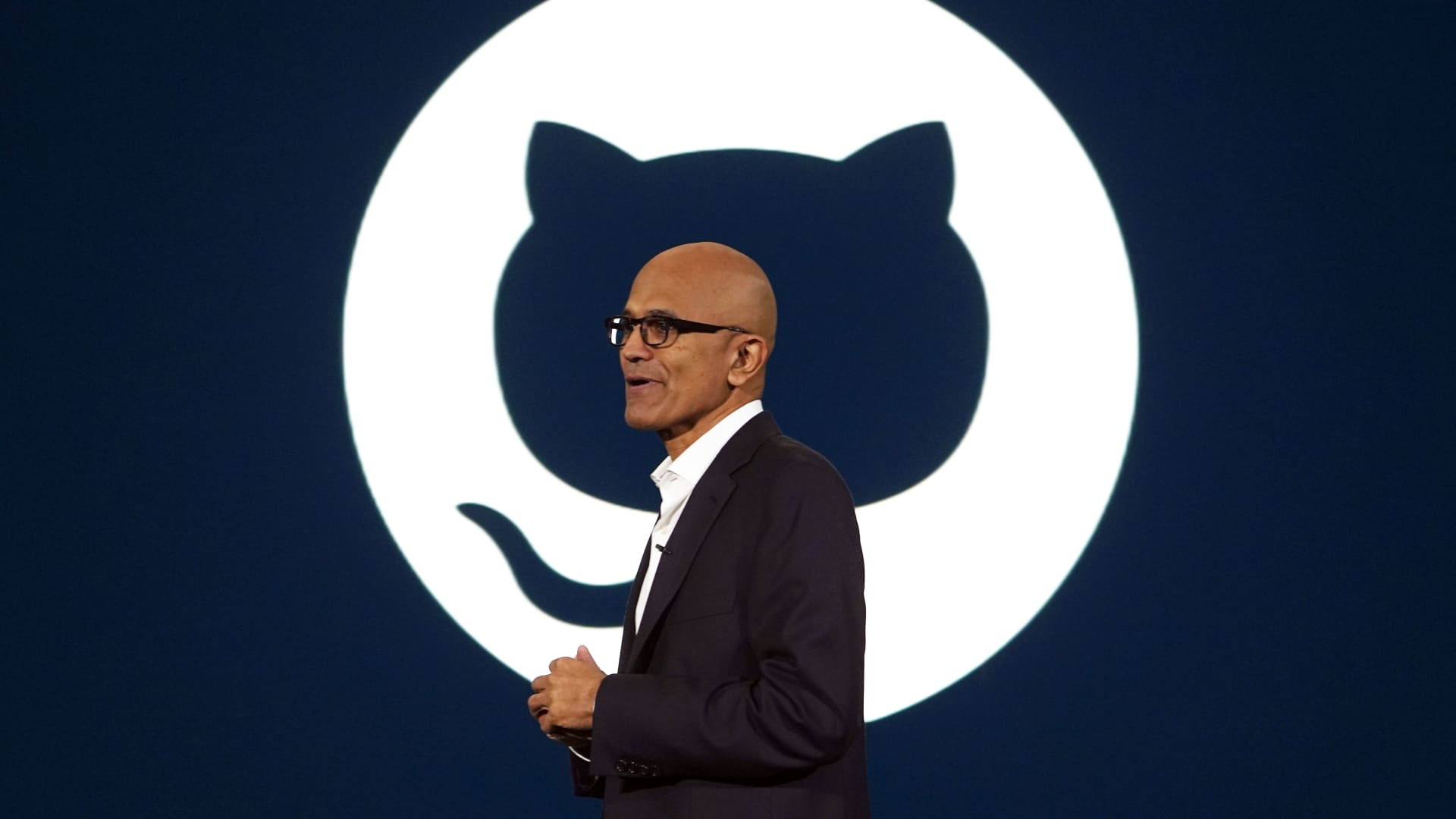
- Reliability Issues: GitHub has faced over a dozen outages recently, affecting major companies like Cisco, which raises concerns about its reliability and could lead to customer attrition, negatively impacting Microsoft's market share.
- Frequent Executive Turnover: GitHub's former CEO Thomas Dohmke resigned in August last year, and the lack of a successor has created instability in leadership, potentially affecting the company's strategic direction and execution, increasing market concerns about its future.
- Rising Competition: With the popularity of new tools like Cursor and Claude Code, GitHub's market share is threatened, particularly in the AI-assisted coding space, where GitHub Copilot's user growth has been surpassed by competitors, challenging Microsoft's leadership in this critical market.
- Customer Attrition Risk: Due to declining service quality and rising prices, more enterprise customers are considering alternatives like GitLab and Atlassian, which could further shrink GitHub's revenue and user base, adversely affecting Microsoft's overall financial performance.

GitHub Faces Multiple Challenges and Competition


- Infrastructure Failures: GitHub has faced multiple outages this year due to the soaring popularity of vibe coding, impacting large enterprises like Cisco and raising concerns about its reliability, which could negatively affect its market share.
- Migration Delays: The slow migration to Microsoft's Azure has limited GitHub's computing capacity; although there were plans to shift 50% of traffic to Azure by July, internal negotiations have delayed the enhancement of service capabilities.
- Intensifying Competition: With the rise of new tools like Cursor and Claude Code, GitHub Copilot's competitiveness in the AI coding market has diminished, and despite Nadella's claims of unprecedented growth, market share is being gradually eroded by competitors.
- Leadership Turmoil: Frequent changes in GitHub's executive team have led to strategic ambiguity, as the departure of former CEO Dohmke and the absence of new leadership hinder the company's ability to maintain a competitive edge in a rapidly evolving market.

US Stocks Edge Up as Economic Data Shows Stability

- Economic Stability: US weekly initial unemployment claims fell by 3,000 to 209,000, close to the expected 210,000, indicating stability in the labor market and boosting investor confidence in economic recovery.
- Manufacturing Expansion: The May S&P manufacturing PMI unexpectedly rose by 0.8 to 55.3, surpassing expectations of 53.8, marking the strongest pace of expansion in four years, which could drive investment and growth in related sectors.
- Oil Price Volatility: WTI crude oil prices retreated after an initial 4% gain, influenced by market reactions to the situation in Iran, highlighting the uncertainty in the energy market that may impact the overall economy.
- Corporate Earnings Performance: So far, 83% of the 466 S&P 500 companies have beaten earnings estimates, with Q1 earnings projected to climb 12% year-over-year, providing support for the stock market despite a slowdown in the tech sector.
US Stocks Close Higher as Market Sentiment Improves
- Market Recovery: The S&P 500 rose by 0.37% and the Nasdaq 100 by 0.42%, with the Dow Jones Industrial Average hitting an all-time high, reflecting optimism about a potential US-Iran peace deal that could boost investor confidence.
- Consumer Sentiment Decline: The University of Michigan's consumer sentiment index was revised down to a record low of 44.8, below the expected 48.2, indicating growing concerns among consumers about the economic outlook, which may impact future spending.
- Rising Inflation Expectations: The 1-year inflation expectations for May were revised upward to 4.8%, exceeding the expected 4.6%, potentially prompting the Federal Reserve to consider interest rate hikes in upcoming meetings, which could pressure the stock market.
- Tech Stocks Lead Gains: Workday's stock surged over 5% after reporting Q1 adjusted EPS of $2.66, surpassing expectations, highlighting strong performance in the software sector and potentially attracting more investor interest in tech stocks.
US Stocks Rise, Nasdaq Hits Weekly High
- Strong Market Performance: The S&P 500 rose by 0.50% and the Nasdaq 100 by 0.73%, with the Dow Jones Industrial Average hitting an all-time high, reflecting optimism about a potential US-Iran peace deal that could boost investor confidence.
- Decline in Consumer Confidence: The University of Michigan's consumer sentiment index was revised down to 44.8, a record low, below the expected 48.2, indicating growing consumer concerns about the economic outlook, which may negatively impact future spending.
- Rising Inflation Expectations: The 1-year inflation expectations for May were revised up to 4.8%, a 9-month high, exceeding the expected 4.6%, which could prompt the Fed to consider interest rate hikes at the upcoming meeting, affecting market liquidity.
- Chip Stocks Lead Gains: Qualcomm's stock surged over 12%, leading the Nasdaq 100, demonstrating ongoing market enthusiasm for semiconductor and AI infrastructure, which may yield higher returns for related companies.
US Stocks Rise as Market Optimism Grows
- Strong Market Performance: The S&P 500 rose by 0.54%, the Nasdaq 100 increased by 0.53%, and the Dow Jones Industrial Average reached an all-time high, reflecting market optimism regarding a potential peace deal between the US and Iran, which could boost investor confidence.
- Software Stocks Lead Gains: Workday's stock surged over 8% after reporting Q1 adjusted EPS of $2.66, exceeding the consensus of $2.51, and forecasting Q2 subscription revenue of $2.46 billion, further enhancing confidence in the software sector.
- Oil Price Volatility Affects Markets: Crude oil prices dipped slightly as Qatar coordinated with the US to send a negotiating team to Tehran, raising concerns about future supply; the IEA warned that global oil inventories will remain tight, potentially impacting overall economic growth.
- International Markets Rebound: The Euro Stoxx 50 climbed 1.23%, China's Shanghai Composite rose 0.87%, and Japan's Nikkei increased by 2.68%, indicating a global market optimism that may provide support for the US market.
GitHub Faces Challenges as Microsoft's AI Strategy Struggles
- Reliability Issues: GitHub has faced over a dozen outages recently, affecting major companies like Cisco, which raises concerns about its reliability and could lead to customer attrition, negatively impacting Microsoft's market share.
- Frequent Executive Turnover: GitHub's former CEO Thomas Dohmke resigned in August last year, and the lack of a successor has created instability in leadership, potentially affecting the company's strategic direction and execution, increasing market concerns about its future.
- Rising Competition: With the popularity of new tools like Cursor and Claude Code, GitHub's market share is threatened, particularly in the AI-assisted coding space, where GitHub Copilot's user growth has been surpassed by competitors, challenging Microsoft's leadership in this critical market.
- Customer Attrition Risk: Due to declining service quality and rising prices, more enterprise customers are considering alternatives like GitLab and Atlassian, which could further shrink GitHub's revenue and user base, adversely affecting Microsoft's overall financial performance.
GitHub Faces Multiple Challenges and Competition
- Infrastructure Failures: GitHub has faced multiple outages this year due to the soaring popularity of vibe coding, impacting large enterprises like Cisco and raising concerns about its reliability, which could negatively affect its market share.
- Migration Delays: The slow migration to Microsoft's Azure has limited GitHub's computing capacity; although there were plans to shift 50% of traffic to Azure by July, internal negotiations have delayed the enhancement of service capabilities.
- Intensifying Competition: With the rise of new tools like Cursor and Claude Code, GitHub Copilot's competitiveness in the AI coding market has diminished, and despite Nadella's claims of unprecedented growth, market share is being gradually eroded by competitors.
- Leadership Turmoil: Frequent changes in GitHub's executive team have led to strategic ambiguity, as the departure of former CEO Dohmke and the absence of new leadership hinder the company's ability to maintain a competitive edge in a rapidly evolving market.
US Stocks Edge Up as Economic Data Shows Stability
- Economic Stability: US weekly initial unemployment claims fell by 3,000 to 209,000, close to the expected 210,000, indicating stability in the labor market and boosting investor confidence in economic recovery.
- Manufacturing Expansion: The May S&P manufacturing PMI unexpectedly rose by 0.8 to 55.3, surpassing expectations of 53.8, marking the strongest pace of expansion in four years, which could drive investment and growth in related sectors.
- Oil Price Volatility: WTI crude oil prices retreated after an initial 4% gain, influenced by market reactions to the situation in Iran, highlighting the uncertainty in the energy market that may impact the overall economy.
- Corporate Earnings Performance: So far, 83% of the 466 S&P 500 companies have beaten earnings estimates, with Q1 earnings projected to climb 12% year-over-year, providing support for the stock market despite a slowdown in the tech sector.