ASML Expected to Reach $1 Trillion Market Cap by 2028
ASML Holding NV's stock rose by 5.00% and reached a 5-day high, reflecting strong investor confidence amid positive market conditions.
The company is projected to exceed a $1 trillion market cap by 2028, driven by its dominant 90% market share in semiconductor lithography equipment and anticipated revenues between $50 billion and $68 billion by 2030. Analysts are optimistic about ASML's growth potential, with some forecasting revenues could reach up to $83 billion, reinforcing its leadership position in the rapidly growing AI market.
This optimistic outlook suggests that ASML is well-positioned to capitalize on the increasing demand for advanced semiconductor technology, further solidifying its competitive edge and attracting investor interest.
Trade with 70% Backtested Accuracy
Analyst Views on ASML

About ASML
About the author


Samsung Reports Strong Q2 Profits but Stock Declines

- Samsung's Strong Performance: Samsung reported a doubling of sales year-over-year in Q2, with profits soaring to $58.4 billion; however, investor concerns over future factory expansions led to a decline in its stock price.
- ASML Stock Fluctuation: ASML's stock dropped 4.6% due to Samsung's performance, yet Morgan Stanley analyst raised its price target by 10% to €1,830 ($2,091), indicating optimism about future sales.
- Market Demand Forecast: Analyst David Dai predicts ASML will sell 91 and 113 semiconductor manufacturing machines in 2027 and 2028, respectively, at higher prices than this year, with projected revenue reaching €42.7 billion ($48.8 billion) by 2030, reflecting a 30% annual growth rate.
- AI Market Impact: Despite investor unease regarding Samsung's factory expansions, ASML's long-term outlook remains positive due to the ongoing growth in the artificial intelligence market, which is expected to drive continued sales growth.

Goldman Sachs Advises Focus on HALO Stocks


- Definition of HALO Stocks: Goldman Sachs defines HALO stocks as those of companies with 'heavy assets and low obsolescence risk,' highlighting a market shift towards tangible productive assets amid higher real yields and geopolitical fragmentation.
- Capital Expenditure Trends: Key areas such as data centers, semiconductors, utilities, and defense are expected to account for over 40% of global capital expenditure, indicating that capital-intensive companies are favored for their capacity and infrastructure complexity, driving growth in these sectors.
- Investment Themes Focus: Goldman recommends focusing on five themes: infrastructure, basic materials, aerospace and defense, manufacturing, and consumer platforms, with buy-rated stocks including Enel, Airbus, and Volvo, reflecting strong investment confidence in these areas.
- Global Trend: Goldman emphasizes that the HALO framework is not limited to Europe but represents a global trend, replicated in the US, Asia-Pacific, Japan, and emerging markets, indicating widespread interest in investment opportunities in businesses with hard-to-replace physical assets.

US Stocks Close Lower as Chipmakers Weigh on Market


- Market Decline: On Tuesday, the S&P 500 index fell by 0.45%, the Dow Jones Industrial Average dropped by 0.25%, and the Nasdaq 100 index decreased by 1.77%, indicating a broader market decline under pressure from a selloff in chipmakers, reflecting investor concerns over high valuations.
- Samsung's Earnings Disappointment: Despite Samsung Electronics reporting a 19-fold profit surge, its stock plummeted over 8% in South Korea, suggesting market skepticism regarding the future profitability of the semiconductor sector, which could impact investor confidence in related companies.
- Geopolitical Risks Heightened: Crude oil prices surged to a 1.5-week high due to attacks on shipping in the Strait of Hormuz, raising inflation expectations and pushing bond yields higher, with the 10-year T-note yield reaching a 3.5-week high of 4.54%, adding uncertainty to the market.
- Strength in Software Stocks: Despite the overall market pressure, strong performance in software stocks indicates a rotation of funds into other sectors, with companies like Workday seeing stock price increases of over 4%, providing some support for the market.
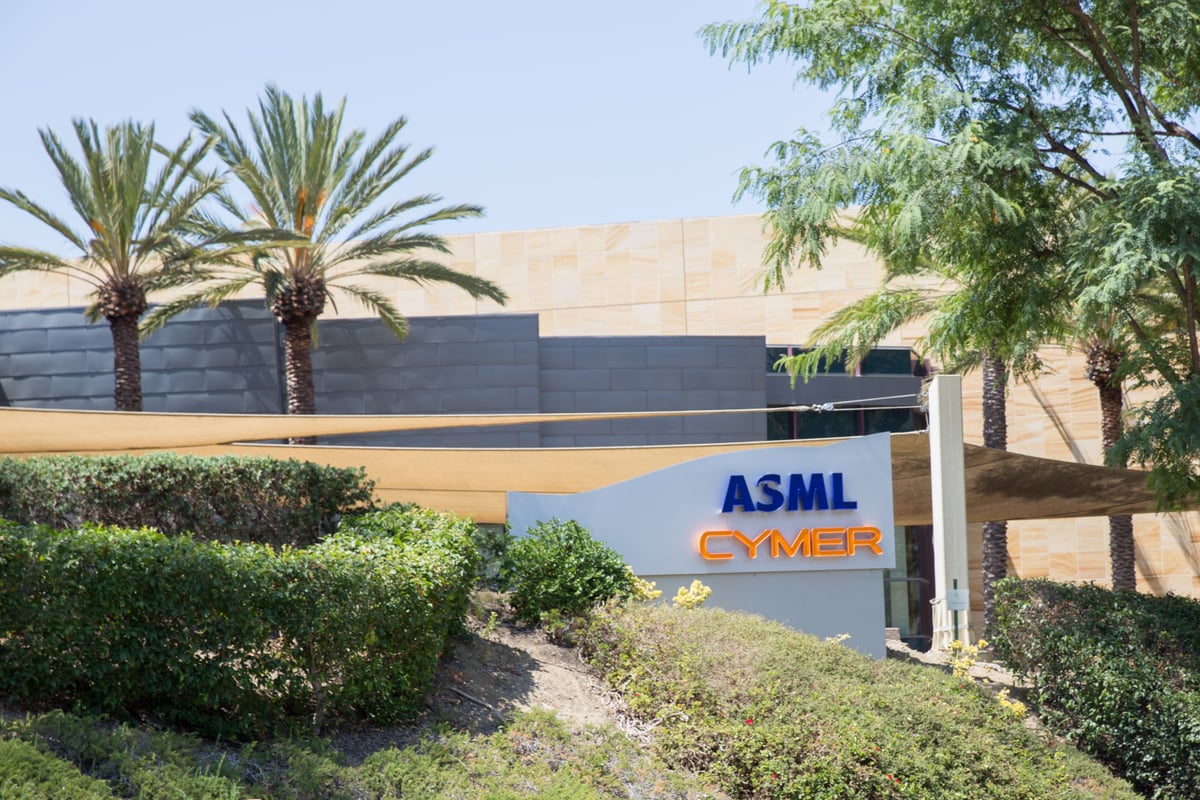
ASML Stock Drops Despite Positive Analyst Upgrades
- Analyst Upgrades: Morgan Stanley's Lee Simpson raised ASML's price target by 10% to €1,830 ($2,091), reflecting optimism about the company's future growth, particularly amid a surge in AI-driven semiconductor demand.
- Sales Forecast: Bernstein's David Dai predicts ASML will sell 91 machines in 2027 and 113 in 2028, with prices expected to exceed this year's, indicating robust demand for advanced logic and DRAM capacity.
- Revenue Growth Outlook: Dai anticipates ASML's revenue will grow at a 30% annual rate, reaching €42.7 billion ($48.8 billion) by 2030, significantly enhancing the company's market position and financial health.
- Samsung's Impact: Despite ASML's strong fundamentals, its stock fell 4.6% due to Samsung's Q2 earnings report falling short of expectations, highlighting market sensitivity to short-term fluctuations despite long-term growth potential.

US Stocks Decline as Chipmakers Struggle
- Market Decline: The S&P 500 index fell by 0.67%, the Dow Jones Industrial Average by 0.38%, and the Nasdaq 100 by 2.14%, indicating a bearish market sentiment, particularly driven by a selloff in chipmakers.
- Samsung's Earnings Disappointment: Despite a staggering 19-fold profit increase, Samsung Electronics' stock dropped over 8% in South Korea, reflecting investor concerns over high valuations in the semiconductor sector, which could undermine overall market confidence.
- Rising Oil Prices: Following attacks in the Strait of Hormuz, WTI crude oil prices surged over 2%, raising inflation expectations and pushing bond yields higher, with the 10-year T-note yield reaching a 3.5-week high of 4.52%.
- Widening Trade Deficit: The US trade deficit for May expanded to $77.6 billion, the largest in 14 months, which may negatively impact Q2 GDP, adding to market uncertainties.

Mixed US Stock Performance, Chipmakers Under Pressure

- Divergent Market Performance: The S&P 500 Index is down 0.19% while the Dow Jones Industrial Average is up 0.04%, indicating a mixed market performance, particularly under pressure from chipmakers, which could affect investor confidence.
- Samsung's Earnings Miss Expectations: Despite a 19-fold surge in profits, Samsung Electronics' stock fell over 8% in South Korea, reflecting market concerns over high valuations in the semiconductor sector, potentially prompting investors to reassess their holdings in related stocks.
- Rising Crude Oil Prices: WTI crude oil prices increased by over 1% following attacks on shipping in the Strait of Hormuz, which not only raised inflation expectations but also pushed the 10-year T-note yield to a two-week high of 4.51%, potentially exerting further pressure on the stock market.
- Widening Trade Deficit: The US trade deficit widened to $77.6 billion in May, the largest in 14 months, which could negatively impact Q2 GDP, further exacerbating market uncertainties.
Samsung Reports Strong Q2 Profits but Stock Declines
- Samsung's Strong Performance: Samsung reported a doubling of sales year-over-year in Q2, with profits soaring to $58.4 billion; however, investor concerns over future factory expansions led to a decline in its stock price.
- ASML Stock Fluctuation: ASML's stock dropped 4.6% due to Samsung's performance, yet Morgan Stanley analyst raised its price target by 10% to €1,830 ($2,091), indicating optimism about future sales.
- Market Demand Forecast: Analyst David Dai predicts ASML will sell 91 and 113 semiconductor manufacturing machines in 2027 and 2028, respectively, at higher prices than this year, with projected revenue reaching €42.7 billion ($48.8 billion) by 2030, reflecting a 30% annual growth rate.
- AI Market Impact: Despite investor unease regarding Samsung's factory expansions, ASML's long-term outlook remains positive due to the ongoing growth in the artificial intelligence market, which is expected to drive continued sales growth.
Goldman Sachs Advises Focus on HALO Stocks
- Definition of HALO Stocks: Goldman Sachs defines HALO stocks as those of companies with 'heavy assets and low obsolescence risk,' highlighting a market shift towards tangible productive assets amid higher real yields and geopolitical fragmentation.
- Capital Expenditure Trends: Key areas such as data centers, semiconductors, utilities, and defense are expected to account for over 40% of global capital expenditure, indicating that capital-intensive companies are favored for their capacity and infrastructure complexity, driving growth in these sectors.
- Investment Themes Focus: Goldman recommends focusing on five themes: infrastructure, basic materials, aerospace and defense, manufacturing, and consumer platforms, with buy-rated stocks including Enel, Airbus, and Volvo, reflecting strong investment confidence in these areas.
- Global Trend: Goldman emphasizes that the HALO framework is not limited to Europe but represents a global trend, replicated in the US, Asia-Pacific, Japan, and emerging markets, indicating widespread interest in investment opportunities in businesses with hard-to-replace physical assets.
US Stocks Close Lower as Chipmakers Weigh on Market
- Market Decline: On Tuesday, the S&P 500 index fell by 0.45%, the Dow Jones Industrial Average dropped by 0.25%, and the Nasdaq 100 index decreased by 1.77%, indicating a broader market decline under pressure from a selloff in chipmakers, reflecting investor concerns over high valuations.
- Samsung's Earnings Disappointment: Despite Samsung Electronics reporting a 19-fold profit surge, its stock plummeted over 8% in South Korea, suggesting market skepticism regarding the future profitability of the semiconductor sector, which could impact investor confidence in related companies.
- Geopolitical Risks Heightened: Crude oil prices surged to a 1.5-week high due to attacks on shipping in the Strait of Hormuz, raising inflation expectations and pushing bond yields higher, with the 10-year T-note yield reaching a 3.5-week high of 4.54%, adding uncertainty to the market.
- Strength in Software Stocks: Despite the overall market pressure, strong performance in software stocks indicates a rotation of funds into other sectors, with companies like Workday seeing stock price increases of over 4%, providing some support for the market.
ASML Stock Drops Despite Positive Analyst Upgrades
- Analyst Upgrades: Morgan Stanley's Lee Simpson raised ASML's price target by 10% to €1,830 ($2,091), reflecting optimism about the company's future growth, particularly amid a surge in AI-driven semiconductor demand.
- Sales Forecast: Bernstein's David Dai predicts ASML will sell 91 machines in 2027 and 113 in 2028, with prices expected to exceed this year's, indicating robust demand for advanced logic and DRAM capacity.
- Revenue Growth Outlook: Dai anticipates ASML's revenue will grow at a 30% annual rate, reaching €42.7 billion ($48.8 billion) by 2030, significantly enhancing the company's market position and financial health.
- Samsung's Impact: Despite ASML's strong fundamentals, its stock fell 4.6% due to Samsung's Q2 earnings report falling short of expectations, highlighting market sensitivity to short-term fluctuations despite long-term growth potential.
US Stocks Decline as Chipmakers Struggle
- Market Decline: The S&P 500 index fell by 0.67%, the Dow Jones Industrial Average by 0.38%, and the Nasdaq 100 by 2.14%, indicating a bearish market sentiment, particularly driven by a selloff in chipmakers.
- Samsung's Earnings Disappointment: Despite a staggering 19-fold profit increase, Samsung Electronics' stock dropped over 8% in South Korea, reflecting investor concerns over high valuations in the semiconductor sector, which could undermine overall market confidence.
- Rising Oil Prices: Following attacks in the Strait of Hormuz, WTI crude oil prices surged over 2%, raising inflation expectations and pushing bond yields higher, with the 10-year T-note yield reaching a 3.5-week high of 4.52%.
- Widening Trade Deficit: The US trade deficit for May expanded to $77.6 billion, the largest in 14 months, which may negatively impact Q2 GDP, adding to market uncertainties.
Mixed US Stock Performance, Chipmakers Under Pressure
- Divergent Market Performance: The S&P 500 Index is down 0.19% while the Dow Jones Industrial Average is up 0.04%, indicating a mixed market performance, particularly under pressure from chipmakers, which could affect investor confidence.
- Samsung's Earnings Miss Expectations: Despite a 19-fold surge in profits, Samsung Electronics' stock fell over 8% in South Korea, reflecting market concerns over high valuations in the semiconductor sector, potentially prompting investors to reassess their holdings in related stocks.
- Rising Crude Oil Prices: WTI crude oil prices increased by over 1% following attacks on shipping in the Strait of Hormuz, which not only raised inflation expectations but also pushed the 10-year T-note yield to a two-week high of 4.51%, potentially exerting further pressure on the stock market.
- Widening Trade Deficit: The US trade deficit widened to $77.6 billion in May, the largest in 14 months, which could negatively impact Q2 GDP, further exacerbating market uncertainties.