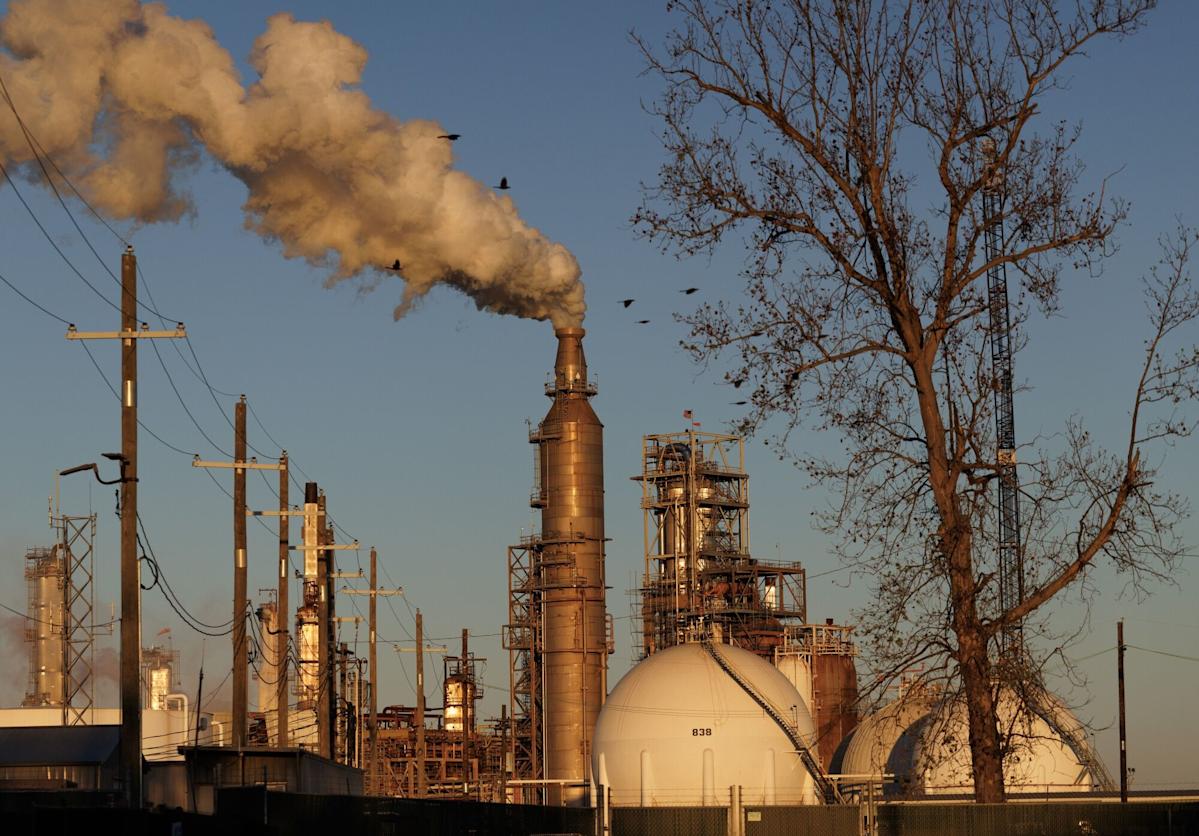
Applied Optoelectronics Expands Operations Amid Strong Demand

Applied Optoelectronics Inc (AAOI) saw its stock rise by 5.01% as it crossed above the 5-day SMA, reflecting positive investor sentiment.
The company has expanded its manufacturing operations by acquiring a 388,133 square foot property in Texas for $58.4 million, aiming to enhance its capacity to meet the rising demand for AI infrastructure. This move follows securing $124 million in orders from hyperscaler customers, indicating strong market demand for its fiber optic components. Despite concerns raised by analysts regarding valuation and customer concentration risks, investor confidence remains high, as evidenced by the stock's impressive performance this year.
The expansion is expected to position AAOI favorably in the growing AI market, potentially leading to further growth opportunities. However, the company must navigate the challenges highlighted by analysts to sustain its momentum.
Trade with 70% Backtested Accuracy
Analyst Views on AAOI

About AAOI
About the author


Applied Optoelectronics Expands Manufacturing Capacity in Houston Area
- Manufacturing Capacity Expansion: Applied Optoelectronics is adding approximately 388,000 square feet of manufacturing space in Pearland, Texas, to meet the surging demand for optical connectivity in data centers, thereby enhancing its competitive position in the AI infrastructure market.
- Increased Production Targets: This expansion will enable the company to produce up to 700,000 units of 800G and 1.6T transceivers monthly, with laser fabrication capacity expected to increase by around 350% by the end of 2027, significantly bolstering production capabilities to meet market demand.
- Strategic Alignment: The expansion aligns with the 2027 capacity targets outlined in the recent earnings call, indicating the company's commitment to becoming the premier high-volume U.S. producer of AI-focused transceivers and optics in the rapidly growing market.
- Customer Demand Response: Dr. Thompson Lin, the founder and CEO, noted that the demand for optical connectivity has exceeded expectations, and expanding manufacturing capacity will ensure the company can rapidly respond to customer needs and support the next wave of AI infrastructure deployments.

AI Stock Uncertainties Dissipate as Market Recovers


- Geopolitical Risk Eases: Despite no agreement reached in the Iran conflict, market signals indicate that investors are ready to move past uncertainties, with the Nasdaq closing up over 1% after an initial drop, suggesting a diminishing response to geopolitical concerns.
- Self-Sufficient Energy Supply: As hyperscale data centers demand more energy, memory producers like Micron and SanDisk are ramping up production to meet the need for high bandwidth memory, thereby facilitating further advancements in AI technology.
- Overblown Credit Fears: Although Moody's downgraded Blue Owl Capital's credit outlook to negative, overall credit default rates remain manageable, indicating that market fears regarding private credit may be exaggerated.
- Strong Performance of AI Stocks: Applied Optoelectronics has surged 65% in the past month, while SanDisk has risen 38%, demonstrating that despite market uncertainties, certain AI stocks continue to show robust growth potential.

AAOI Expands Manufacturing Operations in Texas
- Land Acquisition: AAOI has purchased a 388,133 square foot property in Texas for $58.4 million, intending to use it for office, warehouse, manufacturing, and assembly purposes, which aims to expand its operational capacity to meet rising AI demand.
- Surge in Orders: The expansion follows the company securing $124 million in orders from hyperscaler customers building datacenters, indicating strong market demand for its fiber optic components and potential for future growth.
- Stock Performance: AAOI's stock has surged over fourfold this year, closing with gains for eight consecutive trading sessions as of Monday, reflecting investor confidence in its role in AI infrastructure, despite mixed opinions on sustainability.
- Investor Sentiment: On Stocktwits, retail investor sentiment remains high, with bulls and bears debating the stock's rally, as analysts warn of a disconnect between the stock price and fundamentals, highlighting the market's keen interest and divergence in views.

AI Stocks Overcome Uncertainties, Surge Ahead
- Geopolitical Risk Eases: The geopolitical uncertainties stemming from the Iran conflict led to an investor exodus from high-growth tech stocks, yet the market showed renewed confidence on Monday with the Nasdaq rising over 1%, indicating that the worst may be behind.
- Self-Sufficient Energy Supply: Bloom Energy's expanded partnership with Oracle for 2.8GW of fuel cell deployments marks a historic commitment, significantly enhancing the company's competitive edge in AI cloud infrastructure amid soaring energy demands from hyperscalers.
- Private Credit Fears Alleviated: Although Blue Owl Capital's credit outlook was downgraded to negative by Moody's, overall credit default rates remain manageable, suggesting that fears surrounding private credit may be overstated, thus restoring investor confidence.
- CoreWeave Expansion Catalyst: CoreWeave's landmark $21 billion energy agreement with Meta is the largest bullish catalyst in its history, expected to double revenues by 2026, which bolsters market confidence in its future growth trajectory.

Mixed Close for US Stocks as Nasdaq Hits Six-Week High


- Market Volatility: On Friday, the S&P 500 closed down 0.11%, the Dow Jones Industrial Average fell 0.56%, while the Nasdaq 100 rose 0.14%, reflecting a tug-of-war between software stock weakness and inflation concerns.
- Inflation Data Impact: The US March CPI rose 3.3% year-on-year, slightly below the expected 3.4%, marking the largest increase in two years but failing to boost market confidence, as the consumer sentiment index dropped to a record low of 47.6.
- Geopolitical Factors: Optimism surrounding US-Iran diplomatic negotiations has increased market sentiment regarding Middle Eastern tensions, although President Trump's comments about military readiness have raised concerns, putting pressure on stocks.
- Sector Performance Divergence: Software stocks faced declines due to AI disruption fears, with ServiceNow and Cadence Design Systems down over 7% and 5%, respectively, while chipmakers like Broadcom and AMD rose over 4% and 3% due to increased market demand.
US Stocks Fluctuate Amid Inflation Concerns Impacting Markets

- Market Performance: The S&P 500 Index rose by 0.15%, reaching a five-week high, while the Nasdaq 100 Index increased by 0.35%, marking a six-week high, indicating market resilience amid easing inflation concerns.
- Consumer Sentiment Decline: The University of Michigan's consumer sentiment index fell to a record low of 47.6, significantly below the expected 51.5, reflecting pessimism about the economic outlook that could negatively impact future consumer spending.
- Oil Price Volatility: Despite the Strait of Hormuz remaining closed, WTI crude oil prices are experiencing volatility due to ongoing concerns about the situation in Iran, with over 800 vessels trapped, affecting global energy supply.
- Tech Stock Pressure: Software stocks are under pressure due to fears of AI disruption, with ServiceNow and Datadog both down over 7%, highlighting uncertainty in the tech sector's future, which may affect investor confidence.
Applied Optoelectronics Expands Manufacturing Capacity in Houston Area
- Manufacturing Capacity Expansion: Applied Optoelectronics is adding approximately 388,000 square feet of manufacturing space in Pearland, Texas, to meet the surging demand for optical connectivity in data centers, thereby enhancing its competitive position in the AI infrastructure market.
- Increased Production Targets: This expansion will enable the company to produce up to 700,000 units of 800G and 1.6T transceivers monthly, with laser fabrication capacity expected to increase by around 350% by the end of 2027, significantly bolstering production capabilities to meet market demand.
- Strategic Alignment: The expansion aligns with the 2027 capacity targets outlined in the recent earnings call, indicating the company's commitment to becoming the premier high-volume U.S. producer of AI-focused transceivers and optics in the rapidly growing market.
- Customer Demand Response: Dr. Thompson Lin, the founder and CEO, noted that the demand for optical connectivity has exceeded expectations, and expanding manufacturing capacity will ensure the company can rapidly respond to customer needs and support the next wave of AI infrastructure deployments.
AI Stock Uncertainties Dissipate as Market Recovers
- Geopolitical Risk Eases: Despite no agreement reached in the Iran conflict, market signals indicate that investors are ready to move past uncertainties, with the Nasdaq closing up over 1% after an initial drop, suggesting a diminishing response to geopolitical concerns.
- Self-Sufficient Energy Supply: As hyperscale data centers demand more energy, memory producers like Micron and SanDisk are ramping up production to meet the need for high bandwidth memory, thereby facilitating further advancements in AI technology.
- Overblown Credit Fears: Although Moody's downgraded Blue Owl Capital's credit outlook to negative, overall credit default rates remain manageable, indicating that market fears regarding private credit may be exaggerated.
- Strong Performance of AI Stocks: Applied Optoelectronics has surged 65% in the past month, while SanDisk has risen 38%, demonstrating that despite market uncertainties, certain AI stocks continue to show robust growth potential.
AAOI Expands Manufacturing Operations in Texas
- Land Acquisition: AAOI has purchased a 388,133 square foot property in Texas for $58.4 million, intending to use it for office, warehouse, manufacturing, and assembly purposes, which aims to expand its operational capacity to meet rising AI demand.
- Surge in Orders: The expansion follows the company securing $124 million in orders from hyperscaler customers building datacenters, indicating strong market demand for its fiber optic components and potential for future growth.
- Stock Performance: AAOI's stock has surged over fourfold this year, closing with gains for eight consecutive trading sessions as of Monday, reflecting investor confidence in its role in AI infrastructure, despite mixed opinions on sustainability.
- Investor Sentiment: On Stocktwits, retail investor sentiment remains high, with bulls and bears debating the stock's rally, as analysts warn of a disconnect between the stock price and fundamentals, highlighting the market's keen interest and divergence in views.
AI Stocks Overcome Uncertainties, Surge Ahead
- Geopolitical Risk Eases: The geopolitical uncertainties stemming from the Iran conflict led to an investor exodus from high-growth tech stocks, yet the market showed renewed confidence on Monday with the Nasdaq rising over 1%, indicating that the worst may be behind.
- Self-Sufficient Energy Supply: Bloom Energy's expanded partnership with Oracle for 2.8GW of fuel cell deployments marks a historic commitment, significantly enhancing the company's competitive edge in AI cloud infrastructure amid soaring energy demands from hyperscalers.
- Private Credit Fears Alleviated: Although Blue Owl Capital's credit outlook was downgraded to negative by Moody's, overall credit default rates remain manageable, suggesting that fears surrounding private credit may be overstated, thus restoring investor confidence.
- CoreWeave Expansion Catalyst: CoreWeave's landmark $21 billion energy agreement with Meta is the largest bullish catalyst in its history, expected to double revenues by 2026, which bolsters market confidence in its future growth trajectory.
Mixed Close for US Stocks as Nasdaq Hits Six-Week High
- Market Volatility: On Friday, the S&P 500 closed down 0.11%, the Dow Jones Industrial Average fell 0.56%, while the Nasdaq 100 rose 0.14%, reflecting a tug-of-war between software stock weakness and inflation concerns.
- Inflation Data Impact: The US March CPI rose 3.3% year-on-year, slightly below the expected 3.4%, marking the largest increase in two years but failing to boost market confidence, as the consumer sentiment index dropped to a record low of 47.6.
- Geopolitical Factors: Optimism surrounding US-Iran diplomatic negotiations has increased market sentiment regarding Middle Eastern tensions, although President Trump's comments about military readiness have raised concerns, putting pressure on stocks.
- Sector Performance Divergence: Software stocks faced declines due to AI disruption fears, with ServiceNow and Cadence Design Systems down over 7% and 5%, respectively, while chipmakers like Broadcom and AMD rose over 4% and 3% due to increased market demand.
US Stocks Fluctuate Amid Inflation Concerns Impacting Markets
- Market Performance: The S&P 500 Index rose by 0.15%, reaching a five-week high, while the Nasdaq 100 Index increased by 0.35%, marking a six-week high, indicating market resilience amid easing inflation concerns.
- Consumer Sentiment Decline: The University of Michigan's consumer sentiment index fell to a record low of 47.6, significantly below the expected 51.5, reflecting pessimism about the economic outlook that could negatively impact future consumer spending.
- Oil Price Volatility: Despite the Strait of Hormuz remaining closed, WTI crude oil prices are experiencing volatility due to ongoing concerns about the situation in Iran, with over 800 vessels trapped, affecting global energy supply.
- Tech Stock Pressure: Software stocks are under pressure due to fears of AI disruption, with ServiceNow and Datadog both down over 7%, highlighting uncertainty in the tech sector's future, which may affect investor confidence.