American Electric Power Reports Strong Earnings and Growth Outlook
American Electric Power (AEP) shares rose 3.05% and reached a 52-week high amid positive market conditions.
The company reported a non-GAAP EPS of $1.19 for Q4 2025, beating expectations by $0.05, which highlights its robust profitability and solidifies its leadership in the utility sector. Additionally, AEP's revenue of $5.31 billion exceeded forecasts, indicating sustained growth in electricity demand. Analysts have upgraded AEP's rating, reflecting confidence in its strategic investments in renewable energy and infrastructure, further enhancing its market position.
This strong performance and positive analyst outlook suggest that AEP is well-positioned for future growth, particularly with its ongoing investments in infrastructure and renewable energy projects.
Trade with 70% Backtested Accuracy
Analyst Views on AEP

About AEP
About the author


Decline of Low-Cost Airline Options in the U.S.


- Market Shift: The exit of Spirit Airlines has reduced low-cost flight options, forcing consumers to face higher fares during the busy summer travel season, which may adversely affect families and budget travelers.
- Premium Market Growth: Delta Air Lines reported a record annual revenue of $58.3 billion for 2025, despite a $1.1 billion drop in economy ticket sales, with 60% of revenue now coming from premium cabins and loyalty programs, indicating a shift in consumer preference towards higher-end services.
- Fuel Cost Pressure: U.S. carriers spent 56.4% more on jet fuel in March 2026 compared to February, totaling $5.06 billion, which compels airlines to raise fares to cope with rising costs, significantly impacting smaller carriers.
- Future of Low-Cost Carriers: While new entrants like Breeze Airways aim to fill the void left by Spirit, high fuel costs and competitive pressures pose challenges to the profitability of low-cost airlines, leaving their future growth uncertain.
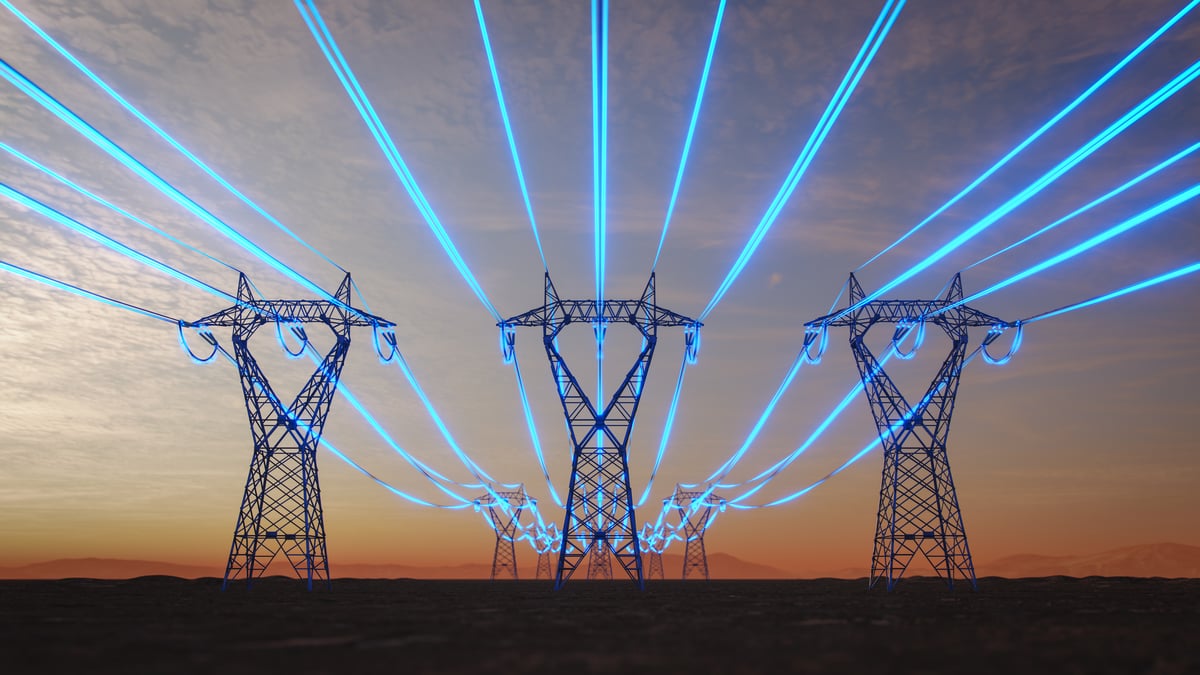
American Electric Power Sees Surge in Future Demand

- Surge in Contracted Demand: American Electric Power (AEP) signed 7 gigawatts of future load contracts in Q1 2026, raising its total expected load by 2030 to 63 gigawatts from 56 gigawatts just a quarter earlier, with nearly 90% of this demand coming from data centers, indicating a massive surge in electricity needs.
- Increased Capital Expenditure Plan: AEP has raised its five-year capital plan from $72 billion to $78 billion, primarily for new transmission and generation facilities, which is expected to grow its rate base at nearly an 11% compound annual rate, further driving long-term operating earnings growth.
- Strong Financial Performance: AEP's Q1 revenue rose about 10% year-over-year to $6 billion, with operating earnings per share increasing from $1.54 in 2025 to $1.64, and management reaffirmed its 2026 operating earnings guidance of $6.15 to $6.45 per share, reflecting the company's solid financial health.
- Risk and Valuation Considerations: AEP's growth hinges on the timely construction of grid infrastructure, with funding relying on debt and stock issuance that may dilute existing shareholders; currently priced at about $126, with a forward P/E ratio of around 20, indicating the market's optimistic outlook on future data center-driven growth.

American Electric Power's Capital Spending Soars
- Future Load Growth: American Electric Power (AEP) expects its contracted load to reach 63 gigawatts by 2030, up from 56 gigawatts last quarter, with nearly 90% coming from data centers, significantly driving the company's electricity sales and revenue growth.
- Investment Plan Increase: AEP has raised its five-year investment plan from $72 billion to $78 billion, primarily for new transmission and generation facilities, which is expected to grow its rate base at nearly an 11% compound annual growth rate, further enhancing long-term profitability.
- Improved Financial Performance: AEP's first-quarter revenue rose about 10% year-over-year to $6.0 billion, with operating earnings per share increasing from $1.54 to $1.64, and management reaffirmed its 2026 earnings guidance of $6.15 to $6.45 per share, indicating strong profitability.
- Increased Financing Risks: AEP plans to raise about $7 billion through debt and stock offerings, which may dilute existing shareholders, but its long-term contracts provide stable cash flow, mitigating risks from market volatility.

Tech Rally Lifts S&P 500 to Record Highs


- Tech Stock Performance: The S&P 500 reached new highs due to a tech rally, although Snowflake and Salesforce underperformed investor expectations, with gains of 2.6% and losses of 10% over the past three months, indicating a divergence in market sentiment towards tech stocks.
- Analyst Expectations: The majority of the 46 analysts covering Snowflake maintain buy or overweight ratings with a target price of $231.38, while 40 analysts for Salesforce share a similar outlook with a target of $254.43, suggesting ongoing confidence in both companies' future performance.
- Airline Stock Recovery: Airline stocks have performed well over the past month, with Delta Air Lines up about 16% and American Airlines up 22%, reflecting optimistic market sentiment ahead of the summer travel season, despite overall stock prices remaining below January highs.
- Impact of FedEx Spin-off: The upcoming listing of FedEx Freight marks increased Wall Street interest in less-than-truckload companies, with FedEx shares surging 45% over the past six months, indicating market recognition of its growth potential.

Middle East Tensions Drive Market Volatility

- Market Reaction: The re-escalation of tensions in the Middle East has led to significant market volatility, with investors struggling to find a reliable theme, particularly after President Trump's announcement of a 'largely negotiated' deal with Iran, which caused crude oil prices to plummet and stocks to rally, highlighting the market's sensitivity to headlines.
- Oil and Volatility Correlation: WTI crude oil was trading around $50 at the beginning of the year, while the volatility index (VIX) hovered in the mid-teens; however, as the Iranian conflict intensified, both crude oil and volatility began to rise, indicating a clear correlation between the two, leaving future market expectations uncertain.
- Energy vs. Technology Performance: Contrary to popular belief that technology stocks are leading, the energy sector has risen 32% year-to-date, outpacing technology's 29%, suggesting that in a volatile market, energy remains a focal point for investors, especially as global supply chains face disruptions.
- Airline Recovery Signals: With the JETS ETF breaking above April highs, airlines like Delta and American Airlines, which were severely impacted by the conflict, are showing signs of recovery, indicating that the airline sector may perform better in the future, particularly if oil prices decline.

CDL's Distribution Structure Solid Amid Rising Yield Competition


- Solid Distribution Structure: CDL's distribution relies entirely on dividends collected from large U.S. companies, with a payout of $2.29 per share in 2025 against a current share price of approximately $76, ensuring stable cash flow and reliable monthly distributions.
- Increased Yield Competition: The 10-year Treasury yield has reached 4.61%, surpassing CDL's 3.6% yield, which pressures share price upside but does not threaten CDL's monthly dividend stream.
- Portfolio Concentration: CDL's income is primarily derived from regulated utility companies like WEC Energy and Duke Energy, which possess stable cash flows and long-term dividend records that support future dividend growth.
- Strong Long-Term Returns: Despite the pressure from rising yields, CDL has increased by 18% over the past year, 54% over five years, and 190% over ten years, demonstrating that it provides stable dividends without sacrificing capital.
Decline of Low-Cost Airline Options in the U.S.
- Market Shift: The exit of Spirit Airlines has reduced low-cost flight options, forcing consumers to face higher fares during the busy summer travel season, which may adversely affect families and budget travelers.
- Premium Market Growth: Delta Air Lines reported a record annual revenue of $58.3 billion for 2025, despite a $1.1 billion drop in economy ticket sales, with 60% of revenue now coming from premium cabins and loyalty programs, indicating a shift in consumer preference towards higher-end services.
- Fuel Cost Pressure: U.S. carriers spent 56.4% more on jet fuel in March 2026 compared to February, totaling $5.06 billion, which compels airlines to raise fares to cope with rising costs, significantly impacting smaller carriers.
- Future of Low-Cost Carriers: While new entrants like Breeze Airways aim to fill the void left by Spirit, high fuel costs and competitive pressures pose challenges to the profitability of low-cost airlines, leaving their future growth uncertain.
American Electric Power Sees Surge in Future Demand
- Surge in Contracted Demand: American Electric Power (AEP) signed 7 gigawatts of future load contracts in Q1 2026, raising its total expected load by 2030 to 63 gigawatts from 56 gigawatts just a quarter earlier, with nearly 90% of this demand coming from data centers, indicating a massive surge in electricity needs.
- Increased Capital Expenditure Plan: AEP has raised its five-year capital plan from $72 billion to $78 billion, primarily for new transmission and generation facilities, which is expected to grow its rate base at nearly an 11% compound annual rate, further driving long-term operating earnings growth.
- Strong Financial Performance: AEP's Q1 revenue rose about 10% year-over-year to $6 billion, with operating earnings per share increasing from $1.54 in 2025 to $1.64, and management reaffirmed its 2026 operating earnings guidance of $6.15 to $6.45 per share, reflecting the company's solid financial health.
- Risk and Valuation Considerations: AEP's growth hinges on the timely construction of grid infrastructure, with funding relying on debt and stock issuance that may dilute existing shareholders; currently priced at about $126, with a forward P/E ratio of around 20, indicating the market's optimistic outlook on future data center-driven growth.
American Electric Power's Capital Spending Soars
- Future Load Growth: American Electric Power (AEP) expects its contracted load to reach 63 gigawatts by 2030, up from 56 gigawatts last quarter, with nearly 90% coming from data centers, significantly driving the company's electricity sales and revenue growth.
- Investment Plan Increase: AEP has raised its five-year investment plan from $72 billion to $78 billion, primarily for new transmission and generation facilities, which is expected to grow its rate base at nearly an 11% compound annual growth rate, further enhancing long-term profitability.
- Improved Financial Performance: AEP's first-quarter revenue rose about 10% year-over-year to $6.0 billion, with operating earnings per share increasing from $1.54 to $1.64, and management reaffirmed its 2026 earnings guidance of $6.15 to $6.45 per share, indicating strong profitability.
- Increased Financing Risks: AEP plans to raise about $7 billion through debt and stock offerings, which may dilute existing shareholders, but its long-term contracts provide stable cash flow, mitigating risks from market volatility.
Tech Rally Lifts S&P 500 to Record Highs
- Tech Stock Performance: The S&P 500 reached new highs due to a tech rally, although Snowflake and Salesforce underperformed investor expectations, with gains of 2.6% and losses of 10% over the past three months, indicating a divergence in market sentiment towards tech stocks.
- Analyst Expectations: The majority of the 46 analysts covering Snowflake maintain buy or overweight ratings with a target price of $231.38, while 40 analysts for Salesforce share a similar outlook with a target of $254.43, suggesting ongoing confidence in both companies' future performance.
- Airline Stock Recovery: Airline stocks have performed well over the past month, with Delta Air Lines up about 16% and American Airlines up 22%, reflecting optimistic market sentiment ahead of the summer travel season, despite overall stock prices remaining below January highs.
- Impact of FedEx Spin-off: The upcoming listing of FedEx Freight marks increased Wall Street interest in less-than-truckload companies, with FedEx shares surging 45% over the past six months, indicating market recognition of its growth potential.
Middle East Tensions Drive Market Volatility
- Market Reaction: The re-escalation of tensions in the Middle East has led to significant market volatility, with investors struggling to find a reliable theme, particularly after President Trump's announcement of a 'largely negotiated' deal with Iran, which caused crude oil prices to plummet and stocks to rally, highlighting the market's sensitivity to headlines.
- Oil and Volatility Correlation: WTI crude oil was trading around $50 at the beginning of the year, while the volatility index (VIX) hovered in the mid-teens; however, as the Iranian conflict intensified, both crude oil and volatility began to rise, indicating a clear correlation between the two, leaving future market expectations uncertain.
- Energy vs. Technology Performance: Contrary to popular belief that technology stocks are leading, the energy sector has risen 32% year-to-date, outpacing technology's 29%, suggesting that in a volatile market, energy remains a focal point for investors, especially as global supply chains face disruptions.
- Airline Recovery Signals: With the JETS ETF breaking above April highs, airlines like Delta and American Airlines, which were severely impacted by the conflict, are showing signs of recovery, indicating that the airline sector may perform better in the future, particularly if oil prices decline.
CDL's Distribution Structure Solid Amid Rising Yield Competition
- Solid Distribution Structure: CDL's distribution relies entirely on dividends collected from large U.S. companies, with a payout of $2.29 per share in 2025 against a current share price of approximately $76, ensuring stable cash flow and reliable monthly distributions.
- Increased Yield Competition: The 10-year Treasury yield has reached 4.61%, surpassing CDL's 3.6% yield, which pressures share price upside but does not threaten CDL's monthly dividend stream.
- Portfolio Concentration: CDL's income is primarily derived from regulated utility companies like WEC Energy and Duke Energy, which possess stable cash flows and long-term dividend records that support future dividend growth.
- Strong Long-Term Returns: Despite the pressure from rising yields, CDL has increased by 18% over the past year, 54% over five years, and 190% over ten years, demonstrating that it provides stable dividends without sacrificing capital.