AMD's Q1 Guidance Falls Short, Stock Drops 9%
AMD's stock dropped 4.32% to hit a 20-day low, reflecting market disappointment over its Q1 guidance amid a broader tech sell-off.
The company's Q1 revenue forecast of $9.8 billion fell short of market expectations of $9.38 billion, undermining investor confidence despite a strong Q4 earnings report where revenue surpassed estimates at $10.27 billion. Analysts noted that AMD's guidance failed to meet elevated expectations, particularly in the context of ongoing growth in AI spending, which had significantly raised performance expectations. Furthermore, AMD's partnership with OpenAI is expected to drive future growth, with plans to deploy 6 gigawatts of Instinct GPUs starting in the second half of 2026.
This disappointing guidance has led to a significant drop in AMD's stock price, highlighting the challenges the company faces in meeting investor expectations in a competitive AI market, even as it continues to expand its partnerships and product offerings.
Trade with 70% Backtested Accuracy
Analyst Views on AMD

About AMD
About the author


Nvidia and AMD Compete in the AI Boom


- Nvidia's Market Leadership: Nvidia has emerged as a leader in AI infrastructure, with revenue projected to soar from $17 billion in fiscal 2021 to $216 billion in fiscal 2026, achieving a market cap exceeding $4 trillion, underscoring its competitive strength in the AI sector.
- AMD's Strategic Opportunities: AMD's two significant GPU deals with OpenAI and Meta are expected to generate hundreds of millions in new revenue, while also promoting the adoption of its ROCm software, enhancing its competitive position in the inference market.
- Growth Potential in Data Center CPUs: As AI agents gain traction, AMD's leadership in the data center CPU market positions it to benefit from a surge in demand for these chips, making it a crucial component of AI infrastructure.
- Investor Focus: While Nvidia's dominance in AI is clear, AMD, as a smaller company, presents a compelling investment opportunity due to its prospects in data center CPUs and GPUs, potentially offering higher returns for investors.
Investment Winners in the AI Boom
- Nvidia's Market Dominance: Nvidia has excelled in AI infrastructure, with projected revenue soaring from $17 billion in fiscal 2021 to $216 billion by fiscal 2026, and a market cap exceeding $4 trillion, reflecting its 90% share in the GPU market and strong competitive edge.
- AMD's Growth Potential: Although AMD trails Nvidia in the data center GPU market, its significant GPU deals with OpenAI and Meta are expected to generate hundreds of millions in new revenue, enhancing its competitive position in the inference market and significantly boosting its market presence.
- Opportunities in Data Center CPUs: AMD leads the data center CPU market, and with the rise of AI agents, demand for CPUs is anticipated to surge, positioning AMD at the center of the next massive market for AI infrastructure, further driving its growth.
- Best Investment Choice: While Nvidia's leadership in AI is undeniable, AMD, as a smaller company, presents a more attractive option for investors looking to capitalize on the AI boom, given its substantial opportunities in both data center CPUs and GPUs.
Investment Opportunities in the AI Supercycle
- Nvidia's Market Dominance: Nvidia has excelled in the AI infrastructure build-out, with revenue projected to soar from $17 billion in fiscal 2021 to $216 billion by fiscal 2026, achieving a market cap exceeding $4 trillion, which solidifies its 90% market share in large language model training and reinforces its industry leadership.
- AMD's Growth Potential: While AMD trails Nvidia in the data center GPU market, its two significant GPU deals with OpenAI and Meta are expected to generate hundreds of millions in new revenue, enhancing its competitive edge in inference, which is predicted to be a major growth area in AI infrastructure.
- Surge in Data Center CPU Demand: With the rise of AI agents, AMD's leadership in the data center CPU market positions it to benefit from a substantial increase in demand for these chips, providing a new revenue stream and further solidifying its market position.
- Investor Choice: Although Nvidia's leadership in AI is undeniable, AMD, as a smaller company, presents a more attractive investment opportunity due to its potential in data center CPUs and GPU markets, likely yielding higher long-term returns for investors looking to capitalize on the AI boom.
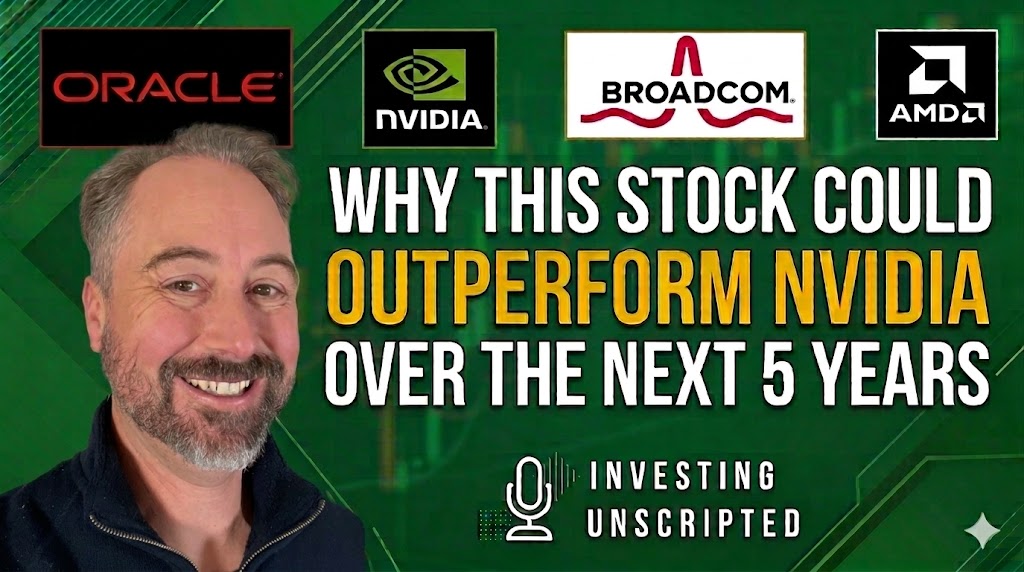
Why Oracle Could Outperform Nvidia Over Next Five Years

- Market Share Competition: Over the next five years, Oracle is expected to capture a larger share of the AI chip market, particularly as companies like Broadcom and AMD may dilute Nvidia's dominance, enhancing Oracle's competitive edge.
- Industry Trend Analysis: With the rising demand for AI, Oracle's technology and product offerings may align better with market needs, especially in enterprise solutions, which will help elevate its position in the industry.
- Investor Confidence Boost: Analysts are optimistic about Oracle's prospects, believing its performance will surpass Nvidia's over the next five years, potentially attracting more investor interest and driving stock price increases.
- Innovation Potential: Oracle's ongoing investments and R&D capabilities in the AI sector may allow it to lead in technological innovation over Nvidia, further solidifying its market position and driving long-term growth.

Why Oracle Could Outperform Nvidia in Five Years
- Market Share Competition: Over the next five years, Oracle is expected to capture a larger share of the AI chip market, particularly as companies like Broadcom and AMD may increase their market participation, thereby posing competitive pressure on Nvidia.
- Investment Return Potential: The Motley Fool analyst team notes that despite Nvidia's past performance, it is not included in the current list of 10 recommended stocks, indicating a cautious market sentiment regarding its future growth, which could impact its stock price performance.
- Historical Performance Comparison: According to Motley Fool data, previously recommended stocks like Netflix and Nvidia yielded massive returns for investors, at 532,066% and 1,087,496% respectively, highlighting the strong investment potential in emerging technology companies.
- Power of Investment Community: The Motley Fool's Stock Advisor service fosters a community of individual investors, emphasizing the importance of collective wisdom in identifying potential high-return investments, which may influence investor focus on Oracle and other companies.

Microsoft Partners with Japanese Cloud Firms for $10 Billion AI Investment


- Massive Investment: Microsoft has announced a $10 billion investment in Japan from 2026 to 2029 to build AI infrastructure, enhance cybersecurity, and train 1 million engineers and developers by 2030, demonstrating a strong commitment to the Japanese market and strategic foresight in technology development.
- Stock Surge: Following this announcement, shares of Sakura Internet surged by 20.2% on Friday, reflecting market optimism regarding the partnership's potential and likely boosting the performance of related companies in the sector.
- Strategic Partnerships: Microsoft will collaborate with Sakura Internet and SoftBank to provide AI computing resources, including graphics processing units located in Japan, which will not only support the development of domestic large language models but also enhance Japan's competitiveness in the global AI landscape.
- Talent Development Initiative: Microsoft plans to partner with five major Japanese IT companies, including NTT Data, NEC, Fujitsu, and Hitachi, to train 1 million AI professionals by 2030, aiming to meet the growing demand for cloud and AI services in Japan and further solidify its market position.
Nvidia and AMD Compete in the AI Boom
- Nvidia's Market Leadership: Nvidia has emerged as a leader in AI infrastructure, with revenue projected to soar from $17 billion in fiscal 2021 to $216 billion in fiscal 2026, achieving a market cap exceeding $4 trillion, underscoring its competitive strength in the AI sector.
- AMD's Strategic Opportunities: AMD's two significant GPU deals with OpenAI and Meta are expected to generate hundreds of millions in new revenue, while also promoting the adoption of its ROCm software, enhancing its competitive position in the inference market.
- Growth Potential in Data Center CPUs: As AI agents gain traction, AMD's leadership in the data center CPU market positions it to benefit from a surge in demand for these chips, making it a crucial component of AI infrastructure.
- Investor Focus: While Nvidia's dominance in AI is clear, AMD, as a smaller company, presents a compelling investment opportunity due to its prospects in data center CPUs and GPUs, potentially offering higher returns for investors.
Investment Winners in the AI Boom
- Nvidia's Market Dominance: Nvidia has excelled in AI infrastructure, with projected revenue soaring from $17 billion in fiscal 2021 to $216 billion by fiscal 2026, and a market cap exceeding $4 trillion, reflecting its 90% share in the GPU market and strong competitive edge.
- AMD's Growth Potential: Although AMD trails Nvidia in the data center GPU market, its significant GPU deals with OpenAI and Meta are expected to generate hundreds of millions in new revenue, enhancing its competitive position in the inference market and significantly boosting its market presence.
- Opportunities in Data Center CPUs: AMD leads the data center CPU market, and with the rise of AI agents, demand for CPUs is anticipated to surge, positioning AMD at the center of the next massive market for AI infrastructure, further driving its growth.
- Best Investment Choice: While Nvidia's leadership in AI is undeniable, AMD, as a smaller company, presents a more attractive option for investors looking to capitalize on the AI boom, given its substantial opportunities in both data center CPUs and GPUs.
Investment Opportunities in the AI Supercycle
- Nvidia's Market Dominance: Nvidia has excelled in the AI infrastructure build-out, with revenue projected to soar from $17 billion in fiscal 2021 to $216 billion by fiscal 2026, achieving a market cap exceeding $4 trillion, which solidifies its 90% market share in large language model training and reinforces its industry leadership.
- AMD's Growth Potential: While AMD trails Nvidia in the data center GPU market, its two significant GPU deals with OpenAI and Meta are expected to generate hundreds of millions in new revenue, enhancing its competitive edge in inference, which is predicted to be a major growth area in AI infrastructure.
- Surge in Data Center CPU Demand: With the rise of AI agents, AMD's leadership in the data center CPU market positions it to benefit from a substantial increase in demand for these chips, providing a new revenue stream and further solidifying its market position.
- Investor Choice: Although Nvidia's leadership in AI is undeniable, AMD, as a smaller company, presents a more attractive investment opportunity due to its potential in data center CPUs and GPU markets, likely yielding higher long-term returns for investors looking to capitalize on the AI boom.
Why Oracle Could Outperform Nvidia Over Next Five Years
- Market Share Competition: Over the next five years, Oracle is expected to capture a larger share of the AI chip market, particularly as companies like Broadcom and AMD may dilute Nvidia's dominance, enhancing Oracle's competitive edge.
- Industry Trend Analysis: With the rising demand for AI, Oracle's technology and product offerings may align better with market needs, especially in enterprise solutions, which will help elevate its position in the industry.
- Investor Confidence Boost: Analysts are optimistic about Oracle's prospects, believing its performance will surpass Nvidia's over the next five years, potentially attracting more investor interest and driving stock price increases.
- Innovation Potential: Oracle's ongoing investments and R&D capabilities in the AI sector may allow it to lead in technological innovation over Nvidia, further solidifying its market position and driving long-term growth.
Why Oracle Could Outperform Nvidia in Five Years
- Market Share Competition: Over the next five years, Oracle is expected to capture a larger share of the AI chip market, particularly as companies like Broadcom and AMD may increase their market participation, thereby posing competitive pressure on Nvidia.
- Investment Return Potential: The Motley Fool analyst team notes that despite Nvidia's past performance, it is not included in the current list of 10 recommended stocks, indicating a cautious market sentiment regarding its future growth, which could impact its stock price performance.
- Historical Performance Comparison: According to Motley Fool data, previously recommended stocks like Netflix and Nvidia yielded massive returns for investors, at 532,066% and 1,087,496% respectively, highlighting the strong investment potential in emerging technology companies.
- Power of Investment Community: The Motley Fool's Stock Advisor service fosters a community of individual investors, emphasizing the importance of collective wisdom in identifying potential high-return investments, which may influence investor focus on Oracle and other companies.
Microsoft Partners with Japanese Cloud Firms for $10 Billion AI Investment
- Massive Investment: Microsoft has announced a $10 billion investment in Japan from 2026 to 2029 to build AI infrastructure, enhance cybersecurity, and train 1 million engineers and developers by 2030, demonstrating a strong commitment to the Japanese market and strategic foresight in technology development.
- Stock Surge: Following this announcement, shares of Sakura Internet surged by 20.2% on Friday, reflecting market optimism regarding the partnership's potential and likely boosting the performance of related companies in the sector.
- Strategic Partnerships: Microsoft will collaborate with Sakura Internet and SoftBank to provide AI computing resources, including graphics processing units located in Japan, which will not only support the development of domestic large language models but also enhance Japan's competitiveness in the global AI landscape.
- Talent Development Initiative: Microsoft plans to partner with five major Japanese IT companies, including NTT Data, NEC, Fujitsu, and Hitachi, to train 1 million AI professionals by 2030, aiming to meet the growing demand for cloud and AI services in Japan and further solidify its market position.