Alibaba Invests 2 Billion Yuan in AI Video Generation Startup ShengShu
Alibaba Group Holding Ltd's stock rose 3.92% as it reached a 20-day high, reflecting positive market sentiment.
The company has led a significant investment of 2 billion yuan ($290 million) in the AI video generation startup ShengShu, aiming to enhance its competitive edge in the AI sector. This strategic move showcases Alibaba's commitment to advancing innovative technologies, particularly with ShengShu's Vidu tool, which aims to create a more natural simulation of the physical world using multimodal data. This investment follows ShengShu's previous funding rounds and indicates Alibaba's proactive approach to maintaining its leadership in the rapidly evolving AI landscape.
This investment not only strengthens Alibaba's position in the AI video generation market but also highlights its strategy to leverage cutting-edge technology to drive future growth. As competition intensifies with rivals like Kuaishou and ByteDance, Alibaba's focus on innovation may provide it with a significant advantage in capturing market share.
Trade with 70% Backtested Accuracy
Analyst Views on BABA

About BABA
About the author

Alibaba's Qwen Platform Launches Custom AI Agents for Enhanced Shopping Experience

- Custom AI Agents Launch: Alibaba's Qwen platform now enables companies to create custom AI agents, allowing users to browse, order, and pay through natural language, aiming to enhance user experience and retain over 140 million AI shopping users, thereby driving revenue growth.
- Major Brands Onboard: Well-known brands like KFC, Luckin Coffee, and Mixue are among the first to participate in Qwen's rollout, enabling users to complete transactions directly within the Qwen app, reducing the hassle of switching between apps and enhancing shopping convenience.
- Beyond Traditional Chatbots: Qwen goes beyond providing AI-generated answers by remembering user preferences and offering personalized suggestions, such as recommending travel itineraries based on history, deepening user interaction with brands.
- Building a Connected Commerce Ecosystem: Alibaba aims to integrate Qwen more deeply into its digital network, including Taobao and Tmall, by consolidating shopping, payments, and customer interactions into a single AI system, helping merchants and partners increase revenue.
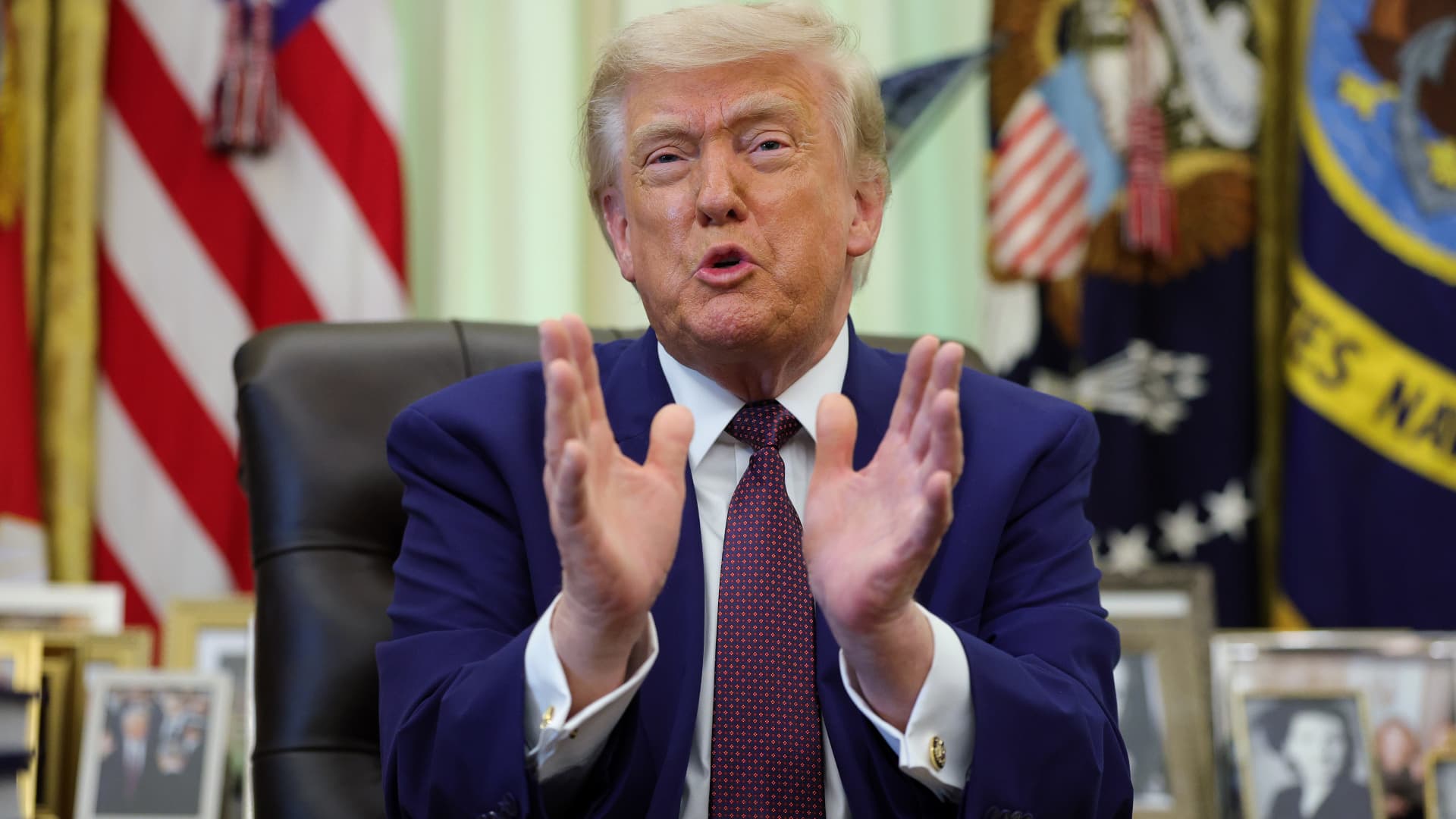
Middle East Tensions Impact Market Volatility


- Escalating Middle East Tensions: Israeli Prime Minister Netanyahu stated that Israel and the U.S. are prepared to take military action against Iran if necessary, which pushed oil prices higher despite a ceasefire agreement with Lebanon, highlighting the complexity of the situation.
- U.S. Congressional Response: The U.S. House passed a war powers measure to end military involvement in Iran, reflecting growing congressional pushback against the scope and duration of the conflict, although the measure still needs Senate approval and could face a presidential veto.
- Corporate Earnings Impact: Broadcom's shares plummeted nearly 14% in after-hours trading due to weaker-than-expected software revenue and failure to raise its full-year AI chip sales target, negatively impacting Wall Street's recent tech-led rally.
- Bitcoin Market Dynamics: Long-term holders of Bitcoin have begun selling, with approximately $2.4 billion sold in the past two days, which could significantly affect Bitcoin's supply/demand balance, particularly as 26% of the sold Bitcoin was purchased above $90,000.
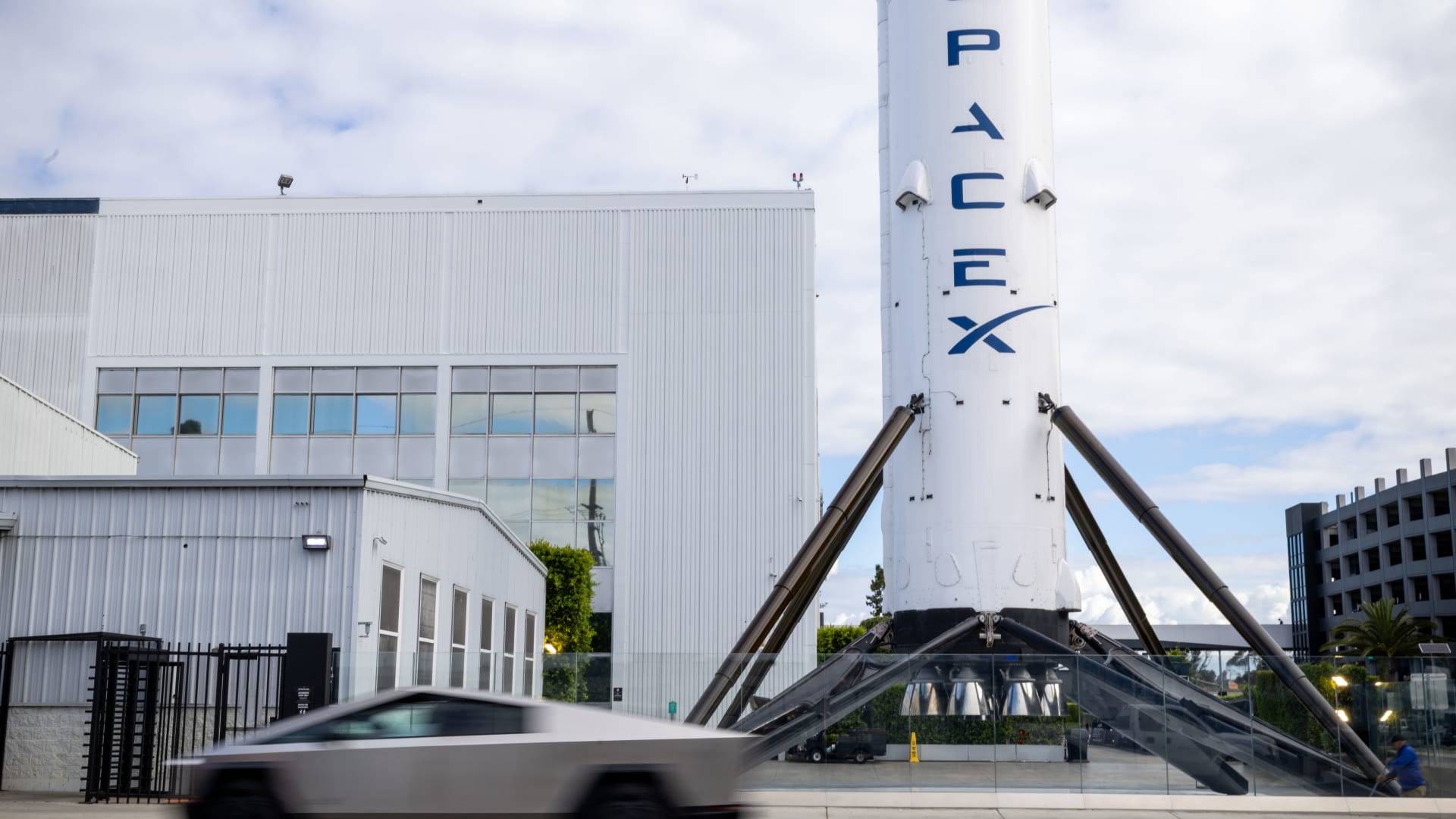
SpaceX IPO: Record Debut with High Volatility Risks
- Historical Performance Analysis: Data from Truist Wealth indicates that 30 major IPOs over the past 15 years have seen a median drop of 9% within 12 months post-debut, highlighting the downward pressure typically faced by newly public companies, necessitating caution from investors.
- Volatility Expectations: These companies have experienced an average stock price decline of 54% in the first 12 months, suggesting that SpaceX, as a soon-to-be megacap, may encounter similar severe volatility, particularly with high retail investor participation.
- Funding Scale and Valuation: SpaceX is expected to raise $75 billion at a $1.75 trillion valuation, positioning it among the top ten largest public companies, surpassing well-known firms like Meta and Tesla, which underscores its market potential and attractiveness.
- Retail Investor Participation: SpaceX plans to allocate up to 30% of its shares to individual investors, a stark contrast to the historical 90/10 institutional-to-retail split, which could further amplify market volatility and increase risks for investors.
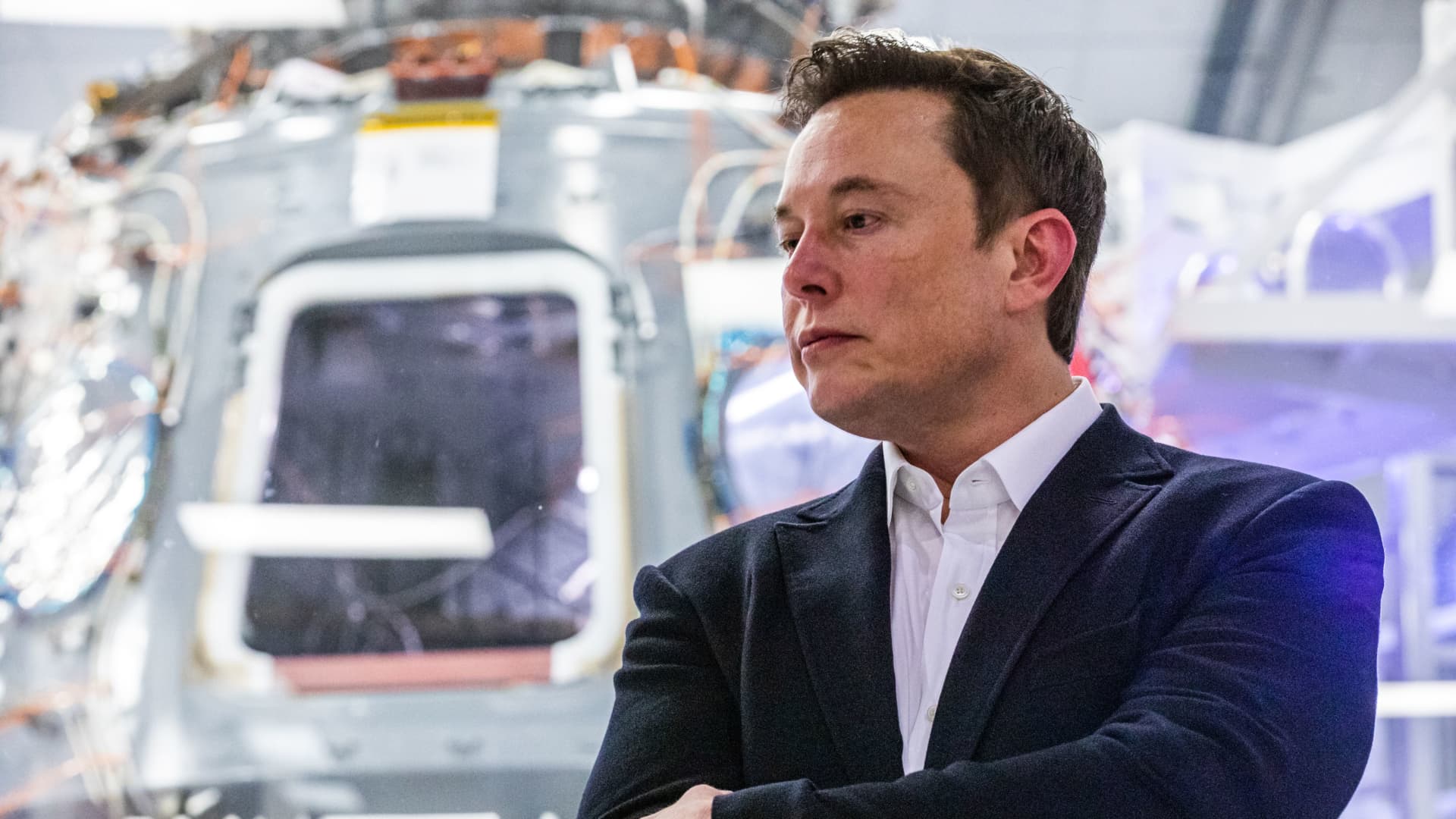
SpaceX Sets Fixed IPO Price at $135, Valuing Company at $1.75 Trillion

- IPO Pricing Strategy: SpaceX plans to issue 555.6 million shares at a fixed price of $135 each in its IPO, aiming for a fundraising size of $75 billion, a strategy that diverges from the typical price range approach, indicating strong confidence in market demand.
- Company Valuation: At the $135 price point, SpaceX would be valued at $1.75 trillion, making it the seventh-largest company in the U.S. and surpassing Tesla's $1.6 trillion market cap, further solidifying its leadership position in the aerospace industry.
- Market Impact: This IPO is expected to be the largest in history, exceeding Alibaba's IPO size, marking a significant breakthrough for SpaceX in the capital markets while also drawing attention to AI companies like Anthropic and OpenAI.
- Employee Stock Program: SpaceX plans to reserve up to 5% of its IPO shares for
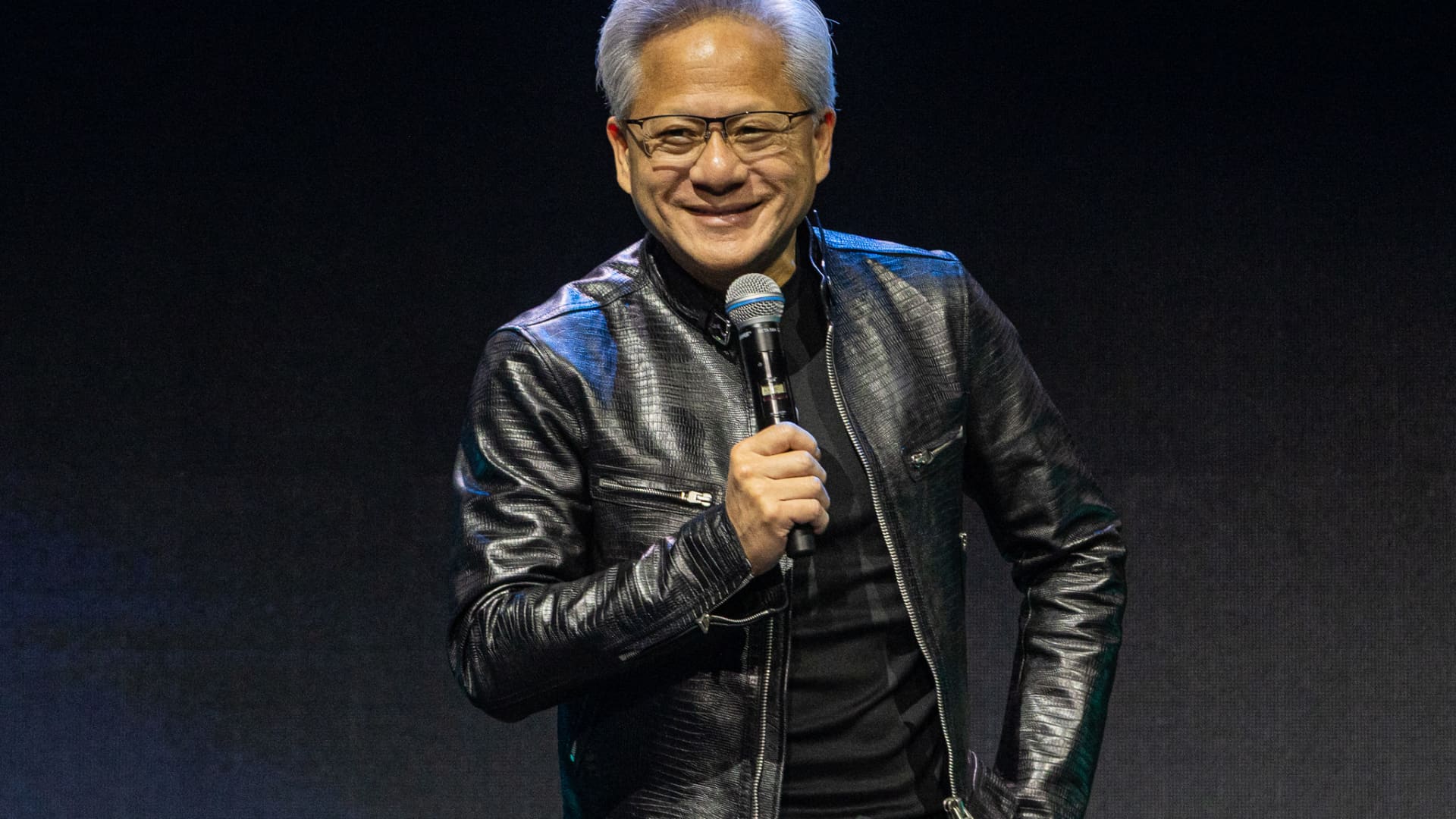
AI Momentum Drives Wall Street to New Heights
- Market Milestones: The S&P 500 reached another record close as traders absorbed tech headlines from the Computex conference in Taipei, reflecting strong investor confidence in the AI sector and signaling a potential influx of capital into major tech firms.
- Nvidia's Influence: CEO Jensen Huang's announcement of new PC processors developed with Microsoft at the conference led to a 32% surge in Marvell's stock, highlighting Huang's market influence and the potential for guiding future tech investments.
- Geopolitical Risks: Despite ongoing optimism in the AI space, geopolitical tensions, particularly the unresolved conflict between the U.S. and Iran, pose a risk to market sentiment, necessitating vigilance among investors.
- Oil Price Fluctuations: West Texas Intermediate futures rose over 1% to $94.81 per barrel due to potential disruptions in the Strait of Hormuz, indicating market sensitivity to geopolitical risks that could impact future energy investment strategies.
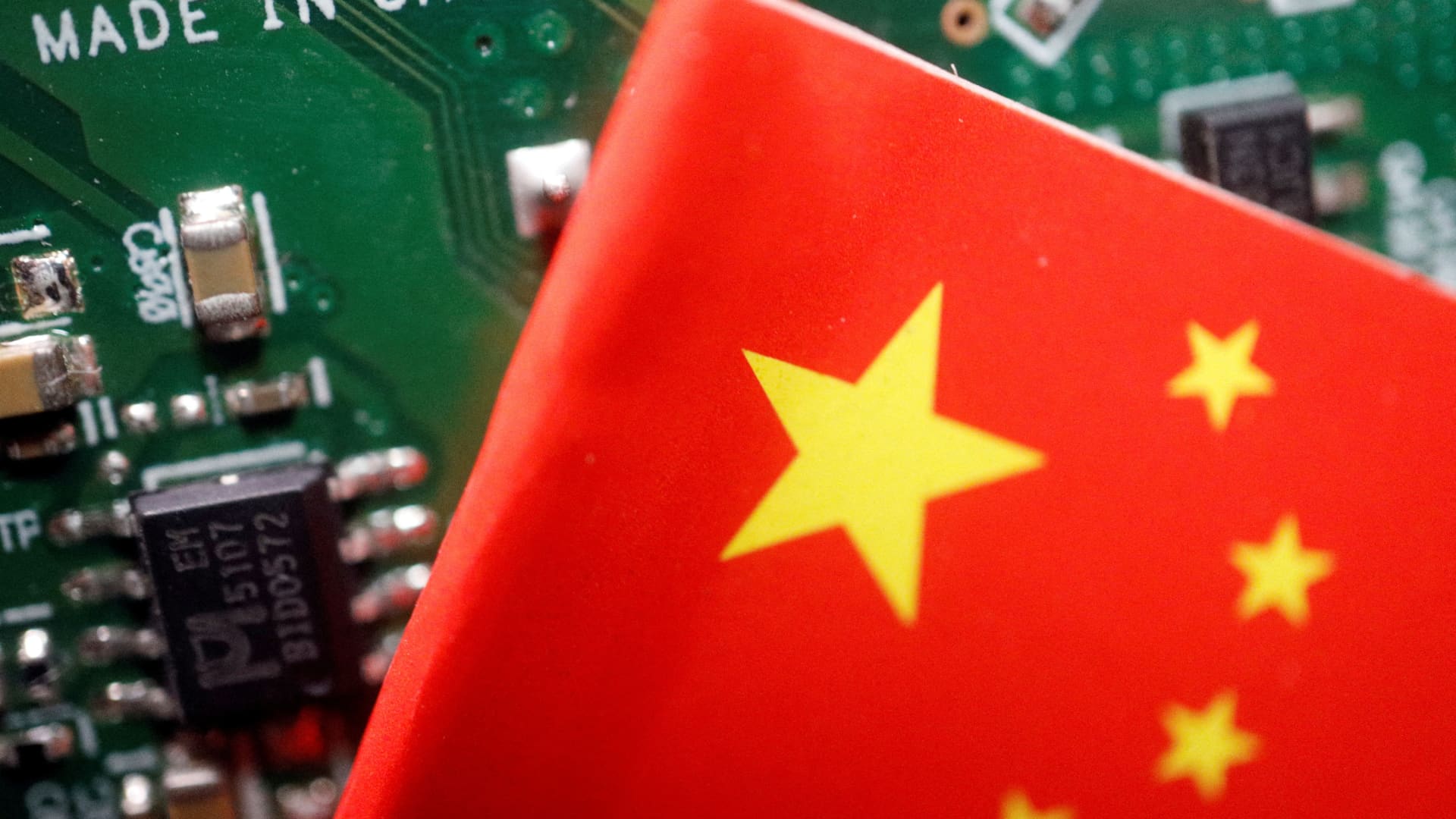
Goldman Sachs Prefers Mainland Stocks, Downgrades H Shares

- Investment Strategy Shift: Goldman Sachs downgraded its rating on H shares to market-weight while maintaining an overweight stance on mainland A shares, reflecting its preference for investments in artificial intelligence hardware, which is expected to enhance its competitive edge in the AI sector.
- Target Index Increase: The firm raised its 12-month target for the CSI 300 from 5,300 to 5,500, indicating nearly a 12% upside from Tuesday's close, showcasing optimism towards the mainland market.
- Market Performance Discrepancy: So far this year, the Hang Seng Index has risen about 1.5%, while the CSI 300 has gained over 6%, highlighting the relative strength of the mainland market, particularly in the AI hardware sector.
- IPO Dynamics Shift: Anticipated Chinese chip and humanoid robot IPOs are set to launch directly in the mainland market, with H-share AI model companies also planning A-share listings, indicating an increasing attractiveness of the mainland market for tech innovation.
Alibaba's Qwen Platform Launches Custom AI Agents for Enhanced Shopping Experience
- Custom AI Agents Launch: Alibaba's Qwen platform now enables companies to create custom AI agents, allowing users to browse, order, and pay through natural language, aiming to enhance user experience and retain over 140 million AI shopping users, thereby driving revenue growth.
- Major Brands Onboard: Well-known brands like KFC, Luckin Coffee, and Mixue are among the first to participate in Qwen's rollout, enabling users to complete transactions directly within the Qwen app, reducing the hassle of switching between apps and enhancing shopping convenience.
- Beyond Traditional Chatbots: Qwen goes beyond providing AI-generated answers by remembering user preferences and offering personalized suggestions, such as recommending travel itineraries based on history, deepening user interaction with brands.
- Building a Connected Commerce Ecosystem: Alibaba aims to integrate Qwen more deeply into its digital network, including Taobao and Tmall, by consolidating shopping, payments, and customer interactions into a single AI system, helping merchants and partners increase revenue.
Middle East Tensions Impact Market Volatility
- Escalating Middle East Tensions: Israeli Prime Minister Netanyahu stated that Israel and the U.S. are prepared to take military action against Iran if necessary, which pushed oil prices higher despite a ceasefire agreement with Lebanon, highlighting the complexity of the situation.
- U.S. Congressional Response: The U.S. House passed a war powers measure to end military involvement in Iran, reflecting growing congressional pushback against the scope and duration of the conflict, although the measure still needs Senate approval and could face a presidential veto.
- Corporate Earnings Impact: Broadcom's shares plummeted nearly 14% in after-hours trading due to weaker-than-expected software revenue and failure to raise its full-year AI chip sales target, negatively impacting Wall Street's recent tech-led rally.
- Bitcoin Market Dynamics: Long-term holders of Bitcoin have begun selling, with approximately $2.4 billion sold in the past two days, which could significantly affect Bitcoin's supply/demand balance, particularly as 26% of the sold Bitcoin was purchased above $90,000.
SpaceX IPO: Record Debut with High Volatility Risks
- Historical Performance Analysis: Data from Truist Wealth indicates that 30 major IPOs over the past 15 years have seen a median drop of 9% within 12 months post-debut, highlighting the downward pressure typically faced by newly public companies, necessitating caution from investors.
- Volatility Expectations: These companies have experienced an average stock price decline of 54% in the first 12 months, suggesting that SpaceX, as a soon-to-be megacap, may encounter similar severe volatility, particularly with high retail investor participation.
- Funding Scale and Valuation: SpaceX is expected to raise $75 billion at a $1.75 trillion valuation, positioning it among the top ten largest public companies, surpassing well-known firms like Meta and Tesla, which underscores its market potential and attractiveness.
- Retail Investor Participation: SpaceX plans to allocate up to 30% of its shares to individual investors, a stark contrast to the historical 90/10 institutional-to-retail split, which could further amplify market volatility and increase risks for investors.
SpaceX Sets Fixed IPO Price at $135, Valuing Company at $1.75 Trillion
- IPO Pricing Strategy: SpaceX plans to issue 555.6 million shares at a fixed price of $135 each in its IPO, aiming for a fundraising size of $75 billion, a strategy that diverges from the typical price range approach, indicating strong confidence in market demand.
- Company Valuation: At the $135 price point, SpaceX would be valued at $1.75 trillion, making it the seventh-largest company in the U.S. and surpassing Tesla's $1.6 trillion market cap, further solidifying its leadership position in the aerospace industry.
- Market Impact: This IPO is expected to be the largest in history, exceeding Alibaba's IPO size, marking a significant breakthrough for SpaceX in the capital markets while also drawing attention to AI companies like Anthropic and OpenAI.
- Employee Stock Program: SpaceX plans to reserve up to 5% of its IPO shares for
AI Momentum Drives Wall Street to New Heights
- Market Milestones: The S&P 500 reached another record close as traders absorbed tech headlines from the Computex conference in Taipei, reflecting strong investor confidence in the AI sector and signaling a potential influx of capital into major tech firms.
- Nvidia's Influence: CEO Jensen Huang's announcement of new PC processors developed with Microsoft at the conference led to a 32% surge in Marvell's stock, highlighting Huang's market influence and the potential for guiding future tech investments.
- Geopolitical Risks: Despite ongoing optimism in the AI space, geopolitical tensions, particularly the unresolved conflict between the U.S. and Iran, pose a risk to market sentiment, necessitating vigilance among investors.
- Oil Price Fluctuations: West Texas Intermediate futures rose over 1% to $94.81 per barrel due to potential disruptions in the Strait of Hormuz, indicating market sensitivity to geopolitical risks that could impact future energy investment strategies.
Goldman Sachs Prefers Mainland Stocks, Downgrades H Shares
- Investment Strategy Shift: Goldman Sachs downgraded its rating on H shares to market-weight while maintaining an overweight stance on mainland A shares, reflecting its preference for investments in artificial intelligence hardware, which is expected to enhance its competitive edge in the AI sector.
- Target Index Increase: The firm raised its 12-month target for the CSI 300 from 5,300 to 5,500, indicating nearly a 12% upside from Tuesday's close, showcasing optimism towards the mainland market.
- Market Performance Discrepancy: So far this year, the Hang Seng Index has risen about 1.5%, while the CSI 300 has gained over 6%, highlighting the relative strength of the mainland market, particularly in the AI hardware sector.
- IPO Dynamics Shift: Anticipated Chinese chip and humanoid robot IPOs are set to launch directly in the mainland market, with H-share AI model companies also planning A-share listings, indicating an increasing attractiveness of the mainland market for tech innovation.