Agios Pharmaceuticals Receives FDA Approval for AQVESME
Agios Pharmaceuticals Inc. experienced a significant price increase of 15.98%, reaching a 5-day high. This surge follows the announcement of FDA approval for AQVESME, the only treatment approved for both non-transfusion-dependent and transfusion-dependent thalassemia.
The FDA approval of AQVESME marks a major milestone for Agios, as it becomes the sole FDA-approved medication for thalassemia, expected to enhance patient quality of life. The approval is based on successful Phase 3 trials demonstrating the drug's effectiveness in improving anemia and reducing transfusion needs. This news is anticipated to positively influence Agios's stock performance, despite the broader market context where the Nasdaq-100 is down slightly.
The implications of this approval are significant for Agios, as AQVESME is expected to be commercially available by late January 2026, potentially driving substantial revenue growth and solidifying the company's position in the rare disease market.
Trade with 70% Backtested Accuracy
Analyst Views on AGIO

About AGIO
About the author


Mitapivat Shows Significant Hemoglobin Improvement in Sickle Cell Disease

- Significant Efficacy Improvement: In the 52-week RISE UP Phase 3 trial, mitapivat demonstrated a statistically significant improvement in hemoglobin response, with 40.6% of patients achieving a ≥1.0 g/dL increase compared to placebo, highlighting its potential in treating sickle cell disease.
- Reduction in Transfusion Burden: New analyses revealed a 41.1% reduction in the proportion of patients requiring blood transfusions in the mitapivat group, alongside a 55.9% decrease in average red blood cell units transfused per patient, which not only alleviates treatment burden but may also reduce dependence on supportive care.
- Clinically Meaningful Benefits: Among hemoglobin responders in the mitapivat group, there was a 26% reduction in the annualized rate of sickle cell pain crises and a 34% decrease in related hospitalizations, along with a 53% reduction in emergency room visits, indicating significant improvements in patient quality of life.
- Well-Tolerated Safety Profile: Mitapivat exhibited a safety profile consistent with previous trials, with similar rates of treatment-emergent adverse events between the mitapivat and placebo groups, demonstrating its good tolerability in patients with sickle cell disease.

Agios Pharmaceuticals Enters Exclusive License Agreement with Oscotec for Cevidoplenib
- Exclusive License Agreement: Agios Pharmaceuticals has entered into a worldwide exclusive license agreement with Oscotec to develop and commercialize Cevidoplenib, a next-generation SYK inhibitor aimed at blocking signaling pathways in immune-mediated diseases, particularly immune thrombocytopenia (ITP).
- Clinical Data Support: Cevidoplenib has demonstrated clinically meaningful results in Phase 2 trials, successfully improving platelet counts while maintaining a manageable safety profile, positioning it as a potential best-in-class treatment for ITP.
- Financial Terms: Under the agreement, Oscotec will receive an upfront payment of $25 million, along with up to $140 million in development, regulatory, and commercial milestone payments, plus tiered royalties on net sales, which will support Agios's capital allocation strategy.
- Future Development Plans: Agios plans to advance Cevidoplenib into Phase 3 development for ITP in the first half of 2028, further expanding its rare hematology portfolio, reflecting the company's strategic focus on rare diseases.
Agios Secures Exclusive Global Rights to Novel SYK Inhibitor
- Exclusive Global Rights: Agios has entered into an agreement with Oscotec to obtain exclusive global rights to develop and commercialize cevidoplenib, a novel oral SYK inhibitor, which is expected to unlock up to $1 billion in peak U.S. sales potential, significantly enhancing its rare hematology portfolio.
- Upfront and Milestone Payments: Oscotec will receive a $25 million upfront payment and is eligible for up to $140 million in future payments tied to development, regulatory, and commercial milestones, incentivizing collaboration in the drug development process.
- Clinical Trial Progress: Cevidoplenib demonstrated good tolerability in a global 12-week Phase 2 trial, where, despite not achieving statistical significance on the primary endpoint, clinically meaningful platelet responses were observed on multiple secondary endpoints, with plans to advance to Phase 3 development in the first half of 2028.
- Strategic Focus and Investment: Agios' CEO noted that this licensing agreement is a natural extension of their therapeutic focus and expertise, aiming to address the urgent need for new treatment options for ITP patients while maintaining a strong focus on executing their 2026 strategic priorities.

Regulatory Approvals and Collaborations in Biotech Sector

- FDA Approval for AZN: AstraZeneca (AZN) secured FDA approval for the IMFINZI + BCG combination in high-risk non-muscle-invasive bladder cancer, supported by Phase 3 POTOMAC data showing a 32% reduction in recurrence or death, enhancing its competitive edge in oncology.
- JNJ TREMFYA Label Expansion: Johnson & Johnson (JNJ) received FDA approval to add structural joint-damage inhibition data to the TREMFYA label for active psoriatic arthritis, confirming its unique position in first-line treatment with no new safety signals, reinforcing its market leadership.
- LINZESS Approved for Children: Ironwood Pharmaceuticals (IRWD) gained FDA approval for LINZESS to treat functional constipation in children aged 2-5, based on a 12-week Phase 3 trial showing significant improvement in spontaneous bowel movements, expanding its pediatric market influence.
- AbbVie's DECNUPAZ Approval: AbbVie (ABBV) received FDA approval for DECNUPAZ to treat ultra-rare blood cancer BPDCN, supported by Phase 1 data showing a 69.7% composite complete response rate and a median duration of 9.7 months, marking a significant innovation in hematologic oncology.
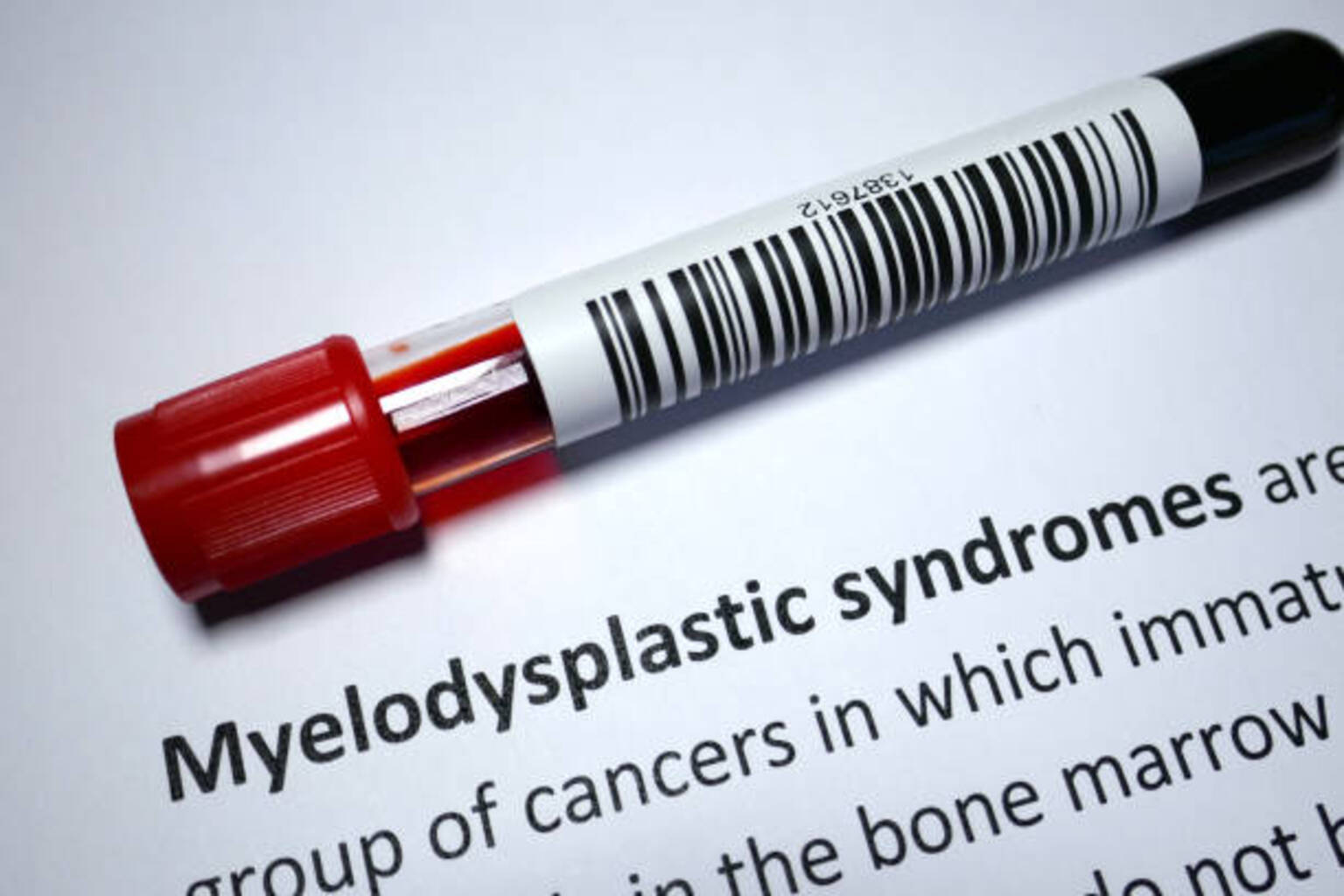
Agios Pharmaceuticals Halts Blood Cancer Treatment Trials
- Study Discontinuation: Agios Pharmaceuticals announced the discontinuation of studies for a treatment targeting myelodysplastic syndromes, resulting in a ~6% drop in premarket trading, indicating a strategic shift in the company's focus.
- Disappointing Trial Results: The 24-week dose-finding trial did not meet the predefined target for transfusion independence, reflecting insufficient efficacy of the treatment and impacting the company's future research direction.
- Safety Profile Maintained: Despite the unsatisfactory trial outcomes, Agios reported that the oral pyruvate kinase activator was well-tolerated across multiple dose levels with no new safety signals, suggesting potential for use in other indications.
- Future Research Plans: Agios is conducting another Phase 2 trial for sickle cell disease, with topline data expected in H2 2026, demonstrating the company's ongoing commitment to exploring alternative treatment avenues for growth.
Agios Halts Development of LR-MDS Drug Tebapivat
- Clinical Trial Results: Agios announced that its drug tebapivat for lower-risk myelodysplastic syndromes (LR-MDS) did not meet the predefined clinical advancement threshold in the Phase 2b trial, which, while showing biological activity, failed to demonstrate clinical benefit in a sufficient proportion of patients, leading to the decision to halt further development.
- Patient Population Characteristics: The trial enrolled 65 patients with LR-MDS, evaluating different doses (10mg, 15mg, 20mg) of tebapivat in a heavily pretreated and heterogeneous population, highlighting the biological complexity of the disease and the challenges in identifying patients likely to benefit.
- Safety Assessment: Although tebapivat was well tolerated across all dose levels with no new safety signals identified, the lack of observed clinical benefit necessitated Agios's decision to discontinue further development in LR-MDS.
- Future Outlook: Agios remains optimistic about tebapivat's potential in sickle cell disease, with topline data from the Phase 2 trial expected in the second half of 2026, continuing to explore its applications in other rare hematologic diseases.
Mitapivat Shows Significant Hemoglobin Improvement in Sickle Cell Disease
- Significant Efficacy Improvement: In the 52-week RISE UP Phase 3 trial, mitapivat demonstrated a statistically significant improvement in hemoglobin response, with 40.6% of patients achieving a ≥1.0 g/dL increase compared to placebo, highlighting its potential in treating sickle cell disease.
- Reduction in Transfusion Burden: New analyses revealed a 41.1% reduction in the proportion of patients requiring blood transfusions in the mitapivat group, alongside a 55.9% decrease in average red blood cell units transfused per patient, which not only alleviates treatment burden but may also reduce dependence on supportive care.
- Clinically Meaningful Benefits: Among hemoglobin responders in the mitapivat group, there was a 26% reduction in the annualized rate of sickle cell pain crises and a 34% decrease in related hospitalizations, along with a 53% reduction in emergency room visits, indicating significant improvements in patient quality of life.
- Well-Tolerated Safety Profile: Mitapivat exhibited a safety profile consistent with previous trials, with similar rates of treatment-emergent adverse events between the mitapivat and placebo groups, demonstrating its good tolerability in patients with sickle cell disease.
Agios Pharmaceuticals Enters Exclusive License Agreement with Oscotec for Cevidoplenib
- Exclusive License Agreement: Agios Pharmaceuticals has entered into a worldwide exclusive license agreement with Oscotec to develop and commercialize Cevidoplenib, a next-generation SYK inhibitor aimed at blocking signaling pathways in immune-mediated diseases, particularly immune thrombocytopenia (ITP).
- Clinical Data Support: Cevidoplenib has demonstrated clinically meaningful results in Phase 2 trials, successfully improving platelet counts while maintaining a manageable safety profile, positioning it as a potential best-in-class treatment for ITP.
- Financial Terms: Under the agreement, Oscotec will receive an upfront payment of $25 million, along with up to $140 million in development, regulatory, and commercial milestone payments, plus tiered royalties on net sales, which will support Agios's capital allocation strategy.
- Future Development Plans: Agios plans to advance Cevidoplenib into Phase 3 development for ITP in the first half of 2028, further expanding its rare hematology portfolio, reflecting the company's strategic focus on rare diseases.
Agios Secures Exclusive Global Rights to Novel SYK Inhibitor
- Exclusive Global Rights: Agios has entered into an agreement with Oscotec to obtain exclusive global rights to develop and commercialize cevidoplenib, a novel oral SYK inhibitor, which is expected to unlock up to $1 billion in peak U.S. sales potential, significantly enhancing its rare hematology portfolio.
- Upfront and Milestone Payments: Oscotec will receive a $25 million upfront payment and is eligible for up to $140 million in future payments tied to development, regulatory, and commercial milestones, incentivizing collaboration in the drug development process.
- Clinical Trial Progress: Cevidoplenib demonstrated good tolerability in a global 12-week Phase 2 trial, where, despite not achieving statistical significance on the primary endpoint, clinically meaningful platelet responses were observed on multiple secondary endpoints, with plans to advance to Phase 3 development in the first half of 2028.
- Strategic Focus and Investment: Agios' CEO noted that this licensing agreement is a natural extension of their therapeutic focus and expertise, aiming to address the urgent need for new treatment options for ITP patients while maintaining a strong focus on executing their 2026 strategic priorities.
Regulatory Approvals and Collaborations in Biotech Sector
- FDA Approval for AZN: AstraZeneca (AZN) secured FDA approval for the IMFINZI + BCG combination in high-risk non-muscle-invasive bladder cancer, supported by Phase 3 POTOMAC data showing a 32% reduction in recurrence or death, enhancing its competitive edge in oncology.
- JNJ TREMFYA Label Expansion: Johnson & Johnson (JNJ) received FDA approval to add structural joint-damage inhibition data to the TREMFYA label for active psoriatic arthritis, confirming its unique position in first-line treatment with no new safety signals, reinforcing its market leadership.
- LINZESS Approved for Children: Ironwood Pharmaceuticals (IRWD) gained FDA approval for LINZESS to treat functional constipation in children aged 2-5, based on a 12-week Phase 3 trial showing significant improvement in spontaneous bowel movements, expanding its pediatric market influence.
- AbbVie's DECNUPAZ Approval: AbbVie (ABBV) received FDA approval for DECNUPAZ to treat ultra-rare blood cancer BPDCN, supported by Phase 1 data showing a 69.7% composite complete response rate and a median duration of 9.7 months, marking a significant innovation in hematologic oncology.
Agios Pharmaceuticals Halts Blood Cancer Treatment Trials
- Study Discontinuation: Agios Pharmaceuticals announced the discontinuation of studies for a treatment targeting myelodysplastic syndromes, resulting in a ~6% drop in premarket trading, indicating a strategic shift in the company's focus.
- Disappointing Trial Results: The 24-week dose-finding trial did not meet the predefined target for transfusion independence, reflecting insufficient efficacy of the treatment and impacting the company's future research direction.
- Safety Profile Maintained: Despite the unsatisfactory trial outcomes, Agios reported that the oral pyruvate kinase activator was well-tolerated across multiple dose levels with no new safety signals, suggesting potential for use in other indications.
- Future Research Plans: Agios is conducting another Phase 2 trial for sickle cell disease, with topline data expected in H2 2026, demonstrating the company's ongoing commitment to exploring alternative treatment avenues for growth.
Agios Halts Development of LR-MDS Drug Tebapivat
- Clinical Trial Results: Agios announced that its drug tebapivat for lower-risk myelodysplastic syndromes (LR-MDS) did not meet the predefined clinical advancement threshold in the Phase 2b trial, which, while showing biological activity, failed to demonstrate clinical benefit in a sufficient proportion of patients, leading to the decision to halt further development.
- Patient Population Characteristics: The trial enrolled 65 patients with LR-MDS, evaluating different doses (10mg, 15mg, 20mg) of tebapivat in a heavily pretreated and heterogeneous population, highlighting the biological complexity of the disease and the challenges in identifying patients likely to benefit.
- Safety Assessment: Although tebapivat was well tolerated across all dose levels with no new safety signals identified, the lack of observed clinical benefit necessitated Agios's decision to discontinue further development in LR-MDS.
- Future Outlook: Agios remains optimistic about tebapivat's potential in sickle cell disease, with topline data from the Phase 2 trial expected in the second half of 2026, continuing to explore its applications in other rare hematologic diseases.