

Why Is Restaurant Company Sweetgreen Stock Surging Today?
Written by Emily J. Thompson, Senior Investment Analyst
Updated: Aug 09 2024
0mins

Source: Benzinga
Strong Q2 Performance: Sweetgreen, Inc. reported a 21% year-over-year revenue increase to $184.6 million in Q2 FY24, surpassing expectations, with same-store sales up 9% and significant contributions from new restaurant openings.
Positive Outlook for FY24: The company raised its revenue guidance for FY24 to between $670 million and $680 million, anticipating continued growth despite economic uncertainties, while also projecting increased restaurant openings and adjusted EBITDA.
Trade with 70% Backtested Accuracy
Stop guessing "Should I Buy SG?" and start using high-conviction signals backed by rigorous historical data.
Sign up today to access powerful investing tools and make smarter, data-driven decisions.
Analyst Views on SG
Wall Street analysts forecast SG stock price to fall
14 Analyst Rating
3 Buy
10 Hold
1 Sell
Hold
Current: 8.970

Low
5.00
Averages
7.57
High
10.00
Current: 8.970
Low
5.00
Averages
7.57
High
10.00
About SG
Sweetgreen, Inc. is a restaurant and lifestyle brand that serves healthy food at scale. The Company has designed its menu to be customizable and convenient to empower its customers to make healthier choices for both lunch and dinner. The Company owns and operates approximately 285 restaurants in 24 states and Washington, District of Columbia. Its core menu consists of a curated set of signature items offered year-round across all locations. Through its owned digital channels, it also offers exclusive menu items and curated collections that support discovery, personalization, and guest engagement. It has a five-sales channel model that is designed to help its customers to order. The Company's five sales channel models include In-Store Channel, Marketplace Channel, Native Delivery Channel, Outpost and Catering Channel, and Pick-Up Channel. The Native Delivery Channel includes sales to customers for delivery made through the Sweetgreen website or mobile app.
About the author

Emily J. Thompson
Emily J. Thompson, a Chartered Financial Analyst (CFA) with 12 years in investment research, graduated with honors from the Wharton School. Specializing in industrial and technology stocks, she provides in-depth analysis for Intellectia’s earnings and market brief reports.
Cava's Success Fuels Expansion of Health-Focused Restaurant Brands


- Cava Growth Momentum: Cava Group (NYSE: CAVA) achieved a 32.2% revenue increase and a 9.7% same-store sales growth in Q1 2026, primarily driven by actual guest traffic, showcasing strong business momentum that has propelled its stock price up approximately 52% year-to-date.
- Sweetgreen Innovation Model: Sweetgreen (NYSE: SG) launched the fully automated Infinite Kitchen, reducing labor costs by about one-third per restaurant; despite a slight year-over-year revenue decline to $161.5 million in Q1 2026, its digital revenue now represents 67.2%, laying a solid foundation for future growth.
- First Watch Market Positioning: First Watch (NASDAQ: FWRG) focuses on breakfast and brunch, posting a 17.3% revenue growth in Q1 2026 with systemwide sales reaching $367.6 million, indicating a rising demand for social breakfast occasions as remote work becomes more permanent.
- Dutch Bros National Expansion: Dutch Bros (NYSE: BROS) launched a CPG product line in 2026, quickly transitioning from a regional brand to a national household name, with plans to open at least 181 new locations and a long-term target exceeding 7,000 stores, demonstrating its strong market potential.
See More

Cava Group's Strong Growth in 2026
- Significant Revenue Growth: Cava Group achieved a 32.2% revenue increase and a 9.7% same-store sales growth in Q1 2026, primarily driven by actual guest traffic, indicating strong business momentum that is likely to attract further investor interest.
- Ambitious Expansion Plans: The company plans to open 75 new restaurants and hire 2,500 employees in 2026, which not only enhances market penetration but also boosts brand visibility, further solidifying its position in the rapidly growing fast-casual market.
- Product Innovation Leading the Market: Cava launched its largest new menu in history, adding white sweet potatoes and its first-ever seafood protein, glazed salmon, successfully attracting consumers in new markets and expected to drive sales growth and enhance customer loyalty.
- Alignment with Industry Trends: Cava's success aligns with consumer preferences for health-forward, culturally connected brands, demonstrating the company's strategic foresight in meeting market demands, and it is poised to continue benefiting from this consumer trend in the future.
See More

Sweetgreen's Post-IPO Performance Review

- IPO Performance: Sweetgreen went public on November 18, 2021, at $28 per share, opening at $52 and reaching a high of $53 the next day, but now trades at around $9, reflecting market disappointment in its growth prospects.
- Expansion and Sales Growth: Prior to its IPO, Sweetgreen had expanded to 130 locations across 13 states, serving 1.35 million customers with over 67% of sales from digital channels, yet same-store sales growth has sharply declined due to inflation and changing consumer preferences.
- Operational Challenges: Despite attempts to boost revenue through new store openings, these efforts failed to enhance same-store sales or average unit volumes, leading to increased costs and resulting in ongoing losses since its public debut.
- Future Outlook: For 2026, same-store sales are expected to decline by 2%-4%, and while analysts predict a 4% rise in total revenue, the lack of catalysts suggests Sweetgreen's stock is unlikely to return to its all-time highs, diminishing the prospects for millionaire-making gains in the next decade.
See More
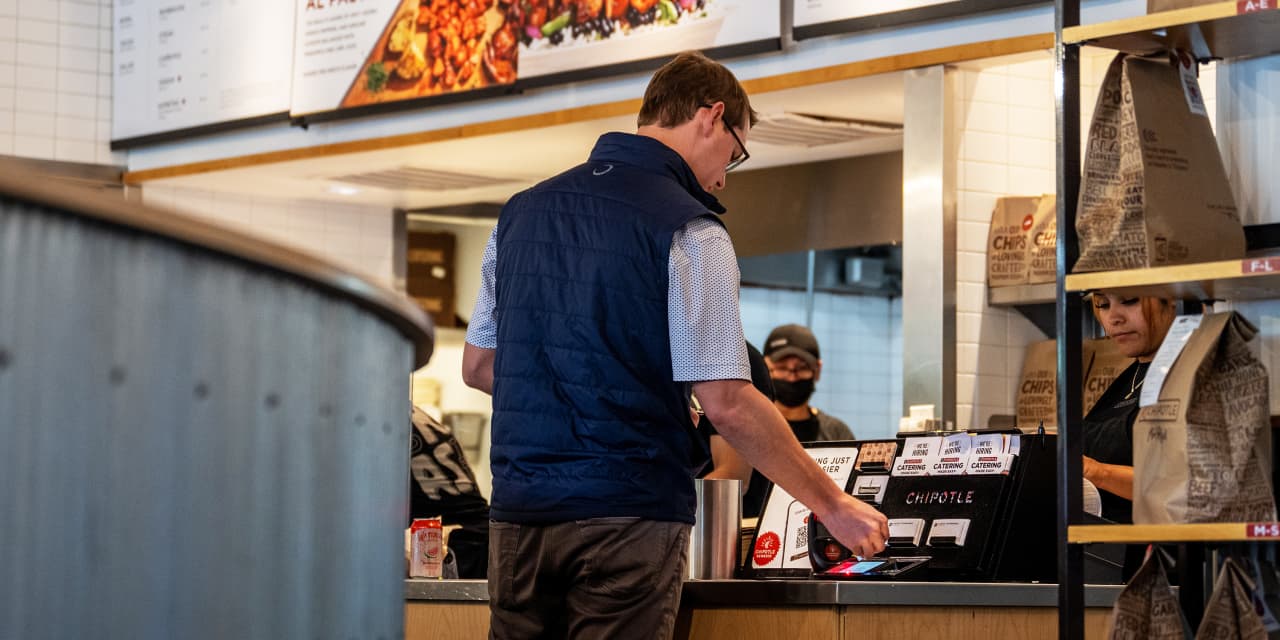
Sweetgreen's Stock Plummets 70% Facing Challenges
- Poor Stock Performance: Sweetgreen's stock currently trades around $9, representing a nearly 70% decline from its IPO price of $28 in 2021, reflecting market pessimism regarding its future growth and eroding investor confidence.
- Slowing Sales Growth: While Sweetgreen achieved a total revenue growth of 54% in 2021, it is projected to only grow by 24% in 2023, with same-store sales growth plummeting from 25% to 4%, indicating significant challenges in its business model.
- Expansion Strategy Missteps: Sweetgreen has continued to open new locations over the past three years, planning 25 new stores in 2023, but these expansions have failed to boost same-store sales or average unit volumes, instead increasing operational costs and leading to ongoing losses.
- Bleak Future Outlook: Analysts expect Sweetgreen's same-store sales to decline by 2%-4% in 2026, and while total revenue may rise by 4%, the lack of new growth catalysts makes it unlikely for the stock to return to its historical highs, prompting investors to proceed with caution.
See More
Sweetgreen Opens First Location in Nashville
- First Nashville Location: Sweetgreen is set to open its first restaurant in Nashville's Gulch neighborhood on June 30, marking the brand's debut in Tennessee, which is expected to attract health-conscious consumers and expand its market presence.
- Community Activation Week: The opening day will kick off a week of community events featuring live music, prize giveaways, and complimentary meals, with the first 50 guests receiving a free entree valued at $20, aimed at strengthening the brand's connection with the local community.
- Menu Innovation: The new location will offer a variety of healthy meal options, including seasonal items like the Tomato Panzanella and Picnic Bowl, showcasing Sweetgreen's commitment to high-quality, sustainably sourced ingredients, which is likely to draw health-focused customers.
- Charitable Partnership: On opening day, Sweetgreen will donate a bowl of food to the Second Harvest Food Bank of Middle Tennessee for every meal purchased, reflecting the brand's social responsibility and aiming to address food insecurity in the local community.
See More

Dutch Bros Rapid Expansion vs. Sweetgreen's Revenue Decline

- Dutch Bros Expansion Plan: Dutch Bros aims to open 2,029 locations by 2029, currently operating less than 1,200, indicating a robust annual growth rate of approximately 19%, positioning itself advantageously in the rapidly growing coffee market.
- Sweetgreen Revenue Decline: Sweetgreen has experienced a revenue drop for three consecutive quarters, with a year-over-year customer count decline of 11% per restaurant in Q1, highlighting increasing competitive pressure in the premium health food sector.
- Profitability Comparison: Dutch Bros boasts $116 million in retained earnings, while Sweetgreen has incurred losses of $884 million, illustrating a significant disparity in profitability, with Dutch Bros demonstrating a more sustainable business model.
- Market Expectation Divergence: Analysts rate Sweetgreen as a “hold,” while Dutch Bros is rated a “strong buy,” indicating a clear divergence in market expectations regarding the future performance of the two companies.
See More
Cava's Success Fuels Expansion of Health-Focused Restaurant Brands
- Cava Growth Momentum: Cava Group (NYSE: CAVA) achieved a 32.2% revenue increase and a 9.7% same-store sales growth in Q1 2026, primarily driven by actual guest traffic, showcasing strong business momentum that has propelled its stock price up approximately 52% year-to-date.
- Sweetgreen Innovation Model: Sweetgreen (NYSE: SG) launched the fully automated Infinite Kitchen, reducing labor costs by about one-third per restaurant; despite a slight year-over-year revenue decline to $161.5 million in Q1 2026, its digital revenue now represents 67.2%, laying a solid foundation for future growth.
- First Watch Market Positioning: First Watch (NASDAQ: FWRG) focuses on breakfast and brunch, posting a 17.3% revenue growth in Q1 2026 with systemwide sales reaching $367.6 million, indicating a rising demand for social breakfast occasions as remote work becomes more permanent.
- Dutch Bros National Expansion: Dutch Bros (NYSE: BROS) launched a CPG product line in 2026, quickly transitioning from a regional brand to a national household name, with plans to open at least 181 new locations and a long-term target exceeding 7,000 stores, demonstrating its strong market potential.
See More
Cava Group's Strong Growth in 2026
- Significant Revenue Growth: Cava Group achieved a 32.2% revenue increase and a 9.7% same-store sales growth in Q1 2026, primarily driven by actual guest traffic, indicating strong business momentum that is likely to attract further investor interest.
- Ambitious Expansion Plans: The company plans to open 75 new restaurants and hire 2,500 employees in 2026, which not only enhances market penetration but also boosts brand visibility, further solidifying its position in the rapidly growing fast-casual market.
- Product Innovation Leading the Market: Cava launched its largest new menu in history, adding white sweet potatoes and its first-ever seafood protein, glazed salmon, successfully attracting consumers in new markets and expected to drive sales growth and enhance customer loyalty.
- Alignment with Industry Trends: Cava's success aligns with consumer preferences for health-forward, culturally connected brands, demonstrating the company's strategic foresight in meeting market demands, and it is poised to continue benefiting from this consumer trend in the future.
See More
Sweetgreen's Post-IPO Performance Review
- IPO Performance: Sweetgreen went public on November 18, 2021, at $28 per share, opening at $52 and reaching a high of $53 the next day, but now trades at around $9, reflecting market disappointment in its growth prospects.
- Expansion and Sales Growth: Prior to its IPO, Sweetgreen had expanded to 130 locations across 13 states, serving 1.35 million customers with over 67% of sales from digital channels, yet same-store sales growth has sharply declined due to inflation and changing consumer preferences.
- Operational Challenges: Despite attempts to boost revenue through new store openings, these efforts failed to enhance same-store sales or average unit volumes, leading to increased costs and resulting in ongoing losses since its public debut.
- Future Outlook: For 2026, same-store sales are expected to decline by 2%-4%, and while analysts predict a 4% rise in total revenue, the lack of catalysts suggests Sweetgreen's stock is unlikely to return to its all-time highs, diminishing the prospects for millionaire-making gains in the next decade.
See More
Sweetgreen's Stock Plummets 70% Facing Challenges
- Poor Stock Performance: Sweetgreen's stock currently trades around $9, representing a nearly 70% decline from its IPO price of $28 in 2021, reflecting market pessimism regarding its future growth and eroding investor confidence.
- Slowing Sales Growth: While Sweetgreen achieved a total revenue growth of 54% in 2021, it is projected to only grow by 24% in 2023, with same-store sales growth plummeting from 25% to 4%, indicating significant challenges in its business model.
- Expansion Strategy Missteps: Sweetgreen has continued to open new locations over the past three years, planning 25 new stores in 2023, but these expansions have failed to boost same-store sales or average unit volumes, instead increasing operational costs and leading to ongoing losses.
- Bleak Future Outlook: Analysts expect Sweetgreen's same-store sales to decline by 2%-4% in 2026, and while total revenue may rise by 4%, the lack of new growth catalysts makes it unlikely for the stock to return to its historical highs, prompting investors to proceed with caution.
See More
Sweetgreen Opens First Location in Nashville
- First Nashville Location: Sweetgreen is set to open its first restaurant in Nashville's Gulch neighborhood on June 30, marking the brand's debut in Tennessee, which is expected to attract health-conscious consumers and expand its market presence.
- Community Activation Week: The opening day will kick off a week of community events featuring live music, prize giveaways, and complimentary meals, with the first 50 guests receiving a free entree valued at $20, aimed at strengthening the brand's connection with the local community.
- Menu Innovation: The new location will offer a variety of healthy meal options, including seasonal items like the Tomato Panzanella and Picnic Bowl, showcasing Sweetgreen's commitment to high-quality, sustainably sourced ingredients, which is likely to draw health-focused customers.
- Charitable Partnership: On opening day, Sweetgreen will donate a bowl of food to the Second Harvest Food Bank of Middle Tennessee for every meal purchased, reflecting the brand's social responsibility and aiming to address food insecurity in the local community.
See More
Dutch Bros Rapid Expansion vs. Sweetgreen's Revenue Decline
- Dutch Bros Expansion Plan: Dutch Bros aims to open 2,029 locations by 2029, currently operating less than 1,200, indicating a robust annual growth rate of approximately 19%, positioning itself advantageously in the rapidly growing coffee market.
- Sweetgreen Revenue Decline: Sweetgreen has experienced a revenue drop for three consecutive quarters, with a year-over-year customer count decline of 11% per restaurant in Q1, highlighting increasing competitive pressure in the premium health food sector.
- Profitability Comparison: Dutch Bros boasts $116 million in retained earnings, while Sweetgreen has incurred losses of $884 million, illustrating a significant disparity in profitability, with Dutch Bros demonstrating a more sustainable business model.
- Market Expectation Divergence: Analysts rate Sweetgreen as a “hold,” while Dutch Bros is rated a “strong buy,” indicating a clear divergence in market expectations regarding the future performance of the two companies.
See More





