

Tuesday's Major Stock Market Highlights: Morning News Summary!
Written by Emily J. Thompson, Senior Investment Analyst
Updated: Sep 16 2025
0mins


Source: TipRanks
- Market Coverage: TipRanks provides updates on the latest stock market stories and trends for traders.
- Resource Availability: Additional stock market news can be found on the TipRanks platform.
Trade with 70% Backtested Accuracy
Stop guessing "Should I Buy GOOG?" and start using high-conviction signals backed by rigorous historical data.
Sign up today to access powerful investing tools and make smarter, data-driven decisions.
Analyst Views on GOOG
Wall Street analysts forecast GOOG stock price to fall
15 Analyst Rating
14 Buy
1 Hold
0 Sell
Strong Buy
Current: 362.100

Low
255.00
Averages
336.08
High
400.00
Current: 362.100
Low
255.00
Averages
336.08
High
400.00
About GOOG
Alphabet Inc. is a holding company. The Company's segments include Google Services, Google Cloud, and Other Bets. The Google Services segment includes products and services such as ads, Android, Chrome, devices, Google Maps, Google Play, Search, and YouTube. The Google Cloud segment includes infrastructure and platform services, collaboration tools, and other services for enterprise customers. Its Other Bets segment is engaged in the sale of healthcare-related services and Internet services. Its Google Cloud provides enterprise-ready cloud services, including Google Cloud Platform and Google Workspace. Google Cloud Platform provides access to solutions such as artificial intelligence (AI) offerings, including its AI infrastructure, Vertex AI platform, and Gemini for Google Cloud; cybersecurity, and data and analytics. Google Workspace includes cloud-based communication and collaboration tools for enterprises, such as Calendar, Gmail, Docs, Drive, and Meet.
About the author

Emily J. Thompson
Emily J. Thompson, a Chartered Financial Analyst (CFA) with 12 years in investment research, graduated with honors from the Wharton School. Specializing in industrial and technology stocks, she provides in-depth analysis for Intellectia’s earnings and market brief reports.

SpaceX's S-1 Filing Reveals Ambitious AI Market Potential


- Massive Market Potential: SpaceX's S-1 filing forecasts a total addressable market (TAM) of $26.5 trillion for artificial intelligence (AI), indicating the company's ambitious vision that could reshape investor perceptions of its traditional space operations.
- Infrastructure Challenges: The plan to launch 1 million satellites as data centers aims to address AI workload power demands, although challenges such as permitting, construction timelines, and water scarcity remain; success in this venture could position SpaceX as a leader in AI infrastructure.
- Revenue Growth Expectations: Goldman Sachs projects SpaceX's AI division revenue to surge from $3.2 billion in 2025 to $322 billion by 2030, highlighting significant profit potential, even as the company navigates integration and execution risks within its AI segment.
- Investment Risk Considerations: Despite the promising AI market, SpaceX anticipates a $6.4 billion operating loss in 2025 and $12.7 billion in capital expenditures for AI infrastructure, necessitating careful evaluation of risks and returns in long-term investment strategies.
See More
Wall Street's Lending Surge Fuels AI Growth

- Debt Financing Surge: Nvidia's recent $25 billion bond issuance exceeded its initial $20 billion target, reflecting strong market demand for AI infrastructure and is expected to drive future investments and growth for the company.
- Amazon's Debt Strategy: Having borrowed over $80 billion since early 2025 across various currencies, Amazon's actions indicate its intent to expand in the AI sector, while also showcasing the profitability of its robust cloud business.
- SpaceX's Financing Challenges: SpaceX is reportedly preparing a bond offering of at least $20 billion, despite posting a nearly $5 billion loss in 2025, highlighting the high risks associated with its AI investments, particularly due to significant operational losses in its AI division.
- Oracle's Financial Pressure: Although Oracle appears profitable on paper, its free cash flow was negative $24 billion in fiscal 2026, with debt exceeding $100 billion, indicating pressure from capital expenditures that may affect its future investment capabilities.
See More
Nvidia's $25 Billion Bond Sale Oversubscribed
- Successful Bond Sale: Nvidia's $25 billion bond issuance this month attracted over $85 billion in orders, reflecting strong market confidence in its financial health, with demand exceeding supply by three times, prompting the company to increase the offering from an initial $20 billion target.
- Strong Profitability: Nvidia reported nearly $43 billion in net income for its fiscal fourth quarter ending January 25, 2026, significantly surpassing the total amount raised through the bond sale, indicating robust profitability and cash flow that can support future investments in the rapidly growing AI market.
- Market Financing Surge: As AI infrastructure spending surges, companies like Amazon and Oracle are also actively raising funds, with Amazon borrowing over $80 billion since early 2025, showcasing the intent and confidence of major tech firms in investing in AI opportunities.
- SpaceX Financing Risks: Although SpaceX plans to issue at least $20 billion in bonds, it reported a nearly $5 billion loss in 2025 and a $4.28 billion loss in Q1 2026, highlighting investment risks in AI, especially given its current lack of profitability and the need for careful financial management.
See More
Alphabet's Five-Year Outlook: AI and Growth Potential

- Capital Expenditure Surge: Alphabet plans to increase capital expenditures to between $180 billion and $190 billion in 2026, nearly doubling last year's total, with this strategic investment aimed at building AI infrastructure, which is expected to significantly enhance its market competitiveness.
- Cloud Business Growth: Google Cloud's revenue soared 63% year-over-year in Q1, with operating income tripling, demonstrating the widespread adoption of AI tools in customer operations, which will further drive Alphabet's financial performance going forward.
- Shareholder Return Potential: Despite Alphabet's market cap reaching $4.4 trillion and a 106% stock price increase over the past 12 months, its price-to-earnings ratio of 27.7 is considered undervalued, with a projected 108% stock price increase over the next five years, attracting investor interest.
- Sustained Profitability Growth: Over the past five years, Alphabet's diluted earnings per share have grown at a compound annual rate of 31%, and it is expected to maintain a 15% annual growth rate in the future, providing investors with a stable return outlook.
See More

Alphabet's Five-Year Outlook

- Capital Expenditure Surge: Alphabet plans to increase its capital expenditures to between $180 billion and $190 billion in 2026, nearly doubling last year's total, which will provide robust funding for its AI infrastructure build-out, thereby further solidifying its leadership in the tech industry.
- Cloud Computing Growth: In Q1, Google Cloud's revenue soared 63% year-over-year, with operating income tripling, reflecting customers' increasing reliance on AI tools, which not only enhances Alphabet's financial performance but also lays a foundation for sustained future growth.
- Stock Return Potential: Despite Alphabet's market cap reaching $4.4 trillion and a 106% stock price increase over the past 12 months, it is projected that by 2031, if the P/E ratio expands to 30 and diluted EPS doubles, the stock price could rise by 108%, providing an attractive proposition for investors.
- Strong Profitability: Over the past five years, Alphabet's diluted earnings per share have grown at a stellar compound annual rate of 31%, and while future growth may decelerate, a continued annual growth rate of 15% is expected, further bolstering investor confidence in its stock.
See More
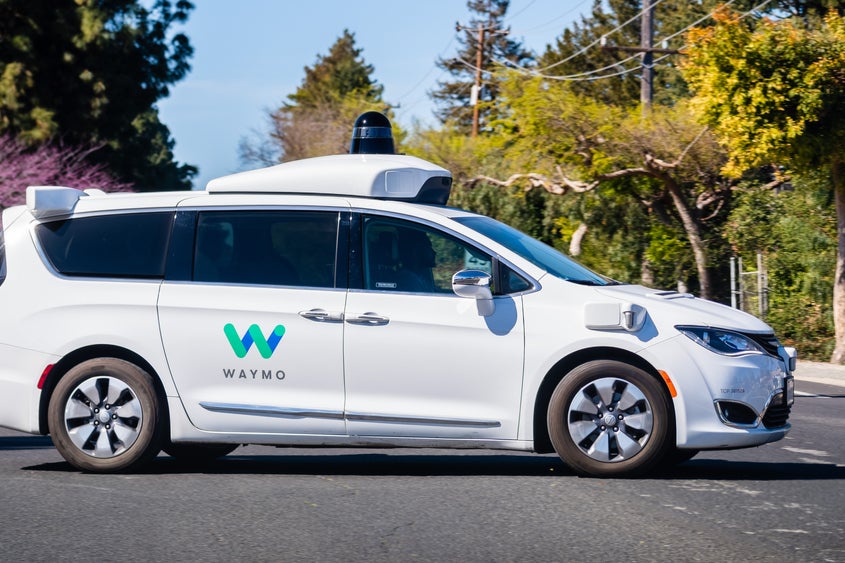
Alphabet Plans Increased Capital Expenditures for 2027
- Increased Capital Expenditure: Alphabet plans to raise its capital expenditure range for 2026 from $175 billion to $190 billion, indicating a significant investment in data center construction that is expected to drive future revenue growth.
- Surge in Cloud Revenue: Google Cloud's revenue soared 63% year-over-year in Q1, demonstrating strong demand for its cloud services and validating Alphabet's substantial infrastructure investments as logical and necessary.
- Ongoing Customer Demand: With a growing number of external customers utilizing Google's computing infrastructure, Alphabet's cloud services are set to create a stable recurring revenue stream, ensuring long-term financial health for the company.
- Future Growth Potential: Alphabet's commitment to increasing capital expenditures in 2027 reflects confidence in the cloud computing market, positioning Google Cloud to potentially become one of the company's largest segments, thereby reducing reliance on advertising revenue.
See More
SpaceX's S-1 Filing Reveals Ambitious AI Market Potential
- Massive Market Potential: SpaceX's S-1 filing forecasts a total addressable market (TAM) of $26.5 trillion for artificial intelligence (AI), indicating the company's ambitious vision that could reshape investor perceptions of its traditional space operations.
- Infrastructure Challenges: The plan to launch 1 million satellites as data centers aims to address AI workload power demands, although challenges such as permitting, construction timelines, and water scarcity remain; success in this venture could position SpaceX as a leader in AI infrastructure.
- Revenue Growth Expectations: Goldman Sachs projects SpaceX's AI division revenue to surge from $3.2 billion in 2025 to $322 billion by 2030, highlighting significant profit potential, even as the company navigates integration and execution risks within its AI segment.
- Investment Risk Considerations: Despite the promising AI market, SpaceX anticipates a $6.4 billion operating loss in 2025 and $12.7 billion in capital expenditures for AI infrastructure, necessitating careful evaluation of risks and returns in long-term investment strategies.
See More
Wall Street's Lending Surge Fuels AI Growth
- Debt Financing Surge: Nvidia's recent $25 billion bond issuance exceeded its initial $20 billion target, reflecting strong market demand for AI infrastructure and is expected to drive future investments and growth for the company.
- Amazon's Debt Strategy: Having borrowed over $80 billion since early 2025 across various currencies, Amazon's actions indicate its intent to expand in the AI sector, while also showcasing the profitability of its robust cloud business.
- SpaceX's Financing Challenges: SpaceX is reportedly preparing a bond offering of at least $20 billion, despite posting a nearly $5 billion loss in 2025, highlighting the high risks associated with its AI investments, particularly due to significant operational losses in its AI division.
- Oracle's Financial Pressure: Although Oracle appears profitable on paper, its free cash flow was negative $24 billion in fiscal 2026, with debt exceeding $100 billion, indicating pressure from capital expenditures that may affect its future investment capabilities.
See More
Nvidia's $25 Billion Bond Sale Oversubscribed
- Successful Bond Sale: Nvidia's $25 billion bond issuance this month attracted over $85 billion in orders, reflecting strong market confidence in its financial health, with demand exceeding supply by three times, prompting the company to increase the offering from an initial $20 billion target.
- Strong Profitability: Nvidia reported nearly $43 billion in net income for its fiscal fourth quarter ending January 25, 2026, significantly surpassing the total amount raised through the bond sale, indicating robust profitability and cash flow that can support future investments in the rapidly growing AI market.
- Market Financing Surge: As AI infrastructure spending surges, companies like Amazon and Oracle are also actively raising funds, with Amazon borrowing over $80 billion since early 2025, showcasing the intent and confidence of major tech firms in investing in AI opportunities.
- SpaceX Financing Risks: Although SpaceX plans to issue at least $20 billion in bonds, it reported a nearly $5 billion loss in 2025 and a $4.28 billion loss in Q1 2026, highlighting investment risks in AI, especially given its current lack of profitability and the need for careful financial management.
See More
Alphabet's Five-Year Outlook: AI and Growth Potential
- Capital Expenditure Surge: Alphabet plans to increase capital expenditures to between $180 billion and $190 billion in 2026, nearly doubling last year's total, with this strategic investment aimed at building AI infrastructure, which is expected to significantly enhance its market competitiveness.
- Cloud Business Growth: Google Cloud's revenue soared 63% year-over-year in Q1, with operating income tripling, demonstrating the widespread adoption of AI tools in customer operations, which will further drive Alphabet's financial performance going forward.
- Shareholder Return Potential: Despite Alphabet's market cap reaching $4.4 trillion and a 106% stock price increase over the past 12 months, its price-to-earnings ratio of 27.7 is considered undervalued, with a projected 108% stock price increase over the next five years, attracting investor interest.
- Sustained Profitability Growth: Over the past five years, Alphabet's diluted earnings per share have grown at a compound annual rate of 31%, and it is expected to maintain a 15% annual growth rate in the future, providing investors with a stable return outlook.
See More
Alphabet's Five-Year Outlook
- Capital Expenditure Surge: Alphabet plans to increase its capital expenditures to between $180 billion and $190 billion in 2026, nearly doubling last year's total, which will provide robust funding for its AI infrastructure build-out, thereby further solidifying its leadership in the tech industry.
- Cloud Computing Growth: In Q1, Google Cloud's revenue soared 63% year-over-year, with operating income tripling, reflecting customers' increasing reliance on AI tools, which not only enhances Alphabet's financial performance but also lays a foundation for sustained future growth.
- Stock Return Potential: Despite Alphabet's market cap reaching $4.4 trillion and a 106% stock price increase over the past 12 months, it is projected that by 2031, if the P/E ratio expands to 30 and diluted EPS doubles, the stock price could rise by 108%, providing an attractive proposition for investors.
- Strong Profitability: Over the past five years, Alphabet's diluted earnings per share have grown at a stellar compound annual rate of 31%, and while future growth may decelerate, a continued annual growth rate of 15% is expected, further bolstering investor confidence in its stock.
See More
Alphabet Plans Increased Capital Expenditures for 2027
- Increased Capital Expenditure: Alphabet plans to raise its capital expenditure range for 2026 from $175 billion to $190 billion, indicating a significant investment in data center construction that is expected to drive future revenue growth.
- Surge in Cloud Revenue: Google Cloud's revenue soared 63% year-over-year in Q1, demonstrating strong demand for its cloud services and validating Alphabet's substantial infrastructure investments as logical and necessary.
- Ongoing Customer Demand: With a growing number of external customers utilizing Google's computing infrastructure, Alphabet's cloud services are set to create a stable recurring revenue stream, ensuring long-term financial health for the company.
- Future Growth Potential: Alphabet's commitment to increasing capital expenditures in 2027 reflects confidence in the cloud computing market, positioning Google Cloud to potentially become one of the company's largest segments, thereby reducing reliance on advertising revenue.
See More




