Wallstreetbets Stocks Mostly Lower Ahead of Market Opening
Written by Emily J. Thompson, Senior Investment Analyst
Updated: Dec 26 2025
0mins

Should l Buy INTC?
Source: Yahoo Finance
Trade with 70% Backtested Accuracy
Stop guessing "Should I Buy INTC?" and start using high-conviction signals backed by rigorous historical data.
Sign up today to access powerful investing tools and make smarter, data-driven decisions.
Analyst Views on INTC
Wall Street analysts forecast INTC stock price to fall
29 Analyst Rating
5 Buy
19 Hold
5 Sell
Hold
Current: 48.030

Low
20.00
Averages
39.30
High
52.00
Current: 48.030
Low
20.00
Averages
39.30
High
52.00
About INTC
Intel Corporation is a global designer and manufacturer of semiconductor products. The Company operates through three segments: Intel Products, Intel Foundry, and All Other. Its Intel Products segment includes Client Computing Group (CCG), Data Center and AI (DCAI), Network and Edge (NEX). The CCG is bringing together the operating system, system architecture, hardware, and software application integration to enable PC experiences. DCAI delivers workload-optimized solutions to cloud service providers and enterprises, along with silicon devices for communications service providers, network and edge, and HPC customers. NEX helps networks and edge compute systems from fixed-function hardware to general-purpose compute, acceleration, and networking devices running cloud native software on programmable hardware. The Intel Foundry segment comprises technology development, manufacturing and foundry services. All Other segments include Altera, Mobileye, Other.
About the author

Emily J. Thompson
Emily J. Thompson, a Chartered Financial Analyst (CFA) with 12 years in investment research, graduated with honors from the Wharton School. Specializing in industrial and technology stocks, she provides in-depth analysis for Intellectia’s earnings and market brief reports.
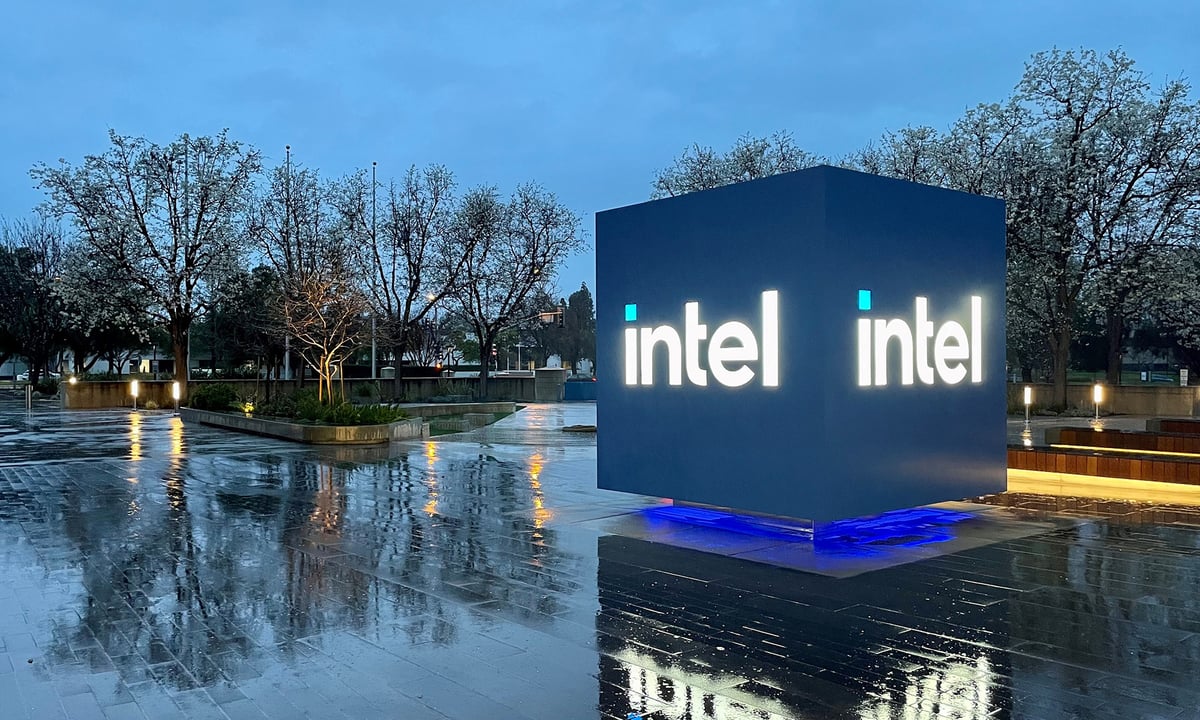
Intel Shows Significant Financial Improvement

- Financial Improvement: Intel's financial position has significantly improved compared to two years ago, reflecting the company's recovery and growth potential in the competitive market, which enhances investor confidence.
- Stock Performance: As of the afternoon of April 1, 2026, Intel's stock price rose by 4.89%, indicating a positive market reaction and optimistic expectations from investors regarding the company's future.
- Strategic Adjustments: This stock price increase is seen as a sign of successful strategic adjustments by Intel, indicating substantial progress in technology innovation and market expansion.
- Restored Market Confidence: The signs of improvement at Intel not only boost shareholder confidence but may also attract more investor attention, further driving the company's stock price upward.
See More
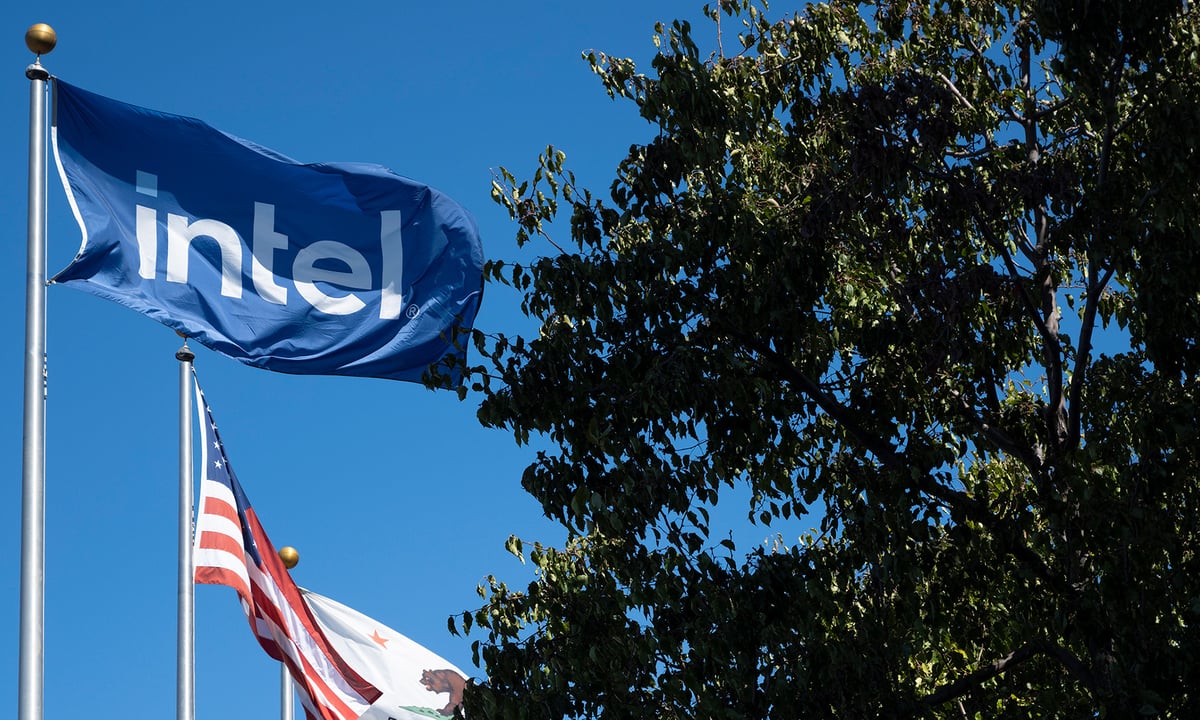
Intel's Stake Buyback in Ireland Fuels Stock Surge

- Significant Stock Surge: Intel's shares rose nearly 17% over the past week, reflecting strong market confidence in its acquisition strategy and signaling investor optimism about the company's future profitability.
- Major Strategic Acquisition: Intel has agreed to repurchase a 49% stake in its Fab 34 facility in Ireland from Apollo Global Management for $14.2 billion, which produces Xeon 6 and Core Ultra processors, expected to boost per-share profits by 2027.
- Enhanced Market Confidence: Analysts widely view this acquisition as a sign of Intel's improving financial profile and its potential to attract new foundry customers, further solidifying its leadership in the semiconductor market.
- AI-Driven Expansion Plans: The Fab 34 facility is crucial to Intel's AI-driven expansion, and management's decision to acquire it outright reflects confidence in semiconductor manufacturing prospects, leading investors to anticipate further stock price appreciation.
See More

Intel Repurchases Key Chip Facility Stake, Boosting AI Prospects
- Stake Repurchase: Intel has reached an agreement with Apollo Global Management to repurchase a 49% stake in its Fab 34 facility in Ireland for $14.2 billion, which produces Xeon 6 and Core Ultra processors, expected to boost per-share profits by 2027, reflecting the company's confidence in its future profitability.
- Stock Surge: Following this announcement, Intel's shares rose nearly 17% over the past week, indicating market optimism regarding its strengthened foundry network and AI prospects, further solidifying its leadership position in the semiconductor industry.
- Analyst Optimism: UBS analysts suggest that Intel's buyback indicates expectations of gaining new foundry customers, while J.Gold Associates analysts note that the market is purchasing Intel products at scale, demonstrating robust market demand.
- Strategic Importance: The Fab 34 facility is central to Intel's AI-driven expansion plans, and the management's acquisition decision not only reflects confidence in manufacturing prospects but may also lead Wall Street to raise earnings forecasts for Intel, further boosting investor confidence.
See More

Apple Celebrates 50 Years: Astounding Investment Returns


- Staggering Investment Returns: Since its IPO in 1980 at $22 per share, Apple's stock has surged to $254.65, with five stock splits resulting in an effective return of over 254,650%, showcasing its exceptional performance as an investment.
- Wealth of Early Investors: A $2,000 investment in Apple at its IPO would be worth over $5.18 million today, highlighting the immense potential of long-term holding and Apple's dominance in the tech industry.
- Market Leadership: Since the launch of the first iPhone in 2007, Apple has not only led the smartphone industry but also accelerated the rapid development of mobile technology, becoming one of the world's most valuable companies with a market cap of $3.8 trillion.
- Investment Strategy Reflection: Despite Apple's outstanding performance, analysts advise investors to diversify their stock holdings to mitigate risks associated with single investments, emphasizing the importance of holding a variety of stocks in the market.
See More

Novo Nordisk and Eli Lilly Battle for Obesity Drug Market Control

- Intensifying Market Competition: Novo Nordisk's Wegovy received approval in December as the first GLP-1 weight-loss pill, while Eli Lilly's orforglipron is set to launch on April 6, marking a new phase in their rivalry in the obesity drug market.
- Product Advantage Comparison: Orforglipron's lack of food and water restrictions may make it more appealing to consumers compared to Wegovy's requirement for fasting, potentially boosting Eli Lilly's sales prospects in the market.
- Clinical Trial Data: Eli Lilly's retatrutide showed strong competitive potential in phase 3 trials, with patients losing an average of 28.7% of body weight over 68 weeks on a 12mg dose, while Novo Nordisk's CagriSema only achieved a 23% reduction, failing to meet non-inferiority standards.
- Future Development Challenges: Novo Nordisk faces long drug development timelines, with its next potential product still years away from market, allowing Eli Lilly to capitalize on orforglipron and retatrutide in the interim.
See More

Marvell Technology Shares Surge 21.3% in March
- Earnings Beat: Marvell Technology reported a 22.1% year-over-year revenue increase to $2.2 billion in its fourth quarter, with adjusted earnings per share rising 33.3% to $0.80, exceeding analyst expectations and demonstrating strong performance in the AI infrastructure sector.
- Optimistic Guidance: Management anticipates a 9% sequential revenue increase in the first quarter and forecasts a 40% growth in data center revenue for fiscal 2027, significantly higher than the average analyst estimate of 25%, indicating Marvell's robust competitiveness in the AI chip market.
- Strategic Partnership with Nvidia: Nvidia announced a $2 billion investment in Marvell, establishing a product collaboration aimed at integrating both companies' technologies to support heterogeneous infrastructures, further solidifying Marvell's leadership in AI networking.
- Diversified Customer Base: Marvell has added Microsoft as a customer, with Microsoft's Maia2 chip leveraging Marvell's technology, highlighting the company's increasing importance in AI infrastructure and the potential for higher growth in the future.
See More
Intel Shows Significant Financial Improvement
- Financial Improvement: Intel's financial position has significantly improved compared to two years ago, reflecting the company's recovery and growth potential in the competitive market, which enhances investor confidence.
- Stock Performance: As of the afternoon of April 1, 2026, Intel's stock price rose by 4.89%, indicating a positive market reaction and optimistic expectations from investors regarding the company's future.
- Strategic Adjustments: This stock price increase is seen as a sign of successful strategic adjustments by Intel, indicating substantial progress in technology innovation and market expansion.
- Restored Market Confidence: The signs of improvement at Intel not only boost shareholder confidence but may also attract more investor attention, further driving the company's stock price upward.
See More
Intel's Stake Buyback in Ireland Fuels Stock Surge
- Significant Stock Surge: Intel's shares rose nearly 17% over the past week, reflecting strong market confidence in its acquisition strategy and signaling investor optimism about the company's future profitability.
- Major Strategic Acquisition: Intel has agreed to repurchase a 49% stake in its Fab 34 facility in Ireland from Apollo Global Management for $14.2 billion, which produces Xeon 6 and Core Ultra processors, expected to boost per-share profits by 2027.
- Enhanced Market Confidence: Analysts widely view this acquisition as a sign of Intel's improving financial profile and its potential to attract new foundry customers, further solidifying its leadership in the semiconductor market.
- AI-Driven Expansion Plans: The Fab 34 facility is crucial to Intel's AI-driven expansion, and management's decision to acquire it outright reflects confidence in semiconductor manufacturing prospects, leading investors to anticipate further stock price appreciation.
See More
Intel Repurchases Key Chip Facility Stake, Boosting AI Prospects
- Stake Repurchase: Intel has reached an agreement with Apollo Global Management to repurchase a 49% stake in its Fab 34 facility in Ireland for $14.2 billion, which produces Xeon 6 and Core Ultra processors, expected to boost per-share profits by 2027, reflecting the company's confidence in its future profitability.
- Stock Surge: Following this announcement, Intel's shares rose nearly 17% over the past week, indicating market optimism regarding its strengthened foundry network and AI prospects, further solidifying its leadership position in the semiconductor industry.
- Analyst Optimism: UBS analysts suggest that Intel's buyback indicates expectations of gaining new foundry customers, while J.Gold Associates analysts note that the market is purchasing Intel products at scale, demonstrating robust market demand.
- Strategic Importance: The Fab 34 facility is central to Intel's AI-driven expansion plans, and the management's acquisition decision not only reflects confidence in manufacturing prospects but may also lead Wall Street to raise earnings forecasts for Intel, further boosting investor confidence.
See More
Apple Celebrates 50 Years: Astounding Investment Returns
- Staggering Investment Returns: Since its IPO in 1980 at $22 per share, Apple's stock has surged to $254.65, with five stock splits resulting in an effective return of over 254,650%, showcasing its exceptional performance as an investment.
- Wealth of Early Investors: A $2,000 investment in Apple at its IPO would be worth over $5.18 million today, highlighting the immense potential of long-term holding and Apple's dominance in the tech industry.
- Market Leadership: Since the launch of the first iPhone in 2007, Apple has not only led the smartphone industry but also accelerated the rapid development of mobile technology, becoming one of the world's most valuable companies with a market cap of $3.8 trillion.
- Investment Strategy Reflection: Despite Apple's outstanding performance, analysts advise investors to diversify their stock holdings to mitigate risks associated with single investments, emphasizing the importance of holding a variety of stocks in the market.
See More
Novo Nordisk and Eli Lilly Battle for Obesity Drug Market Control
- Intensifying Market Competition: Novo Nordisk's Wegovy received approval in December as the first GLP-1 weight-loss pill, while Eli Lilly's orforglipron is set to launch on April 6, marking a new phase in their rivalry in the obesity drug market.
- Product Advantage Comparison: Orforglipron's lack of food and water restrictions may make it more appealing to consumers compared to Wegovy's requirement for fasting, potentially boosting Eli Lilly's sales prospects in the market.
- Clinical Trial Data: Eli Lilly's retatrutide showed strong competitive potential in phase 3 trials, with patients losing an average of 28.7% of body weight over 68 weeks on a 12mg dose, while Novo Nordisk's CagriSema only achieved a 23% reduction, failing to meet non-inferiority standards.
- Future Development Challenges: Novo Nordisk faces long drug development timelines, with its next potential product still years away from market, allowing Eli Lilly to capitalize on orforglipron and retatrutide in the interim.
See More
Marvell Technology Shares Surge 21.3% in March
- Earnings Beat: Marvell Technology reported a 22.1% year-over-year revenue increase to $2.2 billion in its fourth quarter, with adjusted earnings per share rising 33.3% to $0.80, exceeding analyst expectations and demonstrating strong performance in the AI infrastructure sector.
- Optimistic Guidance: Management anticipates a 9% sequential revenue increase in the first quarter and forecasts a 40% growth in data center revenue for fiscal 2027, significantly higher than the average analyst estimate of 25%, indicating Marvell's robust competitiveness in the AI chip market.
- Strategic Partnership with Nvidia: Nvidia announced a $2 billion investment in Marvell, establishing a product collaboration aimed at integrating both companies' technologies to support heterogeneous infrastructures, further solidifying Marvell's leadership in AI networking.
- Diversified Customer Base: Marvell has added Microsoft as a customer, with Microsoft's Maia2 chip leveraging Marvell's technology, highlighting the company's increasing importance in AI infrastructure and the potential for higher growth in the future.
See More