VTI ETF Daily Report—November 25, 2025

Vanguard Total Stock Market ETF Overview: The VTI ETF provides broad exposure to the U.S. equity market with a low expense ratio of 0.03%, making it a cost-effective investment option.
Market Performance: On Monday, VTI rose by 1.21%, while the Nasdaq Composite and S&P 500 increased by 2.7% and 1.5%, respectively, as investor confidence grew ahead of potential Federal Reserve policy easing.
Investment Trends: Despite a slight decline of 0.26% over the past five days, VTI is up 13% year-to-date, with a three-month average trading volume of 4.06 million shares and recent net inflows of $246 million.
Analyst Consensus and Potential: VTI is rated as a Moderate Buy with an average price target of $387.05, suggesting a 17.7% upside, while its Smart Score of seven indicates expected performance in line with the broader market.
Trade with 70% Backtested Accuracy
Analyst Views on AAPL

About AAPL
About the author


Berkshire's Heavy Apple Investment and AI Strategy

- Portfolio Concentration: As of June 17, Berkshire Hathaway's public equity portfolio is valued at $341 billion, with a single company representing 20% of the holdings, indicating a concentrated investment strategy in the 'Magnificent Seven'.
- Apple Stock Surge: Since first purchasing shares in Apple in Q1 2016, the company's stock price has surged 1,120% over the past decade, and despite trimming this position since late 2023, Apple remains the largest holding in Berkshire's portfolio.
- AI Product Launch Plans: Apple plans to release a more powerful Siri AI digital assistant this year, along with improved image editing and internet browsing capabilities, demonstrating its commitment to advancing in the artificial intelligence space.
- Future Hardware Innovations: Apple is expected to launch AI-powered AirPods with cameras by 2027 and a foldable iPhone model later this year, although it remains to be seen whether these innovations will drive significant revenue growth.

Apple Seeks Breakthrough Amid AI Boom
- Portfolio Overview: As of June 17, Berkshire Hathaway's public equity portfolio is valued at $341 billion, with Apple representing 20% of this, highlighting its significance and the expectation for future growth.
- Apple Stock Performance: Since first purchasing shares in Apple in Q1 2016, the company's stock has surged 1,120% over the past decade; despite trimming its position in late 2023, Apple remains Berkshire's largest holding, reflecting market confidence in its long-term value.
- AI Innovation Plans: Apple plans to release a more powerful Siri AI digital assistant this year, along with enhanced image editing and internet browsing capabilities, aiming to improve user experience and close the gap with competitors in the AI space.
- Future Product Outlook: Apple is also set to launch AI-powered AirPods with cameras in 2027 and a foldable iPhone later this year; despite innovation pressures, these new products are expected to drive revenue growth and meet investor expectations.

Long-Term Investment Value of Apple, Coca-Cola, and Microsoft

- Apple's Sustained Growth: Apple has seen its stock price surge over 1,185% in the past decade, with a market cap of approximately $4.28 trillion; in Q2 FY26, it reported EPS of $2.01, exceeding estimates, and revenue of $111.18 billion, up 17% year-over-year, showcasing its strong market position and ongoing revenue growth potential.
- Coca-Cola's Dividend King Status: Coca-Cola has raised its dividend for 63 consecutive years, posting Q1 2026 EPS of $0.86 and revenue of $12.47 billion, up 12% year-over-year, while management raised 2026 EPS growth guidance to 8%-9%, further solidifying its status as a benchmark for dividend growth.
- Microsoft's AI Business Potential: Despite a 20% drop in stock price year-to-date, Microsoft’s AI business has reached a $37 billion annualized revenue run rate, up 123% year-over-year; in Q3 FY26, it reported EPS of $4.27 and revenue of $82.89 billion, indicating strong growth in cloud and AI sectors.
- Market Competitiveness Challenges: Apple, Coca-Cola, and Microsoft each face unique market challenges, with Apple contending with global trade frictions, Coca-Cola adapting to changing consumer preferences, and Microsoft addressing the return on AI investments, all of which will impact their competitiveness over the next decade.
Intel and AMD Intensify Competition Amid AI Demand


- Intel's Stock Surge: Intel's stock has surged approximately 520% over the past year, driven by its foundry turnaround and soaring demand for server processors, indicating a significant recovery potential in market competition.
- AMD's Data Center Revenue Growth: AMD's data center revenue jumped 57% year-over-year to $5.8 billion in the first quarter, fueled by strong performance from EPYC processors and Instinct AI chips, highlighting its strengthening market position in AI.
- Profitability Comparison: Despite Intel's rapid stock increase, its forward price-to-earnings ratio exceeds 120, while AMD's is around 73, indicating AMD's advantages in profitability and growth rate, potentially making it a more attractive investment choice.
- Market Outlook Analysis: As AI demand continues to grow, both Intel and AMD are vying for market share; while Intel shows strong turnaround momentum, AMD's higher profits and cash flow may position it more favorably in future competition.
AMD vs Intel: Competitive Landscape Analysis
- Intel's Recovery Momentum: Under CEO Lip-Bu Tan, Intel has exceeded revenue expectations for six consecutive quarters, with Q1 revenue rising 7% year-over-year to $13.6 billion, and its data center and AI segment growing 22% to $5.1 billion, indicating a strengthening competitive position in the AI era.
- Foundry Business Challenges: Despite Intel's foundry business generating $5.4 billion in revenue this quarter, it still faced a $2.4 billion operating loss, with external customers contributing only $174 million, highlighting the need for improved customer acquisition to achieve profitability in a competitive market.
- AMD's Strong Growth Trajectory: AMD's data center segment achieved a record $5.8 billion in revenue in Q1, up 57% year-over-year, while total revenue increased 38% to $10.3 billion, with adjusted earnings per share rising 43% to $1.37, showcasing its robust performance in the AI accelerator market and solidifying its market position.
- Investment Value Comparison: Although Intel's stock has surged over 500% in the past year, its forward P/E ratio exceeds 120, while AMD's is around 73, suggesting that investors may prefer AMD for its faster growth and higher profits, despite both companies facing risks from market volatility.
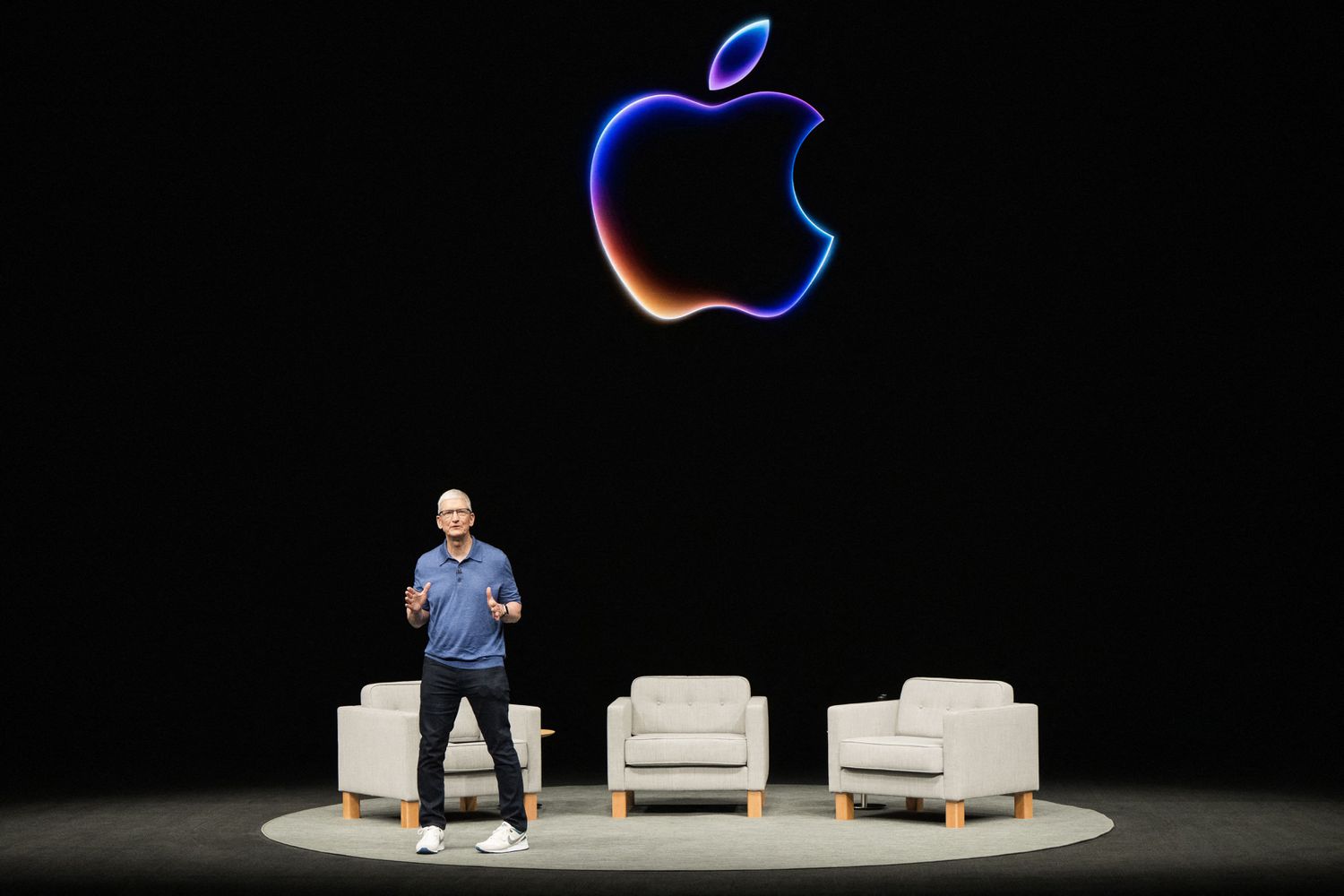
Apple Faces Rising Memory Costs Challenge

- Surging Memory Prices: The demand from AI data centers has led to a 100% increase in memory prices over the past year, putting significant cost pressure on major clients like Apple, with CEO Tim Cook stating that price increases are unavoidable, impacting the company's profitability.
- Rising Product Costs: Research firm TechInsights estimates that the memory and storage costs for a top-tier iPhone could rise from about $50 last year to $200 this year, a fourfold increase that will directly affect Apple's gross margin, which fell to 38.7% in Q2 2026.
- Market Response: Despite achieving a record revenue of $111.2 billion in Q2 2026, up 17% year-over-year, management anticipates greater financial pressure from rising memory costs, particularly as smartphone sales are expected to decline this year.
- Pricing Strategy Adjustment: Apple may respond to rising costs by increasing the starting price of the new iPhone Pro to $1,299, which could face challenges in a shrinking market, but the company's strong brand and ecosystem may provide it with significant pricing power.
Berkshire's Heavy Apple Investment and AI Strategy
- Portfolio Concentration: As of June 17, Berkshire Hathaway's public equity portfolio is valued at $341 billion, with a single company representing 20% of the holdings, indicating a concentrated investment strategy in the 'Magnificent Seven'.
- Apple Stock Surge: Since first purchasing shares in Apple in Q1 2016, the company's stock price has surged 1,120% over the past decade, and despite trimming this position since late 2023, Apple remains the largest holding in Berkshire's portfolio.
- AI Product Launch Plans: Apple plans to release a more powerful Siri AI digital assistant this year, along with improved image editing and internet browsing capabilities, demonstrating its commitment to advancing in the artificial intelligence space.
- Future Hardware Innovations: Apple is expected to launch AI-powered AirPods with cameras by 2027 and a foldable iPhone model later this year, although it remains to be seen whether these innovations will drive significant revenue growth.
Apple Seeks Breakthrough Amid AI Boom
- Portfolio Overview: As of June 17, Berkshire Hathaway's public equity portfolio is valued at $341 billion, with Apple representing 20% of this, highlighting its significance and the expectation for future growth.
- Apple Stock Performance: Since first purchasing shares in Apple in Q1 2016, the company's stock has surged 1,120% over the past decade; despite trimming its position in late 2023, Apple remains Berkshire's largest holding, reflecting market confidence in its long-term value.
- AI Innovation Plans: Apple plans to release a more powerful Siri AI digital assistant this year, along with enhanced image editing and internet browsing capabilities, aiming to improve user experience and close the gap with competitors in the AI space.
- Future Product Outlook: Apple is also set to launch AI-powered AirPods with cameras in 2027 and a foldable iPhone later this year; despite innovation pressures, these new products are expected to drive revenue growth and meet investor expectations.
Long-Term Investment Value of Apple, Coca-Cola, and Microsoft
- Apple's Sustained Growth: Apple has seen its stock price surge over 1,185% in the past decade, with a market cap of approximately $4.28 trillion; in Q2 FY26, it reported EPS of $2.01, exceeding estimates, and revenue of $111.18 billion, up 17% year-over-year, showcasing its strong market position and ongoing revenue growth potential.
- Coca-Cola's Dividend King Status: Coca-Cola has raised its dividend for 63 consecutive years, posting Q1 2026 EPS of $0.86 and revenue of $12.47 billion, up 12% year-over-year, while management raised 2026 EPS growth guidance to 8%-9%, further solidifying its status as a benchmark for dividend growth.
- Microsoft's AI Business Potential: Despite a 20% drop in stock price year-to-date, Microsoft’s AI business has reached a $37 billion annualized revenue run rate, up 123% year-over-year; in Q3 FY26, it reported EPS of $4.27 and revenue of $82.89 billion, indicating strong growth in cloud and AI sectors.
- Market Competitiveness Challenges: Apple, Coca-Cola, and Microsoft each face unique market challenges, with Apple contending with global trade frictions, Coca-Cola adapting to changing consumer preferences, and Microsoft addressing the return on AI investments, all of which will impact their competitiveness over the next decade.
Intel and AMD Intensify Competition Amid AI Demand
- Intel's Stock Surge: Intel's stock has surged approximately 520% over the past year, driven by its foundry turnaround and soaring demand for server processors, indicating a significant recovery potential in market competition.
- AMD's Data Center Revenue Growth: AMD's data center revenue jumped 57% year-over-year to $5.8 billion in the first quarter, fueled by strong performance from EPYC processors and Instinct AI chips, highlighting its strengthening market position in AI.
- Profitability Comparison: Despite Intel's rapid stock increase, its forward price-to-earnings ratio exceeds 120, while AMD's is around 73, indicating AMD's advantages in profitability and growth rate, potentially making it a more attractive investment choice.
- Market Outlook Analysis: As AI demand continues to grow, both Intel and AMD are vying for market share; while Intel shows strong turnaround momentum, AMD's higher profits and cash flow may position it more favorably in future competition.
AMD vs Intel: Competitive Landscape Analysis
- Intel's Recovery Momentum: Under CEO Lip-Bu Tan, Intel has exceeded revenue expectations for six consecutive quarters, with Q1 revenue rising 7% year-over-year to $13.6 billion, and its data center and AI segment growing 22% to $5.1 billion, indicating a strengthening competitive position in the AI era.
- Foundry Business Challenges: Despite Intel's foundry business generating $5.4 billion in revenue this quarter, it still faced a $2.4 billion operating loss, with external customers contributing only $174 million, highlighting the need for improved customer acquisition to achieve profitability in a competitive market.
- AMD's Strong Growth Trajectory: AMD's data center segment achieved a record $5.8 billion in revenue in Q1, up 57% year-over-year, while total revenue increased 38% to $10.3 billion, with adjusted earnings per share rising 43% to $1.37, showcasing its robust performance in the AI accelerator market and solidifying its market position.
- Investment Value Comparison: Although Intel's stock has surged over 500% in the past year, its forward P/E ratio exceeds 120, while AMD's is around 73, suggesting that investors may prefer AMD for its faster growth and higher profits, despite both companies facing risks from market volatility.
Apple Faces Rising Memory Costs Challenge
- Surging Memory Prices: The demand from AI data centers has led to a 100% increase in memory prices over the past year, putting significant cost pressure on major clients like Apple, with CEO Tim Cook stating that price increases are unavoidable, impacting the company's profitability.
- Rising Product Costs: Research firm TechInsights estimates that the memory and storage costs for a top-tier iPhone could rise from about $50 last year to $200 this year, a fourfold increase that will directly affect Apple's gross margin, which fell to 38.7% in Q2 2026.
- Market Response: Despite achieving a record revenue of $111.2 billion in Q2 2026, up 17% year-over-year, management anticipates greater financial pressure from rising memory costs, particularly as smartphone sales are expected to decline this year.
- Pricing Strategy Adjustment: Apple may respond to rising costs by increasing the starting price of the new iPhone Pro to $1,299, which could face challenges in a shrinking market, but the company's strong brand and ecosystem may provide it with significant pricing power.